
Main Courses
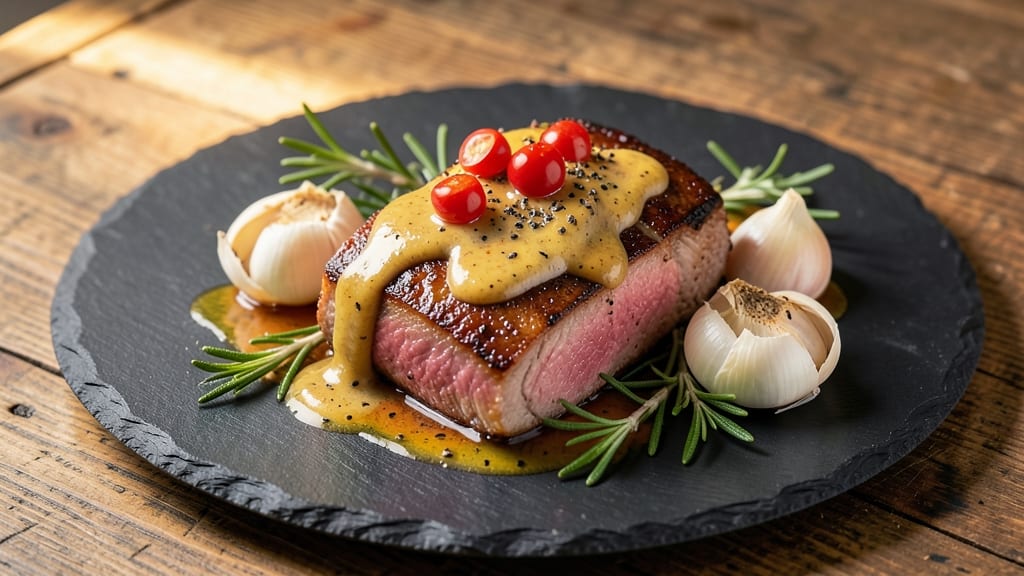
This amazing pork tenderloin recipe changed how I cook pork forever—juicy pink centers, crispy edges, and herby aroma that fills the house. 🌟 I developed it during a particularly hectic week when I needed a restaurant-quality main course ready in under an hour.
The secret? A simple herb marinade that tenderizes while adding layers of flavor without overpowering the natural taste of the meat.
What makes this recipe special is how foolproof it is—no fancy techniques required. You'll start by butterflying the tenderloin (don't skip this step!) to ensure even cooking, then let it marinate in a blend of rosemary, thyme, and garlic while you prep sides.
The real magic happens in the oven, where high heat creates that perfect crust while keeping the inside tender and moist—no dry pork here.
By the time you're done, you'll have a perfectly cooked pork tenderloin with golden-brown edges and a juicy interior that practically melts in your mouth. The herb crust adds texture and aroma that'll have everyone asking for seconds.
Serve with roasted potatoes and a crisp green salad for a complete meal that feels like a five-star dinner.
This recipe scales beautifully too—whether you're feeding a family of four or hosting a dinner party, the proportions work perfectly. The best part? Leftovers reheat beautifully, making it ideal for meal prep. Let's get cooking!
Ingredients for amazing pork tenderloin
Herb-infused pork tenderloin with juicy pink centers—just 11 ingredients for restaurant-quality flavor.
| Ingredient | Amount | Notes |
|---|---|---|
| Pork Tenderloin 🐖 | 1 ½ lb | Center-cut for even cooking |
| Fresh Rosemary 🌿 | ½ cup | Finely chopped, stems removed |
| Fresh Thyme 🌿 | ¼ cup | Leaves only, stems discarded |
| Garlic Cloves 🧄 | 4 cloves | Minced, not powdered |
| Extra-Virgin Olive Oil 🫒 | ¼ cup | High quality for flavor |
| Unsalted Butter 🧈 | 2 tbsp | Melted, for basting |
| Diamond Crystal Kosher Salt 🧂 | 1 ½ tsp | Fine grain preferred |
| Freshly Ground Black Pepper 🌶️ | 1 tsp | Cracked peppercorns |
| Honey 🍯 | 1 tbsp | For glaze, optional |
| All-Purpose Flour 🌾 | 1 tbsp | For dusting |
| Fresh Lemon Juice 🍋 | 1 tbsp | Brightens flavors |
The pork tenderloin is your star here. Grab a center-cut piece from the meat department—it's more tender and cooks evenly. I always check for good marbling (little white streaks) at Whole Foods or my local butcher shop. If you're butterflying it (flattening the thick side), use a meat mallet or roll with a rolling pin—don't skip this step for even cooking. The herbs? Fresh is non-negotiable for that aromatic punch, but if you're in a pinch, dried works at one-third the amount. Just make sure your rosemary and thyme are vibrant green, not brown or brittle.
No fresh rosemary? Substitute with 1 tsp dried rosemary plus 1/2 tsp dried thyme. Running low on olive oil? Avocado oil works just as well—it's got a higher smoke point for searing. The honey glaze is optional but adds that perfect caramelized finish. If you're making this ahead, marinate the pork overnight for even more flavor. For the butter, I always use unsalted so I can control the seasoning, but salted works too if you reduce the kosher salt slightly. The lemon juice cuts through the richness beautifully—don't skip it!
Marinated pork keeps 3-4 days in the fridge, but cook it within 2 days for best texture. The cooked tenderloin reheats beautifully—just warm in a skillet with a splash of water or broth. For meal prep, slice it and store in an airtight container with a paper towel to absorb moisture. It stays juicy for 4-5 days this way. Freeze cooked portions for up to 3 months—thaw overnight in the fridge before reheating. The herb crust gets crispy when reheated, so a quick broil for 2-3 minutes brings it back to life.
Why You'll Love This Recipe
- One-Pan Magic: I swear by this recipe because it’s that simple—just sear the tenderloin in a hot pan, toss in the whole garlic cloves and sprigs of rosemary and thyme, then let the oven do the work. No chopping, no fuss, and honestly, the cleanup is just wiping one pan.
- Herb-Crisped Perfection: Between us, the secret’s in the olive oil and those fresh herbs. The rosemary and thyme cling to the meat like a flavor hug, while the garlic cloves burst open just enough to add that sweet, golden punch. That crispy edge with the juicy center? Chef’s kiss.
- Weeknight or Dinner Party: This recipe doesn’t care if it’s a Tuesday or a holiday—it’s equally at home. Slice it for sandwiches, serve it whole for a special meal, or even toss cold slices into salads the next day. My daughter picks out the herbs first thing, but still asks for seconds.
- Leftovers That Don’t Suck: I make this twice a month because the leftovers are actually good. Shred it for tacos, dice it into pasta, or just reheat slices in the pan with a splash of water. It’s budget-friendly, too—pork tenderloin is lean and affordable, and the herbs stretch the flavor without breaking the bank.
Step-by-step instructions for herb-infused pork tenderloin
Here's how to transform simple ingredients into melt-in-your-mouth pork with perfect pink centers.
👨🍳 Step 1: Prep and Season the Pork
Pat the 1.5 lb pork tenderloin completely dry with paper towels—this is crucial for crispy skin. I like to use a clean kitchen towel first to soak up any excess moisture, then paper towels for the final wipe. Place the tenderloin on a cutting board and make a few shallow slashes along the surface with a sharp knife—about ¼-inch deep and ½-inch apart. This helps the seasoning penetrate deeper and prevents curling during cooking.
In a small bowl, combine the 0.5 cup finely chopped fresh rosemary, 0.25 cup fresh thyme leaves, 4 minced garlic cloves, 1.5 tsp Diamond Crystal kosher salt, and 1 tsp freshly ground black pepper. Rub this mixture all over the tenderloin, pressing it into the slashes. Then, in another bowl, mix the 1 tbsp all-purpose flour with 1 tbsp fresh lemon juice and coat the pork lightly. This flour-lemon mixture creates a delicate crust that helps with browning.
🍳 Step 2: Sear for Color and Flavor
Heat a large oven-safe skillet over medium-high heat until it's smoking hot. Add 2 tablespoons unsalted butter and 0.25 cup extra-virgin olive oil to the pan. Once the butter foams and the oil shimmers, carefully add the pork tenderloin. Sear for 3-4 minutes per side until it develops a deep golden-brown crust—this is where all the flavor happens. You'll know it's ready when you see color developing and the pork releases easily from the pan.
Here's the thing—I press down gently on the tenderloin during the first minute of searing. This prevents it from curling and ensures even contact with the pan. After searing, transfer the skillet to a stable spot on your stovetop and let it cool for 1 minute to prevent burning when you add the honey glaze.
🔥 Step 3: Glaze and Roast to Perfection
Remove the skillet from the heat and pour the 1 tablespoon honey over the seared pork, letting it drip down the sides. Return the skillet to the stove over medium heat for 1-2 minutes**, just until the honey begins to caramelize and bubble. Then, preheat your oven to 400°F.
Transfer the skillet to the oven and roast for 15-18 minutes until the internal temperature reaches 145°F on a meat thermometer. The pork should look golden and caramelized, with juices running clear when you pierce it with a knife. Real talk: Your oven might run hot, so start checking at the 12-minute mark—you want it to finish cooking while in the oven, not on the counter.
⏰ Step 4: Rest and Serve
Remove the pork from the oven and transfer it to a cutting board. Let it rest for 10 minutes before slicing—this is non-negotiable. During this time, the juices redistribute throughout the meat, ensuring each bite stays moist and tender. If you slice too soon, all that delicious juice will pool on your plate instead of staying in the pork.
Slice the tenderloin into ½-inch thick medallions and serve immediately. The outside should be beautifully caramelized with a crisp texture, while the inside remains wonderfully pink and juicy. The herb-infused glaze adds a bright, aromatic finish that complements the rich pork perfectly. Pair it with roasted vegetables or a fresh salad for a complete meal.
Pro Tips For Making Amazing Pork Tenderloin
- Trim the Fat Pockets: Pork tenderloin hides little fat pockets—don’t skip slicing them out. I learned this after serving a slice that turned rubbery mid-bite. A quick trim ensures even cooking and a tender bite every time.
- Salt Before Searing: Generously salt the tenderloin at least 30 minutes before cooking—this lets the seasoning penetrate. I used to salt right before searing, and the crust would form before the flavor could sink in. (Yes, even if you’re impatient like me.)
- Use a Meat Thermometer: Pull the pork at 145°F (63°C)—no guessing. I’ve overcooked this before, and it’s a crime. The thermometer is your friend, especially since tenderloin dries out fast.
- Sear in Batches: Crowding the pan drops the temperature and steams the meat instead of searing. Do 2-3 minutes per side in a hot pan with olive oil—just enough room to hear the sizzle. (Your future self will thank you.)
Flavor customization for this dish
Sweet and Tangy
Swap the honey glaze for a balsamic reduction made with 2 tbsp balsamic vinegar and 1 tbsp brown sugar reduced by half. Simmer together for 3-4 minutes until thickened, then brush over the seared pork before roasting. The tangy-sweet contrast cuts through the richness beautifully—trust me, it's a game-changer. 🍷
For extra depth, add ½ tsp ground cinnamon to your herb marinade before applying it to the pork. This Middle Eastern-inspired twist works surprisingly well with pork tenderloin, adding warmth that pairs perfectly with the balsamic glaze.
I first tried this at a Charleston market when I was apprenticing—it's become a go-to for special occasions.
Smoky Chipotle
Infuse your pork with smoky heat by adding 1 tbsp adobo sauce (from canned chipotles) to your marinade. Combine it with the rosemary, thyme, and garlic, then let the pork marinate for at least 2 hours (overnight is even better).
The result? A tenderloin with deep, smoky undertones that'll have your guests asking for the recipe. 🌶️
For the finishing touch, dust the cooked pork with ½ tsp smoked paprika right before serving. This adds another layer of smokiness that complements the chipotle perfectly. I love serving this version with my homemade corn salsa—it balances the heat beautifully.
This variation is especially popular at my restaurant during summer months when we want something bold but still approachable.
Citrus Herb Bright
Brighten up your pork with a zesty twist by adding 1 tbsp fresh orange zest and 1 tbsp fresh lemon juice to your marinade. The citrus oils penetrate the meat, creating a wonderfully aromatic crust.
I like to use Navel oranges for their sweetness, but any citrus will work in a pinch. 🍊
For an extra pop of color, sprinkle ½ cup toasted pine nuts over the finished dish just before serving. The nuts add crunch and a buttery flavor that contrasts perfectly with the citrusy pork.
This variation is perfect for spring or summer dinners when you want something fresh and vibrant. It's also one of my favorite ways to use up fresh citrus from my backyard trees.
Garlic and Herb Butter
Take your pork to the next level by making a compound butter to baste during roasting. Mix 4 tbsp softened unsalted butter with 2 minced garlic cloves, 1 tsp chopped fresh rosemary, and ½ tsp salt.
After searing the pork, place the butter in a small dish and spoon it over the meat every 5 minutes during roasting. The butter bastes and browns beautifully, creating a luscious crust. 🧈
For an extra touch, sprinkle 1 tbsp chopped fresh parsley over the finished dish. This herb butter variation is my go-to when I want something rich and flavorful without any complicated techniques. It's especially impressive when served with roasted asparagus or mashed potatoes—simple sides let the pork shine.
Nutrition facts
Frequently asked questions
How do I know when pork tenderloin is fully cooked?
Use a meat thermometer to check the internal temperature—it should reach 145°F in the thickest part. The juices should run clear when pierced with a knife, not pink. Never rely on color alone, as pork can look cooked on the outside while still being underdone inside.
Can I cook pork tenderloin without an oven?
For a stovetop version, sear the pork as directed, then transfer to a baking dish and finish in a 400°F oven (or use a grill set to medium-high heat). If grilling, cook for 12-15 minutes, turning occasionally, until the internal temperature hits 145°F.
Why did my pork tenderloin turn out dry?
Overcooking is the most common cause—pork tenderloin is lean and dries out quickly. Always use a meat thermometer and remove it from heat at 140°F, then let it rest for 10 minutes to redistribute juices. Brining (soaking in saltwater for 30 minutes) also helps retain moisture.
What's the best way to store leftover pork tenderloin?
Slice the cooked pork and store in an airtight container with a paper towel to absorb moisture. Refrigerate for up to 4 days or freeze for 3 months. To reheat, warm in a skillet over medium heat for 2-3 minutes or microwave for 1 minute (covered) until heated through.
Should I trim the silver skin off pork tenderloin?
Yes, always remove the tough silver skin before cooking—it doesn't add flavor and can make the meat chewy. Simply peel it away with your fingers or a knife after patting the pork dry. This small step makes a big difference in tenderness!