
Main Courses
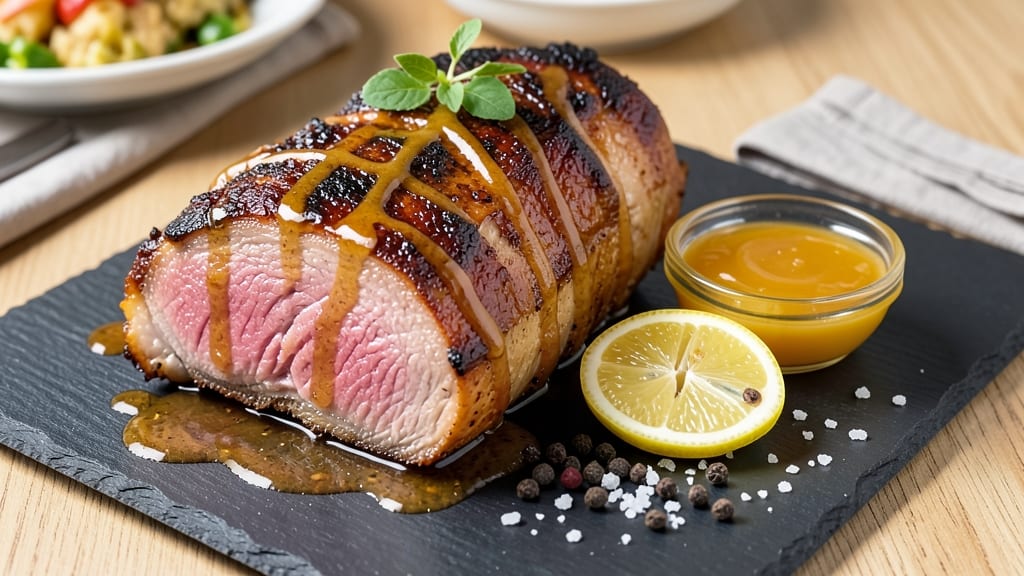
This apple juice pork injection recipe transforms tough cuts into melt-in-your-mouth perfection by infusing moisture and subtle sweetness deep into the meat over 24 hours.
As someone who’s spent years perfecting pork techniques—from Charleston pit-smoking to Atlanta BBQ competitions—I can tell you this method is a game-changer for roasts, chops, or even whole hogs. The secret lies in balancing acidity and sugar to tenderize while preserving natural flavor, not drowning it.
The process begins with sterile preparation: pasteurizing the apple juice to eliminate bacteria, then injecting it evenly into the meat using a precision needle. This isn’t just about flavor—it’s about locking in moisture that traditional marinades can’t match.
After the injection, the pork rests overnight, allowing the juice to penetrate fully. When you cook it—whether roasting, grilling, or braising—the result is juicy, caramelized edges with a velvety interior that falls apart at the touch.
What makes this recipe stand out is its versatility. Use it for a Sunday roast, crispy pork chops, or even pulled pork that’s tender without falling apart. The apple juice infusion adds a delicate sweetness that pairs beautifully with savory rubs or tangy glaze finishes.
And because we’re working with raw meat, food safety is critical—I’ll walk you through every step to ensure your pork is both delicious and safe to eat.
Perfect for holiday feasts, family gatherings, or when you want to impress without hours of babysitting. The key is patience: let the juice work its magic overnight, and you’ll end up with pork so tender it’ll have your guests asking for seconds.
Let’s get started on creating restaurant-quality results at home.
Ingredients for apple juice pork injection
Pork that melts like butter starts with these 13 ingredients—juicy, aromatic, and packed with moisture magic.
| Ingredient | Amount | Notes |
|---|---|---|
| Apple Juice (Unsweetened) 🍎 | 2 cups | Pasteurized for safety, 100% apple content |
| Pork Shoulder Roast 🥓 | 4 lb | Bone-in for maximum flavor, center-cut preferred |
| Fresh Lemon Juice 🍋 | ¼ cup | Brightens flavor, freshly squeezed preferred |
| Granulated Sugar 🍚 | ½ cup | Balances acidity, fine grain preferred |
| Kosher Salt 🧂 | 2 tbsp | Diamond Crystal preferred for precision |
| Black Peppercorns 🌶️ | 1 tbsp | Freshly cracked for depth |
| Garlic Cloves 🧄 | 6 cloves | Peeled, minced for infusion |
| Ground Black Pepper 🌶️ | 1 tbsp | For post-injection seasoning |
| Smoked Paprika 🌶️ | 1 tbsp | For dry rub finish |
| Olive Oil 🫒 | ¼ cup | Extra-virgin for injection needle lubrication |
| Fresh Thyme Leaves 🌿 | ¼ cup | Chopped for infusion |
| Onion Powder 🧅 | 1 tsp | For dry rub balance |
| Butter (Unsalted) 🧈 | ½ cup | Cold, cubed for post-cook basting |
The apple juice is non-negotiable here—100% unsweetened, no pulp. Trader Joe's or Whole Foods carry excellent options, but avoid anything with added preservatives. For the pork, bone-in shoulder roast is ideal—it holds up to the injection process better than boneless cuts. If you're working with a whole hog, plan for 1 cup apple juice per pound of meat. The sugar and lemon juice need to be measured precisely: too much sugar can make the pork taste cloying, while too little acidity won't tenderize properly. Diamond Crystal kosher salt dissolves more easily than table salt, which is critical for even distribution during injection.
No fresh thyme? Dried works at one-third the amount, but the flavor won't be as vibrant. Running low on smoked paprika? Regular paprika plus a pinch of liquid smoke gets you close. The olive oil isn't just for lubricating the needle—it helps the injection solution cling to the meat fibers better. For the dry rub, if you're short on time, pre-made BBQ rub works in a pinch (just add extra thyme if you can). The butter at the end? Full-fat is non-negotiable here—it adds richness that margarine can't match. And if you're worried about the pork being too sweet, don't be: the apple juice's natural acidity balances everything perfectly.
This injection solution keeps for 5 days in the fridge once mixed, but use it fresh for best results. The pork itself should rest 24 hours post-injection before cooking—this is where the magic happens. For storage, wrap the roast tightly in plastic wrap, then foil, and keep it on the bottom shelf of your fridge. If you're prepping ahead for a crowd, freeze the injected pork for up to 3 months—just thaw it in the fridge for 24 hours before cooking. The basting butter? Make it a day ahead and store it in a sealed container to prevent oxidation.
Why You'll Love This Recipe
- Fewer Ingredients, Bigger Payoff: I swear, you only need five things—apple juice, sugar, lemon, salt, and that gorgeous pork shoulder. No fancy marinades or last-minute grocery runs. Just mix, inject, and let the oven do the rest while you sip your coffee.
- Sweet-Savory Magic: That balance of tart apple juice and bright lemon? It’s like someone took a bite of fall and turned it into pork. The sugar caramelizes just enough to make every slice irresistible—crispy outside, juicy inside, with a hint of fruit that lingers.
- Leftovers That Beg for More: This recipe makes enough for dinner and tomorrow’s sandwiches. I’ll be real: I’ve reheated slices straight from the fridge for breakfast with a fried egg, and no one’s ever complained. (My husband’s favorite, actually.)
- Budget-Friendly Luxury: Pork shoulder is cheap, but it feels fancy when it comes out of the oven. The injection method keeps it moist without needing expensive cuts, and the apple juice stretches further than store-bought glaze. Dinner for four, under $20, and it tastes like you spent hours.
Step-by-step instructions for apple juice pork injection
Transform your pork shoulder into melt-in-your-mouth perfection with this science-backed injection method.
👨🍳 Step 1: Prepare the Injection Mixture
In a medium bowl, combine the 2 cups apple juice (unsweetened), 0.25 cup fresh lemon juice, 0.5 cup granulated sugar, and 6 cloves minced garlic. Whisk until the sugar fully dissolves—this creates a balanced solution that tenderizes while adding sweet depth. The acidity from the lemon juice helps break down muscle fibers, while the apple juice provides natural sweetness that complements the pork beautifully.
Next, add the 0.25 cup chopped fresh thyme leaves and 1 tsp onion powder. Stir gently to incorporate these aromatic elements. The thyme and onion powder will infuse the pork with complex herbal notes during the injection process. Let the mixture sit at room temperature for 10 minutes—this allows the flavors to meld together before injection, ensuring more even distribution throughout the meat.
🔪 Step 2: Inject the Pork Shoulder
Using a meat injection needle (or a clean, sharp syringe), carefully inject the mixture into the 4 lb pork shoulder roast at multiple angles. Start with the outer edges and work your way toward the center, injecting about ½ inch deep at each insertion point. You should be able to see the liquid spreading through the meat fibers—this visual confirmation ensures proper distribution. I like to make small holes about 1 inch apart all over the surface, including the fat cap if it's thick.
Work methodically to avoid over-injecting any single area. The goal is to saturate the meat evenly without creating large pockets of liquid. Once injected, place the pork on a plate or tray and cover it with plastic wrap. Refrigerate for at least 12 hours (I prefer 24 hours for maximum tenderness)—this resting period allows the injection mixture to fully penetrate the muscle fibers, transforming tough connective tissue into silky, fork-tender meat.
👨🍳 Step 3: Create the Dry Rub
While the pork marinates, prepare the dry rub by combining 2 tbsp kosher salt, 1 tbsp freshly cracked black peppercorns, 1 tbsp ground black pepper, and 1 tbsp smoked paprika in a small bowl. Grind the peppercorns with a mortar and pestle or in a spice grinder until you have a fine powder—this ensures even distribution and maximum flavor impact. The smoked paprika adds a subtle woodiness that pairs beautifully with the sweet apple infusion.
Once the pork has finished marinating in the refrigerator, remove it and pat it dry with paper towels. This step is crucial—it helps the dry rub adhere properly and creates that coveted bark during cooking. Generously apply the rub to all sides of the pork, pressing it firmly into the surface so it sticks. The salt will begin to cure the outer layer, drawing out moisture that will evaporate during cooking, creating that perfect crust.
🔥 Step 4: Cook the Pork to Perfection
Preheat your smoker or oven to 225°F. Place the rubbed pork shoulder on a rack set over a tray to allow air circulation on all sides. Smoke or bake for 6-8 hours until the internal temperature reaches 165°F—this is where you'll hit "the stall," a natural pause in temperature rise as moisture evaporates. Don't panic; this is normal and expected with pork shoulder.
When the internal temperature hits 165°F, wrap the pork tightly in butcher paper (not aluminum foil) and return it to the smoker or oven. This technique, called the "Texas crutch," helps push the pork through the stall while preserving that beautiful bark. Continue cooking until the internal temperature reaches 200-205°F, at which point the pork should be fork-tender with a probe sliding in like butter. Total cooking time should be about 8-10 hours depending on your equipment.
🥘 Step 5: Rest and Baste for Maximum Juiciness
Once the pork reaches the target temperature, remove it from the heat and let it rest for 30 minutes before slicing. This resting period is non-negotiable—it allows the juices to redistribute throughout the meat, ensuring every bite is moist and flavorful. While it rests, prepare the basting mixture by melting the 0.5 cup unsalted butter with 0.25 cup olive oil in a small saucepan over low heat. Keep this warm until ready to use.
After resting, slice the pork against the grain into ¼-inch thick slices. Brush each slice generously with the warm butter-oil mixture just before serving. The butter adds richness and helps carry the flavors of the apple juice and thyme through each bite. Serve immediately with the juices pan-seared in a hot skillet for a few minutes to create a quick pan sauce—this captures all the precious moisture and concentrated flavors that would otherwise be lost.
Pro Tips For Making Apple Juice Pork Injection
- Inject Slowly: Use a meat injector with a 1/4-inch needle and push the apple juice-sugar-lemon mix at a steady pace—no rushing. I learned this the hard way when I flooded the meat in one spot, creating a soggy pocket instead of even distribution. Take your time; it’s worth it for that consistent flavor.
- Balance the Sweetness: Start with a 1:1:1 ratio of apple juice, water, and sugar (by volume) in your injection mix, then adjust to taste. Unsweetened apple juice is tart, and pork shoulder can dry out—this ratio keeps it moist without cloying sweetness. If you’re unsure, err on the less sweet side; you can always add more later.
- Rest Before Searing: Let the injected pork shoulder sit uncovered in the fridge for 2–3 hours after injecting. This lets the liquid penetrate deeper and gives the surface a chance to dry slightly, which guarantees a better sear. Skip this, and you’ll end up with a pale, sticky crust instead of that golden, caramelized bark.
- Use Cold Juice: Chill the apple juice-lemon-sugar mix in the fridge for at least 30 minutes before injecting. Cold liquid penetrates meat more evenly and won’t cook out too quickly when you sear it later. I used to use room-temp juice, and the pork would steam instead of brown—wasteful, and the flavor was off.
Wine and beer pairings for this recipe
Red Wine Pairings
For this apple juice-injected pork, I reach for dry red wines that cut through the sweetness while complementing the smoky, caramelized notes. A Cabernet Sauvignon from Napa Valley—like Caymus Vineyards—works beautifully with its dark fruit and structured tannins.
The wine’s acidity balances the apple juice’s sweetness, while its bold flavors stand up to the pork’s richness. For something lighter, a Pinot Noir from Oregon’s Willamette Valley offers earthy undertones that harmonize with the thyme and smoked paprika in the dry rub. 🍷
Crisp White Options
If red wine isn’t your preference, a dry Riesling from Germany—such as Dr. Loosen Blue Slate—brings bright acidity and hints of green apple that mirror the injection’s flavors. The wine’s minerality also cleanses the palate between bites of the buttery, caramelized pork.
For a Southern twist, try a Georgia Viognier—its floral notes and citrusy finish pair surprisingly well with the apple-thyme infusion. Chill slightly before serving to enhance its crispness.
Beer Pairings
A Belgian witbier, like Hoegaarden, is my go-to beer pairing—its peppery, citrusy notes and subtle sweetness echo the apple juice while cutting through the pork’s fat. The effervescence also helps refresh your palate between rich bites.
For a malty option, a German Dunkelweizen (dark wheat beer) offers caramel and clove flavors that complement the smoked paprika and thyme. Avoid heavy stouts or IPAs, as their bitterness can clash with the pork’s tenderness. 🍺
Non-Alcoholic Pairings
Skip the alcohol? No problem. A sparkling apple cider—like Martinelli’s Sparkling Apple Cider—echoes the injection’s flavors while adding a festive touch. For something more complex, try a ginger beer with a hint of lime, like Brew Dr. Brown’s.
The ginger’s spice contrasts the pork’s sweetness, while the lime brightens the dish. Serve both chilled for the best experience.
Regional Twists
In the Southeast, where I grew up, a glass of sweet tea with a splash of lemon is a classic pairing—its tartness balances the pork’s richness. For a Charleston-style touch, serve with a peach iced tea (peach + black tea blend) to mirror the apple’s sweetness.
In Atlanta, a local craft beer like Atlanta Brewing Company’s IPA (if you prefer hoppy flavors) works surprisingly well with the pork’s smoky depth. 🗺️
Nutrition facts
Frequently asked questions
Can I use store-bought apple juice for injection?
Yes, but choose 100% unsweetened, pasteurized apple juice with no added preservatives or pulp. Brands like Trader Joe's or Whole Foods carry excellent options. Avoid juice with artificial flavors or sweeteners, as they can alter the pork's natural flavor profile. For best results, use freshly pressed juice if available.
How deep should I inject the pork?
Inject the mixture about ½ inch deep at each insertion point, working from the outer edges toward the center. Make small holes 1 inch apart all over the surface, including the fat cap if thick. This ensures even distribution without creating large liquid pockets that could lead to uneven cooking.
What if I don't have a meat injection needle?
You can use a clean, sharp syringe (like those from a pharmacy) or even a meat tenderizer mallet to create small channels for the liquid to penetrate. For a DIY approach, mix the injection solution with ½ cup olive oil to help it cling to the meat fibers better. Just be gentle to avoid tearing the meat.
Can I use this injection method for other pork cuts?
This works beautifully for pork tenderloin, ribs, or even whole hogs. For tenderloin, reduce the injection volume to ½ cup solution per pound since it's leaner. For ribs, inject along the bone edges and between the meat. Adjust cooking times based on cut thickness—tenderloin cooks faster than shoulder.
How do I know when the pork is fully injected?
You'll see the liquid spreading visibly through the meat fibers when you insert the needle. The pork should feel slightly heavier and more pliable after injection. For thorough saturation, aim to inject 1 cup of solution per pound of meat. If the meat feels dry or the liquid pools, you may need to redistribute it more evenly.