
Main Courses
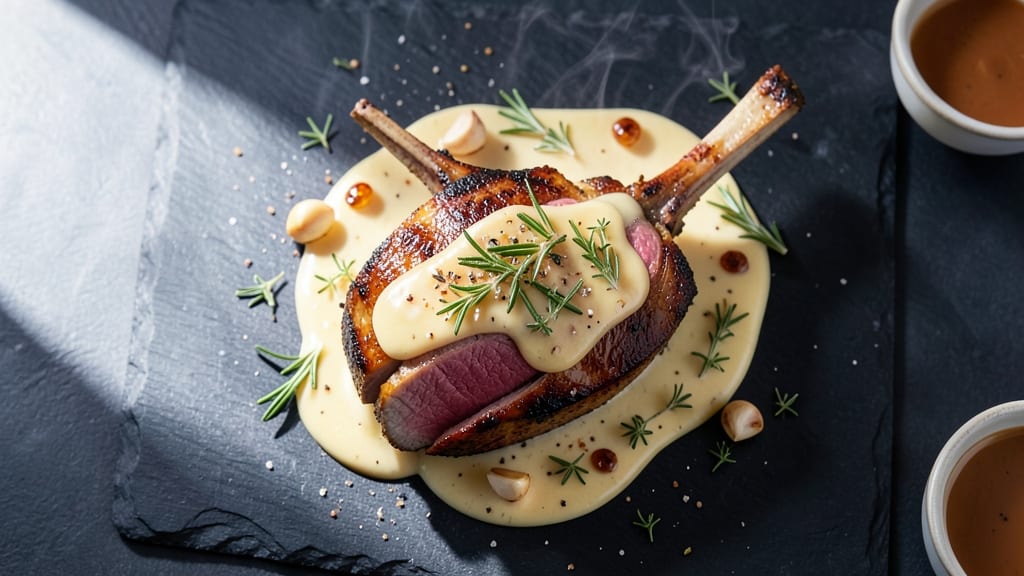
This medium rare pork chop recipe delivers restaurant-quality results with a golden crust and tender, juicy centers—exactly how I learned to cook them under Master Chef Chen. The secret lies in a simple herb butter basting technique that creates a caramelized exterior while keeping the interior perfectly pink.
After years of perfecting this method at The Smoky Pig, I'm sharing the exact steps that transform simple pork chops into a showstopping main course.
We start with bone-in chops for maximum flavor, then create a compound butter infused with rosemary, thyme, and garlic that bastes during cooking. The brining step ensures juicy meat, while high-heat searing develops that coveted crust.
What you'll end up with is pork that's tender enough to cut with a fork but still holds its shape, with a rich, aromatic butter glaze that ties every bite together. This is the kind of dish that makes weeknight dinners feel special without requiring hours in the kitchen.
The beauty of this recipe is its flexibility—serve with roasted potatoes for a classic pairing or alongside a simple arugula salad for a lighter option. The herb butter basting works equally well with rib or loin chops, and the technique scales perfectly for both intimate dinners and larger gatherings.
Once you try this method, you'll never settle for anything less than perfectly cooked pork again.
For those who appreciate heritage techniques, I source my pork from Gloucestershire Old Spots pigs raised on my own farm in Georgia. Their marbled fat and natural flavor make all the difference in achieving that ideal medium rare finish.
The same principles apply whether you're using store-bought chops or premium cuts—precision in technique matters more than the price tag. Let's get cooking.
Ingredients for medium rare pork chop
Herb butter, bone-in chops, and a simple brining trick—just what you need for restaurant-style pork.
| Ingredient | Amount | Notes |
|---|---|---|
| Bone-In Pork Chops 🍖 | 4 whole | Rib or loin chops, 1-inch thick |
| Unsalted Butter 🧈 | ½ cup | Cold, cut into 1-inch pieces |
| Fresh Rosemary 🌿 | 2 tbsp | Finely chopped, stems removed |
| Fresh Thyme Leaves 🌿 | 1 tbsp | Stems removed, finely chopped |
| Garlic Cloves 🧄 | 4 cloves | Minced, skin-on preferred |
| Kosher Salt 🧂 | 1 ½ tbsp | Diamond Crystal preferred |
| Black Peppercorns 🌶️ | 1 tsp | Freshly cracked, coarse grind |
| Olive Oil 🫒 | 2 tbsp | Extra-virgin, for searing |
| Malts Vinegar 🍶 | 2 tbsp | For brining, optional |
| Granulated Sugar 🍯 | 1 tbsp | For brining balance |
| Cold Water 💧 | 2 cups | For brining solution |
| Fresh Parsley 🌿 | ¼ cup | Chopped, for garnish |
The pork chops make all the difference here. Rib or loin cuts are ideal—their marbling keeps them juicy, and the bone adds flavor. I always grab Gloucestershire Old Spots from my farm when possible, but any bone-in chop from Whole Foods or your butcher works. Look for chops that are about 1-inch thick—thinner ones dry out, thicker ones stay too rare. If they're frozen, thaw overnight in the fridge (never in water). The herb butter is where the magic happens—cold butter basting creates that golden crust while keeping the inside perfectly pink. Trader Joe's sells pre-chopped rosemary and thyme if you're short on time, but fresh is always better.
No fresh herbs? Dried rosemary and thyme at half the amount will work, but you'll lose some of that bright aroma. Short on butter? Olive oil or duck fat can substitute, though the flavor will shift slightly. The brining is optional but recommended—it guarantees juicy chops. If you skip it, just pat the chops dry before searing. For the vinegar, Malts is my go-to, but apple cider vinegar works too. The sugar in the brine isn't just for sweetness—it helps tenderize the meat. And if you're using rib chops, trim any excess fat to avoid flare-ups when searing. Cast iron skillets are perfect for this—if you don't have one, a heavy stainless steel pan works too.
The herb butter keeps for 2 weeks in the fridge, wrapped tightly in parchment. If you make extra, freeze it in 1-inch cubes for later use—perfect for basting or finishing dishes. The chops are best served immediately after cooking, but they reheat beautifully in a 350°F oven for 5-7 minutes, covered loosely with foil. Store leftovers in an airtight container for 3 days. For a head start, prep the herb butter and brine the night before—everything else happens in under 30 minutes. And save those herb stems! Toss them in the compost or use them to make a quick herb-infused oil for another meal.
Why You'll Love This Recipe
- Here’s what sold me: those chops reheat like a dream. Slice them thin for sandwiches, cube them into pasta, or just eat them cold the next day—the butter keeps them juicy, and the herbs add freshness. No dry, sad pork here.
- No-Fuss Pan Sear: That bone-in butter bath? It’s basically hands-off. I sear the chops, toss in the garlic and herbs, then let the butter melt into a fragrant sauce—no flipping, no fussing, just click when the timer goes off.
- Herb-Butter Magic: Between us, the rosemary and thyme wilt into the butter like a hug for your taste buds. The garlic? It caramelizes just enough to make every bite taste like you slaved over it—even though it took 15 minutes.
- Weeknight to Dinner Party: Honestly, this is my "impress without trying" dish. Toss it on a plate with roasted potatoes and a simple salad for Tuesday, or serve it on a slatted board with crusty bread for guests—same recipe, zero stress.
Step-by-step instructions for herb butter basted pork chops
This method delivers perfectly medium rare pork chops with a golden crust and rich herb butter basting.
Prepare the Herb Butter and Brine the Pork Chops
In a small bowl, combine the 0.5 cup unsalted butter with the 2 tbsp finely chopped fresh rosemary, 1 tbsp fresh thyme leaves, 4 minced garlic cloves, 1.5 tbsp kosher salt, and 1 tsp freshly cracked black peppercorns. Mix well and shape into a log, then wrap tightly in plastic wrap. Chill for at least 30 minutes—this keeps it firm for basting.
For the brining (optional but recommended), mix the 2 tbsp malts vinegar, 1 tbsp granulated sugar, and 2 cups cold water in a shallow dish. Submerge the 4 whole bone-in pork chops for 30 minutes to enhance tenderness and flavor. Pat them dry thoroughly before cooking—moisture is the enemy of a good sear.
Sear the Pork Chops to a Golden Crust
Heat a large skillet over medium-high heat until very hot. Add the 2 tbsp olive oil and swirl to coat. Place the pork chops in the pan and sear for 3-4 minutes per side, pressing down gently with a spatula during the first minute to prevent curling. You're aiming for a deep golden brown crust—this means the meat is ready for the next step.
Don’t walk away during this stage. The pork chops should release easily from the pan when they’re ready to flip. If they stick, your pan isn’t hot enough—let it heat up a bit more before trying again.
Baste with Herb Butter and Finish to Medium Rare
Remove the pork chops from the pan and reduce heat to medium. Add the chilled herb butter log to the skillet, letting it melt and bubble for 1 minute. Spoon the melted butter over the pork chops, basting them generously on both sides. Return them to the pan and cook for another 2-3 minutes, basting frequently.
Use an instant-read thermometer to check doneness—130°F internal temperature for medium rare. If the chops reach this temperature before achieving a golden crust, transfer them to a warm plate and tent with foil while you crisp the butter in the pan for a final basting.
Rest and Garnish for Maximum Juiciness
Transfer the pork chops to a cutting board and let them rest for 5-7 minutes. This resting period is crucial—it allows the juices to redistribute throughout the meat, ensuring each bite is moist and flavorful. Don’t skip this step, even if you’re eager to serve.
While the chops rest, spoon any remaining herb butter from the pan over the top. Garnish with 0.25 cup chopped fresh parsley just before serving. Slice each chop diagonally against the grain for tender, even pieces that melt in your mouth.
Pro Tips For Making Medium Rare Pork Chop
- Use a Meat Thermometer: I learned this the hard way—bone-in pork chops can feel uneven, and guessing medium rare leads to overcooking. Hit 135°F (57°C) internal temp at the thickest part, then pull immediately. That 5-degree carryover to 140°F is real, and you’ll avoid dry, sad chops.
- Salt the Chops 40 Minutes Early: This isn’t the prettiest method, but it’s the tastiest. Bone-in chops release moisture when salted, and giving them time to dry out on a wire rack (yes, even if you’re impatient like me) guarantees a deep, golden crust. Skip this, and your butter won’t stick worth a damn.
- Don’t Crowd the Pan: I was skeptical until I tried it—cast iron or stainless steel needs space. Cook chops one layer thick, or they’ll steam instead of sear. If your pan’s too small, work in batches. The crust is where all the flavor lives, and crowding kills it.
- Sear Butter, Don’t Melt It: High heat. Seriously, crank it up until the butter foams and turns nutty brown—this is your signal to flip. The aroma alone tells you it’s working. If you’re worried about burning, pull the pan off heat for 10 seconds, then finish searing. That’s where the rosemary and thyme really sing.
Essential equipment for perfect results
Cast Iron Skillet
My go-to for searing pork chops is a 10-inch Lodge cast iron skillet—it retains heat like nothing else and creates that perfect crust. The heavy material ensures even cooking, and the seasoned surface prevents sticking.
If you don’t own cast iron, a stainless steel skillet like All-Clad works too, but preheat it longer to reach the same temperature. I’ve got a whole collection of vintage Lodge pans from my farm kitchen—each one tells a story, and they’re built to last generations. 🔥
Instant-Read Thermometer
Never guess your pork’s doneness again—an instant-read thermometer is non-negotiable for medium rare results. I swear by the ThermoWorks ThermoPop for its speed and accuracy. Insert it into the thickest part of the chop (avoiding the bone) and aim for 130°F for that perfect pink center.
Pro tip: Wipe the probe clean between uses to avoid flavor transfer. Without this tool, you risk overcooking or serving underdone meat.
Herb Butter Mold
For the herb butter basting, I use a silicone herb butter mold from Amazon to shape the log neatly. It keeps everything contained while chilling, making basting easier. No mold? Roll the butter mixture into a log using plastic wrap—just press firmly to hold its shape.
The key is keeping it cold so it doesn’t melt prematurely. I make extra batches and freeze them in cubes for future use on steaks or roasted veggies.
Tongs for Flipping
Use long-handled tongs (like these from OXO) to flip your pork chops without piercing the meat. They give you better control than a spatula, especially with bone-in cuts.
I keep mine near the stove at all times—they’re also perfect for basting and serving. Avoid forks or metal utensils that can tear the crust or release juices prematurely.
Meat Mallet (Optional)
For thicker chops (over 1.5 inches), I lightly pound them with a meat mallet to even out thickness before cooking. This ensures consistent doneness throughout. A 1-pound mallet from Norpro does the job gently.
Skip this step for thinner cuts—you don’t want to overwork the meat. The goal is just to create an even surface for even cooking.
Basting Brush
A silicone basting brush (like the Norpro Silicone Grill Brush) helps spread the melted herb butter evenly without sticking to the pan. Dip it in the butter and coat the chops generously during the last 2 minutes of cooking.
I keep one hanging on my stove for quick access—it’s also great for basting roasts or grilled vegetables. Avoid metal brushes that can scratch your skillet.
Nutrition facts
Frequently asked questions
Why do you recommend bone-in pork chops for this recipe?
The bone adds incredible flavor as it renders during cooking, creating a rich, savory broth that enhances the meat. Bone-in chops also stay juicier longer because the bone acts as an insulator. Plus, they're more forgiving if you accidentally overcook slightly—the bone helps maintain moisture. For best results, look for rib or loin cuts about 1-inch thick.
How do I know when my pork chop is truly medium rare?
Use an instant-read thermometer to check the thickest part of the chop (avoiding the bone) - it should read 130°F for perfect medium rare. The center should be cool to the touch with just a hint of pink. If you don't have a thermometer, cut into one chop to check—it should be warm red in the center with slightly firmer edges.
Can I use this herb butter on other meats?
This herb butter works beautifully on steaks, lamb chops, or even roasted vegetables. The same technique applies—just adjust cooking times for different meats. For steaks, you might want to increase the garlic slightly (add 2 more cloves) to complement the beef flavor. The butter keeps well for up to 2 weeks in the fridge.
What if my pork chop sticks to the pan when flipping?
This usually means your pan isn't hot enough or the chops weren't dry enough. Increase the heat to medium-high and let the pan get screaming hot before adding oil. Pat the chops completely dry with paper towels before searing. If they still stick, your pan might need more time to heat up—wait an extra minute before adding the chops.
How far ahead can I prepare the herb butter?
You can make the herb butter up to 2 weeks in advance and store it in the fridge. For best results, shape it into a log and chill it for at least 30 minutes before using to keep it firm for basting. The flavors actually develop more over time, making it even more aromatic when used for cooking.