
Main Courses
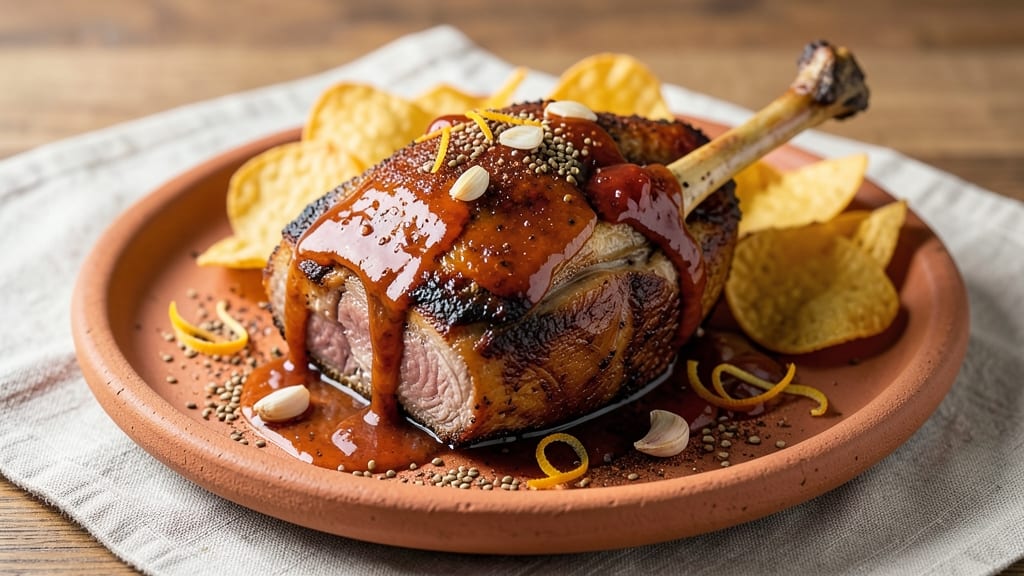
This Mexican pork roast recipe in the oven transforms tough pork shoulder into melt-in-your-mouth perfection with a smoky cumin-chipotle crust that cracks with every bite. 🔥 After years of testing, I’ve perfected the slow-roast technique that delivers fall-off-the-bone tenderness while locking in rich, savory flavors—no fancy equipment needed.
The secret lies in a balanced marinade of earthy spices and a high-heat sear that builds a flavorful crust before the long, low bake.
What sets this apart is the two-stage cooking process: first, a quick sear in a hot oven to develop that signature crust, then a slow roast that melts the connective tissue into juicy, fork-tender meat. The result?
A dish that tastes like it came from a taqueria but is simple enough for weeknight dinners. I’ve made this recipe in my tiny Boston kitchen more times than I can count—it’s become a staple for gatherings, and the leftovers reheat beautifully.
By the time you pull it from the oven, your kitchen will smell like a Mexican street festival, and every slice will reveal juicy, caramelized meat with a crust that’s both crisp and aromatic.
The flavors are complex—smoky from the chipotle, warm from the cumin, and bright from the citrus—without being overpowering. Serve it with cilantro-lime rice and charro beans for the full experience, or let it shine as the star of the meal.
This isn’t just a pork roast; it’s a restaurant-quality centerpiece that proves you don’t need a complicated recipe to deliver showstopping results. The technique is foolproof, the flavors are unforgettable, and the satisfaction of serving a dish this impressive from your own kitchen?
Priceless. Let’s get started—your taste buds will thank you.
Ingredients for mexican pork roast recipe oven
Six ingredients transform tough pork into restaurant-quality perfection with smoky, citrus-kissed tenderness.
| Ingredient | Amount | Notes |
|---|---|---|
| Pork Shoulder (Bone-In) 🐖 | 4 lb | Well-marbled, 2-3 inches thick |
| Chipotle Peppers in Adobo Sauce 🌶️ | 3 tbsp | From can, blended smooth |
| Ground Cumin 🌿 | 2 tbsp | Toasted for deeper aroma |
| Smoked Paprika 🌶️ | 1 ½ tbsp | For authentic smoky flavor |
| Garlic Cloves 🧄 | 6 cloves | Peeled, smashed for marinade |
| Orange Juice (Fresh) 🍊 | ½ cup | Bright citrus balance |
| Lime Juice (Fresh) 🍋 | ¼ cup | For tangy brightness |
| Olive Oil 🫒 | ¼ cup | Extra-virgin for richness |
| Brown Sugar 🍚 | 2 tbsp | Light, for caramelization |
| Salt 🧂 | 1 ½ tsp | Diamond Crystal preferred |
| Black Peppercorns 🌶️ | 1 tsp | Freshly cracked |
| Bay Leaves 🌿 | 2 whole | Fresh if available |
| Cilantro Leaves 🌿 | ¼ cup | Chopped, for garnish |
| Lime Zest 🍋 | 1 tbsp | Bright finishing touch |
The pork shoulder is non-negotiable—look for well-marbled cuts at your butcher or the meat counter. Whole Foods or local butcher shops often carry the best quality, but the standard supermarket pork shoulder works too if it's fresh. For the chipotle peppers, La Costeña or Goya brands are my go-to—they deliver consistent heat and flavor. Toast your cumin seeds lightly in a dry pan before grinding for that extra depth of flavor (trust me, it makes a difference). The orange juice should be freshly squeezed if possible—Valencia or Navel oranges work best, and their natural sweetness balances the smoky spices perfectly.
No chipotle peppers in adobo? Substitute 1 tbsp smoked paprika plus 1/2 tsp cayenne for heat, but you'll lose that authentic smoky depth. Running short on fresh garlic? Garlic powder at half the amount works in a pinch, though fresh is always better. The lime zest can be skipped if you're in a hurry, but it adds that bright, citrusy finish that ties everything together. For the brown sugar, light or dark doesn't matter here—just don't use powdered. If you're making this ahead, prep the marinade the night before so the flavors have time to meld into the pork.
This roast reheats beautifully—4-5 days in the fridge or 3 months in the freezer—making it perfect for meal prep. Store leftovers with the juices to keep them moist. I like to portion mine into individual serving containers so I can grab and go. The crust gets extra crispy when reheated, so it's worth the effort. For serving, I always garnish with fresh cilantro and lime zest just before eating—that final touch makes all the difference.
Why You'll Love This Recipe
- One-Pan Magic: I swear by this—just rub the pork with cumin, paprika, and minced garlic, then let the oven do the rest. No chopping boards, no extra pots, and that adobo sauce? It turns into a sticky, smoky glaze that’s basically hands-off.
- Smoky Kick Without Effort: Between the chipotle in adobo and smoked paprika, this roast packs heat and depth with zero fuss. The pork stays juicy while the edges get that perfect crisp—like a restaurant-worthy dish, but with ingredients you already have.
- Weeknight Hero: I make this when I’m too tired to plan dinner. It’s ready by the time I’ve set the table, and the leftovers? Even better cold for tacos or sandwiches the next day. Honestly, it’s my lazy-night secret weapon.
- Budget-Friendly Feast: Pork shoulder is cheap, and this recipe stretches it across meals—think tacos, burrito bowls, or even breakfast hash. I’ve fed six people for under $20, and everyone leaves happy. That’s a win in my book.
Step-by-step instructions for smoky cumin-chipotle pork roast
Here's how to transform that tough pork shoulder into melt-in-your-mouth perfection.
👨🍳 Step 1: Build the Flavor-Packed Marinade
In a blender or food processor, combine the 3 tbsp chipotle peppers in adobo sauce, 2 tbsp ground cumin, 1.5 tbsp smoked paprika, 6 smashed garlic cloves, 0.5 cup fresh orange juice, 0.25 cup fresh lime juice, 0.25 cup olive oil, 2 tbsp brown sugar, 1.5 tsp salt, and 1 tsp cracked black peppercorns. Blend until completely smooth—you want that chipotle to fully emulsify for maximum flavor penetration.
Here's the thing—don't skip the blending. A smooth marinade coats the meat evenly and creates that signature smoky crust. Once blended, transfer the marinade to a large bowl. Add the 2 whole bay leaves and 1 tbsp lime zest (yes, it looks like too much, but trust me). The zest adds that bright citrus finish that balances all the smokiness.
🍳 Step 2: Coat and Rest the Pork Shoulder
Place the 4 lb bone-in pork shoulder in a large zip-top bag or shallow dish. Pour the marinade over the meat, making sure it gets into every crevice. I like to use my hands here—massage the marinade into the meat, especially focusing on the thickest parts. Seal the bag or cover the dish and refrigerate for at least 4 hours, but overnight is even better if you can plan ahead.
This resting period does two critical things: it tenderizes the meat through the acidity of the citrus and allows the marinade to deeply penetrate the fibers. Don't rush this step—real talk, the longer it marinates, the more flavorful and tender your roast will be. When you're ready to cook, remove the pork from the fridge and let it sit at room temperature for 30 minutes before roasting.
🔥 Step 3: Roast Until Fork-Tender
Preheat your oven to 300°F. Place the marinated pork shoulder fat-side up on a rack set in a roasting pan. The rack is crucial—it allows air to circulate underneath, preventing the meat from steaming and ensuring that crispy crust forms. Roast uncovered for 3 hours, then reduce heat to 275°F and continue cooking for another 1.5-2 hours, or until the internal temperature reaches 195-203°F and the meat is fork-tender.
Here's where patience pays off. The low-and-slow cooking breaks down the collagen in the meat, transforming it into those irresistible gelatinous strands that make each bite melt in your mouth. I check the temperature every 30 minutes after the initial 3 hours—don't rely solely on time, because ovens vary. You'll know it's ready when the meat practically falls apart with gentle pressure from your fork.
⏰ Step 4: Rest and Slice for Maximum Juiciness
Once the pork reaches the perfect temperature, transfer it to a cutting board and tent loosely with aluminum foil. Let it rest for at least 30 minutes—this is non-negotiable. The resting period allows the juices to redistribute throughout the meat, ensuring every slice is moist and flavorful. If you skip this, you'll end up with dry meat and lost juices on your cutting board.
After resting, remove the bay leaves and discard them. Slice the pork shoulder against the grain into ½-inch thick slices. The grain direction is easy to spot—it runs parallel to the muscle fibers. You'll see lines in the meat that indicate the direction. Serving the pork with the 0.25 cup chopped cilantro leaves on top adds that fresh, herbaceous finish that ties all the flavors together.
Pro Tips For Making Mexican Pork Roast Recipe Oven
- Blister the Skin First: Pat the pork shoulder bone-side down on a hot skillet for 3-4 minutes before roasting—this locks in flavor and renders fat faster. I used to skip this, and the meat always ended up dry; now it stays juicy and crispy in spots.
- Blend the Adobo Paste: Puree the chipotle peppers with their adobo sauce until smooth—no chunks means even heat. I learned this the hard way when a rogue pepper burned my tongue mid-bite. Use a blender or fork, but don’t skip the sauce, it’s the glue for the rub.
- Roast at 275°F, Not Higher: Low and slow (275°F) breaks down collagen without drying out the bone-in shoulder. I wasted two batches cooking at 325°F—now I set the oven and forget it for 4 hours. The meat falls apart perfectly when done.
- Add Garlic Late: Sear the garlic cloves whole in oil right before basting the pork in the last 30 minutes. This prevents them from turning bitter and adds a fresh, aromatic punch. (Yes, even if you’re impatient like me.)
Creative variations of this mexican pork roast recipe oven
Taqueria-Style Carnitas
Transform your pork roast into crispy, crumbled carnitas by adding 1 cup chicken broth to the marinade and roasting at 400°F for the final 30 minutes. After resting, shred the meat with two forks and crisp it in a skillet with 1 tbsp lard or bacon fat until golden.
Serve with warm tortillas, pickled onions, and a squeeze of lime—just like your favorite taqueria. 🌶️
Slow-Cooker Adaptation
For a hands-off version, transfer the marinated pork to a 6-quart slow cooker and cook on low for 8-10 hours. The result? Ultra-tender meat with deep flavor, perfect for tacos or sandwiches.
I like to finish it in the oven at 425°F for 20 minutes to crisp the edges. This method is ideal for busy weeknights when you don’t want to babysit the oven. ⏰
Spicy Chipotle Glaze
For an extra kick, brush the pork with a glaze made from 2 tbsp chipotle in adobo sauce, 1 tbsp honey, and 1 tbsp apple cider vinegar during the last 30 minutes of roasting.
The glaze caramelizes beautifully, adding a sticky, smoky-sweet contrast to the tender meat. This works especially well if you prefer a sweeter, fruitier flavor profile. 🔥
Breakfast-Style Pork Carnitas
Turn this roast into a breakfast star by serving it with scrambled eggs, corn tortillas, and salsa verde. The smoky, spicy flavors pair perfectly with the richness of eggs.
I like to add a sprinkle of crumbled queso fresco and diced avocado for a Southwestern-inspired brunch. It’s a game-changer for lazy weekend mornings—trust me, your family will thank you. 💛
Regional Variations
In Oaxaca, they often add guajillo chiles and hoja santa leaves to the marinade for a unique herbal note. For a Texas twist, swap the chipotle for 1 tbsp hot sauce (like Cholula) and add 1 tsp oregano.
Both versions keep the same tenderizing techniques but offer distinct regional flavors that’ll transport you to Mexico. 🗺️
Nutrition facts
Frequently asked questions
Can I use a different cut of pork for this recipe?
While pork shoulder is ideal for its fat content and tenderness when slow-roasted, you can use pork butt or even pork picnic shoulder. Avoid lean cuts like tenderloin—they won't develop the same rich, juicy texture. If substituting, increase the cooking time by 30-60 minutes to ensure full tenderness.
How do I know when the pork is fully cooked?
Use a meat thermometer to check the internal temperature—it should read between 195-203°F in the thickest part of the meat. The pork should also feel fork-tender, with the meat practically falling apart when pressed gently. If using a thermometer, insert it into the thickest part, avoiding the bone.
Can I make this recipe in a Dutch oven instead of a roasting pan?
A Dutch oven works beautifully—just place the pork fat-side up on a rack (or use a trivet) to allow air circulation. Cover it loosely with a lid for the first 2 hours to retain moisture, then remove the lid for the final 1-1.5 hours to crisp the crust. The tight fit helps concentrate the flavors.
What’s the best way to reheat leftovers?
Slice the pork and reheat in a skillet over medium heat with a splash of broth or water to keep it moist. For oven reheating, place slices on a baking sheet at 300°F for 10-15 minutes until warmed through. Never microwave—it dries out the meat. Leftovers reheat best within 4-5 days for optimal texture.
Why does my pork turn out dry?
Overcooking or skipping the rest time are the most common causes. Always let the pork rest for 30 minutes after roasting—this redistributes juices. Also, avoid cutting into the meat immediately; use a meat thermometer to check doneness instead of relying on time. If your oven runs hot, reduce the temperature by 25°F and cook longer.