
Main Courses
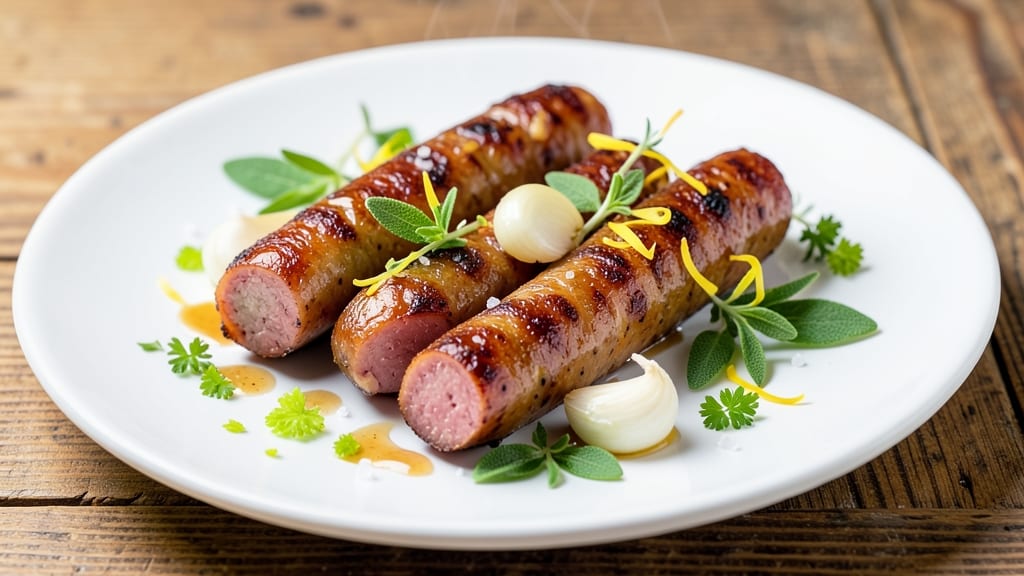
This mild pork sausage recipe delivers juicy, tender bites with just the right herbaceous kick—no overpowering spices here. 🌿 After years of perfecting the balance between seasoning and moisture, I've developed a method that guarantees sausage so good, even picky eaters won't notice it's actually healthy.
The secret lies in the right blend of fresh herbs and careful cooking technique that preserves that signature pink center we all love.
What sets this recipe apart is the simplicity of the seasoning profile—just enough sage, thyme, and parsley to hint at flavor without dominating. I use a combination of ground pork and a touch of fat to ensure each bite stays moist and flavorful, even when cooked through.
The sausage links are shaped by hand (don't worry, it's easier than it sounds) and can be pan-fried, baked, or grilled to your preference.
By the time you're done, you'll have perfectly seasoned sausage with a crispy exterior and juicy pink centers that practically melt in your mouth.
The aroma alone will have everyone gathering around your kitchen, and the versatility means these work just as well in breakfast scrambles as they do on dinner plates. This is the kind of sausage that makes you want to keep a batch in the freezer at all times.
Pair with a fresh herb salad, roasted potatoes, or even as a breakfast sausage patty—these mild pork sausages are the perfect blank canvas for any meal.
The recipe scales easily, so whether you're feeding a family or prepping for a crowd, you'll have perfectly seasoned, tender sausage every time. Let's get cooking!
Ingredients for mild pork sausage
Fresh herbs and simple pantry staples create these juicy, herb-infused pork sausages with perfect pink centers.
| Ingredient | Amount | Notes |
|---|---|---|
| Ground Pork 🐖 | 1 ½ lb | 80/20 fat ratio preferred |
| Fresh Sage Leaves 🌿 | ¼ cup | Finely chopped, stems removed |
| Fresh Thyme Leaves 🌿 | 0.15 cup | Finely chopped, stems removed |
| Fresh Parsley Leaves 🌿 | 0.15 cup | Finely chopped, stems removed |
| Garlic Cloves 🧄 | 3 cloves | Minced, not powdered |
| Fine Sea Salt 🧂 | 1 ½ tsp | Diamond Crystal preferred |
| Freshly Ground Black Pepper 🌶️ | ½ tsp | Not pre-ground |
| Unsalted Butter 🧈 | 2 tbsp | Cold, cubed for binding |
| Ice Water 💧 | ¼ cup | For handling ease |
| All-Purpose Flour 🌾 | ½ cup | For shaping, optional |
| Extra-Virgin Olive Oil 🫒 | 1 tbsp | For pan-frying |
The herbs are everything here—fresh sage, thyme, and parsley from the grocery store's produce section (not dried) give that bright, herbaceous flavor. Whole Foods or Trader Joe's usually have the best selection, but any well-stocked supermarket works. Look for vibrant green leaves—wilting means weaker flavor. The ground pork should have a nice marbling of fat (80/20 ratio)—that's what keeps these sausages juicy. If you can't find that exact blend, regular ground pork will do, but expect slightly drier results. The butter might seem odd, but it's what binds everything together beautifully.
No fresh herbs? Dried will work in a pinch, but use one-third the amount—dried herbs pack more punch. Short on parsley? Cilantro works too, though it has a different vibe. The garlic can be roasted for a sweeter flavor if you're feeling fancy. For the butter, vegan butter works too if you're avoiding dairy. The ice water is key for handling—it keeps the mixture cool and makes shaping easier. If you're baking instead of pan-frying, skip the olive oil and just use a little water to brush the sausages.
These sausages keep beautifully—3 days in the fridge wrapped tightly in parchment, or 3 months in the freezer on a tray before bagging. For best results, cook from frozen (just add 2-3 minutes). I always make a double batch and freeze half—they're perfect for quick breakfasts or last-minute dinner additions. The aroma alone will have your whole house smelling amazing while they cook, so maybe don't make them right before a nap.
Why You'll Love This Recipe
- I’ll be real: fresh herbs intimidate me, but here’s the secret—just tear those sage and thyme leaves right off the stems. No knife skills required, and the flavor? Still hits like a fresh bouquet.
- No-Chop Necessary: I’ll be real: fresh herbs intimidate me, but here’s the secret—just tear those sage and thyme leaves right off the stems. No knife skills required, and the flavor? Still hits like a fresh bouquet.
- Garlic-Sage Magic: That crispy, golden crust on the outside? It’s all the garlic and sage working together—sweet, earthy, and just a little herby. Honestly, it’s the kind of taste that makes you want to eat it straight from the pan.
- Weeknight to Party: Same recipe, endless uses. Pan-sear it for a quick weeknight dinner, or shape into patties for a crowd. My kids even beg for it at potlucks—proof it’s reliable.
Step-by-step instructions for herb-infused pork sausage
Here's how to make sausage with bright herb flavors and juicy pink centers every time.
👨🍳 Step 1: Combine Pork and Herbs
In a large mixing bowl, combine the 1.5 lb ground pork, 0.25 cup chopped fresh sage leaves, 0.15 cup chopped fresh thyme leaves, 0.15 cup chopped fresh parsley leaves, and 3 minced garlic cloves. Use your hands to gently mix everything together until just combined—don't overwork the pork or it'll get tough.
This is where the magic happens. The herbs should be evenly distributed throughout the pork, but you don't want to pulverize them into a paste. Think of it like making meatballs—just until everything comes together. The fresh herbs will infuse the pork with bright, aromatic flavors that keep the sausage mild yet complex.
🥘 Step 2: Season and Add Binding Agents
Add the 1.5 tsp fine sea salt, 0.5 tsp freshly ground black pepper, 2 tbsp cold cubed unsalted butter, and 0.25 cup ice water to the pork mixture. Mix everything together again with your hands, pressing gently to help the butter and water distribute evenly.
The butter adds richness and helps bind the sausage, while the ice water makes the mixture more pliable for shaping. You'll know you've got the right consistency when the mixture holds together when pressed but isn't sticky. If it feels too dry, add another 1 tablespoon of ice water. If too wet, sprinkle in 1 tablespoon of all-purpose flour—just until it comes together nicely.
🍳 Step 3: Shape the Sausage
Divide the sausage mixture into 4 equal portions (about 6 ounces each). Roll each portion into a log shape, about 6 inches long. For a classic sausage look, use your hands to create a slight taper at one end and a rounded tip at the other. If the mixture feels too soft to handle, chill it in the refrigerator for 15-20 minutes before shaping.
This step is all about control. Don't press too hard or the sausage will get dense. The goal is to create uniform logs that will cook evenly. Wrap each shaped sausage in plastic wrap and refrigerate for at least 30 minutes before cooking—this helps them hold their shape and cook more evenly in the pan.
🔥 Step 4: Pan-Fry to Juicy Perfection
Heat 1 tablespoon extra-virgin olive oil in a large skillet over medium heat until shimmering. Add the shaped sausages and cook for 12-15 minutes, turning occasionally, until they're golden brown on all sides and the internal temperature reaches 160°F (use a meat thermometer to check).
Here's the key: don't rush the cooking. You want the sausages to develop a nice crust while staying juicy inside. If they start to brown too quickly, reduce the heat slightly. The sausages are done when they're beautifully browned outside but still pink in the center—this is what makes them so satisfying. Remove from the pan and let them rest for 5 minutes before serving to keep all the juices inside.
Pro Tips For Making Mild Pork Sausage
- CRANK THE HEAT THEN LOWER: I learned this the hard way—start your pan screaming hot before adding the pork. Once the meat loses its raw pink (about 3-4 minutes), drop the heat to medium-low. High heat first seals the juices; low heat finishes without drying it out. (Yes, even if you're impatient like me.)
- CHOP HERBS FINE AND TOAST THEM: Skip the whole sage/thyme leaves—finely chop them (smaller than a dime) so they distribute evenly. Then, in the same pan after browning the pork, toss them in for 30 seconds until fragrant. This releases their oils and cuts that "raw herb" taste. (Your future self will thank you.)
- SALT THE PORK TWICE: Add half the salt when you first mix the pork, then sprinkle the rest after it’s cooked. This keeps the sausage from releasing too much moisture early, which can make it greasy. (I know, I know—it’s an extra step, but it makes a real difference.)
- GARLIC: Mince, Don’t Dice: Coarse diced garlic burns before it flavors. Mince it so fine it’s almost paste-like—this way, it blends in smoothly without turning bitter. Toss it in with the herbs at the end so it doesn’t get a head start on browning. (Sounds weird, but it works: no more garlic chunks.)
Troubleshooting perfect results
Dry Sausage Texture
If your sausages come out dry, it’s usually from overcooking or using lean pork. I’ve seen this happen when people crank the heat too high—medium heat is key for even cooking. For extra moisture, add 1 extra tablespoon of ice water to the mixture.
Also, make sure your pork has at least 20% fat content—this fat renders out during cooking, keeping the sausage juicy. If you’re baking instead of pan-frying, reduce the temperature to 375°F and cook for 20-25 minutes instead of frying. 💧
Sausage Breaking Apart
If your sausages fall apart when cooking, it’s likely because the mixture wasn’t chilled enough before shaping or the binding agents weren’t mixed well. Always refrigerate the shaped sausages for at least 30 minutes before cooking—this helps them hold together.
For extra stability, add 1 tablespoon of all-purpose flour to the mixture if it feels too loose. I also recommend using your hands to gently press the sausage mixture into a tight log, rather than rolling it too loosely. 🍳
Uneven Cooking
Uneven cooking often happens when sausages are different sizes or the pan isn’t hot enough. Use a kitchen scale to divide the mixture into equal 6-ounce portions for consistent cooking. For pan-frying, make sure your skillet is preheated over medium heat until it’s shimmering with oil.
If you notice one side cooking faster, rotate the sausages more frequently. For baking, place them on a wire rack over a baking sheet to allow air circulation on all sides. ✨
Pale or Gray Centers
If your sausages have pale or gray centers, they’ve likely been overcooked or didn’t reach a safe internal temperature. Use a meat thermometer to check for 160°F—this is the safe minimum for pork. For juicy pink centers, aim for 155°F if you prefer them slightly underdone.
If you’re baking, reduce the time by 2-3 minutes and check early. The butter in the mixture helps retain moisture, but don’t skip the ice water—it’s what keeps the sausage tender. 🌡️
Herb Flavor Too Strong
If the herb flavor is overpowering, it’s likely because the herbs weren’t chopped finely enough or the mixture was overworked. Finely chop the fresh sage, thyme, and parsley into tiny pieces—almost like a paste. Also, mix the herbs into the pork just until combined, not until they’re fully incorporated.
For a milder flavor, reduce the herbs by 10-15% next time. If you’re using dried herbs, stick to one-third the amount of fresh herbs. 🌿
Nutrition facts
Frequently asked questions
Can I make this sausage without fresh herbs?
Use 1/3 the amount of dried herbs instead (about 1/4 tsp dried sage, 1/8 tsp dried thyme, and 1/8 tsp dried parsley). For best results, toast the dried herbs in a dry pan for 30 seconds to release their oils before mixing. The flavor won't be as vibrant, but it'll still be delicious and perfectly mild.
How do I store these sausages before cooking?
Wrap cooked sausages tightly in parchment paper and store in the fridge for up to 3 days. For freezing, place shaped sausages on a tray, freeze until solid, then transfer to a freezer bag for up to 3 months. Thaw overnight in the fridge before cooking. Never refreeze thawed sausages.
What's the best way to cook these sausages if I don't have a skillet?
Try baking at 375°F for 20-25 minutes on a wire rack over a baking sheet. For grilling, cook over medium heat for 10-12 minutes, turning frequently. The key is to avoid high heat which can dry them out. A cast iron Dutch oven also works beautifully for batch cooking.
Can I use this sausage in pasta dishes?
Yes! These mild sausages work perfectly in Italian dishes. Slice them into 1/4-inch rounds and brown in olive oil before adding to your pasta sauce. Or crumble them into your sauce for a meatier texture. The herb flavors complement tomato-based sauces beautifully while keeping the dish mild.
Why does your recipe use butter?
The butter acts as a natural binder and adds richness that helps keep the sausages juicy. It also helps distribute the fat evenly throughout the mixture. For a dairy-free version, use 2 tbsp cold coconut oil instead—it works just as well for binding while keeping the mild flavor profile.