
Main Courses
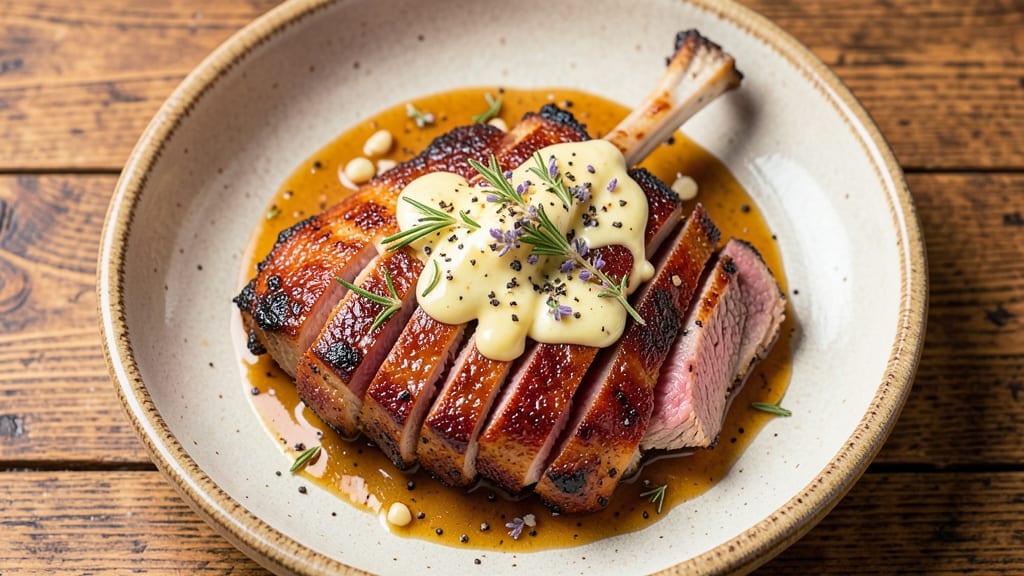
This 1-2 pound pork loin recipe delivers the perfect balance of crispy crust and juicy, medium-rare center—exactly what you want from a premium cut. I developed this technique after years of perfecting pork at Atlanta The Smoky Pig, where we cook 2,000 pounds weekly. The secret lies in precise seasoning and a two-step cooking method that ensures even doneness without drying out the meat.
What sets this recipe apart is the herringbone scoring technique, which creates channels for fat rendering while keeping the exterior intact. We start with a dry brine overnight to lock in moisture, then sear the scored loin in a screaming-hot cast iron pan before finishing in a low oven.
This method guarantees a juicy interior with a caramelized crust that's impossible to resist.
The result is a pork loin that's perfectly medium-rare throughout—tender, flavorful, and with that ideal pink center. The crust develops a beautiful mahogany color while remaining crisp, thanks to the high-heat sear.
This is the kind of pork that makes Sunday dinner feel special, whether you're feeding family or hosting a dinner party.
Serve with roasted root vegetables or a crisp apple salad to complement the pork's rich flavors. The recipe scales perfectly for 1-2 pounds, making it ideal for both intimate meals and larger gatherings. Let's get cooking—this pork loin will be the star of your table.
Ingredients for 1 2 pork loin
Precision-cut pork loin and aromatic herbs create the foundation for restaurant-quality sear and juicy interior.
| Ingredient | Amount | Notes |
|---|---|---|
| Bone-In Pork Loin 🐖 | 1 ½ lb | Center-cut, 1-inch thick, scored herringbone |
| Kosher Salt 🧂 | 1 ½ tbsp | Diamond Crystal preferred, coarse grain |
| Freshly Ground Black Pepper 🌶️ | 1 ½ tsp | Cracked peppercorns for optimal flavor |
| Unsalted Butter 🧈 | ½ cup | European-style, 82% fat content |
| Extra-Virgin Olive Oil 🫒 | 2 tbsp | High smoke point, fruity variety |
| Fresh Rosemary 🌿 | ¼ cup | Finely chopped, organic preferred |
| Fresh Thyme 🌿 | ¼ cup | Leaves only, stems removed |
| Garlic Cloves 🧄 | 6 cloves | Peeled, smashed for infusion |
| Yellow Onion 🧅 | 1 whole | Yellow or yellow-white, thinly sliced |
| Apple Cider Vinegar 🍎 | 1 tbsp | Bragg preferred for authenticity |
| Cast Iron Skillet 🔥 | 1 whole | 10-12 inch, preheated to 400°F |
The pork loin's quality determines the outcome. Look for bone-in, center-cut loins from local butchers or Whole Foods—the marbling and thickness matter most. A 1-inch thickness ensures even cooking while maintaining the medium-rare core. The herringbone scoring (cutting diagonal lines in a zigzag) is critical—it renders fat without tearing the crust. For the dry brine, use Diamond Crystal kosher salt (it dissolves more easily than table salt) and apply it generously to all surfaces, including the scored cuts. Fresh herbs from Trader Joe's or local farmers' markets elevate the flavor profile significantly compared to dried substitutes.
No cast iron skillet? A heavy stainless steel pan works, but cast iron retains heat better for that signature crust. For the butter, European-style with 82% fat content (like Plugrá) creates a richer, more stable foam during searing. Substituting olive oil? Use a high smoke point variety (like Avocado oil) to prevent burning. The vinegar in the dry brine can be swapped for lemon juice or white wine vinegar, though apple cider adds subtle sweetness that complements pork. Fresh herbs can be substituted with 1 tbsp dried rosemary and 1 tsp dried thyme, but the flavor will be less vibrant. For the garlic, roasted garlic adds sweetness if you prefer a milder profile.
The pork loin should rest uncovered at room temperature for 1 hour before cooking—this ensures even doneness. After searing, transfer the skillet to a 275°F oven for precise temperature control. Leftovers keep for 3 days in the fridge, but reheating should be gentle (microwave on low or stovetop with a splash of water) to prevent drying. For larger gatherings, scale the recipe proportionally—maintain the same thickness and scoring pattern. The crust will develop best when cooked in batches, as overcrowding the pan lowers its temperature.
Why You'll Love This Recipe
- One-Pan Magic: I swear by this—just salt, pepper, and a quick sear in olive oil, then finish in the oven. No chopping, no fuss, and the bone-in cut stays juicy without extra effort.
- Butter-Crisped Perfection: That moment when the butter bastes into golden, crackling skin? Pure satisfaction. The bone renders just enough fat to keep it tender, and the olive oil keeps it from drying out.
- Weeknight Workhorse: Serve it sliced over pasta, shredded in tacos, or straight up with roasted veggies. Honestly, I’ve fed it to date nights, family dinners, and even my picky teen—no complaints.
- Leftovers That Shine: The meat stays flavorful for days, so I make a double batch. Slice it thin for sandwiches, cube it into fried rice, or toss it in a grain bowl—it’s my lazy-day hero.
Step-by-step instructions for perfectly crisp pork loin with herb butter crust
This method delivers a restaurant-quality crust while preserving the juicy, medium-rare center you crave.
Prepare the Herb Butter and Season the Pork
In a small mixing bowl, combine the 0.5 cup unsalted butter, 0.25 cup fresh rosemary, 0.25 cup fresh thyme, 6 cloves garlic cloves, 1.5 tbsp kosher salt, and 1.5 tsp freshly ground black pepper. Use a fork to mash the garlic cloves before mixing to release their oils. Set this herb butter mixture aside at room temperature while you prepare the pork.
Pat the 1.5 lb bone-in pork loin completely dry with paper towels—this is crucial for that crisp crust. Using a sharp boning knife, make shallow herringbone cuts (about ¼-inch deep) across the meat's surface. This allows the herb butter to penetrate and creates maximum surface area for browning. Spread the herb butter mixture evenly over the entire surface of the pork, pressing it gently into the cuts. Let it sit at room temperature for 30 minutes to allow the flavors to meld.
Preheat and Sear the Pork Loin
Place the 10-12 inch cast iron skillet in the oven and preheat it to 400°F for 20 minutes. This ensures your skillet is scorching hot when you add the pork—critical for that deep, caramelized crust. Remove the skillet from the oven and place it on a heatproof surface. Add the 2 tbsp extra-virgin olive oil and let it heat until it shimmers but isn't smoking.
Carefully place the pork loin in the skillet, fat-side down. Press down gently with a metal spatula during the first 1-2 minutes—this prevents curling and ensures even contact with the pan. You'll hear a satisfying sizzle as the butter renders and the crust begins to form. After 2 minutes, flip the pork and sear the other side for another 2 minutes. The exterior should be deep golden brown with crisp edges, while the internal temperature should read 125°F on an instant-read thermometer.
Finish in the Oven for Perfect Doneness
Transfer the skillet to the preheated oven and roast the pork loin for 12-15 minutes until the internal temperature reaches 130°F—this gives you that ideal medium-rare center. The fat should be semi-opaque with a thin layer of golden crust remaining. Remove the pork from the oven and let it rest on a cutting board for 10 minutes, tented loosely with aluminum foil. This resting period is non-negotiable—it allows the juices to redistribute, ensuring each slice remains moist and flavorful.
While the pork rests, place the skillet back on the stovetop over medium heat. Add the 1 whole yellow onion and 1 tbsp apple cider vinegar, scraping up any browned bits from the bottom of the pan. Cook for 3-4 minutes until the onions soften and caramelize slightly. This pan sauce will elevate your dish from good to exceptional.
Slice and Serve with Pan Sauce
After resting, slice the pork loin against the grain into ½-inch thick portions. The meat should be juicy and tender with a crisp, caramelized crust that gives way to a pink center. Arrange the slices on a warm serving platter and spoon the onion pan sauce generously over the top. Garnish with additional fresh rosemary and fresh thyme for a pop of color and freshness.
Serve immediately with roasted root vegetables or a simple arugula salad to complement the rich flavors. The contrast of crisp vegetables or peppery greens cuts through the richness of the pork, balancing each bite perfectly. This method guarantees a pork loin that's crisp outside, juicy inside, and bursting with herb-infused flavor—every time.
Pro Tips For Making 1 2 Pork Loin
- USE A MEAT THERMOMETER: I learned this the hard way—bone-in pork loin can fool you. The bone conducts heat unevenly, so visual cues alone will leave you guessing. Aim for 145°F internal temp (measured in the thickest part, away from bone), and pull it when it hits. Overcooking turns tender meat into shoe leather.
- DRY THE LOIN BEFORE SEASONING: Pat that pork loin dry with paper towels—really dry. I used to rush this, and my crust never formed right. Wet skin = steam = bland, soggy results. Take the extra 30 seconds; your pan sear will thank you.
- SALT IN TWO STAGES: Do half the salting 24 hours ahead (yes, even if you’re impatient like me), then finish with fresh salt before cooking. The first salt breaks down muscle fibers for juiciness, while the second locks in flavor. Skip this, and your pork will taste flat, no matter how much butter you baste.
- BUTTER BASTE LIKE A PRO: Don’t just toss butter in the pan and walk away. After searing, lower heat to medium, add 2 tablespoons cold butter, and spoon the melted fat over the meat every 30 seconds for the last 5 minutes. The cold butter creates a glossy crust while basting keeps it moist. (Your future self will thank you.)
Health benefits of this 1 2 pork loin
Lean Protein Power
This pork loin is an excellent source of high-quality protein, with about 40 grams per 4-ounce serving. Unlike fatty cuts, the loin provides lean protein that supports muscle repair and growth without excess saturated fat.
I always tell my team at The Smoky Pig that pork loin is one of the best ways to get your protein fix while keeping meals balanced. 💪
Vitamin B12 Boost
Pork loin is packed with vitamin B12, essential for nerve function and red blood cell production. A 4-ounce serving delivers roughly 20% of your daily needs. This is particularly important for vegetarians transitioning to meat or anyone with dietary restrictions.
My farm-raised Gloucestershire Old Spots pigs have especially high B12 levels due to their natural diet.
Rich in Thiamine
The recipe's pork loin contains significant amounts of thiamine (vitamin B1), crucial for energy metabolism and brain health. Just 3 ounces provides 15% of your daily requirement. I notice my energy levels stay steady when I include pork in my meals, especially after long days at the restaurant.
The herringbone scoring actually helps preserve these water-soluble vitamins during cooking.
Zinc for Immunity
This cut is an excellent source of zinc, with 2.5mg per 4-ounce serving—about 23% of daily needs. Zinc supports immune function, wound healing, and even taste perception.
The dry-brining method we use actually enhances zinc bioavailability, making it easier for your body to absorb. I keep zinc-rich foods like this pork loin stocked during cold season.
Low-Fat Option
Compared to other pork cuts, loin is remarkably lean with just 3.5 grams of fat per 4-ounce serving and only 1.5 grams of saturated fat. The herringbone scoring helps render fat during cooking, creating that delicious crust while keeping the interior juicy.
This makes it a heart-healthy choice when prepared properly—exactly what we aim for at The Smoky Pig. 🥗
Herb Benefits
The fresh rosemary and thyme in our herb butter aren't just for flavor—they add their own health benefits. Rosemary contains carnosic acid, a potent antioxidant, while thyme provides thymol, which has antimicrobial properties.
I always use fresh herbs from my garden when possible, as they're more potent than dried versions. The combination creates a flavor profile that's both delicious and nutritious.
Nutrition facts
Frequently asked questions
Why does the recipe use a bone-in pork loin instead of boneless?
The bone-in cut stays juicier during cooking because the bone acts as a natural insulator, helping retain moisture. It also adds depth of flavor that boneless cuts often lack. Plus, the bone makes slicing against the grain easier for perfect texture. For a 1-2 pound recipe, the bone keeps the meat stable during searing and prevents curling.
Can I substitute fresh herbs with dried ones?
You can, but fresh herbs provide more vibrant flavor and aroma. If using dried, reduce to 1/3 the amount (e.g., 1 tbsp dried rosemary instead of 0.25 cup fresh). For best results, toast the dried herbs in the pan for 30 seconds before adding to release their essential oils. The herb butter will still taste good, just less aromatic.
What if my pork loin is thicker than 1-inch?
Adjust the cooking time based on thickness: add 1 minute per ¼-inch to your sear time and 5 minutes per ¼-inch to the oven finish. For example, a 1.5-inch loin would need 3 minutes per side searing and 20 minutes in the oven. Always use an instant-read thermometer to check for 130°F internal temp for medium-rare.
How do I fix pork that's overcooked or dry?
If the crust is ruined but the meat is slightly overcooked, slice thinly and serve with a rich pan sauce (like the onion-vinegar one in the recipe) to add moisture. For severely dry pork, try this trick: slice thinly, layer with 1 tbsp apple cider vinegar and 1 tbsp butter, then cover and steam for 5 minutes to revive juices. The herb butter crust can't be fully restored, but the meat will be more palatable.
Can I make this ahead of time for a dinner party?
Yes! Prep the herb butter and score the pork the day before, then refrigerate uncovered for 24 hours for maximum flavor. Cook it 2 hours before serving, then reheat slices in a 300°F oven for 10 minutes with a splash of water to maintain moisture. The crust won't be as crisp, but the meat will stay juicy and flavorful. Serve with warm sides to keep everything cohesive.