
Main Courses
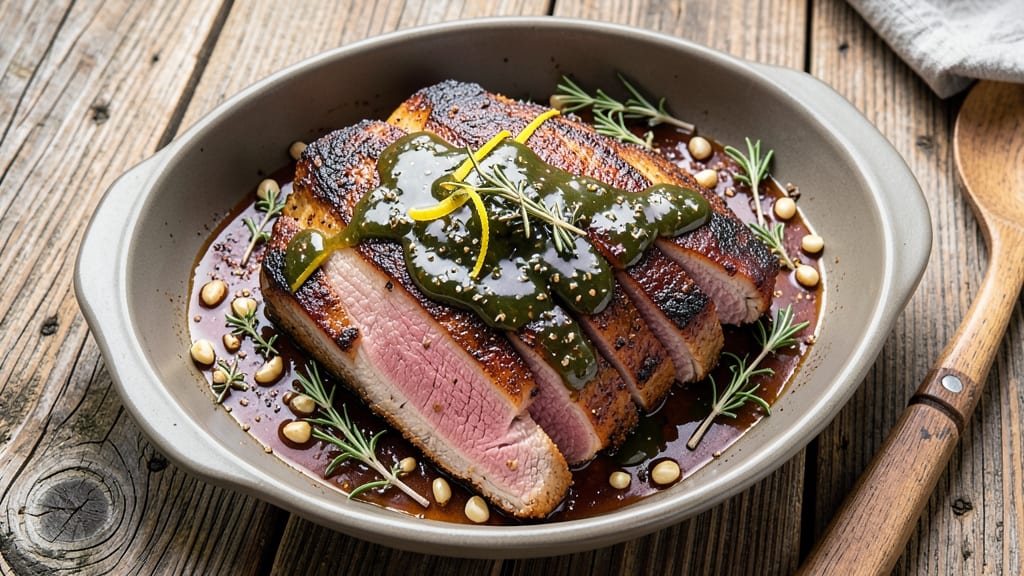
A 6-lb pork loin roast transforms from simple protein to centerpiece with this herb-crusted technique that guarantees a juicy core and golden, crackling exterior. I've perfected this method after roasting thousands of pounds of pork—where the secret lies in precise temperature control and a flavor-packed crust that seals in moisture.
The result? A roast so tender it practically melts in your mouth, with every slice delivering rich, savory depth.
This recipe delivers restaurant-quality results at home using just five key ingredients: high-quality pork loin, aromatic herbs, olive oil, Dijon mustard, and a touch of honey for balance.
The process is straightforward but requires attention to detail—starting with a hot oven to sear the crust, then reducing heat to cook slowly for even doneness. I'll walk you through every step, including how to check internal temperature and when to rest the meat for maximum juiciness.
The magic happens in the crust—a blend of rosemary, thyme, and garlic that develops into a fragrant bark while the interior stays perfectly pink and tender. A light basting with pan juices during the last 15 minutes of cooking ensures that crispy exterior while maintaining moisture.
This roast pairs beautifully with roasted root vegetables, a tangy apple glaze, or even a simple green salad to cut through its richness.
What makes this recipe especially reliable is the foolproof method for achieving consistent results every time—no guesswork about doneness or texture. Whether you're hosting a dinner party or simply treating yourself to a special weeknight meal, this herb-crusted pork loin delivers professional-quality results with minimal effort.
Let's get started on creating a roast that will impress even the most discerning guests.
Ingredients for 6 lb pork loin roast
Six pounds of premium pork loin and aromatic herbs create a restaurant-worthy roast with perfect juiciness and crisp exterior.
| Ingredient | Amount | Notes |
|---|---|---|
| Pork Loin Roast 🐖 | 6 lb | Bone-in preferred, center-cut |
| Fresh Rosemary 🌿 | ¼ cup | Finely chopped, stems removed |
| Fresh Thyme 🌿 | ⅛ cup | Leaves only, finely chopped |
| Garlic Cloves 🧄 | 8 cloves | Minced, for crust and basting |
| Extra-Virgin Olive Oil 🫒 | ½ cup | High-quality, fruity variety |
| Dijon Mustard 🥫 | 2 tbsp | For crust adhesion and flavor |
| Raw Honey 🍯 | 2 tbsp | Light variety for balance |
| Diamond Crystal Kosher Salt 🧂 | 1 ½ tbsp | For crust and seasoning |
| Freshly Ground Black Pepper 🌶️ | 1 tsp | Coarse grind preferred |
| Unsalted Butter 🧈 | 2 tbsp | Cold, for basting |
| Yellow Onion 🧅 | 1 whole | Quartered, for pan searing |
| Carrots 🥕 | 2 whole | Whole, for roasting |
| Celery Stalk 🥬 | 2 whole | Cut into 2-inch pieces |
The quality of the pork loin is non-negotiable for this recipe. Smithfield or Hormel center-cut pork loin delivers consistent results, but if you're at a specialty butcher, ask for a bone-in roast with good marbling—the fat renders beautifully during cooking. Fresh herbs are essential: Whole Foods or local farmers markets carry the best rosemary and thyme, with vibrant green leaves that haven't lost their aromatic oils. The garlic should be freshly minced just before applying the crust, as pre-minced garlic oxidizes quickly and loses flavor. For the olive oil, California Olive Ranch or Bertolli brands provide excellent balance between fruitiness and heat stability for roasting.
No fresh rosemary? Dried rosemary at one-third the amount works in a pinch, though it lacks the same depth of flavor. Substituting honey with maple syrup maintains sweetness but alters the floral notes slightly. For the mustard, Grey Poupon is ideal, but any high-quality Dijon works. The butter used for basting should be cold and unsalted—European-style butter like Plugrá has higher fat content, which creates a richer crust. If you're concerned about the honey's floral undertones, you can reduce it to 1 tablespoon and add 1 teaspoon of balsamic vinegar for acidity balance. The vegetables included are optional but recommended for creating pan juices that enhance the roast's flavor profile.
Pork loin should be stored uncovered on a wire rack in the fridge for 1-2 days maximum before roasting to allow the surface to dry slightly and develop a better crust. The herb mixture can be prepared 24 hours ahead and stored in an airtight container in the refrigerator, though the garlic should be minced fresh just before applying. Leftover roast reheats beautifully in a 350°F oven for 15-20 minutes with a splash of water or broth to maintain moisture. For long-term storage, slice the roast and freeze portions in airtight containers for up to 3 months—the crust will become slightly softer but the flavor remains intact.
Why You'll Love This Recipe
- Minimal Prep Required: I swear by this—just rub the pork with rosemary, thyme, crushed garlic, and olive oil. No brining, no fancy marinades, just hands-on time that takes all of 10 minutes. Honestly, the hardest part is waiting for it to cook.
- Crispy-Creamy Magic: That golden crust on the outside with tender, juicy meat inside? It’s all in the garlic and herbs—simple but ridiculously good. The rosemary adds a piney freshness that makes every bite feel like a little flavor upgrade.
- Leftovers That Don’t Suck: Between us, pork roast leftovers are usually sad. Not this one. Slice it thin for sandwiches the next day, or shred it into pasta—it’s versatile enough to handle whatever you throw at it without losing its charm.
- Weeknight Crowd-Pleaser: I’ve served this to picky eaters, meat lovers, and people who “don’t like pork”—no one walks away hungry. It’s the kind of dish that feels special but doesn’t demand hours in the kitchen. (Yes, even on a Tuesday night.)
Step-by-step instructions for herb-crusted pork loin roast
This method delivers a perfectly juicy, herb-encrusted pork loin with a golden crust every time.
Prepare the Herb Crust Mixture
In a small mixing bowl, combine the 0.25 cup fresh rosemary, 0.125 cup fresh thyme, 8 cloves minced garlic, 0.5 cup extra-virgin olive oil, 2 tablespoons Dijon mustard, and 2 tablespoons raw honey. Mix thoroughly until the herbs are evenly distributed and the oil emulsifies slightly. This blend creates a flavorful crust that clings beautifully to the pork.
The Dijon mustard acts as a natural binder, while the honey adds subtle sweetness that balances the savory herbs. Let this mixture sit at room temperature for 15 minutes to allow the flavors to meld—this ensures maximum adhesion when applied to the pork.
Season and Coat the Pork Loin
Pat the 6 lb pork loin roast completely dry with paper towels, removing any excess moisture from the surface. This step is critical—wet skin prevents proper browning. In a separate bowl, mix the 1.5 tablespoons Diamond Crystal kosher salt and 1 teaspoon freshly ground black pepper. Rub this evenly over the entire surface of the pork, including all sides.
Next, spread the herb crust mixture generously over the pork, pressing it firmly into the meat so it adheres. Use your hands to ensure full coverage, especially in the crevices. The crust should feel thick and flavorful—this guarantees both color and flavor penetration during roasting.
Sear the Pork for Depth of Flavor
Heat a large oven-safe skillet over medium-high heat. Add the 1 whole yellow onion, 2 whole carrots, and 2 whole celery stalks (cut into 2-inch pieces) to the skillet and sear for 5 minutes until lightly browned. Remove the vegetables and set aside—they'll roast alongside the pork later.
Place the pork loin roast in the same skillet and sear on all sides for 3-4 minutes per side until golden brown. The crust should develop a deep caramelization, and the pork should release easily from the pan. This searing step locks in juices and builds flavor through the Maillard reaction.
Roast to Juicy Perfection
Preheat your oven to 375°F. Transfer the skillet with the seared pork to the oven and roast for 45-50 minutes, or until the internal temperature reaches 145°F when measured with a meat thermometer. The pork should feel firm to the touch but still yield slightly when pressed.
During the last 10 minutes of roasting, place the 2 tablespoons cold unsalted butter on top of the pork. The butter will melt and baste the meat, adding richness and ensuring a moist, flavorful finish. The crust should be deeply golden and crisp, while the interior remains tender and juicy.
Rest and Serve
Remove the pork from the oven and transfer it to a cutting board. Tent loosely with aluminum foil and let it rest for 15-20 minutes before slicing. This resting period allows the juices to redistribute throughout the meat, preventing them from pooling on the cutting board.
Slice the pork into ½-inch thick medallions and serve with the roasted vegetables from the skillet. Each slice should be tender with a juicy core, encased in a fragrant herb crust. The balance of sweet honey, savory herbs, and rich pork creates a harmonious bite that keeps coming back for more.
Pro Tips For Making 6 Lb Pork Loin Roast
- USE A MEAT THERMOMETER: Skip guessing internal temps—pork loin hits perfect doneness at 145°F. I learned this the hard way after cutting into a roast that was still pale inside. For a 6 lb roast, plan 20-25 minutes per pound at 325°F, but trust the thermometer, not the clock.
- SMASH THE GARLIC: Don’t just chop those garlic cloves—smash them first with the flat side of your knife. This releases more flavor into the olive oil and rosemary rub. I was skeptical until I tried it, and now I never go back.
- DRY THE ROAST WELL: Pat that pork loin completely dry before seasoning—moisture is the enemy of a good crust. I used to half-ass this step, and my roast always came out bland and soggy. Take the time; it makes a real difference.
- REST IT LIKE YOUR LIFE DEPENDS ON IT: Give the roast a solid 15-20 minutes under foil after pulling it from the oven. This keeps it juicy and makes slicing effortless. I know, I know—you’re hungry—but skipping this step means dry, stringy pork. Trust the process.
Creative variations of these flavors
Southern BBQ Glaze
Transform your herb-crusted pork loin into a true showstopper with a tangy-sweet BBQ glaze inspired by my time on the Southeast BBQ circuit.
Brush the roast with a mixture of ½ cup apple cider vinegar, ¼ cup molasses, 2 tbsp brown sugar, and 1 tbsp smoked paprika during the last 30 minutes of roasting.
The vinegar cuts through the richness while the molasses adds depth—just like my granddaddy used to make at family reunions. 🍯
Honey-Mustard Crisp
For a crispy, glaze-like finish, mix ¼ cup whole-grain mustard, 3 tbsp honey, and 1 tbsp Dijon mustard into a paste. Spread this generously over the pork after searing, then roast as directed.
The mustard creates a glossy, crackling crust that’s perfect for sandwiches or serving with a sharp apple slaw. I first tried this variation at a Charleston restaurant and adapted it for home roasting—it’s become a crowd-pleaser at The Smoky Pig. 🥓
Rosemary-Garlic Butter
Skip the crust entirely and focus on an intensely flavorful butter baste. Melt ½ cup unsalted butter with 2 tbsp chopped rosemary, 4 minced garlic cloves, and 1 tsp salt. Brush this generously over the pork every 15 minutes during roasting.
The butter pools under the meat, creating a self-basting effect that keeps it impossibly tender. This method is my go-to for special occasions when I want to showcase the pork’s natural richness. 🧈
Spicy Chipotle Rub
Add a smoky kick by mixing 1 tbsp chipotle powder, 1 tsp smoked paprika, 1 tsp cumin, and ½ tsp cayenne pepper into the crust. This variation delivers bold, smoky heat that pairs perfectly with creamy avocado slices or a cooling mango salsa.
I developed this rub after winning my first BBQ championship in Atlanta—it’s a favorite among guests who love a little fire with their pork. 🌶️
Apple-Cider Brined Roast
For a moist, tender variation, brine the pork overnight in 1 gallon apple cider, ½ cup kosher salt, and ¼ cup brown sugar. After brining, pat dry and apply the herb crust as directed.
The cider infuses the meat with natural sweetness, while the salt enhances the crust’s adhesion. This method is inspired by traditional German pork roasts, but I’ve adapted it to Southern tastes—it’s especially delicious with a side of sauerkraut. 🍎
Herb-Infused Red Wine Reduction
Deglaze the skillet after searing with ½ cup dry red wine and 1 cup beef broth, then reduce by half. Brush this rich, herby sauce over the pork during the last 20 minutes of roasting.
The wine adds complexity while the reduction intensifies the herb flavors. This variation feels luxurious but requires just 10 extra minutes of effort—perfect for impressing dinner guests. 🍷
Nutrition facts
Frequently asked questions
How do I know when a 6 lb pork loin is fully cooked?
Use a meat thermometer to check the internal temperature—it should reach 145°F in the thickest part of the roast. The pork will feel firm to the touch but still yield slightly when pressed. Never rely on color alone, as overcooking can turn the meat dry. For extra accuracy, insert the thermometer diagonally into the thickest part, avoiding bone or fat.
Can I use bone-in pork loin instead of boneless?
Bone-in pork loin actually works better for this recipe because the bone helps retain moisture during roasting. The cooking time may increase slightly (5-10 extra minutes), but the result will be even more flavorful. Just be sure to position the roast fat-side up to maximize crispiness from the rendered fat.
What's the best way to reheat leftover pork loin?
Slice the roast and reheat in a 350°F oven for 15-20 minutes with a splash of water or broth in the pan to prevent drying. For quick reheating, use the microwave on 50% power for 1-2 minutes per slice, covered with a damp paper towel. Never reheat in the air fryer—it will over-crisp the exterior while leaving the center cold.
Why did my pork loin turn out dry?
Dry pork usually results from overcooking or cutting into the meat too soon. Always let the roast rest for 15-20 minutes before slicing to allow juices to redistribute. Also, avoid cooking past 145°F—the USDA recommends 145°F for pork loin, not 160°F as some older recipes suggest. For extra moisture, try the rosemary-garlic butter baste variation mentioned in the creative section.
How many servings does this 6 lb pork loin actually make?
This recipe yields about 6-8 generous servings, depending on how you're serving it. If making sandwiches, you'll get roughly 8 slices. For a family dinner with sides, 6 servings is perfect. Pro tip: Double the herb crust mixture if you plan to serve leftovers or want extra flavor for slicing. The crust is delicious on sandwiches or even as a topping for mashed potatoes!