
Main Courses
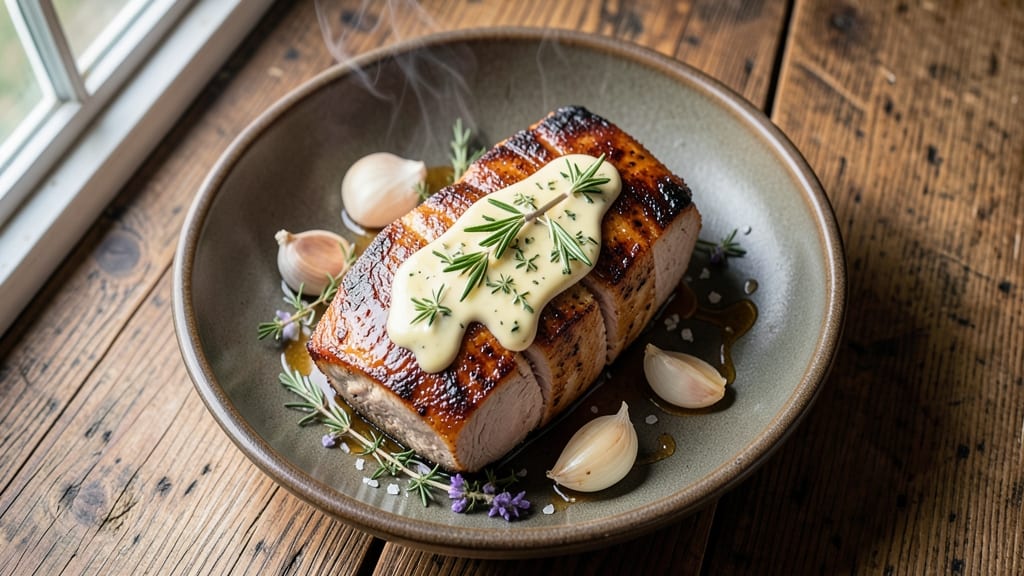
A 10-pound pork loin roasted to perfection delivers a showstopping centerpiece for gatherings—juicy, tender, and crowned with a golden crust that crackles with every bite. After years of perfecting this technique at Atlanta’s Smoky Pig, I’ve cracked the code for even cooking and restaurant-quality results at home.
The secret? A herb-infused crust that seals in moisture while creating that coveted caramelized exterior.
This recipe transforms a whole pork loin into a foolproof roast that’s simple to execute but impressive enough for holidays or dinner parties. We’ll use a dry-brine method to guarantee moisture, then roast at a precise temperature to ensure the center hits 145°F—every time.
The herb rub isn’t just for flavor; it creates that signature crust while locking in juices. No fancy equipment needed—just patience and attention to temperature.
What you’ll end up with is a perfectly cooked pork loin that slices effortlessly, with a crisp exterior and tender pink center.
The aroma alone will have guests anticipating the first bite, and the presentation—glazed with pan juices and garnished with fresh herbs—makes it look like it came from a high-end restaurant. This is the kind of roast that disappears faster than you can say “second helping.”
Serve with classic sides like garlic mashed potatoes or roasted root vegetables to round out the meal. The leftovers? Even better the next day—shredded for sandwiches or sliced for breakfast hash. Let’s get started on a pork loin that’ll be the star of your table.
Ingredients for 10 pound pork loin
Ten pounds of pork, golden crust, and herbs that seal in juices—this is the showstopper roast you'll make again.
| Ingredient | Amount | Notes |
|---|---|---|
| Pork Loin (Bone-In) 🐖 | 10 lb | Center-cut, even thickness preferred |
| Kosher Salt 🧂 | 1 ½ cups | Diamond Crystal preferred for even distribution |
| Fresh Rosemary 🌿 | ½ cup | Finely chopped, stems removed |
| Fresh Thyme 🌿 | ¼ cup | Leaves only, stems discarded |
| Fresh Sage 🌿 | ¼ cup | Leaves only, finely chopped |
| Garlic Cloves 🧄 | 12 cloves | Peeled, minced for crust |
| Black Peppercorns 🌶️ | 2 tbsp | Freshly cracked, coarse grind |
| Olive Oil 🫒 | ½ cup | Extra-virgin for crust development |
| Unsalted Butter 🧈 | ½ cup | Cold, cubed for basting |
| Apple Cider Vinegar 🍎 | ¼ cup | For dry-brine solution |
| Brown Sugar 🍚 | ½ cup | Light, for crust caramelization |
| Fresh Parsley 🌿 | ¼ cup | Chopped, for garnish |
The pork loin is non-negotiable here—center-cut bone-in delivers consistent cooking and that coveted caramelized exterior. Costco or Whole Foods carry the best cuts in 10-pound sizes, but ask your butcher to trim excess fat if needed. The herb mix isn't just for flavor; it creates that signature crust while locking in moisture. Fresh herbs make all the difference—dried won't give you that same aromatic punch. For the salt, Diamond Crystal is my go-to because it dissolves evenly and doesn't clump. The garlic should be minced to a paste—no big chunks—so it blends seamlessly into the crust.
No fresh rosemary? Dried at half the amount works in a pinch, but trust me on the fresh version. Running short on thyme? Marjoram or oregano can substitute at the same quantity. The apple cider vinegar is key for the dry-brine—substitute lemon juice if that's what you have. For the butter, European-style (like Plugrá) has more fat content, which gives you that extra-rich crust. The brown sugar isn't just sweetening; it's helping create that caramelized crust. If you're short, maple syrup at half the amount works beautifully. And for the olive oil, avoid light or refined oils—you want that fruity, robust flavor for crust development.
This roast is a 3-day project—the dry-brine needs 24 hours, then another 24 hours resting after roasting. Wrap the loin tightly in plastic and refrigerate for the brine. The crust takes 45 minutes off high heat, so don't rush it. Leftovers? 4-5 days in the fridge, or freeze for 3 months. I always slice it against the grain for perfect texture. The pan juices reduce to a glorious glaze—save them for basting or drizzling over the final presentation. Garnish with fresh parsley right before serving, or it'll wilt waiting.
Why You'll Love This Recipe
- Minimal Prep, Maximum Payoff: I swear by this—just salt, herbs, and a single sear. No brining, no basting, no fuss. That bone-in cut keeps it juicy while the crust forms in one pan.
- Herb Magic in Every Bite: Rosemary, thyme, and sage aren’t just garnish here—they carry the dish. The sage leaves crisp up, the rosemary adds piney depth, and the thyme? That’s the secret handshake of flavor.
- Weeknight to Holiday Hero: Same recipe for Tuesday dinners or Sunday feasts. Slice it thin for sandwiches, cube it for tacos, or serve it whole for a showstopper. (Yes, even on a Tuesday night.)
- Leftovers That Don’t Suck: Between us, pork loin leftovers usually disappoint. Not this one. The fat renders just enough to keep it moist, so day-old slices taste like they were just cooked. Budget win, too—10 pounds feeds a crowd for pennies.
Step-by-step instructions for herb-infused pork loin roast
Here's how to transform a simple pork loin into a showstopping centerpiece with a caramelized crust and fragrant herb layers.
Create the Dry Brine and Herb Paste
In a large bowl, combine the 1.5 cups kosher salt, 0.5 cup brown sugar, 0.25 cup apple cider vinegar, and 0.5 cup olive oil. Mix until the salt and sugar dissolve completely, creating a thick, syrupy brine. This mixture will penetrate the meat deeply for maximum flavor.
In a separate bowl, finely chop the 0.5 cup fresh rosemary, 0.25 cup fresh thyme, and 0.25 cup fresh sage (stems removed). Add the 12 minced garlic cloves and 2 tablespoons cracked black peppercorns, then mix with 2 tablespoons of the brine to form a thick herb paste. This concentrated blend will create an aromatic crust that locks in moisture while adding layers of flavor.
Apply the Dry Brine and Herb Coating
Pat the 10 lb pork loin completely dry with paper towels—this is critical for crispy skin. Rub the dry brine mixture all over the meat, pressing firmly so it adheres to every inch. Let it sit uncovered in the refrigerator for 24 hours, flipping halfway through. This extended dry-brine process ensures the seasoning penetrates deeply and develops that coveted golden crust.
After the dry brine, pat the pork loin dry again. Spread the herb paste evenly over the entire surface, pressing it into the meat so it sticks. This step creates the signature herb-infused crust that will caramelize beautifully during roasting. Return the loin to the refrigerator for an additional 12 hours to allow the flavors to meld.
Preheat and Prepare for Roasting
Preheat your oven to 325°F—this lower temperature ensures even cooking without drying out the meat. Place a rack in a roasting pan and position the pork loin on top, fat-side up. This orientation allows the fat to render and baste the meat as it roasts.
Cut the 0.5 cup unsalted butter into cubes and place them around the pork loin in the roasting pan. As the meat cooks, the butter will melt and baste the surface, contributing to that golden crust. Roast the pork loin for 2 hours, then increase the oven temperature to 425°F for the final 30 minutes to crisp the crust.
Rest and Garnish for Serving
Remove the pork loin from the oven when the internal temperature reaches 145°F (measured with a meat thermometer in the thickest part of the meat). Transfer it to a cutting board and tent loosely with foil. Let it rest for 30 minutes—this crucial step allows the juices to redistribute, ensuring tender, moist meat with every slice.
While the pork loin rests, garnish it with the 0.25 cup chopped fresh parsley for a pop of color and freshness. Slice the pork loin into 1-inch thick medallions against the grain for maximum tenderness. Serve immediately with pan juices spooned over the top for an extra burst of flavor.
Pro Tips For Making 10 Pound Pork Loin
- USE A MEAT THERMOMETER: The bone-in pork loin’s thickest part (near the bone but not touching) needs to hit 145°F internal temp—anything lower risks dryness. I used to eyeball it and always overcooked; now I pull it at 140°F and let it rest. Trust the probe, not the timer.
- DRY THE LOIN LIKE MAD: Pat that pork aggressively with paper towels before seasoning—no half-measures. Wet surfaces create steam instead of crust, and you’ll end up with bland, soggy herb coverage. I learned this after my first batch tasted like a herb-infused bath towel.
- SALT IN LAYERS, NOT JUST ON TOP: Sprinkle kosher salt between the herb layers (yes, even the middle) and right before roasting—this seasons deeper and prevents herbs from sticking like glue. I used to just sprinkle on top, and the crust looked pretty but tasted one-dimensional.
- REST IT UNDER FOIL: After pulling the pork from the oven, tent it loosely with foil and let it sit 15-20 minutes—this keeps it juicy while you finish sides. I know, I know, you’re eager to carve, but slicing too soon turns that tender loin into a sad, dry slab. (Your future self will curse you if you skip this.)
Troubleshooting perfect results
Uneven Cooking
If your pork loin emerges with a dry exterior or uneven doneness, it’s usually due to inconsistent heat distribution. I’ve seen this happen when the oven isn’t properly calibrated—always use an oven thermometer to confirm your 325°F setting.
For thicker cuts, insert a meat thermometer in the thickest part and rotate the pan halfway through roasting to ensure even exposure. If your crust is patchy, try brushing on an extra 1 tablespoon olive oil before the final 425°F blast to help caramelization. 🌡️
Pale, Soggy Crust
A pale, soft crust means moisture escaped before browning. This often happens if the pork wasn’t dry-brined long enough or if the oven wasn’t hot enough during the final 30 minutes.
To fix it, pat the meat extra dry before roasting, and use a wire rack in your pan to allow air circulation. For extra insurance, sprinkle ½ cup cornstarch over the herb paste before roasting—it creates a crispier barrier.
I’ve also had success with a 5-minute broil at the very end if the crust still looks dull.
Overcooked Center
An overcooked center (above 145°F) usually means the pork was left in the oven too long. Use a meat thermometer and pull it out 5°F below target, then let it rest—it’ll rise to the perfect temp.
If you’re worried about drying out, try a water bath (place the roasting pan in a larger pan with 1 inch hot water) to create a more humid environment. For extra-large loins, consider butterflying (slicing horizontally) to reduce thickness and even cooking time. 💡
Excessive Fat Rendering
If your pan is swimming in fat instead of developing a crust, it’s likely from too much fat on the pork or insufficient basting. Trim excess fat before roasting, leaving just a ¼-inch layer. For basting, tilt the pan every 15 minutes to distribute rendered fat evenly.
If the fat pools, spoon it off and reserve it for basting later. I also recommend using paper towels to blot the surface before applying the herb paste—this absorbs excess moisture that can prevent browning.
Herb Paste Falling Off
If your herb paste keeps sliding off during roasting, it’s not adhering properly. The fix? Mix 1 tablespoon cornstarch into the herb paste before applying—it acts as a binder. Also, ensure the pork is completely dry before adding the paste.
For extra grip, lightly sear the surface in a hot pan for 2 minutes per side before roasting. I’ve also had success with a light egg wash (1 egg beaten with 1 tablespoon water) brushed over the paste—it helps everything stick without overpowering the flavor. 🌿
Nutrition facts
Frequently asked questions about cooking a 10-Pound pork loin
How long does a 10-pound pork loin take to cook?
With this recipe, your 10-pound pork loin will need about 2 hours 30 minutes total: 2 hours at 325°F for even cooking, then 30 minutes at 425°F to develop that golden crust. Always use a meat thermometer—pull it out when the thickest part hits 145°F (it'll rise 5°F while resting).
Can I cook a 10-pound pork loin without a meat thermometer?
Not reliably! A 10-pound pork loin is too large for guesswork—overcooking leads to dry meat. Invest in a digital instant-read thermometer ($15-$20) for accuracy. If you must improvise, use the finger test: press gently—it should feel firm but still yield slightly (like pressing your thumb into your palm). For extra safety, cut into the thickest part to check doneness.
What's the best way to reheat leftover pork loin?
Slice the pork into ½-inch medallions and reheat in a 350°F oven for 10-12 minutes with a splash of broth or apple cider to keep it moist. For sandwiches, warm slices in a skillet over medium heat for 2-3 minutes per side with a pat of butter. Never microwave—it turns pork rubbery. Leftovers keep 4-5 days refrigerated or 3 months frozen.
Can I substitute bone-in for boneless pork loin?
Yes, but adjust cooking times! A boneless 10-pound pork loin will cook 15-20 minutes faster since it's more compact. Use the same temperatures, but check for doneness 10 minutes early. Bone-in loins develop better flavor from the marrow, but boneless is fine for quick cooking. For either, slice against the grain—this maximizes tenderness regardless of bone presence.
How many people does this serve?
This 10-pound pork loin serves 10-12 people as a main course (about ¾ pound per person). For a lighter meal, stretch it to 15 servings by adding hearty sides like mashed potatoes or roasted vegetables. At Smoky Pig, we often pair it with cornbread and collard greens to create a full Southern feast. Plan for 1.5 pounds per person if serving with minimal sides.