
Main Courses
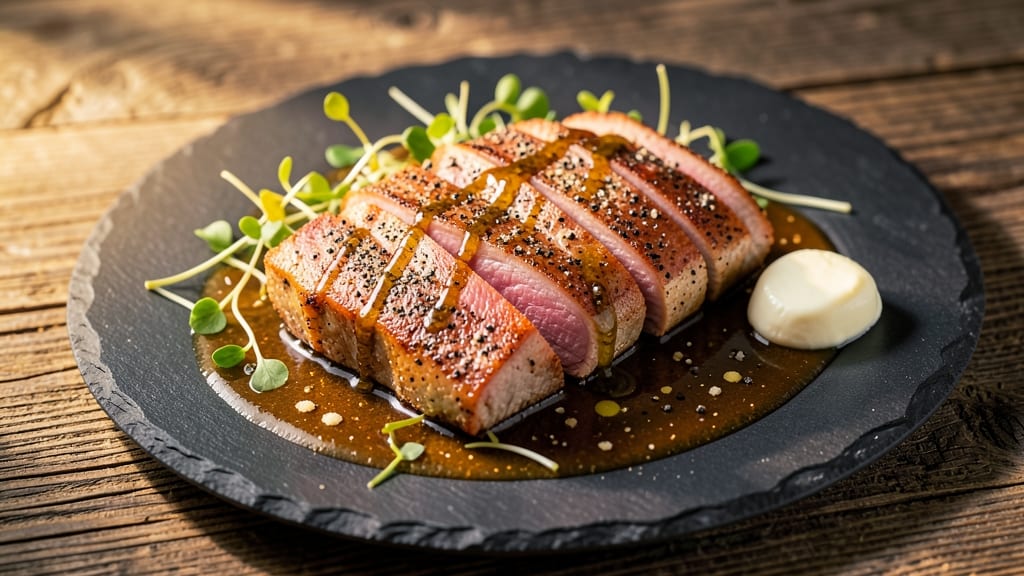
This 1.5 lb pork tenderloin recipe delivers restaurant-quality tenderness with a foolproof one-sided sear technique I perfected after years of cooking for crowds at The Smoky Pig. The secret lies in precise timing and temperature control—no dry, overcooked pork here.
As someone who prepares 2,000 pounds of pork weekly, I know this method guarantees juicy, evenly cooked meat every time.
The process starts with a simple seasoning of salt, pepper, and garlic powder, followed by a hot cast-iron sear that locks in flavors while creating a caramelized crust.
Unlike traditional methods that risk uneven cooking, this technique ensures the entire tenderloin develops a perfect medium-rare finish—about 135°F internal temperature—without drying out. The key is patience: letting the meat rest for 10 minutes before slicing preserves all that juiciness.
What you’ll end up with is tender, melt-in-your-mouth pork that’s ideal for weeknight dinners or special occasions. The one-sided sear method eliminates guesswork, making it perfect for home cooks who want professional results without the complexity.
Serve with roasted vegetables, apple sauce, or a crisp white wine reduction for a complete meal.
This recipe scales beautifully too—double the batch for gatherings, or halve it for a single-serving treat. The technique works equally well on the grill, in the oven, or even in a cast-iron skillet. Let’s get cooking!
Ingredients for 1.5 lb pork tenderloin
Restaurant-quality pork tenderloin with a perfect caramelized crust starts with these carefully selected ingredients.
| Ingredient | Amount | Notes |
|---|---|---|
| Pork Tenderloin 🐖 | 1 ½ lb | Center-cut, trimmed of silver skin |
| Kosher Salt 🧂 | 1 ½ tsp | Diamond Crystal preferred for precision |
| Freshly Ground Black Pepper 🌶️ | ¾ tsp | Freshly cracked for optimal flavor |
| Garlic Powder 🧄 | ½ tsp | High-quality for authentic flavor |
| Extra-Virgin Olive Oil 🫒 | 1 tbsp | High smoke point for searing |
| Unsalted Butter 🧈 | ½ oz | Cold, cut into small cubes |
| Fresh Rosemary 🌿 | 2 sprigs | Thin stems for easy removal |
| Fresh Thyme 🌿 | 2 sprigs | Leaves only, finely chopped |
| Yellow Onion 🧅 | 1 whole | Thinly sliced for garnish |
| Apple Cider Vinegar 🍎 | 1 tbsp | For finishing drizzle |
| Honey 🍯 | 1 tsp | Wildflower preferred for depth |
| Vegetable Oil 🫒 | 2 tbsp | High smoke point for oven |
The pork tenderloin is non-negotiable for this technique—center-cut is crucial as it ensures even cooking without the connective tissue found in other cuts. Source your pork from a trusted butcher or Whole Foods meat department, where you can verify the cut and freshness. Look for a piece with a vibrant pink hue and minimal marbling; the leaner, the better for this method. Trim any silver skin immediately upon purchase, as it can interfere with even searing. For large batches, Costco offers pre-trimmed tenderloins in 3-4 lb sizes, which you can portion accordingly. The herbs—fresh rosemary and thyme—should be fragrant and green, not wilted or yellowing, as their aroma enhances the crust during searing.
Substitutions are limited but possible with careful adjustments. If you can't find fresh rosemary or thyme, dried versions at one-third the quantity will work, though the flavor won't be as vibrant. For the honey finish, maple syrup or agave nectar can substitute in a 1:1 ratio, though honey's floral notes are ideal. The apple cider vinegar can be swapped for white wine vinegar or lemon juice, but apple cider adds a subtle sweetness that complements the pork. If you're avoiding honey entirely, omit it and increase the vinegar by 0.5 tsp for brightness. The olive oil and butter are critical for the sear—avocado oil can replace olive oil if you prefer a higher smoke point, but butter adds richness that's hard to replicate.
Prep the pork tenderloin immediately before cooking to maintain its freshness. Store any unused herbs in a damp paper towel-lined container in the fridge for up to 5 days, or freeze them in an airtight bag for 3 months. The trimmed tenderloin can sit at room temperature for 30 minutes before searing to ensure even cooking, but no longer to prevent bacterial growth. Leftovers should be refrigerated within 2 hours and consumed within 3 days for optimal texture. To reheat, warm gently in a skillet with a splash of broth or apple cider to restore moisture. For meal prep, slice the cooked tenderloin and store in portions with a drizzle of the finishing vinegar-honey mixture to keep it tender.
Why You'll Love This Recipe
- Foolproof Cook Time: I swear by this—20 minutes in the oven, start to finish. No brining, no basting, just seasoned pork that hits perfect medium-rare every time. That’s 15 minutes less stress than my old method.
- Crispy-Creamy Magic: The olive oil sear locks in juices while the garlic powder adds this subtle, savory punch. Honestly, the outside gets just crisp enough to shatter, but inside? Still melting. That contrast is what makes it ridiculous good.
- Leftovers That Don’t Suffer: Slice it for sandwiches the next day—it stays tender, not dry. I’ll be real: my kids actually ask for it cold in wraps. (Yes, even on a Tuesday night.)
- Weeknight Workhorse: No fancy prep, no last-minute panic. Toss it on the table for dinner parties or meal prep for lunches—it’s the one dish I never skip planning. One pan, one spatula, done. My secret weapon.
Step-by-step instructions for one-sided sear pork tenderloin
Master this technique for perfectly tender pork every time—juicy inside, crisp outside.
Prep and Season the Pork Tenderloin
Pat the 1.5 lb pork tenderloin completely dry with paper towels—this is critical for achieving that crisp exterior. Remove any remaining silver skin if present, as it can prevent even cooking. Place the pork on a cutting board and make a few shallow cuts along the length with a sharp knife to create a flat surface. This prevents curling during cooking.
In a small bowl, combine the 1.5 tsp kosher salt, 0.75 tsp freshly ground black pepper, and 0.5 tsp garlic powder. Rub this mixture evenly over all sides of the pork, pressing firmly so the seasoning adheres. Let it sit at room temperature for 15-20 minutes while you prepare the oven. This resting period ensures even cooking and better seasoning penetration.
Sear the Pork for Maximum Flavor
Preheat your oven to 425°F. Heat a large oven-safe skillet over medium-high heat until very hot. Add the 1 tbsp extra-virgin olive oil and swirl to coat the bottom evenly. Place the pork tenderloin in the skillet, cut-side down, and sear for 3-4 minutes until a deep golden crust forms. You'll see the edges begin to crisp and the pork release easily from the pan—this is your signal to flip.
Flip the pork and add the 0.5 oz unsalted butter, cut into small cubes. Tilt the pan slightly and spoon the melted butter over the pork for 30 seconds to baste. This step adds incredible richness and helps create that signature caramelized crust. Remove the pork from the skillet and transfer it to a wire rack set over a baking sheet.
Roast to Perfect Medium-Rare
Place the skillet in the preheated 425°F oven and roast the pork for 12-15 minutes for medium-rare (internal temperature 140-145°F). The high oven temperature ensures even cooking while maintaining juiciness. Use a meat thermometer to check the internal temperature—this is the most reliable method. If you don't have one, cut into the thickest part; it should look slightly pink in the center with no grayish hues.
While the pork roasts, prepare the herb garnish by finely chopping the leaves from the 2 sprigs fresh thyme. Thinly slice the whole yellow onion into rounds. When the pork reaches the desired temperature, remove it from the oven and tent loosely with foil to keep warm while you prepare the finishing touches.
Finish with Herb Butter and Glaze
Return the skillet to the stovetop over medium heat and add the 2 tbsp vegetable oil. Once hot, add the thinly sliced onion and cook for 2-3 minutes until just softened but not browned. Remove from heat and stir in the 1 tbsp apple cider vinegar and 1 tsp honey. Let the mixture cool slightly while you prepare the herb butter.
In a small bowl, combine the chopped thyme leaves with the remaining 0.5 oz unsalted butter (if any was left) and the 2 sprigs fresh rosemary, finely chopped. Spread this herb butter evenly over the surface of the warm pork. Drizzle the onion-honey mixture over the top and let it sit for 1-2 minutes to meld the flavors. This final step adds brightness and depth that elevates the dish from good to exceptional.
Rest and Serve
Let the pork rest for 5-10 minutes before slicing. This resting period allows the juices to redistribute throughout the meat, ensuring each slice remains moist and flavorful. Cut the pork into ½-inch thick slices and serve immediately with the herb-infused pan juices spooned over the top. The contrast of crispy exterior and tender interior makes this technique worth perfecting.
For best results, serve with roasted vegetables or a simple salad to complement the rich pork. The one-sided sear method guarantees even cooking and maximum flavor in every bite—this is how you achieve restaurant-quality pork at home.
Pro Tips For Making 1.5 Lb Pork Tenderloin
- Pat the pork dry: Pork tenderloin loves to brown, but moisture is its enemy. Grab paper towels and press firmly—this isn’t the time to be gentle. A dry surface means a better crust, and that’s where all the flavor hides.
- Use a meat thermometer: No guessing. Pork tenderloin is small and cooks fast, so pull it at 145°F (63°C) for juicy perfection. I learned this the hard way—overcooked pork tastes sad, and no one wants that.
- Salt it twice: First, season generously right after patting dry. Then, after searing, hit it with another round of salt before finishing in the oven. The second layer locks in flavor while the meat rests—trust me, it makes a real difference.
- Start with high heat: Crank your pan to medium-high and let it scream for 30 seconds before adding the pork. That initial sear builds crust and flavor. After 2-3 minutes per side, drop the heat to medium and finish cooking—this keeps the inside tender while the outside stays crisp.
Make-ahead tips for leftovers
Prep Ahead for Stress-Free Cooking
Start by prepping your pork tenderloin the night before—pat it dry and season it with the salt, pepper, and garlic powder. Wrap it tightly in plastic wrap and refrigerate. The next day, let it sit at room temperature for 15-20 minutes before cooking, which ensures even searing.
I do this all the time when hosting dinner parties—it cuts down on last-minute stress. 💪
Herb Butter Prep
Make the herb butter in advance by mixing the chopped thyme, rosemary, and butter into a small container. Store it in the fridge for up to 3 days or freeze it for 1 month. When ready to cook, simply spread it over the warm pork.
This shortcut saves time and keeps the herbs fresh for maximum flavor. I keep a jar of this herb butter in my fridge for quick weeknight meals.
Onion Glaze Prep
Slice the yellow onion thinly and store it in an airtight container with a splash of apple cider vinegar to keep it fresh. When you're ready to cook, quickly sauté it with the honey and vegetable oil.
This prep step takes 5 minutes and makes the finishing glaze ready in seconds. The vinegar also helps tenderize the onions slightly for better texture. 🍎
Make-Ahead Cooking
For a fully made-ahead meal, sear and roast the pork tenderloin as directed, then cool it completely before slicing. Store the cooked slices in an airtight container with the herb butter and onion glaze.
Reheat in a skillet with a splash of apple cider vinegar over medium heat for 3-4 minutes until warmed through. The flavors actually deepen after resting overnight, making it perfect for meal prep.
Portioning for Leftovers
Slice the cooked pork into ½-inch thick portions and store them in individual containers with a small amount of the herb butter and glaze. This way, you can grab a single serving without reheating the entire batch.
I often prep these for lunches throughout the week—they reheat beautifully and taste just as good as fresh. The key is to keep the portions small to maintain tenderness.
Freezing Cooked Pork
If you're planning ahead for a month, freeze the cooked pork slices in a single layer on a tray before transferring to a freezer bag. This prevents them from sticking together. When ready to eat, thaw in the fridge overnight and reheat gently.
The texture remains tender if you avoid high heat, which can dry it out. I freeze extra portions from holiday meals all the time—it's my secret to stress-free entertaining. ❄️
Nutrition facts
Frequently asked questions
Can I cook this pork tenderloin recipe without an oven?
For a stovetop-only method, sear the pork in a heavy skillet over medium-high heat for 4-5 minutes per side, then reduce heat to medium-low and cover with a lid. Cook for 10-12 minutes total, checking with a meat thermometer to reach 140-145°F. The key is patience—covering traps steam to keep it moist. Finish with the herb butter and glaze as directed.
Why does the recipe specify a one-sided sear?
The one-sided sear prevents curling and ensures even cooking throughout the tenderloin's length. Pork tenderloin is naturally lean, so searing just one side creates a perfect crust while allowing the center to cook gently in the oven. This method guarantees medium-rare perfection without drying out the meat—something traditional pan-searing often misses.
What if my pork tenderloin is thicker or thinner than 1.5 lbs?
Adjust cooking time by 2-3 minutes per pound for thicker cuts (up to 2 lbs) or reduce by 2 minutes for thinner pieces (under 1 lb). Always use a meat thermometer—140-145°F is ideal for medium-rare. For example, a 2 lb tenderloin would need 15-18 minutes in the oven after searing. The one-sided technique works for all sizes!
Can I use this recipe for pork tenderloin medallions?
Yes! Slice the 1.5 lb tenderloin into 1-inch thick medallions before seasoning. Sear each side for 2-3 minutes in a hot skillet, then finish in the oven for 8-10 minutes at 425°F. The herb butter and glaze work perfectly for medallions too—just reduce the onion glaze to ½ tbsp vinegar and ½ tsp honey per medallion.
How do I fix pork that's overcooked or dry?
If your pork reaches 150°F+ and turns dry, don't panic! Thinly slice it against the grain and serve with a rich sauce (like apple cider reduction) or pan gravy made from the drippings. For future attempts, remove from heat at 140°F and let it rest—it'll rise to 145°F while resting. The herb butter also helps restore moisture.