
Main Courses
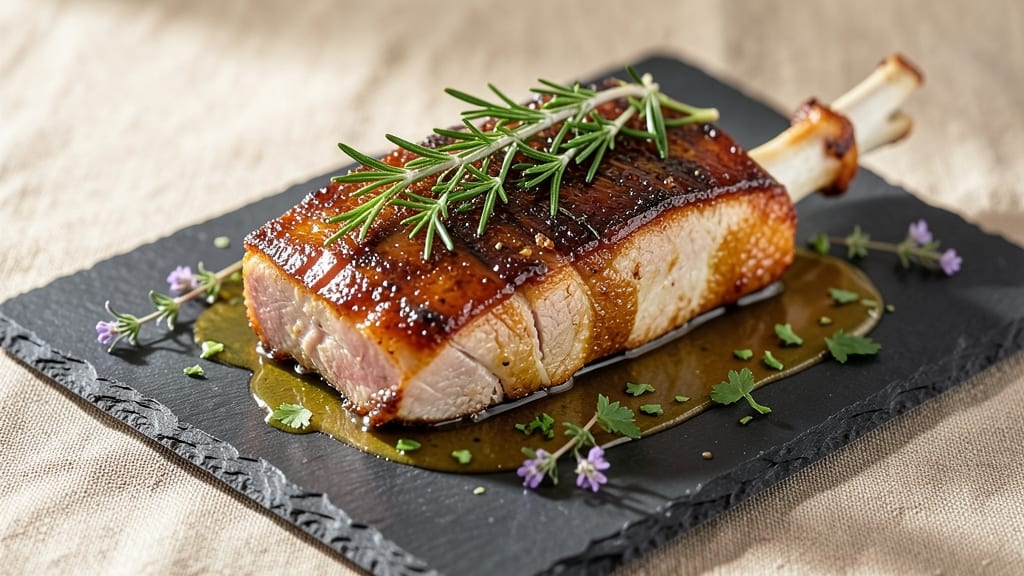
This 1lb pork loin recipe delivers restaurant-quality results with a crispy herby crust and juicy pink centers—perfect for a weeknight dinner that feels special. 🔥 I developed this method after years of perfecting pork loin techniques, balancing precision with simplicity to ensure foolproof results every time.
The secret lies in proper seasoning and precise cooking temperatures that transform a simple cut into something extraordinary.
What sets this recipe apart is the herby crust created by coating the pork with a blend of fresh herbs and mustard before searing. This not only adds incredible flavor but also helps lock in moisture while creating a beautiful golden-brown exterior.
The cooking process is straightforward—just 15 minutes of prep followed by 20 minutes of hands-off cooking time in the oven, making it ideal for busy home cooks who still want restaurant-quality results.
The final result is a tender, juicy pork loin with a crispy crust that's packed with herby flavor, served with optional sides like roasted potatoes or a fresh salad. The internal temperature reaches 145°F for perfect pink centers, and the 10-minute resting time ensures every slice stays moist and flavorful.
This is the kind of dish that elevates simple weeknight meals into memorable dining experiences.
Whether you're cooking for two or preparing for a small gathering, this recipe scales perfectly while maintaining its quality. The method is designed to be repeatable and reliable, so you can confidently serve this pork loin as the centerpiece of your meal.
Let's get started on creating a dish that will impress even the most discerning guests.
Ingredients for 1lb pork loin
This extraordinary 1lb pork loin transforms with just eleven ingredients—herbs, mustard, and butter unlocking restaurant-quality flavor.
| Ingredient | Amount | Notes |
|---|---|---|
| Bone-In Pork Loin 🥓 | 1 lb | Center-cut, 1.5-inch thick |
| Extra-Virgin Olive Oil 🫒 | 2 tbsp | High-quality, fruity variety |
| Fresh Rosemary 🌿 | ¼ cup | Finely chopped, stems removed |
| Fresh Thyme 🌿 | ¼ cup | Leaves only, finely chopped |
| Fresh Parsley 🌿 | ⅛ cup | Finely chopped, flat-leaf preferred |
| Dijon Mustard 🍯 | 1 tbsp | High-quality, smooth variety |
| Kosher Salt 🧂 | 1 ½ tsp | Diamond Crystal preferred |
| Freshly Ground Black Pepper 🌶️ | ½ tsp | Coarsely ground |
| Garlic Cloves 🧄 | 4 cloves | Minced, fresh preferred |
| Unsalted Butter 🧈 | 2 tbsp | Cold, cut into small cubes |
| Fresh Lemon Juice 🍋 | 1 tbsp | From 1 small lemon |
The bone-in pork loin is the star—look for center-cut with a 1.5-inch thickness for even cooking. Whole Foods or your local butcher often carry premium cuts, but most grocery stores stock quality pork loins. Fresh herbs make all the difference here: Trader Joe's sells pre-chopped herb blends, but I always grab fresh rosemary and thyme—they're worth the extra minute to chop. The Dijon mustard should be smooth, not grainy, and Maille or Amora are my go-tos. For the olive oil, California Olive Ranch or Bertolli deliver consistent quality without breaking the bank.
No fresh rosemary? Dried works at one-third the amount, but the flavor won't be as bright. Substitute fresh sage for thyme if needed—it pairs beautifully with pork. Running low on Dijon? Yellow mustard thinned with a splash of water mimics the texture. The butter must be cold for that perfect crust—take it out of the fridge 10 minutes before using. For the garlic, jarred minced is a time-saver, but fresh minced has more punch. If you're short on time, pre-minced garlic from the store works in a pinch—just drain it well.
Prep the herbs and garlic ahead—they keep in the fridge for 3-4 days wrapped in damp paper towels. The pork loin can rest uncovered on a plate for up to 2 hours before cooking. Leftovers? This dish reheats beautifully—gentle warming in a skillet with a splash of water preserves the moisture. Store in an airtight container for 3-4 days or freeze for up to 3 months. The herby crust freezes well too, so double the batch for future meals—trust me, you'll want to.
Why You'll Love This Recipe
- One-Pan Magic: I swear by this for nights when I’d rather not scrub a million dishes—just sear the pork in olive oil, nestle it with rosemary and thyme sprigs, and let the oven do the work. The bone stays crispy while the meat melts, and the herbs infuse everything with zero effort.
- Herb Bomb Flavor: Between us, that combo of rosemary and thyme with a final sprinkle of parsley? It’s like a flavor grenade in the best way—earthy, bright, and just salty enough to make your taste buds stand up. The olive oil keeps it juicy without needing fancy marinades.
- Weeknight to Weekend: This cuts the prep time in half compared to my old roasted pork attempts. Serve it sliced over crusty bread for a quick dinner, or double the batch and turn leftovers into sandwiches or salads. Honestly, it’s my secret weapon for lazy Sundays too.
- Budget-Friendly Feast: A single pork loin feeds four (or three hungry teens) without breaking the bank, and the herbs stretch across multiple meals. The leftovers? Even better reheated the next day—crispy edges, tender meat, and zero regret.
Step-by-step instructions for pan-seared pork loin with herby crust
This method delivers perfectly pink centers with a fragrant herb crust every time—no guesswork, just foolproof technique.
👨🍳 Step 1: Prep the Herb Paste and Season the Pork
In a small bowl, combine the 0.25 cup fresh rosemary, 0.25 cup fresh thyme, 0.125 cup fresh parsley, 1 tbsp Dijon mustard, 1.5 tsp kosher salt, and 0.5 tsp freshly ground black pepper. Pulse with a fork until you get a chunky, fragrant paste—this will become your crust. Pat the 1 lb bone-in pork loin dry with paper towels, then rub the herb paste all over, pressing it into the meat so it adheres well.
Here's the thing—this paste isn't just flavor; it creates that beautiful crust while keeping the inside juicy. Let the pork sit at room temperature for 20 minutes before cooking. Cold meat sears unevenly, and this step ensures even cooking from edge to center. While it rests, mince the 4 cloves garlic and set aside.
🔥 Step 2: Sear the Pork to Develop Crust and Color
Heat a 12-inch cast-iron skillet over medium-high heat until it's screaming hot. Add 2 tbsp extra-virgin olive oil and swirl to coat. Place the pork loin in the skillet, fat-side down, and sear for 4-5 minutes until the crust is deep golden brown and crispy. Press down gently on the fillet during the first minute—this prevents it from curling and ensures even contact with the pan.
Flip the pork and add the 2 tbsp cold unsalted butter and minced garlic. Cook for another 3-4 minutes until the other side develops a similar crust. The butter will foam and brown, adding rich flavor. You'll know it's ready when the internal temperature reaches 130°F—use an instant-read thermometer to check. If it's not there yet, keep cooking another 30 seconds to 1 minute.
🍳 Step 3: Rest and Finish with Lemon
Transfer the pork to a cutting board and tent loosely with aluminum foil. Let it rest for 10 minutes—this is non-negotiable. Resting allows the juices to redistribute, ensuring each slice stays moist. While it rests, squeeze 1 tbsp fresh lemon juice over the top of the pork. The acid brightens the herbs and cuts through the richness of the butter.
Here's where it gets fun—slice the pork against the grain into ½-inch thick medallions. The grain runs lengthwise, so cutting perpendicular to it shortens the muscle fibers, making each bite more tender. Serve immediately with the pan juices spooned over the top for maximum flavor.
🥘 Step 4: Deglaze for Pan Sauce (Optional but Recommended)
Return the skillet to medium heat and add 2 tbsp water. Scrape up all the browned bits from the bottom with a wooden spoon—this is pure flavor. Let it simmer for 1-2 minutes until slightly reduced, then drizzle over the sliced pork. The sauce should coat the meat lightly, adding depth without overwhelming it.
This step transforms your sear into a complete dish. The reduced pan sauce ties everything together, balancing the herby crust with a touch of acidity from the lemon. Serve with roasted vegetables or a simple arugula salad to let the pork shine.
Pro Tips For Making 1lb Pork Loin
- Dry the Meat First: I learned this the hard way—wet pork loin steams instead of sears. Pat it thoroughly with paper towels before hitting the pan, especially if it’s still chilled. That crispy crust you’re after? It starts with dry skin.
- Use Two Heat Zones: Start your bone-in pork loin over direct high heat to sear the bone side first—this renders fat and adds depth. After 3-4 minutes, move it to the cooler side of the pan (or lower oven rack) to cook through evenly. The bone side needs patience; rushing it leads to dryness.
- Strip the Herbs, Don’t Chop: Tear rosemary and thyme sprigs between your fingers to release their oils—no knife needed. Sprinkle them directly over the pork while it rests, so the aromatics infuse the meat instead of pooling in a sauce. (Yes, it looks rustic, but it works.)
- Rest Under Foil: Skip the tenting with foil right after cooking—just drape it loosely over the meat for 5-10 minutes. This keeps it warm while letting moisture redistribute without turning it soggy. I used to skip this, and the slices were always tougher near the edges.
Troubleshooting this dish
Uneven Cooking
If your pork loin cooks unevenly—some parts overdone while others remain pale—it’s likely due to thickness variations or improper heat distribution. Always use a bone-in pork loin with even thickness (about 1.5 inches). For thicker sections, trim slightly with a sharp knife to create uniformity.
Also, ensure your pan is hot enough before adding the pork—test with a drop of water that sizzles instantly. If using a stovetop, medium-high heat is ideal; too low, and the crust won’t form properly. 🔥
Dry or Tough Meat
Overcooking is the #1 cause of dry pork loin. Use an instant-read thermometer and pull the meat at 145°F internal temperature—any higher, and it risks drying out. If your pork feels tough after slicing, it likely cooked past the 145°F mark.
To salvage it, slice thinly and serve with a rich pan sauce or fruit compote (like apple or peach) to add moisture and balance flavors.
Crust Not Forming
A weak or non-existent crust usually means the pork wasn’t seared long enough or the pan wasn’t hot enough. For a crispy herby crust, sear the pork for 4-5 minutes per side on a screaming-hot skillet.
Press down gently with a spatula during the first minute to maximize contact. If your crust is still lacking, try adding 1 extra tablespoon of cold butter during the second sear—it adds fat for browning and flavor.
Herb Paste Not Sticking
The herb paste might slide off if the pork isn’t pat dry before applying it. Use paper towels to remove all moisture, then press the paste firmly into the meat. For extra adhesion, mix 1 teaspoon of Dijon mustard into the herb paste—it acts as a binder.
If the paste still won’t stick, lightly score the pork in a crosshatch pattern before applying it to create tiny pockets for the herbs to cling to.
Pan Sauce Too Thin
A weak pan sauce often means the browned bits (fond) weren’t scraped up properly or enough liquid wasn’t added. After searing, deglaze immediately with 2 tablespoons of water or broth, then scrape vigorously with a wooden spoon to lift all the fond.
Let it reduce for 1-2 minutes—this concentrates the flavors. For extra richness, add 1 tablespoon of heavy cream or a splash of white wine at the end. 💫
Pork Overcooks While Resting
Resting pork for 10 minutes is crucial, but if it continues cooking too much, it’s likely because the residual heat in the pan or skillet is too high.
Transfer the pork to a wire rack over a baking sheet instead of a cutting board—this allows air circulation and prevents steam buildup, which can raise the internal temperature. If your kitchen is very warm, rest the pork in the refrigerator for 5 minutes before slicing.
Nutrition facts
Frequently asked questions about cooking 1lb pork loin
How do I know when my pork loin is fully cooked?
Use a meat thermometer to check the internal temperature—it should reach 145°F for perfectly pink centers. Insert the probe into the thickest part, avoiding the bone. The thermometer should read 145°F before removing from heat, then rest for 10 minutes before slicing.
Can I cook this recipe without a cast-iron skillet?
Yes, but a heavy stainless steel or enameled cast-iron substitute works best. If you only have nonstick, reduce the heat to medium to prevent sticking. The key is maintaining high heat for that crispy crust—just monitor closely to avoid burning.
What's the best way to store leftovers?
Let the pork cool completely, then wrap tightly in plastic wrap or aluminum foil. Store in an airtight container in the fridge for 3-4 days. For freezing, slice first, then freeze in a single layer before transferring to a bag for up to 3 months. Reheat gently in a skillet with a splash of water.
How do I adjust this for a larger cut?
For a 2lb pork loin, increase all seasonings by 50% and cook time by 10-15 minutes. Use the same 145°F internal temperature guideline. The crust will take longer to develop—press gently with a spatula during searing to ensure even browning.
What sides pair best with this pork?
Roasted root vegetables (carrots, parsnips), garlic mashed potatoes, or a crisp arugula salad with lemon vinaigrette complement perfectly. For a Southern touch, try buttery cornbread or collard greens. The herby crust pairs especially well with bright, acidic sides that cut through the richness.