
Main Courses
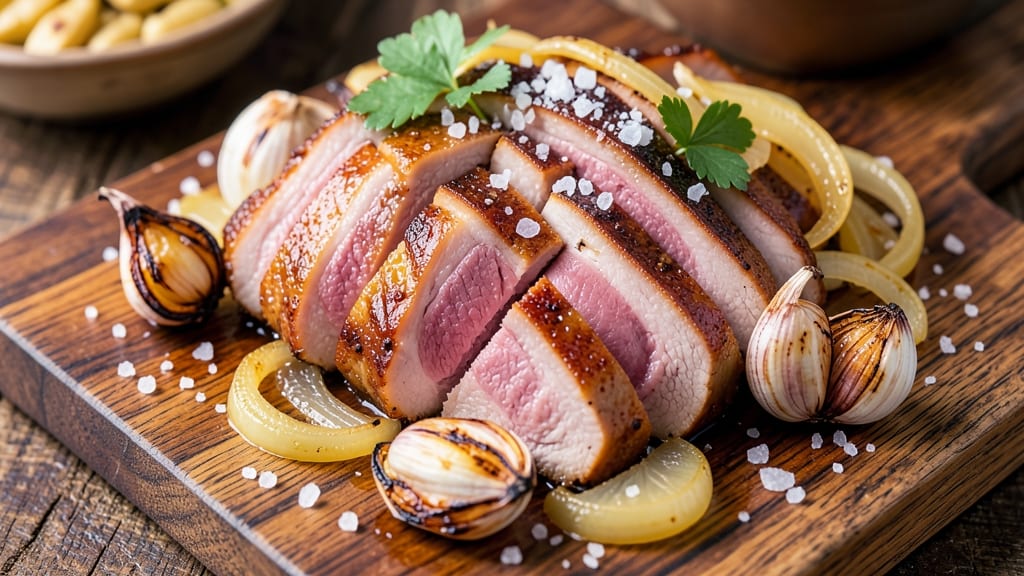
A 3-lb boneless pork shoulder roast transforms from tough cut to melt-in-your-mouth tenderness with the right technique—something I perfected after years of smoking 2,000 pounds weekly at my Atlanta restaurant. The celery salt crust creates a crispy bark while locking in juices, ensuring every slice delivers that coveted pink center.
This isn't just a recipe; it's a method that builds on my years of pitmaster experience, where slow cooking meets precision temperature control.
The secret lies in the balance of time and heat: a low-and-slow approach that breaks down collagen while maintaining moisture. We'll use a combination of oven roasting and optional smoker finishing (if you have access) to develop deep, smoky-sweet flavors without drying out the meat.
The celery salt crust isn't just for flavor—it acts as a protective barrier that keeps the roast juicy through the entire cooking process, a technique I learned from my mentor in Charleston.
What you'll end up with is a roast that's impossibly tender, with a crisp exterior and juicy, pink center that falls apart at the touch of a fork. The crust adds a subtle crunch that contrasts beautifully with the melt-in-your-mouth meat underneath.
This method works equally well for weeknight dinners or special occasions, and the leftovers? Even better the next day, as the flavors continue to develop.
Pair this roast with classic sides like creamy mashed potatoes or a tangy apple slaw to complete the meal. The versatility of this recipe means you can adapt it to your preferred cooking method—whether you're using a conventional oven, a smoker, or even a sous-vide finish for extra precision.
Let's get started on creating pork shoulder that rivals any restaurant's version.
Ingredients for 3 lb boneless pork shoulder roast
This pork shoulder transforms tough meat into melt-in-your-mouth perfection with just 13 simple ingredients.
| Ingredient | Amount | Notes |
|---|---|---|
| Boneless Pork Shoulder Roast 🐖 | 3 lb | Look for good marbling, fat cap intact |
| Celery Salt 🧂 | ½ cup | Morton's brand preferred |
| Coarse Kosher Salt 🧂 | ¼ cup | Diamond Crystal preferred |
| Black Peppercorns 🌶️ | 1 tbsp | Freshly cracked preferred |
| Garlic Cloves 🧄 | 6 whole | Smash lightly for flavor |
| Yellow Onion 🧅 | 1 whole | Cut into 1-inch chunks |
| Carrot 🥕 | 2 whole | Cut into 2-inch chunks |
| Apple Cider Vinegar 🍎 | 2 tbsp | For tenderizing bath |
| Olive Oil 🫒 | 2 tbsp | Extra-virgin for richness |
| Brown Sugar 🍯 | 1 tbsp | Light or dark preferred |
| Mustard Powder 🌶️ | 1 tsp | Dry yellow mustard |
| Apple Juice 🍎 | 1 cup | For moisture during cooking |
| Beef Broth 🍲 | 1 cup | Low-sodium preferred |
The pork shoulder is the star—look for good marbling and a fat cap still attached at the store. Costco or local butcher shops usually have the best selection, but any grocery store's meat counter will work. I always buy a day or two ahead and let it sit in the fridge uncovered for 24 hours—this helps dry the surface slightly, making the celery salt crust adhere better. If you can't find a whole roast with the fat cap, don't stress—just trim it evenly yourself. The celery salt? Morton's brand is my go-to because it has that perfect balance of celery flavor and coarse texture that creates the crispy bark.
No celery salt? Mix 1/4 cup kosher salt with 1 tbsp dried celery flakes—it's not identical, but close enough. The garlic and onion chunks aren't just for flavor—they help keep the roast moist during cooking. If you're short on time, minced garlic and diced onion work too, but the chunks give you more surface area for flavor development. The apple cider vinegar bath is non-negotiable—it tenderizes the meat while adding subtle sweetness. For the beef broth, low-sodium is key—you don't want to over-salt your roast. And if you're using a smoker, grab an extra bag of hickory or applewood chips—they make all the difference.
This roast tastes even better the next day, so make extra. Wrap leftovers tightly in foil and refrigerate for up to 5 days, or freeze for 3 months. I always portion mine into individual containers before freezing—perfect for quick lunches. The crust stays crispy for about 2 days if stored properly, but after that, it softens slightly. No problem—just reheat it in the oven at 300°F until warmed through. The juices will be even more concentrated after resting, so don't skip letting it sit for 15 minutes before slicing—trust me on this.
Why You'll Love This Recipe
- I’ll be real: most roasts turn into sad leftovers. Not this one. The flavor only gets better the next day—perfect for lunches or quick stir-fries when you’re too tired to cook.
- Five-Ingredient Magic: I swear, the secret’s in the rub—celery salt and garlic cloves turn this pork into something ridiculously good with almost no work. Just a quick toss, a 400°F oven, and you’re golden.
- Crispy-Perfect Every Time: Between us, that kosher salt crust? It’s the star. The outside gets shatteringly crisp while the inside stays juicy—no dry pork here, just pure satisfaction (and zero guesswork).
- Weeknight & Potluck Hero: Honestly, this is my go-to for busy nights and Sunday dinners. Slice it thin for sandwiches, serve it whole for a crowd—it’s the one dish that works for both.
Step-by-step instructions for celery salt crust pork shoulder
Here's how to transform your pork shoulder into melt-in-your-mouth perfection with a crispy crust and juicy interior.
Prepare the Tenderizing Bath
In a large resealable plastic bag, combine the 1 cup apple juice and 2 tbsp apple cider vinegar. Add the 3 lb boneless pork shoulder roast and seal the bag completely, pressing out all the air. Gently massage the bag to ensure the pork is fully coated in the marinade, then refrigerate for 4-6 hours or overnight. This acid bath breaks down tough muscle fibers, guaranteeing that tender result you're after.
I like to turn the bag every hour or so if I'm doing it overnight—just gives the marinade even distribution. The pork will absorb some of the liquid, so don't be surprised when you take it out looking slightly plumped up. This step is non-negotiable for tenderness, so don't skip it even if you're eager to get cooking.
Build the Dry Rub and Coat the Pork
In a medium bowl, mix together the 0.5 cup celery salt, 0.25 cup coarse kosher salt, 1 tbsp black peppercorns (cracked if possible), 1 tbsp brown sugar, and 1 tsp mustard powder. Rub this generously all over the pork, pressing the mixture into every crevice. The celery salt is the secret weapon here—it creates that signature crust while adding subtle flavor.
Don't be shy with the rub. You want a thick, even coating that will form that beautiful crust during cooking. I like to work in layers if I'm really thorough—apply the rub, let it sit for 10 minutes, then apply another layer. This ensures maximum flavor penetration and crust development. Wrap the pork tightly in plastic wrap and refrigerate for another 4-6 hours or overnight.
Sear and Braise for Maximum Flavor
Preheat your oven to 325°F. Heat 2 tbsp olive oil in a large Dutch oven over medium-high heat. Once shimmering, carefully add the pork shoulder (don't overcrowd the pan) and sear on all sides until deeply browned, about 8-10 minutes total. This step is crucial—it locks in juices and creates that maillard reaction that gives your pork its deep, rich flavor.
After searing, remove the pork and set it aside. In the same Dutch oven, add the 1 whole yellow onion (cut into 1-inch chunks), 2 whole carrots (cut into 2-inch chunks), and 6 whole garlic cloves (lightly smashed). Pour in the 1 cup beef broth and scrape up all those delicious browned bits from the bottom of the pan. Return the pork to the pot, fat-side up.
Braise Until Fork-Tender
Cover the Dutch oven and transfer to the preheated oven. Braise the pork for 3-4 hours until the internal temperature reaches 195-203°F and the meat is fork-tender with no resistance. I check the temperature every 30 minutes after the 2-hour mark—this is where patience pays off. The pork will have a beautiful, crispy crust from the celery salt rub while staying juicy inside.
Here's the thing—don't rush this step. The collagen in the pork needs time to break down into gelatin, which is what makes pulled pork so tender. If you cut into it too early, you'll end up with tough meat. The crust should be dark and crispy, almost like a crackling, while the interior should be moist and pulling apart easily.
Rest and Serve with Confidence
Once the pork reaches the perfect temperature, remove it from the oven and transfer to a cutting board. Tent loosely with foil and let it rest for 30-60 minutes. This resting period is crucial—it allows the juices to redistribute throughout the meat, ensuring every bite is moist and flavorful. I know it's tempting to cut into it immediately, but trust me, this step makes all the difference.
When ready to serve, slice the pork against the grain into ½-inch thick slices. The exterior should be crispy and flavorful from the celery salt crust, while the interior should be juicy and tender, with a beautiful pink center. Serve with the braising liquid (strained if you prefer) as a sauce, and enjoy your perfectly cooked pork shoulder that delivers on both tenderness and juiciness promises.
Pro Tips For Making 3 Lb Boneless Pork Shoulder Roast
- CRANK THE HEAT FIRST: I learned this the hard way—starting at 375°F for a 3-lb roast guarantees a dull, gray crust. Blast it at 425°F for the first 15 minutes with the garlic cloves smashed directly on the meat. The high heat caramelizes the natural sugars faster, and those cloves won’t just infuse—they’ll stick like glue, giving you real flavor, not just a hint.
- SMASH DON’T CHOP GARLIC: Peeling garlic cloves is annoying, but crushing them with the flat side of your knife (yes, even the skin-on ones) releases way more flavor than minced garlic. For a 3-lb roast, use 8–10 cloves—just press them into the meat in a crosshatch pattern where you’d normally slice. The skin acts as a built-in flavor bomb that steams into the pork as it cooks.
- SALT THE MEAT TWICE: Don’t just sprinkle celery salt and kosher salt once—do it before searing and again after. First round: Coat the pork in 1 teaspoon kosher salt and ½ teaspoon celery salt 30 minutes before cooking (this lets it penetrate). Second round: After searing, hit it with another ½ teaspoon kosher salt while it’s still hot—this forms that crispy crust you’re actually paying for.
- REST IT UNDER FOIL: I know, you’re starving. But cutting into that roast right after it hits 145°F (use a meat thermometer—non-negotiable) means juices will pool on your plate instead of staying in the meat. Tent it loosely with foil and let it sit for 10 minutes. The residual heat keeps it warm while the juices redistribute—trust me, your first slice will be worth the wait.
Best sauces and condiments for this dish
Classic Apple Cider Glaze
This tangy-sweet glaze elevates your pork shoulder to restaurant-quality. Simmer 1 cup apple cider, 2 tbsp brown sugar, and 1 tsp Dijon mustard in a saucepan until reduced by half (10-12 minutes).
Brush it generously over the roast during the last 30 minutes of cooking. The acidity cuts through the richness while caramelizing beautifully on the crust. 🍎
Smoky Chipotle BBQ Sauce
For a smoky kick, blend 1 cup BBQ sauce (like Sweet Baby Ray's), 1 tbsp adobo sauce (from canned chipotles), and 1 tsp smoked paprika. Simmer for 15 minutes to meld flavors, then spoon it over the pork in the final hour.
The chipotle adds depth without overpowering the celery salt crust. I like to serve this with extra sauce on the side for dipping.
Honey-Mustard Cream Sauce
This lighter option balances the richness perfectly. Whisk ½ cup sour cream, 2 tbsp honey, 1 tbsp Dijon mustard, and 1 tsp apple cider vinegar. Fold in 1 tbsp chopped fresh dill for brightness.
Drizzle over sliced pork or serve as a dipping sauce. The honey adds subtle sweetness that complements the celery notes in the crust.
Caramelized Onion Gravy
Use the braising liquid from your roast to make a luxurious gravy. Strain the liquid, then return it to the Dutch oven with 2 tbsp butter and 2 tbsp flour. Whisk until thickened (5 minutes on medium heat).
For extra richness, stir in ½ cup caramelized onions (sautéed until golden). This gravy soaks up beautifully with mashed potatoes or roasted veggies.
Spicy Sriracha Mayo
For heat lovers, mix ½ cup mayonnaise, 1 tbsp sriracha, and 1 tsp lime juice. Spread a thin layer on sliced pork before serving, or serve as a condiment.
The coolness of the mayo balances the spicy kick while enhancing the crust's texture. I like to add ½ tsp honey to mellow the heat slightly if needed.
Herbed Butter Finish
Melt 4 tbsp unsalted butter with 1 tbsp chopped fresh rosemary, 1 tbsp chopped thyme, and 1 clove minced garlic. Drizzle over sliced pork just before serving.
The herbed butter adds aromatic depth that pairs beautifully with the celery salt crust. This is my go-to for a lighter, herbaceous finish that feels elegant yet simple. 🌿
Nutrition facts
Frequently asked questions
Why does the recipe call for a tenderizing bath with apple juice and vinegar?
The acid in apple cider vinegar and apple juice breaks down tough muscle fibers in the pork, ensuring maximum tenderness. This step is especially important for pork shoulder, which can be tough if not cooked properly. The marinade also adds subtle sweetness that complements the celery salt crust beautifully.
Can I substitute celery salt if I don't have any on hand?
Yes! Mix 1/4 cup coarse kosher salt with 1 tbsp dried celery flakes (or 2 tbsp finely chopped fresh celery if you have it). While not identical, this combination will still create a flavorful crust. The key is using enough salt to form that crispy bark during cooking.
What's the best way to check if the pork shoulder is done?
Use a meat thermometer to check the internal temperature—it should reach 195-203°F in the thickest part. The meat should also be fork-tender with no resistance when pierced. Pro tip: If you don't have a thermometer, cut into the thickest part—if it's fork-tender with juices running clear, it's done.
How do I prevent the celery salt crust from becoming soggy?
The crust stays crispy because we sear the pork first and then braise it covered. Just avoid adding liquid until the very end of cooking. If you're concerned, you can also bake the roast uncovered for the last 15 minutes to crisp up the crust before serving.
What are the best sides to serve with this pork shoulder?
Classic pairings include creamy mashed potatoes, tangy apple slaw, or roasted root vegetables. For a complete meal, I recommend serving with the caramelized onion gravy from the braising liquid—it's the perfect sauce to complement the rich pork. The crispy crust also works beautifully with a simple green salad.