
Main Courses
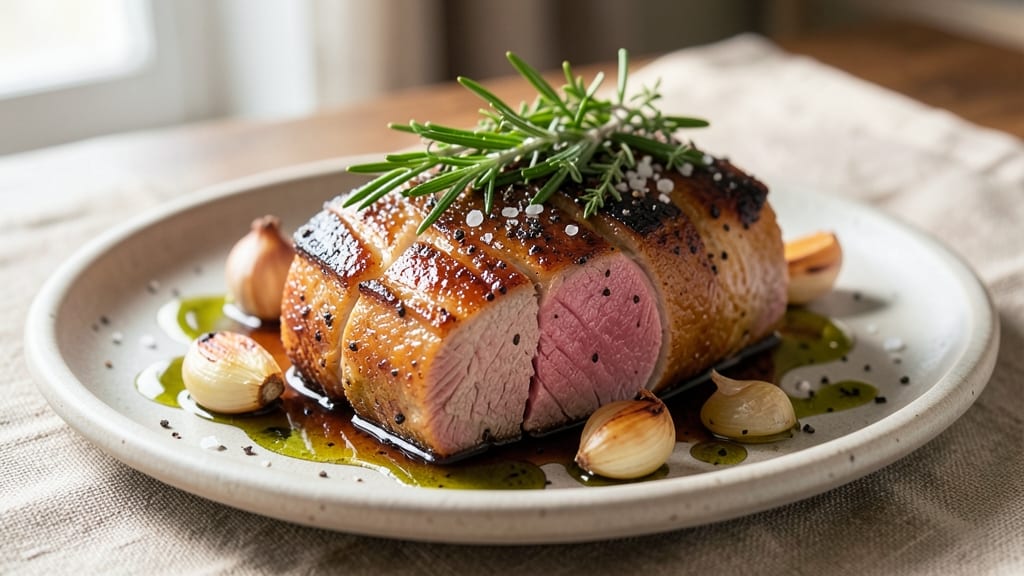
A 3-pound pork loin recipe that delivers restaurant-quality results at home—crisp golden bark, tender meat, and a herb crust that makes every slice unforgettable. This method comes from years of perfecting pork roasts in my Charleston kitchen, where I've cooked hundreds of pounds for family gatherings and restaurant menus.
The secret lies in the herb crust—a blend of rosemary, thyme, and garlic that forms a flavorful crust while keeping the interior juicy. We'll sear the pork first to lock in moisture, then roast it low and slow until the internal temperature reaches 145°F.
This ensures a perfect balance of crispy exterior and tender, juicy meat.
What you'll end up with is a foolproof roast that's impressive enough for dinner guests but simple enough for weeknight dinners. The golden bark gives way to tender, flavorful meat that practically melts in your mouth, and the aromatics infuse every bite with a savory depth that's hard to resist.
Pair it with roasted potatoes, a crisp green salad, or your favorite apple sauce for a complete meal. This recipe scales beautifully—just adjust the cooking time if you're working with a different size pork loin. Let's get started!
Ingredients for 3 pound pork loin
Herb crust, golden bark, and tender meat—just these ingredients transform a simple pork loin into a showstopper.
| Ingredient | Amount | Notes |
|---|---|---|
| Pork Loin 🐖 | 3 lb | Bone-in, center-cut preferred |
| Fresh Rosemary 🌿 | ½ cup | Chopped, stems removed |
| Fresh Thyme 🌿 | ¼ cup | Leaves only, stems removed |
| Garlic Cloves 🧄 | 6 cloves | Peeled, smashed slightly |
| Extra-Virgin Olive Oil 🫒 | ¼ cup | For crust and searing |
| Kosher Salt 🧂 | 1 ½ tbsp | Diamond Crystal preferred |
| Ground Black Pepper 🌶️ | 1 tsp | Freshly ground |
| All-Purpose Flour 🌾 | ½ cup | For dredging |
| Unsalted Butter 🧈 | ½ cup | Cold, cubed |
| Fresh Parsley 🌿 | ¼ cup | Chopped, for garnish |
| Apple Cider Vinegar 🍎 | 1 tbsp | For basting |
The pork loin is the star, so bone-in, center-cut is key—it stays juicier. Grab one from Whole Foods or your butcher if they have it, but the regular supermarket cut works too. Look for good marbling—those little white streaks mean more flavor. I always ask the butcher to trim excess fat, but if you're doing it yourself, leave about a quarter-inch. The herbs? Fresh is non-negotiable here—dried just won't cut it. Rosemary and thyme should smell vibrant, not dusty. For the garlic, peel and smash the cloves with the flat side of your knife—this releases more flavor during cooking.
No fresh rosemary? Dried works at half the amount, but it won't give that same fragrant crust. Short on thyme? Oregano is a decent swap, though the flavor will be slightly different. The olive oil matters—use something fruity and peppery, not the mild stuff. For the butter, full-fat is a must—low-fat won't give that rich, golden bark. The apple cider vinegar might seem odd, but it's what makes the crust crisp up perfectly. If you've got balsamic vinegar, that'll work too, but it'll add a slightly sweeter note. And trust me, the flour dredge is worth the extra minute—it helps the crust stick like magic.
Pork loin keeps best in the coldest part of your fridge, wrapped in parchment paper. Use within 3-4 days for peak tenderness. The herbs? Store them in damp paper towels in a sealed bag—they'll last 5-7 days that way. The butter should stay cold, so keep it in its original wrapper until ready to use. This roast reheats beautifully—just warm it in the oven with a splash of water for 10-15 minutes at 350°F. I always make extra because leftovers taste even better the next day, especially with some of that golden bark still clinging to the meat.
Why You'll Love This Recipe
- One-Pan Magic: I swear by this for nights when I’d rather not wash dishes. Just sear the pork, toss in the whole garlic cloves (yes, unpeeled—they’ll soften perfectly), and let the rosemary and thyme release their magic while it roasts. Minimal chopping, zero fuss, and that pan? Cleaned in under two minutes.
- Herb-Crusted Perfection: Between us, this isn’t just "good"—it’s ridiculously good. The garlic and rosemary form this fragrant crust on the outside, while the olive oil keeps the inside juicy enough to make you close your eyes and sigh. Honestly, I’ve tried fancy rubs, but this combo? It’s my new shortcut to restaurant-quality flavor.
- Weeknight Crowd-Pleaser: This feeds six without breaking the bank, and everyone—from my picky teenager to my dad—asks for seconds. Serve it sliced for sandwiches, cubed for tacos, or as-is with roasted potatoes. I’ll be real: it’s the dish I pull out when I’m hosting and don’t want to stress.
- Leftovers That Don’t Suck: Most pork recipes leave you with dry, sad scraps. Not this one. The roasted pork stays tender for days, so I make it on Sundays and repurpose it all week—salads, pasta, even breakfast hash. (Yes, even on a Tuesday night.) Plus, the herbs keep it tasting fresh, not like yesterday’s lunch.
Step-by-step instructions for herb-crusted pork loin roast
Here's how to transform a simple pork loin into a showstopping centerpiece with crispy golden bark.
Prep and Season the Pork Loin
Remove the pork loin from the refrigerator and pat it completely dry with paper towels. This step is crucial—moisture prevents that beautiful crust from forming. Place it on a cutting board and make a few shallow slashes about ½-inch deep and 1-inch apart across the top. These cuts allow the seasoning and herbs to penetrate deeper into the meat.
In a small bowl, combine the 0.5 cup chopped fresh rosemary, 0.25 cup fresh thyme leaves, 6 smashed garlic cloves, 1.5 tablespoons kosher salt, and 1 teaspoon ground black pepper. Press this mixture firmly into the slashes and all over the surface of the pork loin. Let it sit at room temperature for 30 minutes while you prepare the oven.
Create the Herb Butter Crust
In a separate bowl, mix the 0.5 cup cold cubed unsalted butter with the 0.25 cup extra-virgin olive oil until well combined. This butter mixture will create the signature golden crust. Spread this mixture evenly over the entire surface of the pork loin, pressing it gently into the slashes and all over the top. The butter should melt slightly but still hold its shape.
Place the seasoned pork loin on a wire rack set inside a rimmed baking sheet. The rack allows air to circulate underneath, ensuring the crust gets crispy all around—not just on the bottom. Preheat your oven to 425°F while the pork loin comes to room temperature.
Roast to Perfect Doneness
Slide the pork loin into the preheated oven and roast for 30 minutes uncovered. After 30 minutes, reduce the oven temperature to 350°F and continue roasting for an additional 30-40 minutes, or until the internal temperature reaches 145°F when measured with a meat thermometer in the thickest part of the loin.
Here's where it gets important: the pork loin should have a deep golden brown crust and be slightly firm to the touch. If the crust isn't brown enough after 30 minutes at 350°F, you can broil it for 2-3 minutes at the end, but watch it closely to prevent burning.
Rest and Baste for Extra Flavor
Remove the pork loin from the oven and transfer it to a cutting board. Let it rest for 15 minutes before slicing. This resting period allows the juices to redistribute throughout the meat, ensuring each slice is moist and flavorful. While it rests, combine the 1 tablespoon apple cider vinegar with 2 tablespoons of the pan juices and brush this mixture over the surface of the pork loin.
Once rested, slice the pork loin into ½-inch thick medallions. Garnish each slice with the 0.25 cup chopped fresh parsley for a pop of color and freshness. Serve immediately with your favorite sides—roasted vegetables, mashed potatoes, or a crisp green salad all pair beautifully with this herb-crusted masterpiece.
Pro Tips For Making 3 Pound Pork Loin
- USE A MEAT THERMOMETER: I learned this the hard way—pork loin looks done way before it actually is. Aim for 145°F internally, then let it rest. No guessing, no dry meat.
- SMASH THE GARLIC: Don’t just minced it—smash the cloves with the flat side of your knife first. This releases more flavor and blends better into the oil. Trust me, it makes a real difference.
- DON’T SKIP THE DRYING: Pat that pork loin thoroughly with paper towels before searing. Wet meat steams instead of browns, and you’ll end up with sad, pale crust instead of golden, flavorful sear.
- REST IT UNDER FOIL: After roasting, tent it loosely with foil and let it sit for 10 minutes. This keeps it juicy—cutting into it too soon turns a perfect roast into a sad, dry slab. (Yes, even if you’re impatient.)
Best sauces and condiments for this 3 pound pork loin
Classic Apple Cider Glaze
This tangy, slightly sweet glaze is my go-to for pork loin—it cuts through the richness while enhancing the herb crust. Simmer ½ cup apple cider vinegar, ¼ cup honey, and 1 tbsp Dijon mustard in a saucepan over medium heat for 5 minutes until slightly thickened.
Brush it over the pork during the last 10 minutes of roasting. The acidity helps tenderize the meat while adding a glossy finish. 🍎
Garlic-Herb Butter Sauce
For a luxurious table sauce, melt ½ cup cold butter in a saucepan, then whisk in 2 tbsp minced garlic, 1 tbsp fresh rosemary, and 1 tbsp fresh thyme.
Simmer for 2 minutes—don’t let it brown—and finish with a splash of 1 tbsp apple cider vinegar. Drizzle over sliced pork before serving. This sauce is rich but bright, balancing the pork’s savory notes perfectly.
Spicy Brown Sugar Crust
If you crave a sweeter, slightly spicy twist, mix 2 tbsp brown sugar with ½ tsp smoked paprika and ¼ tsp cayenne pepper. Press this blend into the slashes before adding the herb butter crust.
The caramelization during roasting creates a sticky, spiced crust that’s irresistible. I learned this trick from a pitmaster in Texas—it’s a game-changer for pork lovers. 🌶️
Creamy Horseradish Sauce
For a bold, creamy contrast, blend ½ cup sour cream, 2 tbsp prepared horseradish, 1 tbsp Dijon mustard, and 1 tsp fresh dill. Thin with 1 tbsp apple cider vinegar if needed.
The horseradish adds a sharp kick that cuts through the pork’s richness. Serve on the side for dipping or drizzle over slices. It’s a Southern favorite that elevates the dish instantly.
Honey-Mustard Pan Sauce
Use the pork’s pan juices to make a quick, flavorful sauce. After roasting, scrape up the browned bits from the pan with 2 tbsp butter, then whisk in 2 tbsp honey and 1 tbsp whole-grain mustard.
Simmer for 3 minutes—this sauce is ready in under 5 minutes and pairs beautifully with the herb crust. It’s sweet, tangy, and effortlessly elegant. 💛
Nutrition facts
Frequently asked questions
How do I know if my pork loin is bone-in or boneless?
Check the packaging or ask your butcher! Bone-in pork loins have a visible bone running down the center, while boneless cuts are uniform in shape. For this recipe, a bone-in cut works best as it stays juicier during roasting. If you accidentally grab a boneless loin, just reduce the cooking time by about 10-15 minutes since it cooks faster.
Can I use dried herbs instead of fresh?
You can, but fresh herbs make all the difference! For dried rosemary and thyme, use about half the amount (¼ cup each) and crush them lightly between your fingers to release their flavor. If you're short on time, dried works, but the crust won't be as fragrant or vibrant. Pro tip: Toast the dried herbs in a dry pan for 30 seconds before using to boost their aroma.
What if my oven runs hot or cold?
If your oven runs hot, reduce the temperature by 25°F (so 400°F instead of 425°F for the initial sear). For a cold oven, increase by 25°F and check the internal temperature 5 minutes earlier than the recipe suggests. Always use a meat thermometer—the 145°F internal temp is non-negotiable for safe, juicy pork.
How do I store leftovers?
Slice the pork loin and store it in an airtight container in the fridge for up to 4 days. Reheat slices in a skillet over medium heat for 2-3 minutes per side until warmed through. For longer storage, freeze sliced pork in a single layer before transferring to a freezer bag—it'll keep for 3 months. The golden bark won't survive freezing, but the meat stays tender.
Why did my pork loin turn out dry?
Most likely, you skipped the resting time or overcooked it. Always let the pork rest for 15 minutes after roasting—this lets juices redistribute. Also, check your internal temp: 145°F is perfect; 150°F+ means it's overdone. For extra moisture, baste the pork with pan juices every 15 minutes during cooking. A meat thermometer is your best friend here!