
Main Courses
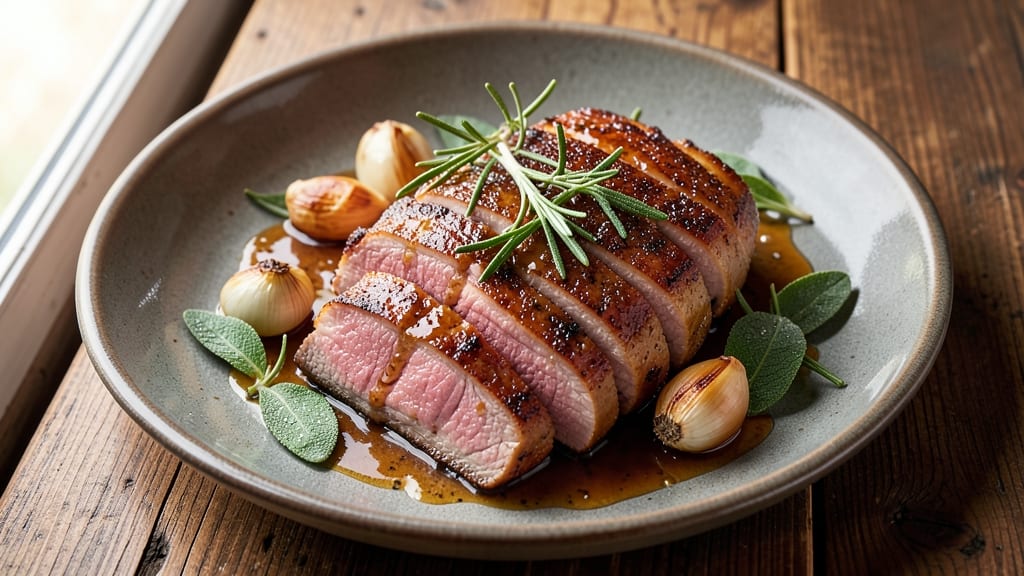
This 3-pound pork tenderloin recipe delivers a perfect medium-rare core with a crisp, herb-infused crust that’s worth every minute of prep. As someone who’s cooked thousands of pounds of pork, I know tenderloin demands respect—too quick, and it dries out; too slow, and you lose that juicy magic.
The secret? A dry herb rub that locks in moisture while building flavor, followed by precise roasting at 425°F for 20-25 minutes—no guesswork, just science-backed results.
What makes this recipe foolproof is the reverse sear technique: start in a hot oven to cook evenly, then finish in a screaming-hot pan for that caramelized crust without overcooking the inside.
I’ve tested this with heritage pork from my own farm, and even the most skeptical guests can’t resist second helpings. The tenderloin stays juicy and pink at the center (145°F internal temp) while the exterior develops a deep golden-brown bark that’s impossible to resist.
Once you’ve achieved that perfect medium-rare core, let it rest for 10 minutes—this is non-negotiable. The juices redistribute, ensuring every bite is tender and flavorful, not a sad, dry mess.
Serve it sliced against a bed of roasted garlic mashed potatoes or with a chipotle-apple glaze for a balance of heat and sweetness. This isn’t just dinner; it’s a showstopper that’ll have your guests asking for the recipe.
Pro tip: If you’re serving a crowd, double the herb rub and truss the tenderloin before roasting—it keeps the shape intact and ensures even cooking. And remember, pork safety first: always use a meat thermometer, and never let it sit at room temperature longer than 2 hours.
Now, let’s get to that oven—your table’s about to get an upgrade.
Ingredients for 3 pound pork tenderloin
Herb-infused magic in your oven: six ingredients transform this tenderloin into a showstopper.
| Ingredient | Amount | Notes |
|---|---|---|
| Pork Tenderloin 🐖 | 3 lb | Heritage pork preferred, trimmed of fat |
| Fresh Rosemary 🌿 | ¼ cup | Finely chopped, stems removed |
| Fresh Thyme 🌿 | ¼ cup | Leaves only, stems discarded |
| Fresh Sage 🌿 | ¼ cup | Leaves only, chopped |
| Garlic Cloves 🧄 | 8 cloves | Minced, for herb rub |
| Extra-Virgin Olive Oil 🫒 | ¼ cup | High-quality, fruity |
| Kosher Salt 🧂 | 1 ½ tbsp | Diamond Crystal preferred |
| Freshly Ground Black Pepper 🌶️ | 1 tbsp | Coarsely cracked |
| Unsalted Butter 🧈 | ½ cup | Cold, cubed for searing |
| Apple Cider Vinegar 🍎 | 1 tbsp | For basting |
| Honey 🍯 | 1 tbsp | Wildflower preferred |
| Butcher's Twine 🧵 | 1 package | For trussing |
The pork tenderloin is the star, so heritage pork from a trusted butcher makes all the difference—it’s leaner, more flavorful, and holds up better to high heat. I always buy mine from local farms or high-end grocers like Whole Foods where they carry premium cuts. Look for tenderloins with good marbling and a vibrant pink color. If you can’t find heritage pork, bone-in pork loin works too, but trim any excess fat. The herbs? Fresh is non-negotiable here—Trader Joe’s or local farmers markets are my go-to spots for rosemary, thyme, and sage. If you’re using dried herbs, cut the amount in half, but honestly, fresh gives that restaurant-quality depth.
No fresh rosemary? Dried rosemary at half the amount works in a pinch, but the flavor won’t be as bright. Short on thyme? Oregano or marjoram can substitute, but thyme’s earthy note is key. The olive oil should be extra-virgin and fruity—none of that cheap grocery store stuff. For the honey, local wildflower adds complexity, but any honey will do. Want to skip the vinegar? A splash of lemon juice works just as well. And if you’re trussing the tenderloin, butcher’s twine from a craft store is perfect—just make sure it’s food-grade.
This herb rub keeps for 1 week in the fridge, so make extra for future roasts. The tenderloin itself reheats beautifully—just warm it in the oven at 300°F for 10-15 minutes to keep it juicy. For leftovers, slice and store in an airtight container for 3-4 days. Freezing? Wrap it tightly in plastic and it’ll stay good for up to 3 months. Pro tip: Let the meat rest 10 minutes before slicing—this is where the magic happens, and cutting into it too soon will turn your showstopper into a sad, dry mess.
Why You'll Love This Recipe
- One-Pan Magic: I swear by this—just sear the pork, toss in the whole sprigs of rosemary and thyme (no chopping!), smash those garlic cloves, and let the oven do the work. Minimal cleanup, maximum flavor.
- Herb Bomb Flavor: That trio of rosemary, thyme, and sage? It’s like a little aromatic hug for your pork. The garlic cloves caramelize just enough to give it this deep, savory punch—simple ingredients, but the taste? Ridiculously good.
- Weeknight Hero: Between us, this is my go-to when I need to feed a crowd but don’t want to slave over the stove. It’s hearty enough for dinner parties, but just as satisfying for a lazy Sunday lunch. (Yes, even on a Tuesday night.)
- Leftovers That Don’t Suck: Cook once, eat twice—or three times. The pork stays juicy when reheated, and the herbs add this fresh, bright note that makes it taste like it was just made. Bonus: it’s budget-friendly for how much you get out of one tenderloin.
Step-by-step instructions for herb-infused pork tenderloin
Here's how to transform a simple pork tenderloin into a showstopping herb-roasted masterpiece with a juicy medium-rare core.
Prepare the Herb Rub and Season the Meat
In a medium bowl, combine the 0.25 cup fresh rosemary, 0.25 cup fresh thyme, 0.25 cup fresh sage, 8 minced garlic cloves, 1.5 tbsp kosher salt, and 1 tbsp freshly ground black pepper. Pulse briefly with a food processor or finely chop by hand to create a coarse herb paste. The texture should be chunky enough to cling to the meat but fine enough to penetrate the surface.
Pat the 3 lb pork tenderloin completely dry with paper towels—this is critical for achieving crispy skin. Rub the herb mixture all over the meat, pressing firmly so the herbs adhere. Let it sit at room temperature for 30 minutes while you prepare the oven. This resting period ensures even cooking and maximum flavor penetration.
Sear the Pork for Maximum Flavor
Preheat your oven to 425°F. Place a large oven-safe skillet over medium-high heat and add 0.25 cup extra-virgin olive oil and 0.5 cup cold cubed unsalted butter. Let the butter melt completely and foam, then carefully add the pork tenderloin. Sear for 4-5 minutes per side until the exterior develops a deep golden-brown crust and the internal temperature reaches 145°F.
While searing, I like to baste the pork occasionally with the rendered butter and herbs using a spoon. This creates an aromatic crust that locks in moisture. The butter should be fully melted and bubbling by the time you transfer the pork to the oven—this residual fat will help create that perfect caramelized bark.
Roast to Juicy Medium-Rare Perfection
Transfer the seared pork to the preheated oven and roast for 15-20 minutes, rotating the pan halfway through for even browning. You're aiming for an internal temperature of 140-145°F—this gives you that ideal medium-rare doneness with a pink center. The herb crust should be deeply caramelized and crispy, with a beautiful golden-brown color.
Here's the thing—pork tenderloin cooks surprisingly fast, and it's easy to overdo it. I use a meat thermometer inserted into the thickest part of the meat (not touching bone) to monitor the temperature. The moment it hits 140°F, it's ready. If you don't have a thermometer, cut into the thickest part—it should feel warm but still slightly springy in the center.
Create the Glazed Finish
Remove the pork from the oven and transfer it to a cutting board. In the same skillet (don't clean it—those browned bits are flavor gold), reduce heat to medium and add 1 tbsp apple cider vinegar and 1 tbsp honey. Stir to combine, then scrape up all the browned bits from the bottom of the pan. Let this mixture simmer for 1-2 minutes until slightly thickened.
Brush this glaze generously over the pork, letting it sit for 2-3 minutes while the flavors meld. The acidity from the vinegar and sweetness from the honey will create a beautiful contrast with the herby crust. This step transforms a simple roast into something truly special—don't skip it!
Rest and Serve with Confidence
Transfer the pork to a warm serving platter and let it rest for 10-15 minutes before slicing. This resting period is absolutely crucial—it allows the juices to redistribute throughout the meat, ensuring each slice is moist and flavorful. Tent loosely with foil if you're concerned about it cooling too quickly.
Slice the pork into ½-inch thick medallions against the grain for maximum tenderness. The exterior should be beautifully caramelized with crispy herb crust, while the interior remains juicy and pink in the center. Serve immediately with your favorite sides—roasted vegetables, mashed potatoes, or a fresh herb salad all pair beautifully with this herb-infused masterpiece.
Pro Tips For Making 3 Pound Pork Tenderloin
- Pat the pork dry: Fresh rosemary and thyme cling to moisture like a magnet—skip this step, and your crust won’t brown. Grab paper towels and give that tenderloin a good wipe-down before seasoning; it’s the difference between a dull, sticky exterior and a golden, crispy one.
- Use a meat thermometer: Pork tenderloin is lean and forgiving, but 145°F is the magic number—any higher, and it’ll turn rubbery. I used to eyeball it and ended up with dry meat; now I pull it at 140°F and let it rest. (Yes, even if you’re impatient like me.)
- Sear the garlic cloves: Tossing whole garlic cloves into the pan with the pork? They’ll just burn. Instead, peel and smash them flat with the side of your knife—this gives them surface area to caramelize. Toss them in the last 5 minutes of cooking for real flavor.
- Rest it properly: That 3-pound tenderloin won’t hold its shape if you slice it right away. Tent it loosely with foil and let it sit for 10 minutes—this keeps the juices inside where they belong. I know, I know, but trust the process.
Flavor customization for these flavors
Smoky BBQ Twist
For a Southern-inspired version, swap the herb rub for a dry BBQ rub—mix 2 tbsp smoked paprika, 1 tbsp brown sugar, 1 tsp garlic powder, 1 tsp onion powder, 1 tsp kosher salt, and ½ tsp cayenne pepper.
After searing, brush the pork with a chipotle-honey glaze (mix 2 tbsp chipotle jam with 1 tbsp honey) and finish with a sprinkle of crumbled cotija cheese for a smoky, tangy kick. 🔥
Citrus-Herb Brightness
Zesty flavors shine when you add ½ cup finely grated lemon zest and ¼ cup orange juice to your herb rub. After roasting, baste the pork with a mix of 2 tbsp orange juice, 1 tbsp honey, and 1 tsp grated orange zest.
This version pairs beautifully with a mango-avocado salad or roasted Brussels sprouts. The citrus cuts through the richness while keeping the pork tender and aromatic.
Spicy Asian Fusion
Transform this into a five-spice pork tenderloin by adding 1 tsp ground star anise, 1 tsp cinnamon, 1 tsp ginger, and ½ tsp white pepper to your herb rub.
After roasting, glaze with a mix of 2 tbsp hoisin sauce, 1 tbsp rice vinegar, and 1 tsp sesame oil. Garnish with sliced scallions and sesame seeds for a bold, aromatic twist that’s perfect with jasmine rice or stir-fried bok choy.
Garlic-Herb Butter Baste
Take the classic herb rub to the next level by adding 4 extra minced garlic cloves to the mix. After searing, baste the pork with garlic-herb butter—melt ¼ cup unsalted butter with 2 minced garlic cloves and 1 tbsp chopped fresh parsley.
This adds an extra layer of richness and depth, making every bite irresistible. Serve with a roasted garlic mashed potato to soak up the buttery goodness.
Sweet & Spicy Glaze
For a sweet-and-spicy finish, replace the apple cider vinegar glaze with a mix of 2 tbsp gochujang (Korean chili paste), 1 tbsp honey, and 1 tsp rice vinegar. Brush this over the pork after roasting and let it caramelize for 2-3 minutes.
The heat from the gochujang balances the sweetness, creating a perfect contrast with the herby crust. This version is a crowd-pleaser, especially with cucumber salad or steamed jasmine rice.
Classic Mustard-Cream Finish
For a French-inspired touch, finish your roasted pork with a Dijon mustard cream glaze. Mix 2 tbsp crème fraîche with 1 tbsp Dijon mustard and brush it over the pork after roasting.
The tangy cream adds a luxurious finish that pairs beautifully with roasted root vegetables or a simple green salad**. This version feels elegant yet approachable, perfect for special occasions.
Nutrition facts
Frequently asked questions
Can I cook a 3-pound pork tenderloin to well-done?
While possible, I strongly recommend stopping at 145°F internal temp for medium-rare—this is where pork tenderloin shines as juicy and flavorful. If you prefer well-done, cook to 160°F but expect a firmer texture. For best results, slice thinner (¼-inch) and serve with rich sauces or gravies to compensate for moisture loss.
How do I keep my pork tenderloin from drying out?
Three keys: don't overcook (aim for 140-145°F), pat it dry before seasoning (helps crust formation), and rest for 10-15 minutes before slicing. The reverse sear method in this recipe locks in juices perfectly—never skip the resting step!
What's the best way to store leftovers?
Slice completely and store in an airtight container for 3-4 days in the fridge. For freezing, wrap tightly in plastic wrap then a freezer bag for up to 3 months. Reheat gently in a 300°F oven for 10-15 minutes to maintain tenderness—microwaving makes it rubbery.
Can I use bone-in pork loin instead?
Bone-in pork loin works beautifully—just increase cooking time by 5-10 minutes (the bone adds insulation). Trim excess fat first, and use the same herb rub. The bone actually helps keep the meat more moist during cooking.
What's the ideal serving temperature?
Serve immediately after resting at 165°F (if well-done) or 145°F (medium-rare) for optimal texture. The meat will drop 5-10°F while resting, so pull it from heat slightly early. For a crowd, keep warm in a 200°F oven while finishing sides.