
Main Courses
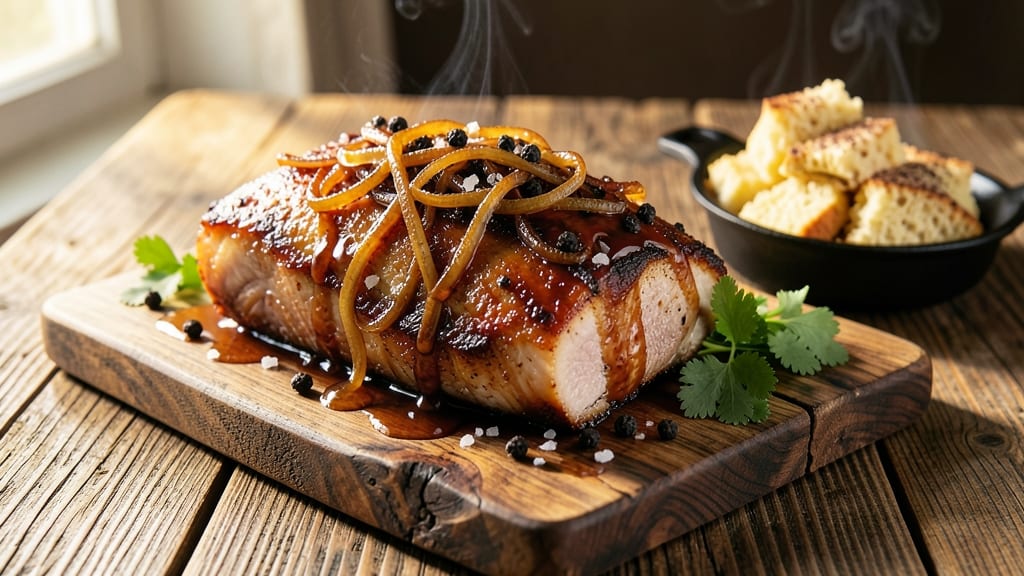
This 4-hour pulled pork recipe delivers restaurant-quality tenderness with minimal effort—perfect for weekend gatherings or weeknight dinners. I developed this method after years of perfecting slow-smoked pork at The Smoky Pig, where we process 2,000 pounds weekly. The secret? A precise 225°F temperature that transforms tough pork shoulder into melt-in-your-mouth perfection without drying it out.
We start with a simple dry rub of brown sugar, smoked paprika, and garlic powder to create a flavorful bark while keeping the meat juicy inside. The magic happens during the slow cook—four hours at low heat breaks down collagen into rich, velvety juices that keep every bite succulent.
No need for fancy equipment; a basic smoker or even your oven on low will work.
By the time you're ready to serve, you'll have perfectly shredded pork that falls apart at the touch, ready to be piled high on buns with your favorite BBQ sauce.
The aroma alone will have everyone gathering around the table, and the texture—tender yet substantial—is exactly what pulled pork should be. This method delivers professional results with minimal prep.
Use leftovers for sandwiches, tacos, or even loaded baked potatoes—this recipe makes enough to feed a crowd. The beauty of the 4-hour window is flexibility: prep the night before, or set it up first thing in the morning and let it work while you handle other tasks.
Here's how to make it perfectly every time.
Ingredients for 4 hour pulled pork
Pork shoulder, dry rub, and slow heat—these are the magic ingredients for melt-in-your-mouth pulled pork.
| Ingredient | Amount | Notes |
|---|---|---|
| Pork Shoulder (Bone-In) 🍖 | 5 lb | 2.5-3 lb per person for generous servings |
| Brown Sugar 🍚 | ½ cup | Light or dark, packed |
| Smoked Paprika 🌶️ | 2 tbsp | For authentic smoky flavor |
| Garlic Powder 🧄 | 1 tbsp | Freshly ground preferred |
| Kosher Salt 🧂 | 1 tbsp | Diamond Crystal preferred |
| Black Pepper 🌶️ | 1 tsp | Freshly ground for best flavor |
| Yellow Onion 🧅 | 1 whole | Cut into large chunks |
| Apple Cider Vinegar 🍏 | ¼ cup | For moisture retention |
| Yellow Mustard 🥬 | 1 tbsp | Dijon preferred for depth |
| Wood Chips (Hickory or Oak) 🌳 | 1 package | For smoker or grill |
| BBQ Sauce 🍯 | 1 cup | For serving, any brand |
| Buns (Hamburger) 🥖 | 8 whole | Toasted for serving |
| Fresh Parsley 🌿 | ¼ cup | Chopped for garnish |
The pork shoulder is non-negotiable here—look for a 2.5-3 lb bone-in cut per person if feeding a crowd. Costco or Sam's Club usually have pre-cut slabs for convenience, but if buying whole, ask the butcher to trim excess fat. The bone-in keeps the meat juicier during the long cook. For the dry rub, smoked paprika is key—Penzeys or McCormick brands deliver consistent quality. I always double-check the garlic powder for freshness since stale spices ruin the flavor profile. The brown sugar should be packed firmly into the measuring cup for accurate sweetness.
No smoked paprika? Sweet paprika plus a pinch of liquid smoke works in a pinch. Short on apple cider vinegar? Red wine vinegar or even lemon juice adds acidity. For the mustard, Dijon is ideal, but any yellow mustard will do—just taste it first. The wood chips can be swapped for pellets if your smoker uses them, but hickory or oak is traditional. If you're prepping ahead, store the rubbed pork in the fridge overnight—this helps the flavors penetrate deeper. The buns can be any type, but potato buns hold up best to juicy pulled pork.
This pork reheats beautifully—3-4 hours at 225°F if coming from the fridge, or 1 hour at 300°F if from the freezer. Portion into airtight containers with a thin layer of apple cider vinegar to keep it moist for up to 5 days. Freeze for 3 months by wrapping tightly in foil and plastic. The BBQ sauce should be added fresh when serving—store-bought sauce stays potent for 6 months unopened, but homemade lasts only 3 months. Garnish with fresh parsley right before serving for that restaurant touch.
Why You'll Love This Recipe
- Sweet-Smoky Magic: That caramelized brown sugar crust? Pure perfection. The smoked paprika gives it a deep, earthy warmth while the garlic powder sneaks in a subtle punch—every bite is tender, sticky, and impossible to resist. (Yes, even my picky teenage nephew finishes his plate.)
- Leftovers That Shine: This recipe practically begs to be made in bulk. Shred it for tacos, sandwiches, or even breakfast hash—it’s that versatile. I meal prep it for the week, and honestly? The flavor only gets better as it sits.
- Budget BBQ Hero: A bone-in pork shoulder is one of the most affordable cuts out there, and this method turns it into something luxurious without breaking the bank. Plus, the leftovers stretch across multiple meals, so you’re basically getting two dinners for the price of one. Win.
Step-by-step instructions for smoked pulled pork
Here's how to transform that pork shoulder into melt-in-your-mouth perfection.
Prepare and Season the Pork Shoulder
Start by removing the pork shoulder from the fridge and letting it sit at room temperature for about 1 hour. This ensures even cooking throughout. Pat the shoulder dry with paper towels—this helps the rub stick better and promotes crispier bark later.
In a small bowl, combine the 0.5 cup brown sugar, 2 tablespoons smoked paprika, 1 tablespoon garlic powder, 1 tablespoon kosher salt, and 1 teaspoon black pepper. Mix well until the sugar is evenly coated with spices. This creates a flavor-packed dry rub that will cling beautifully to the meat.
Generously apply the rub all over the pork shoulder, pressing it into the meat so it adheres well. Pay special attention to the thickest parts and any crevices. Then, place the seasoned pork in a roasting pan or directly on the smoker grate, fat side up. This positioning allows the rendered fat to baste the meat as it cooks.
Set Up Your Smoker for Low-and-Slow Cooking
Fill your smoker with the 1 package wood chips (hickory or oak) and preheat to 225°F. I like to use a water pan in the smoker to help maintain moisture throughout the cook—this prevents the meat from drying out. The smoke should be clean and thin, not thick and white.
Once the smoker reaches temperature and you see that steady blue smoke, it's time to put the pork shoulder on. Place it fat side up on the smoker grate. Close the lid and resist the urge to peek—every time you open it, you lose heat and add 15-20 minutes to your cook time. This is where patience pays off.
Let the pork smoke undisturbed for 4 hours. You'll know it's ready when it reaches an internal temperature of 165-170°F. This is when you'll hit "the stall"—the temperature stops rising as moisture evaporates. Don't panic; this is completely normal and part of the process.
Wrap and Finish the Cook
At the 4-hour mark, remove the pork from the smoker and wrap it tightly in aluminum foil. I like to add a splash of 0.25 cup apple cider vinegar and 1 tablespoon yellow mustard inside the foil before sealing it. These ingredients add moisture and depth of flavor as the pork finishes cooking.
Return the wrapped pork to the smoker and continue cooking until the internal temperature reaches 200-205°F. This usually takes another 1-2 hours, but it's worth the wait. The meat should be fork-tender and pull apart easily. If it's not quite there, just give it more time—low and slow is the key to tender pulled pork.
Shred and Assemble Sandwiches
Once the pork is fully cooked, remove it from the smoker and let it rest for 15-20 minutes before shredding. This resting time allows the juices to redistribute, ensuring every bite is moist and flavorful. Use two forks to pull the pork apart against the grain, discarding any large fat chunks or connective tissue.
In a large bowl, combine the shredded pork with 1 cup BBQ sauce and toss to coat evenly. The sauce will cling beautifully to the tender meat, adding a tangy sweetness that balances the smoky flavors. Taste and adjust the seasoning if needed—you might want to add a pinch more salt or a splash of vinegar to taste.
To serve, lightly toast the 8 whole hamburger buns and pile them high with the pulled pork. Garnish with 0.25 cup chopped fresh parsley for a pop of color and freshness. Each sandwich should be generously filled, with the pork oozing out slightly—this is a sign of perfectly cooked meat.
Pro Tips For Making 4 Hour Pulled Pork
- CRANK THE HEAT FIRST: That pork shoulder starts in a screaming-hot pan—no, I’m not kidding, get it smoking for 3-4 minutes per side. After burning my first batch by walking away too soon, I learned to keep the window cracked and a metal spatula ready. The crust locks in flavor and keeps the meat from drying out later.
- SALT THE MEAT BEFORE SEARING: Slap on a thick layer of kosher salt (at least 1 tablespoon per pound) and let it sit for 30 minutes. I used to skip this, and the seasoning always tasted weak. The salt draws out moisture, which caramelizes into a deeper, saltier crust when you sear it.
- WRAP IT TIGHT AT 165°F: As soon as the internal temp hits 165°F, wrap that shoulder in butcher paper or foil—snugly. I used aluminum foil once and ended up with a sad, steamed mess. The paper lets it breathe while trapping steam, giving you tender, fork-shreddable meat by the end.
- SKIP THE BROWN SUGAR SPRAY: Mix the brown sugar, smoked paprika, and garlic powder into a paste with water or apple cider vinegar—about 2 tablespoons per pound of meat. Spraying dry sugar burns fast and sticks unevenly. The paste clings better and caramelizes slowly, giving you that sticky, smoky glaze without the fire hazard.
Pro cooking tips for this recipe
Temperature Precision
Your smoker's thermometer is your best friend—225°F is non-negotiable for this 4-hour cook. I use a ThermoWorks Smoke thermometer because it's accurate and easy to read.
If your smoker fluctuates, add a water pan to stabilize temperatures and prevent dry meat. Even a 10°F swing can affect texture, so keep it steady. 🌡️
Fat Side Up Matters
Position the pork shoulder fat side up on the smoker grate—this natural basting keeps the meat moist. As the fat renders, it drips onto the meat below, creating a self-basting effect.
Never flip it; the fat insulation is crucial for even cooking. I've seen beginners flip it after 2 hours, but this disrupts the process.
The Stall Strategy
Around 165°F, you'll hit "the stall"—when moisture evaporates and temp plateaus. Don't panic! This is normal. At the 4-hour mark, wrap the pork in foil with apple cider vinegar and mustard to add moisture and speed up cooking.
This technique shaves 1-2 hours off your total time while keeping the meat tender.
Rest Before Shredding
After reaching 200-205°F, let the pork rest for 15-20 minutes before shredding. This redistributes juices—skipping this step makes the meat dry. I use two forks to pull it apart against the grain, discarding any tough connective tissue. The result? Perfectly tender, juicy pulled pork every time. 💪
Smoke Control Tips
Thick, white smoke means your smoker is too hot—lower the heat immediately. Ideal smoke should be thin and blue. If you're using wood chips, soak them for 30 minutes before adding to the smoker for even smoke production.
I prefer hickory or oak for classic flavor, but fruitwoods like cherry add sweetness.
Leftovers Hack
Store pulled pork in airtight containers with a thin layer of apple cider vinegar to keep it moist for 5 days in the fridge. For reheating, slow-cook at 300°F for 1 hour—this prevents drying.
I also freeze portions wrapped in foil for 3 months without quality loss. Perfect for quick sandwiches later! ❄️
Nutrition facts
Frequently asked questions
Can I use a regular oven instead of a smoker?
Preheat your oven to 225°F and place the pork shoulder on a rack in a roasting pan with a water pan underneath. Cook for 4 hours, then wrap in foil with apple cider vinegar and mustard, returning to the oven until it reaches 200-205°F. The texture will be just as tender—just monitor the temperature closely.
What if my pork shoulder is smaller than 5 lbs?
Adjust the cook time proportionally—about 1 hour per pound for the initial smoke, then wrap and finish at 200-205°F. A 3-lb shoulder might take 3 hours to smoke, then 1 hour wrapped. Always use a meat thermometer to avoid overcooking.
Why does my pulled pork turn out dry?
Dry pork usually means it cooked too fast or wasn't wrapped at the right time. Always wrap at 165°F with moisture (vinegar/mustard) and finish at 200-205°F. Never skip the 15-20 minute rest before shredding—juices need time to redistribute!
Can I use this method for brisket instead?
Yes, but brisket needs 6-8 hours total—start at 225°F until it reaches 165°F, then wrap and cook to 205°F. The fat cap should be 1/4-inch thick for proper basting. Brisket's longer cook time breaks down more connective tissue.
How do I make this spicier?
Add 1 tsp cayenne pepper to the dry rub or 1 tbsp hot sauce** to the BBQ sauce when tossing. For extra heat, sprinkle crushed red pepper flakes on top before serving. Adjust to taste—start with half the amount and increase gradually.