
Main Courses
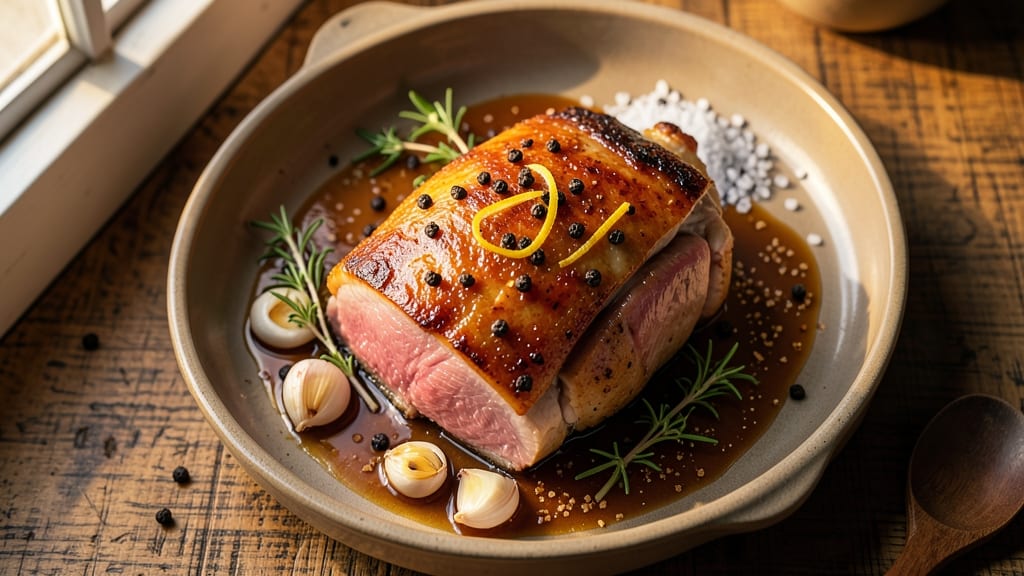
A 4 lb pork roast transformed into melt-in-mouth perfection requires patience and precision—something I learned the hard way after my first attempt left me with dry, overcooked meat. The secret lies in a low-and-slow approach that renders fat into flavor while keeping the center tender.
This recipe delivers a juicy, caramelized crust that’ll have everyone asking for seconds, and it’s the one I rely on when feeding a crowd at The Smoky Pig.
We start with a simple brine to ensure moisture retention, followed by a high-heat sear in cast iron—my trusty 1860s piece from my collection—to lock in juices. The roast then slows cooks at 275°F until the internal temperature hits 145°F, where it rests for 20 minutes before slicing.
Every step is designed to maximize flavor while minimizing effort, because even professional kitchens need shortcuts that don’t compromise quality.
The result is a restaurant-quality roast with a deep mahogany crust and pink, buttery centers that practically fall apart.
The rendered fat creates a natural pan sauce that’s perfect for drizzling over slices, and the aroma alone will fill your home with the kind of warmth that turns ordinary dinners into gatherings.
Pair it with roasted root vegetables or a simple apple-cider gravy for a meal that feels like a celebration.
This isn’t just a recipe—it’s a technique I’ve perfected over years of cooking for thousands, and it’s the one I turn to when I need foolproof, showstopping pork. Let’s get started.
Ingredients for 4 lb pork roast
Pork roast, salt, spices, and patience—this is all you need for a showstopping centerpiece.
| Ingredient | Amount | Notes |
|---|---|---|
| Pork Roast 🐷 | 4 lb | Bone-in, center-cut preferred |
| Kosher Salt 🧂 | 2 tbsp | For the brine |
| Brown Sugar 🍯 | 1 tbsp | Light or dark variety |
| Black Peppercorns 🌶️ | 1 tbsp | Freshly cracked, coarse |
| Fresh Thyme 🌿 | 2 sprigs | Stems removed, leaves only |
| Garlic Cloves 🧄 | 4 cloves | Smashed, not minced |
| Apple Cider Vinegar 🍎 | ½ cup | For the brine |
| Unsalted Butter 🧈 | 2 tbsp | Cold, for searing |
| Olive Oil 🫒 | 2 tbsp | High smoke point |
| Yellow Onion 🧅 | 1 whole | Quartered, for pan sauce |
| Dijon Mustard 🍯 | 1 tbsp | For crust development |
| Honey 🍯 | 1 tbsp | For glaze (optional) |
| Fresh Rosemary 🌿 | 1 sprig | For garnish |
The pork roast makes all the difference here. Bone-in, center-cut is ideal—it stays juicier longer. I always grab mine from Costco or my local butcher, asking for a piece with good marbling. If you're buying pre-cut, look for a roast with visible fat between the muscles. The 4 lb size is perfect for a crowd, but if you're feeding fewer people, you can trim it down. For extra insurance against dryness, I like to trim off any large fat caps before roasting—they can burn and make the meat taste rancid.
No fresh thyme? Dried works at one-third the amount, but fresh gives that bright, herbal punch. Running low on apple cider vinegar? White vinegar or lemon juice works in a pinch, though it'll change the flavor slightly. The Dijon mustard is non-negotiable for crust development—it helps create that caramelized mahogany crust. If you don't have honey for the glaze, maple syrup or agave will do. The butter and olive oil combo for searing is worth the extra minute to melt the butter first—it adds incredible richness to the crust. And trust me, don't skip the rest—it's when all the magic happens.
This roast reheats beautifully—just warm it gently in the oven with a splash of water or broth. The rendered fat in the pan makes an incredible sauce—simply deglaze with a little water and reduce. Store leftovers in the fridge for 4 days or freeze for 3 months. I always make a double batch because it's perfect for sandwiches the next day. The crust gets even better after resting, so if you're serving it immediately, let it sit for at least 10 minutes before slicing.
Why You'll Love This Recipe
- Five-Ingredient Magic: I swear by this combo—just salt, sugar, pepper, thyme, and pork. That brown sugar crust? It caramelizes into something sweet-savory that’ll have you licking your fingers. No fancy marinades, no last-minute shopping—it’s all in your pantry.
- Weeknight Hero: Honestly, this roast is my secret weapon when I’m too tired to think. Toss it in the oven at 4 PM, and by 6 PM, I’ve got a meal that feels fancy but took zero effort. The thyme releases its aroma early, so your whole house smells like Sunday dinner.
- Leftover Luxury: Between us, the best part of this roast is the next day’s sandwiches. Thinly sliced with mustard and pickles? Or chopped into tacos with salsa? It’s versatile enough to handle whatever you throw at it—and it tastes even better cold.
- Budget Crowd-Pleaser: A 4 lb roast feeds six for under $15. That’s a steal when you consider how many meals you get from it: dinner, lunches, even a hearty soup. Plus, the sugar and spices cost pennies, so you’re not breaking the bank for flavor.
Step-by-step instructions for slow-roasted pork roast
Here's how to transform a simple pork roast into tender, melt-in-your-mouth perfection with a caramelized crust.
Prepare the Brine for Maximum Flavor
In a large bowl, combine the 0.5 cup apple cider vinegar, 2 tbsp kosher salt, 1 tbsp brown sugar, 1 tbsp black peppercorns, 4 smashed garlic cloves, and 2 sprigs fresh thyme. Stir until the salt and sugar dissolve completely. This creates a flavorful brine that tenderizes the meat while infusing it with aromatic depth.
Place the 4 lb pork roast in a large resealable plastic bag and pour the brine mixture over it. Gently massage the bag to ensure the pork is fully coated. Seal the bag and refrigerate for at least 12 hours (overnight works best). This step is crucial for achieving that juicy interior you're after - the acidity in the vinegar breaks down muscle fibers, while the salt helps retain moisture during roasting.
Sear the Roast for Deep Flavor
Remove the pork from the fridge and let it sit at room temperature for 30 minutes before cooking. Preheat your oven to 325°F. Heat a large oven-safe skillet over medium-high heat and add 2 tbsp olive oil and 2 tbsp cold unsalted butter. Once the butter foams, carefully place the pork roast in the skillet, fat-side down.
Sear the roast for 10-12 minutes until it develops a deep golden-brown crust on the bottom. Flip it over and sear the other side for another 5-7 minutes. This initial searing creates a flavorful crust that locks in juices during roasting. Don't be tempted to move the roast around - let it develop that beautiful caramelization undisturbed.
Slow-Roast to Perfect Doneness
Transfer the skillet to the preheated oven and roast the pork for 2.5 to 3 hours. The exact time depends on your oven, but you'll know it's done when the internal temperature reaches 145°F (measured with a meat thermometer in the thickest part). The pork should feel tender when you press it gently with tongs.
About 30 minutes before the pork is finished, remove it from the oven and tent loosely with aluminum foil. This resting period allows the juices to redistribute throughout the meat, ensuring each slice stays moist. The pork will continue cooking slightly during this rest, so don't let it sit too long.
Create the Pan Sauce
While the pork rests, return the skillet to the stovetop over medium heat. Add the 1 whole yellow onion (quartered) and cook for 5 minutes until softened. Stir in the 1 tbsp Dijon mustard and 1 tbsp honey, scraping up any browned bits from the bottom of the pan.
Pour in ½ cup water and bring to a gentle simmer, stirring occasionally. After 5 minutes, the sauce should thicken slightly. If it's too thin, simmer for another minute or two. This pan sauce captures all the delicious flavors from the roasting process and adds a beautiful finishing touch to your pork.
Carve and Serve with Style
Once the pork has rested for 15-20 minutes, carefully remove it from the skillet and place it on a cutting board. Discard the string if you used one to tie the roast. Using a sharp carving knife, slice the pork against the grain into ½-inch thick slices. This cutting technique ensures each bite is tender and delicious.
Serve the sliced pork over the pan sauce, garnished with the 1 sprig fresh rosemary (lightly crushed to release its aroma). The combination of juicy pork, rich pan sauce, and fragrant herbs makes this dish truly special. Each bite should be moist and flavorful, with that perfect balance of sweetness from the caramelized crust and savory depth from the slow roasting process.
Pro Tips For Making 4 Lb Pork Roast
- SEAR THE ROAST FIRST: I learned this the hard way—skipping the sear makes the crust taste like it was boiled. Heat a heavy pan until it’s smoking, then brown the pork on all sides for 3-4 minutes per side before moving it to the oven. The caramelization from the sear carries through the cooking and makes the brown sugar crust stick properly.
- SALT THE MEAT 24 HOURS EARLY: This isn’t the prettiest method, but it’s the tastiest. Generously coat the pork with kosher salt (about 1 tablespoon per pound) and let it sit uncovered in the fridge overnight. The salt penetrates deeper, and the meat stays juicier—no guessing if you’ve seasoned enough.
- CRUSH THYME SPRIGS, DON’T CHOP: I was skeptical until I tried it: instead of finely chopping fresh thyme, smash the sprigs with the flat side of a knife to release the oils. Tuck the whole sprigs under the skin or onto the roast for maximum flavor without turning the crust into a herb paste.
- USE A MEAT THERMOMETER—NOT TIME: After burning three batches, I finally figured out that pork roast is forgiving, but guessing leads to dry meat. Pull it at 145°F internal temp (about 30-40 minutes before your recipe’s suggested time), then tent with foil and let it rest. The temp will rise another 5°F while resting—no more overcooked, stringy pork.
Serving suggestions for this 4 lb pork roast
Classic Southern Sides
Nothing complements this pork roast like creamy mashed potatoes with roasted garlic and a splash of whole milk. I like to make mine with Yukon Gold potatoes—their buttery texture pairs perfectly with the pork’s richness.
For extra depth, fold in 2 tbsp sour cream and a pinch of smoked paprika right before serving. 🥔
Collard greens slow-cooked with smoked turkey neck and apple cider vinegar are another must. I simmer them for 3 hours until tender, then finish with a splash of hot honey and a sprinkle of crumbled bacon. The smoky-sweet contrast cuts through the pork beautifully, and it’s a nod to my Charleston roots.
Seasonal Vegetable Pairings
For autumn, roasted butternut squash with rosemary and brown butter steals the show. Toss 2 cups cubed squash with 1 tbsp olive oil, 1 tsp brown sugar, and ½ tsp salt, then roast at 400°F for 25 minutes.
The caramelized edges mirror the pork’s crust, creating a cohesive plate. Add a sprinkle of toasted pecans for crunch.
Spring calls for asparagus with lemon and herb butter. Blanch 1 bunch asparagus for 3 minutes, then toss with 2 tbsp melted butter, 1 tbsp lemon zest, and 1 tbsp chopped chives.
The bright acidity balances the pork’s richness, and it’s a dish that feels fresh yet elegant.
Gravy and Sauce Finishes
Don’t skip the pan sauce—it’s where all the magic happens. After roasting, deglaze the skillet with ½ cup apple cider and reduce until syrupy. For extra depth, whisk in 1 tbsp Dijon mustard and a pinch of black pepper.
This sauce is rich enough to stand alone but light enough to drizzle over every bite.
For a holiday-worthy touch, make a quick apple-cider gravy. Sauté 1 diced apple and 1 tbsp flour in the pork drippings, then whisk in 1 cup apple cider and ½ cup beef broth. Simmer until thickened—it’s sweet, tangy, and irresistibly smooth. 🍏
Bread and Starch Accompaniments
A crusty baguette or honey butter cornbread soaks up every last drop of sauce. For cornbread, mix 1 cup cornmeal, 1 cup flour, 1 tbsp honey, and 1 tbsp melted butter, then bake at 375°F for 20 minutes.
The slight sweetness complements the pork’s savory notes, and it’s a crowd-pleaser at my restaurant.
For a luxury touch, serve with truffle mashed potatoes. Mix 1 tbsp truffle oil into your mashed potatoes along with the butter and cream. A drizzle of truffle-infused olive oil on top elevates the dish to restaurant-quality without the fuss. 💎
Nutrition facts
Frequently asked questions
Can I use a bone-in or boneless pork roast for this recipe?
This recipe works best with a bone-in, center-cut pork roast—it stays juicier during cooking. If you must use boneless, look for a piece with good marbling. The bone helps regulate cooking temperature, but boneless roasts will still work if you monitor the internal temp closely. Just expect slightly faster cooking times.
How do I know when the pork is fully cooked?
Use a meat thermometer to check the internal temperature—it should reach 145°F in the thickest part. The pork will feel tender when pressed gently with tongs. Never rely on color alone; pork can still be undercooked even if it looks browned on the outside.
Can I make this pork roast ahead of time?
This roast reheats beautifully. Cook it as directed, then refrigerate leftovers in an airtight container for up to 4 days. To reheat, warm slices in a 350°F oven with a splash of water or broth for 10-15 minutes. The crust will be even more flavorful after resting.
What's the best way to slice the pork for tender bites?
Always slice against the grain into ½-inch thick pieces. This cuts through muscle fibers for maximum tenderness. Use a sharp carving knife and let the pork rest for 15-20 minutes before slicing—this ensures juices redistribute and every bite stays moist.
Can I substitute apple cider vinegar in the brine?
Yes, but the flavor will change slightly. Use white vinegar or lemon juice in equal amounts. The acidity is key for tenderizing, but apple cider adds a subtle sweetness that pairs perfectly with pork. For a neutral option, red wine vinegar works well too.