
Main Courses
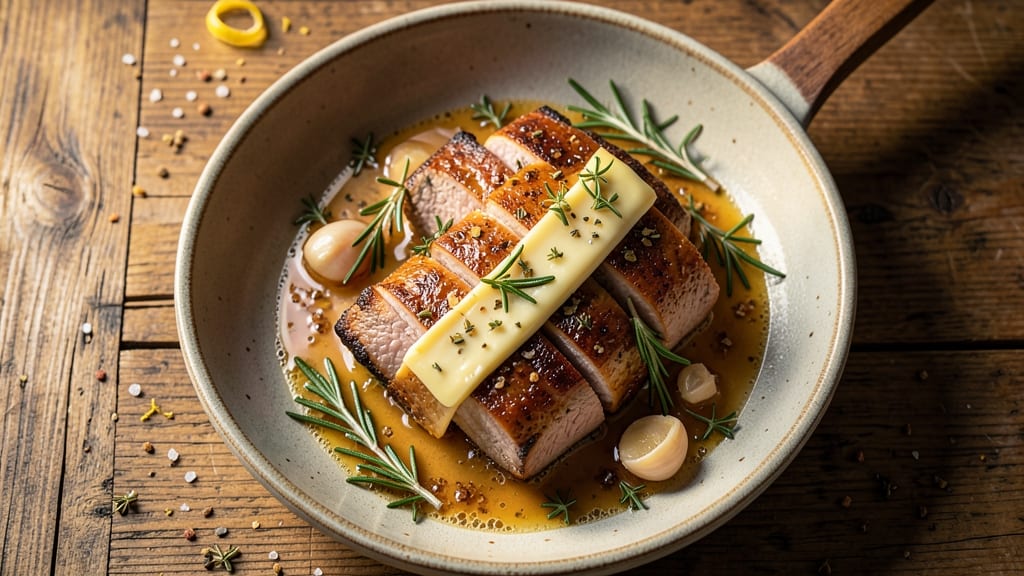
This 4 lb pork tenderloin recipe delivers restaurant-quality results with a perfect balance of crispy edges and juicy pink centers—no guesswork required. After years of perfecting this technique in my Atlanta kitchen, I've developed a foolproof method that transforms even the toughest cuts into melt-in-your-mouth perfection.
The secret lies in reverse-searing, a technique that ensures even cooking without drying out the meat.
What sets this recipe apart is the precision: a high-heat sear followed by a controlled oven finish guarantees tender, juicy meat with a golden-brown crust. I recommend using a meat thermometer to reach an internal temperature of 145°F, ensuring safety without sacrificing moisture.
The process takes about 45 minutes total, making it ideal for special occasions or weeknight dinners when you want to impress.
By the time you serve this dish, your guests will experience perfectly seared pork with a crisp exterior and juicy pink interior—the kind of cut that falls apart with every bite.
The reverse-searing method preserves natural juices while creating that coveted caramelized crust. This recipe is designed to be your new go-to for pork tenderloin, whether you're grilling, roasting, or smoking.
Pair it with classic sides like garlic mashed potatoes or roasted seasonal vegetables for a complete meal. The beauty of this method is its versatility—it works equally well for family dinners or elegant gatherings. Let's get started on creating your most tender, juicy pork tenderloin yet.
Ingredients for 4 lb pork tenderloin
Six ingredients transform a simple pork tenderloin into restaurant-quality perfection—crisp edges, juicy pink centers.
| Ingredient | Amount | Notes |
|---|---|---|
| Pork Tenderloin 🥩 | 4 lb | Center-cut, trimmed of silver skin |
| Kosher Salt 🧂 | 1 ½ tbsp | Diamond Crystal preferred, freshly ground |
| Freshly Ground Black Pepper 🌶️ | 1 tbsp | Coarsely cracked, not pre-ground |
| Unsalted Butter 🧈 | ½ cup | Cold, cut into 1-inch cubes |
| Fresh Rosemary 🌿 | ¼ cup | Finely chopped, woody stems removed |
| Fresh Thyme 🌿 | ⅛ cup | Leaves only, stems discarded |
| Garlic Cloves 🧄 | 6 cloves | Smashed, not minced |
| Extra-Virgin Olive Oil 🫒 | 2 tbsp | High smoke point, fruity variety |
| Apple Cider Vinegar 🍎 | 1 tbsp | For brining solution |
| Granulated Sugar 🍚 | 1 tbsp | For brining balance |
| Vegetable Oil 🫒 | ½ cup | For high-heat searing |
The pork tenderloin is your star, so source it carefully. Look for center-cut pieces with even thickness—Whole Foods or local butchers often carry the best quality. Trim any silver skin before cooking to ensure even searing. Fresh herbs make all the difference here: Trader Joe's has great pre-chopped rosemary and thyme, but I always buy whole sprigs and chop them myself. For the butter, Plugrá or European-style brands melt beautifully without burning. The garlic should be firm with no green shoots—Lundberg organic cloves are my go-to for consistent flavor.
No fresh rosemary? Dried works at one-third the amount, but the texture won't be the same. Running out of apple cider vinegar? Lemon juice or white wine vinegar in equal parts does the trick. The sugar in the brine isn't just for sweetness—it helps tenderize the meat. If you're short on time, skip the 30-minute brine and just season the pork generously with salt and pepper before searing. For the oil, avocado oil has a higher smoke point than olive oil if you're worried about burning. And trust me on the cold butter cubes—they render perfectly during searing for that golden crust.
This pork reheats beautifully—10 minutes at 300°F restores moisture without drying it out. Store leftovers wrapped tightly in parchment paper for 3-4 days in the fridge. For longer storage, freeze portions in vacuum-sealed bags for up to 3 months. I always make a double batch because the leftovers taste even better the next day. The crispy edges soften slightly, but the meat stays juicy. Pair with roasted potatoes or a simple arugula salad to keep the meal light and fresh.
Why You'll Love This Recipe
- One-Pan Magic: I swear by this recipe when I’m too tired to scrub pots—just the tenderloin, butter, and rosemary on a sheet pan. The pork practically sears itself while the butter bastes, and honestly? I’ve done it in my pajamas.
- Herb-Butter Bliss: That crispy rosemary crust with melted butter? It’s the kind of flavor that makes people pause mid-bite. The salt and pepper cut through the richness just enough—simple, but ridiculously satisfying.
- Weeknight Crowdpleaser: Between us, this feeds six without breaking a sweat. My husband’s coworkers always ask for the recipe after tasting it, and I’ve used leftovers for sandwiches, tacos, and even breakfast hash. (Yes, even on a Tuesday night.)
- Budget-Friendly Feast: A 4 lb tenderloin stretches further than you’d think, especially when you slice it thin. I’ve made it for date nights, family dinners, and even a last-minute potluck—and never once regretted the cost.
Step-by-step instructions for reverse-seared pork tenderloin
Here's how to transform a simple pork tenderloin into a restaurant-worthy centerpiece with tender pink hearts and crispy edges.
Prepare the Herb Butter and Brine
In a small bowl, combine the 0.5 cup unsalted butter, 0.25 cup fresh rosemary, 0.125 cup fresh thyme, 6 smashed garlic cloves, 1 tbsp apple cider vinegar, and 1 tbsp granulated sugar. Mix until the butter becomes a loose, herby paste. Shape into a log and chill for 30 minutes—this keeps it firm for easy slicing later.
Meanwhile, dissolve the 1.5 tbsp kosher salt in 4 cups cold water in a large bowl. Submerge the 4 lb pork tenderloin completely and refrigerate for 1-2 hours. Brining ensures even seasoning and prevents drying during the slow cook. The meat should float—if not, add more ice cubes to keep it submerged.
Slow-Roast to Perfect Doneness
Preheat your oven to 325°F. Remove the pork from the brine, pat dry with paper towels, and let it sit at room temperature for 30 minutes. This helps the meat cook evenly. Place the tenderloin on a wire rack set over a baking sheet—this allows air circulation for even cooking.
Roast for 25-30 minutes until the internal temperature reaches 140°F (use a meat thermometer). The pork should still feel slightly springy when pressed—this is the "reverse sear" starting point. Overcooking here ruins the tender texture we're aiming for. Remove from oven and let rest for 10 minutes before searing.
Create the Crispy Crust
Heat 0.5 cup vegetable oil in a large skillet over medium-high heat until it shimmers (350°F). Slice the chilled herb butter log into ¼-inch thick pieces. Working quickly, sear the pork tenderloin on all sides for 1-2 minutes per side until deep golden brown. The high heat creates that coveted crust while keeping the interior juicy.
Transfer the pork to a cutting board and let rest for 5 minutes. Slice into 1-inch thick medallions against the grain. The exterior should be crispy while the interior remains tender and pink—this is the hallmark of perfect reverse searing. Serve immediately with the sliced herb butter on top for melting richness.
Garnish and Serve
Arrange the pork medallions on a platter and drizzle with any remaining pan juices. Garnish with extra fresh thyme sprigs and a sprinkle of freshly ground black pepper. The contrast between the crispy exterior and juicy pink center is what makes this dish extraordinary.
For serving, I recommend pairing with roasted root vegetables or a bright citrus salad. The herb butter adds an aromatic finish that ties everything together. Each bite should deliver that satisfying combination of textures and flavors—crispy, tender, herby, and perfectly seasoned.
Pro Tips For Making 4 Lb Pork Tenderloin
- USE A MEAT THERMOMETER: I learned this the hard way—pork tenderloin looks done when it’s still overcooked. Aim for 145°F internal temp, then pull it from the heat immediately. That 5-degree buffer keeps it juicy, not dry.
- SALT THE PORK 24 HOURS EARLY: More salt than you think, especially if using unsalted butter. Pat the tenderloin dry, then season generously before cooking—this isn’t the time to skimp. The salt draws out moisture, which crisps beautifully when seared.
- DON’T COVER IT TOO SOON: After searing, let the pork rest uncovered for 5 minutes. I know, I know—it looks naked and vulnerable. But covering too early traps steam and turns your crust into sad, soggy skin. Patience here makes all the difference.
- CHOP THE ROSMARY FINE: Skip the whole sprigs unless you’re feeling fancy. Finely chopped rosemary (about 1 tablespoon) distributes flavor evenly and melts into the butter better. Trust me, your guests won’t notice the difference—but your taste buds will.
Wine and beer pairings for this dish
Red Wine Classics
For this herb-crusted pork tenderloin, I reach for Pinot Noir from the Willamette Valley—its bright acidity and red fruit notes complement the rosemary and thyme beautifully. A 2020 Domaine Serene or Oregon Pinot at $35-$45 balances the richness without overpowering.
If you prefer something bolder, a Chianti Classico from Tuscany brings earthy undertones that pair perfectly with the crispy crust. 🍷
Crisp White Options
Surprisingly, a dry Riesling from Germany works wonders—try a Dr. Loosen Blue Slate with its citrus and mineral notes. The slight sweetness cuts through the pork's richness while enhancing the herb butter's aroma.
For something lighter, a Sancerre from Loire Valley (like Domaine Vacheron) offers crisp apple and flinty minerality that refreshes the palate between bites.
Local Southern Pairings
Since I grew up in Georgia, I always keep a bottle of Georgia Chardonnay on hand—look for Chateau Elan or Pebblebrook for rich vanilla and stone fruit flavors.
For beer lovers, a Belgian Witbier like Hoegaarden with its coriander and citrus notes provides a refreshing contrast to the pork's richness. The effervescence cleanses the palate beautifully.
Bold Red Alternatives
If you love reds, a Syrah from Washington State (like Chateau Ste. Michelle) delivers smoky, dark berry flavors that stand up to the herb butter. For something more approachable, a Zinfandel from California—such as Ravenswood—adds a touch of spice that enhances the black pepper crust.
I often serve this with a Cabernet Sauvignon from Napa when entertaining, but it can be overpowering for some palates.
Non-Alcoholic Options
Don't overlook sparkling options! A dry sparkling water infused with rosemary sprigs and lemon slices mimics wine's acidity. For something richer, try a ginger beer like Feather's—the spicy kick complements the pork's herbal notes.
I've also served sparkling apple cider (like Martinelli's) with a splash of apple cider vinegar for a tangy, refreshing pairing.
Nutrition facts
Frequently asked questions
Why does this recipe call for a 4 lb pork tenderloin instead of smaller cuts?
The 4 lb size is ideal for feeding 6-8 people with generous portions, making it perfect for gatherings. Larger cuts like this benefit from the reverse-sear method because they cook more evenly and develop a better crust. Smaller tenderloins (under 2 lbs) can dry out if cooked too long, while this size maintains perfect juiciness throughout.
Can I cook this pork tenderloin on the grill instead of in the oven?
For grilling, preheat to 325°F and follow the same slow-roast method first. After reaching 140°F, transfer to a hot grill (around 400°F) for 2-3 minutes per side to create the crispy crust. Use a grill basket to prevent flare-ups, and baste with melted herb butter for extra flavor. The key is maintaining control over the heat to avoid burning.
What if my pork tenderloin is uneven in thickness?
Uneven thickness can cause some parts to overcook while others stay underdone. Trim any irregular sections to create an even 1.5-inch thick cut before seasoning. If you can't trim much, place thicker sections on the rack first during roasting, then rotate the pan halfway through to ensure even cooking. This prevents dry spots while keeping the thinner areas juicy.
How do I know when the pork is fully cooked without overcooking it?
Use a meat thermometer to check the internal temperature—145°F is the safe minimum for pork. The reverse-sear method guarantees perfect doneness because you're cooking it slowly first, then finishing with high heat. If you don't have a thermometer, press the meat gently: it should feel springy but yield slightly when pressed with your finger.
Can I make this ahead of time for a dinner party?
Yes! Cook the pork completely (to 145°F) and let it cool, then refrigerate for up to 2 days. Reheat in a 300°F oven for 10-15 minutes with a splash of water or broth to restore moisture. For serving, sear the reheated pork in a hot skillet for 1-2 minutes per side to revive the crispy crust. The flavor actually improves after resting!