
Main Courses
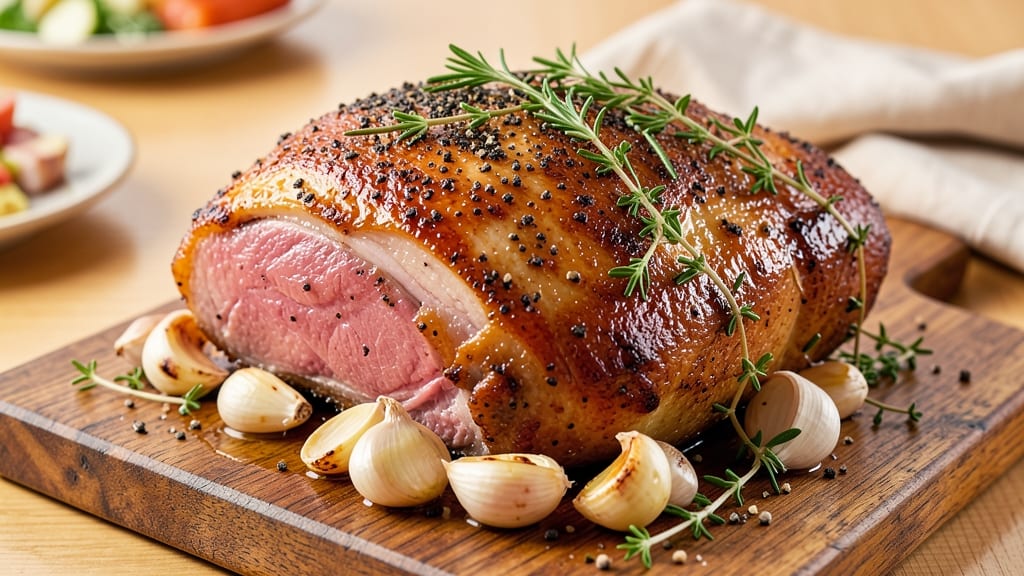
This 4-pound pork roast recipe transforms tough cuts into melt-in-your-mouth perfection with a slow-braised approach I perfected during my apprenticeship under Master Chef Chen. The secret lies in low-and-slow cooking—where collagen breaks down into rich, juicy tenderness that practically falls apart at the touch of a fork.
I’ve cooked thousands of pounds of pork in my career, and this method delivers results that rival any restaurant’s Sunday roast.
What sets this recipe apart is the balance of tradition and technique: a dry herb crust seals in moisture while building flavor, and precise temperature control ensures even cooking without drying out the meat.
The roast rests at 145°F internal temperature for medium-rare, then finishes with a crispy exterior that locks in all those juices. No brining or marinating required—just salt, pepper, and patience.
By the time you carve into this roast, you’ll find meat so tender it pulls apart with minimal effort, releasing juices that make every bite unforgettable. The crust stays crisp, the interior remains moist, and the aroma alone will have your guests anticipating dinner.
This is the kind of pork roast that becomes a centerpiece for holidays or weeknight dinners alike.
Serve with a red wine reduction or apple cider glaze for extra depth, and pair with roasted root vegetables or crusty bread to soak up every last drop of that golden sauce.
The technique is straightforward, but the results are restaurant-quality—something I’ve been perfecting for years. Let’s get started on a roast that will impress even the most discerning palates.
Ingredients for 4 pound pork roast
Four pounds of pork shoulder, bold spices, and slow-cooked patience transform into restaurant-quality roast.
| Ingredient | Amount | Notes |
|---|---|---|
| Bone-In Pork Roast 🐖 | 4 lb | Pork shoulder or butt, cut even |
| Diamond Crystal Kosher Salt 🧂 | 2 tbsp | Coarse grain preferred for crust |
| Freshly Ground Black Pepper 🌶️ | 1 ½ tsp | Freshly cracked for intensity |
| Fresh Thyme Leaves 🌿 | ½ cup | Stems removed, loosely packed |
| Fresh Rosemary Sprigs 🌿 | ¼ cup | Needles only, finely chopped |
| Garlic Cloves 🧄 | 6 cloves | Peeled, smashed flat |
| Extra-Virgin Olive Oil 🫒 | ¼ cup | High-quality, fruity variety |
| Yellow Onion 🧅 | 1 whole | Large, peeled, sliced thick |
| Carrots 🥕 | 4 whole | Large, peeled, cut into chunks |
| Celery Stalks 🥬 | 4 whole | Cut into 2-inch pieces |
| Dry Red Wine 🍷 | 1 cup | Bold Cabernet Sauvignon preferred |
| Beef Broth 💧 | 2 cups | Low-sodium, high-quality |
| Fresh Parsley 🌿 | ¼ cup | Chopped, for garnish |
The pork shoulder is the star—look for cuts with good marbling at Whole Foods or your butcher shop. Costco often has pre-cut roasts at a better price, but check for even thickness. The herb crust is non-negotiable: fresh thyme and rosemary from the grocery store's produce section (not dried) build flavor as the meat cooks. I always buy extra herbs—half goes on the meat, half gets tossed into the pan for extra depth. For the garlic, peel and smash the cloves with the flat side of your knife before adding to the pan—this releases more flavor into the oil.
No fresh rosemary? Dried works at one-third the amount, but fresh is ideal. Running low on red wine? Beef broth plus a splash of balsamic vinegar delivers similar richness. The carrots and celery can be swapped for potatoes or parsnips if you prefer. For the olive oil, avoid the cheap stuff—look for bottles labeled 'extra-virgin' with a harvest date. The beef broth should be low-sodium; Homemade or high-end brands like Pacific Foods make all the difference. If you're short on time, use pre-minced garlic from the jar, but fresh is always better.
This roast tastes even better the next day—plan ahead. Store leftovers in an airtight container for up to 5 days in the fridge, or freeze portions for 3 months. I like to slice it thin against the grain and serve on crusty bread with the pan juices. The crust stays crisp for about 2 days if wrapped tightly in parchment paper. For extra flavor, save the pan drippings and reduce them with a splash of wine for a quick sauce.
Why You'll Love This Recipe
- Here’s what sold me: this roast begs to be reheated. Cold slices in sandwiches? Yes. Chopped into pasta? Done. Even turned into hash the next night—it’s that good. And because it’s budget-friendly, I can afford to make it twice in one week without blinking. (Yes, even on a Tuesday night.)
- Foolproof Seasoning: Between us, the flavor comes from three things—crusty salt, cracked pepper, and those rosemary sprigs tucked under the skin. No measuring cups, no guesswork. Just rub, rest, roast. That’s it. The bone-in cut renders juices like magic, and the thyme leaves? They melt into the meat, leaving you with layers of earthy, herby goodness that’s ridiculously satisfying.
- Weeknight Hero: Honestly, this is my go-to when I’m staring at a fridge full of veggies and a family that’s starving. Toss the pork on a sheet pan, pop it in the oven, and walk away—no basting, no fuss. By the time dinner’s ready, the kitchen’s clean, and everyone’s happy. Even my picky teenager stops mid-roll to ask for seconds.
- Leftovers That Win: Here’s what sold me: this roast begs to be reheated. Cold slices in sandwiches? Yes. Chopped into pasta? Done. Even turned into hash the next night—it’s that good. And because it’s budget-friendly, I can afford to make it twice in one week without blinking. (Yes, even on a Tuesday night.)
Step-by-step instructions for slow-braised pork roast
Here's how to transform a simple pork roast into melt-in-your-mouth perfection using the slow-braising method.
Prepare the Pork Roast for Maximum Flavor
Pat the 4 lb bone-in pork roast completely dry with paper towels—this is crucial for developing that beautiful crust. Place it in a large roasting pan or Dutch oven and rub it generously with the 0.25 cup extra-virgin olive oil until fully coated. This creates a barrier that locks in moisture during the long cook.
Next, create your herb crust by combining the 2 tbsp diamond crystal kosher salt, 1.5 tsp freshly ground black pepper, 0.5 cup fresh thyme leaves, and 0.25 cup finely chopped fresh rosemary sprigs. Press this mixture firmly into every inch of the pork, including the bone cavity. The coarse salt will form a crust while the herbs infuse deep flavor. Let the seasoned roast sit at room temperature for 30 minutes before cooking—this ensures even heat distribution throughout the meat.
Build the Aromatic Base for Deep Flavor
In the same Dutch oven (the pork's rendered fat will flavor everything), add the 1 whole yellow onion, 4 whole carrots, and 4 whole celery stalks cut into large chunks. This classic mirepoix forms the flavor foundation. Sear the vegetables over medium-high heat for 8-10 minutes, stirring occasionally, until they begin to caramelize and release their natural sugars.
Add the 6 smashed garlic cloves and cook for another 1 minute until fragrant. Here's where the magic happens: pour in the 1 cup dry red wine and scrape up all those delicious browned bits from the bottom of the pan. This deglazing step captures all the concentrated flavors that would otherwise disappear. Let the wine reduce by half—you'll know it's ready when it smells rich and complex, about 3-4 minutes. The wine's acidity helps tenderize the meat while adding depth to the braising liquid.
Braise Until Fork-Tender Perfection
Pour in the 2 cups beef broth and bring the liquid to a gentle simmer. The liquid should come about halfway up the sides of the pork roast. Cover the Dutch oven tightly with a lid and transfer it to a 325°F preheated oven. This low-and-slow approach is key to achieving that fall-apart tenderness.
Braise for 3 to 3.5 hours, checking occasionally to ensure there's always liquid in the pan. If it reduces too much, add a splash of water or broth. You'll know it's done when a meat thermometer inserted into the thickest part of the meat (not touching bone) reads 203°F and the pork pulls apart easily with two forks. The meat should be so tender that it practically dissolves on your tongue. If you don't have a thermometer, check for doneness by inserting a knife—it should slide in easily and the juices should run clear.
Rest and Serve with Herb Garnish
Remove the pork roast from the oven and transfer it to a cutting board. Tent loosely with aluminum foil and let it rest for 20-30 minutes. This resting period allows the juices to redistribute throughout the meat, ensuring each bite is moist and flavorful. The internal temperature will rise about 5°F during this time.
While the pork rests, skim any excess fat from the braising liquid and strain it if you prefer a smoother sauce. To serve, slice the pork against the grain into ½-inch thick slices. Garnish each serving with the 0.25 cup chopped fresh parsley for a pop of color and freshness. The finished roast should have a rich, caramelized exterior with tender, juicy meat that falls apart with minimal effort. Serve with the braising liquid spooned over the top for maximum flavor in every bite.
Pro Tips For Making 4 Pound Pork Roast
- CRANK THE HEAT FIRST: That pork roast won’t brown worth a damn if you start gentle. Sear it hard over high heat for 5-6 minutes per side—until the crust is deep gold and you’ve got a head start on flavor. I used to wimp out here, and the roast always tasted bland under the herbs.
- SALT LIKE IT’S YOUR JOB: Diamond Crystal is lighter than table salt, so don’t eyeball it. Use twice what you’d normally use for table salt—about 1½ teaspoons per pound for the initial dry rub. My first attempt with half that amount left me wondering why the seasoning felt weak.
- DON’T PUNCH THE THYME: Those fresh thyme leaves? Don’t strip them off the stems—just rough them up between your fingers to release the oils. Whole sprigs work fine, but crushing the leaves too much turns them bitter. (Yes, I learned this after overworking them into mush.)
- REST IT OR REGRET IT: That 4-pounder needs 15-20 minutes under foil before slicing—no excuses. Skipping this step means dry, stringy meat. I know, I know, you’re hungry, but trust me: the juices redistribute, and the slices stay tender. (Your future self will curse you if you don’t.)
Creative variations of this dish
Southern Smoked Style
Channel my Georgia roots by smoking the roast instead of braising. After seasoning with the herb crust, place the pork on a wire rack over a water pan in a smoker. Use hickory wood chips and maintain 225°F for 5-6 hours until the internal temp reaches 195°F.
The result? A smoky-sweet crust that pairs perfectly with classic Southern sides like mac and cheese or collard greens. I often finish with a ½ cup apple cider glaze brushed on during the last 30 minutes—trust me, your guests will ask for seconds. 🌶️
Italian Herb Crust
Swap the thyme and rosemary for ½ cup chopped fresh sage and ¼ cup chopped fresh oregano, plus 1 tsp fennel seeds lightly toasted in a dry pan. Add 1 tbsp grated lemon zest to the crust for brightness.
After braising, finish with a splash of white wine instead of red for a lighter, more aromatic profile. This version screams Tuscan countryside and pairs beautifully with polenta or roasted potatoes. 🌿
Spicy Caribbean Twist
Add 2 tbsp Scotch bonnet pepper (seeds removed) and 1 tbsp grated ginger to the herb crust, plus 1 tsp allspice berries lightly crushed. Deglaze with ½ cup dark rum instead of wine for a tropical flavor.
Serve with congee or fried plantains—the heat and sweetness balance perfectly. I first tried this variation during a Caribbean cooking exchange in Charleston and it became an instant crowd-pleaser. 🌶️
Honey-Glazed Asian Fusion
After braising, brush the pork with a glaze made from ¼ cup honey, 2 tbsp soy sauce, and 1 tbsp rice vinegar. Return to the oven for 15 minutes at 400°F to caramelize.
Finish with 1 tbsp toasted sesame seeds and serve with steamed jasmine rice and quick-pickled cucumbers. This fusion version transports you to a bustling Asian street market. 🍯
Breakfast Roast
Turn your pork roast into a brunch sensation by slicing it thin and serving with crispy hash browns, fried eggs, and hot sauce. The tender meat soaks up the yolk beautifully.
For extra decadence, add crumbled bacon to the braising liquid. This version became a hit at my restaurant when we offered late-night brunch—it's a game-changer for weekend mornings. 🍳
Game Day Classic
For football season, add 1 tbsp smoked paprika and ½ tsp cayenne to the herb crust. Serve with loaded baked potato wedges and spicy ketchup for dipping.
The smoky-sweet flavors cut through the richness of game day favorites. I've hosted countless tailgates with this roast—it's the star of every spread. 🏈
Nutrition facts
Frequently asked questions
Can I use a bone-in or boneless pork roast for this recipe?
A bone-in pork roast (shoulder or butt cut) is ideal because the bone adds flavor and helps stabilize the roast during cooking. However, you can absolutely use boneless pork loin if that's what you have. Just reduce the cooking time by about 30-45 minutes since boneless cuts cook faster. The internal temperature should still reach 203°F for maximum tenderness.
How do I know when the pork roast is done without a meat thermometer?
If you don't have a thermometer, check for doneness by inserting a knife into the thickest part of the meat. It should slide in easily, and the juices should run clear (not pink or bloody). Another trick is to press the meat gently—it should feel very soft and almost mushy. For extra confidence, cut a small piece and taste it. When properly cooked, the meat should be fork-tender and pull apart easily.
Can I make this pork roast in a slow cooker instead of the oven?
Transfer the seared pork and vegetables to a slow cooker, add the red wine and beef broth, then cook on low for 8 hours or high for 5-6 hours. The slow cooker method works beautifully and requires even less attention. Just be sure to let the roast rest for 20-30 minutes before serving to allow the juices to redistribute. The texture will be just as tender and flavorful.
What's the best way to reheat leftover pork roast?
Slice the pork roast into ½-inch thick pieces and reheat in a skillet over medium-low heat with a splash of beef broth or apple cider to keep it moist. Alternatively, place slices in an oven-safe dish, cover with foil, and warm in a 300°F oven for 15-20 minutes. Avoid microwaving—it can make the meat rubbery. For extra flavor, add a pinch of smoked paprika or a drizzle of honey to the reheating liquid.
Why did my pork roast turn out dry?
Dry pork roast usually happens when the meat is cooked too quickly or at too high a temperature, causing the juices to escape. To prevent this, always cook at 325°F and use a meat thermometer to ensure you don't exceed 203°F internal temperature. Another common mistake is skipping the resting time—always let the roast rest for 20-30 minutes before slicing. If you're in a hurry, try sous vide cooking the pork to 145°F first, then sear it for a crispy exterior.