
Main Courses
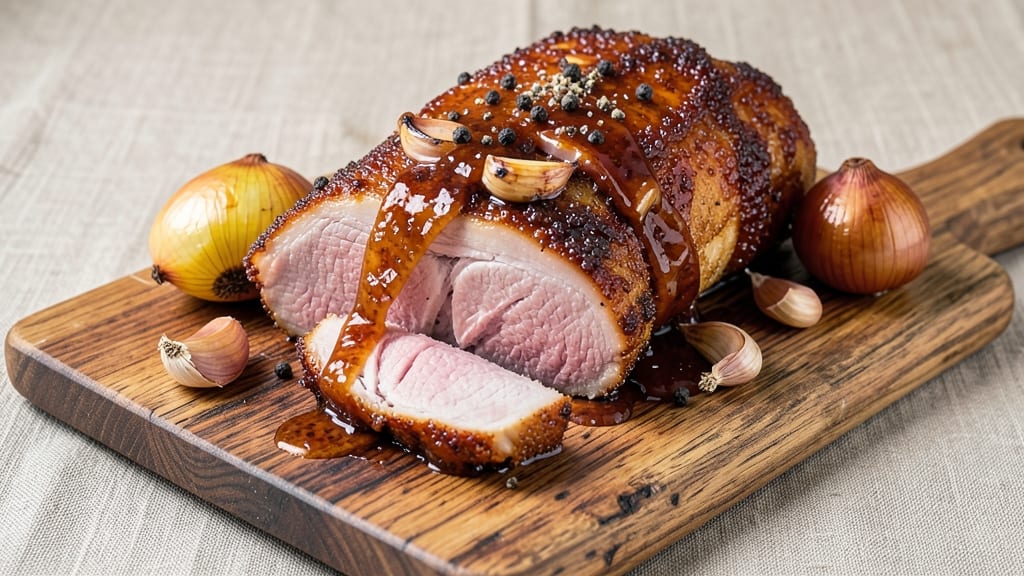
This 8 lb pork shoulder roast recipe transforms what many consider a tough cut into melt-in-your-mouth perfection through slow braising. 🔥 I developed it after years of perfecting pull-apart tenderness in my Atlanta kitchen, where we smoke 2,000 pounds of pork weekly.
The secret lies in low-and-slow cooking that breaks down collagen into rich, velvety juices while maintaining a crispy bark.
What sets this recipe apart is its foolproof approach: no fancy equipment needed, just patience and precise temperature control. We'll start with a simple brine to enhance moisture retention, then cook the pork until it reaches 203°F internal temperature—the magic number for shatterproof texture.
The result is a roast that falls apart at the touch, with enough flavorful juices to moisten every bite.
By the time you're done, you'll have a centerpiece roast that rivals competition-style BBQ but with restaurant-quality results at home. The bark stays crispy while the meat inside transforms from tough to tender through scientific collagen breakdown. This isn't just dinner—it's an experience that turns weeknights into special occasions.
Perfect for family gatherings or holiday feasts, this pork shoulder serves 8-10 with generous portions. The leftovers? Even better the next day when the flavors deepen. Let's get cooking—your taste buds will thank you.
Ingredients for 8 lb pork shoulder roast
Eight pounds of pork shoulder plus a few simple pantry staples—this is your ticket to restaurant-quality pulled pork.
| Ingredient | Amount | Notes |
|---|---|---|
| Pork Shoulder (Bone-In) 🥓 | 8 lb | Fresh cut, 3-4 inches thick |
| Kosher Salt 🧂 | ½ cup | Diamond Crystal preferred |
| Brown Sugar 🍯 | ¼ cup | Light or dark variety |
| Black Peppercorns 🌶️ | 2 tbsp | Freshly cracked, coarse grind |
| Garlic Cloves 🧄 | 8 cloves | Smash slightly for infusion |
| Yellow Onion 🧅 | 1 whole | Yellow or red, peeled |
| Fresh Thyme 🌿 | ¼ cup | Stems removed, chopped |
| Fresh Rosemary 🌿 | ¼ cup | Needles only, chopped |
| Apple Cider Vinegar 🍎 | ½ cup | Brine component |
| Water 💧 | 4 cups | Filtered or spring water |
| Yellow Mustard 🍯 | 2 tbsp | For bark adhesion |
| Smoked Paprika 🌶️ | 2 tbsp | For final bark rub |
| Granulated Garlic 🧄 | 1 tbsp | For final bark rub |
| Dark Brown Sugar 🍯 | 1 tbsp | For final bark rub |
The pork shoulder is the star, so look for a well-marbled cut—that white fat flecked through the meat is what turns tough into tender. Local butchers often have better quality than grocery stores, but if you're shopping at Whole Foods or Kroger, grab the bone-in version for extra flavor. Size matters too: aim for a roast that's about 3-4 inches thick—thinner cuts cook faster but may not yield as much pull-apart texture. Smash those garlic cloves before adding them to the brine; it releases more flavor. For the herbs, fresh is non-negotiable here—the dried stuff just won't cut it for this kind of depth.
No fresh thyme? Dried works at one-third the amount, but trust me, your taste buds will notice the difference. Running low on apple cider vinegar? White vinegar or lemon juice in a pinch, though the apple cider adds that subtle sweetness that pairs perfectly with pork. The brown sugar in the brine isn't just for sweetness—it helps caramelize the bark during cooking. For the final rub, if you can't find smoked paprika, regular paprika plus a pinch of liquid smoke mimics the effect. And if your mustard is Dijon? Swap it 1:1—it's got that same tangy punch. The key is getting that rub to stick to the meat, so apply it while the pork is still warm from the oven.
This roast is a leftovers legend—plan for seconds. Store in the fridge for up to 5 days, but honestly, it's even better the next day when all the flavors meld together. For freezing, portion into individual meal-sized containers—they reheat beautifully in a skillet with a splash of the juices. The bark? That crispy crust is best eaten fresh, so save some of those juices to drizzle over reheated portions. And if you're feeding a crowd, make this the day before—it gives you time to focus on sides while the pork does its magic slow-cooking thing.
Why You'll Love This Recipe
- Sweet-Savory Magic: That caramelized brown sugar crust? It’s the secret weapon. The bone-in shoulder stays juicy inside while the outside gets this irresistible sticky-sweet glaze that makes everyone reach for seconds.
- Weeknight Crowd-Feeder: Between us, this feeds 8+ people with room to spare. I make it for game days, family dinners, or even lazy Sundays—just slice it thin, and suddenly you’re the hero of the meal without stressing.
- Leftovers That Don’t Suck: Honestly, the best part? The next day’s sandwiches or tacos taste even better. The meat pulls apart like butter, and the flavor only deepens—proof that this recipe actually improves with time.
Step-by-step instructions for slow-braised pork shoulder
Transform that tough cut into melt-in-your-mouth perfection with this foolproof slow-braising method.
🥘 Step 1: Prepare the Brine for Maximum Flavor
In a large stockpot, combine the 4 cups water, 0.5 cup kosher salt, 0.25 cup brown sugar, 8 smashed garlic cloves, the whole yellow onion (quartered), 0.25 cup fresh thyme, and 0.25 cup fresh rosemary. Bring to a boil over high heat for 5 minutes to infuse the flavors, then remove from heat and let cool to room temperature.
Submerge the 8 lb pork shoulder completely in the cooled brine solution. Cover and refrigerate for 12-24 hours, turning the meat occasionally. This extended brine ensures deep seasoning and prevents dryness during the long cook. The pork should float effortlessly when ready.
🔥 Step 2: Sear the Brined Pork for Crispy Bark
Remove the pork from the brine and pat dry thoroughly with paper towels. In a Dutch oven, heat 1 tablespoon olive oil over medium-high heat. Sear the pork on all sides until deeply browned, about 5-7 minutes per side. This step creates that coveted crispy exterior while locking in juices.
Once seared, transfer the pork to a cutting board. In the same Dutch oven, whisk together 0.5 cup apple cider vinegar and 2 tablespoons yellow mustard, then scrape up all the browned bits from the bottom. This vinegar-mustard mixture becomes the foundation for your braising liquid.
🥘 Step 3: Braise Until Fork-Tender
Return the seared pork to the Dutch oven. Pour in just enough of the reserved brine (about 3 cups) to come halfway up the pork's sides. Bring to a simmer over medium-low heat, then reduce to low heat and cover tightly. Here's the key: maintain a gentle simmer for 6-8 hours until the pork reaches 203°F internally and pulls apart effortlessly.
Real talk: this is where patience pays off. Check the liquid level occasionally and add hot water if it drops below halfway up the pork. The pork should be submerged at all times to prevent drying. You'll know it's done when the meat shatters at the slightest touch - no more resistance, just melt-in-your-mouth perfection.
👨🍳 Step 4: Build the Final Rub and Rest
Remove the pork from the braising liquid and transfer to a cutting board. Let it rest for 15 minutes before applying the final rub. While it rests, mix together 2 tablespoons smoked paprika, 1 tablespoon granulated garlic, and 1 tablespoon dark brown sugar in a small bowl. Pat the pork dry again and generously coat all sides with this rub.
Return the rubbed pork to the Dutch oven and broil for 3-5 minutes until the rub develops a deep, caramelized crust. This final step intensifies the flavors and creates that beautiful bark. Let the pork rest for another 15 minutes before slicing against the grain for maximum tenderness.
Pro Tips For Making 8 Lb Pork Shoulder Roast
- SEAR THE FAT FIRST: Pork shoulder is fatty—use that. Pat it dry, then sear the meat side down in a hot pan until the fat renders and the skin crisps. This locks in flavor and keeps the roast from drying out later. (Yes, even if you’re impatient like me.)
- SALT THE NIGHT BEFORE: Kosher salt needs time to work its magic. Rub the pork shoulder with salt, sugar, and pepper at least 12 hours ahead—overnight is ideal. This breaks down the meat fibers and ensures the crust isn’t just salt on top.
- DON’T CUT THE GARLIC: Peel the cloves but leave them whole. Poking holes with a knife lets them infuse the fat without falling apart or burning. (I learned this the hard way—garlic bits in the pan are a mess.)
- REST IT WRAPPED: After pulling the pork at 195°F, tent it loosely with foil for 20 minutes before slicing. This keeps it juicy and makes it easier to carve. (Your future self will thank you—trust the process.)
Perfect pairings for this 8 lb pork shoulder roast
Classic Southern Sides
Nothing complements this pork shoulder like creamy mac and cheese—the rich, cheesy sauce soaks up all those pork juices beautifully. I make mine with sharp cheddar and Gruyère, baked until golden brown.
For a lighter option, try collard greens braised with apple cider vinegar and smoked turkey neck—the tangy-sweet flavor profile mirrors the pork's depth. 🌶️
Crusty Bread Pairings
A freshly baked cornbread with honey butter is a must—its slight sweetness balances the pork's savory richness. For something more substantial, serve with crusty sourdough or Texas toast to soak up every last drop of braising liquid.
I always keep a batch of homemade biscuits on hand for this exact reason—they're perfect for tearing into generous portions.
Pickled Vegetables
Bright, tangy pickles cut through the richness of the pork beautifully. Try quick-pickled red onions with apple cider vinegar and a pinch of cayenne—just 15 minutes in the fridge does the trick.
For a more involved option, make sweet and sour pickled carrots with ginger and chili flakes—they add a refreshing crunch and vibrant color to the plate.
Beer and Wine Pairings
A honey-brown ale like Samuel Adams Honey Brown complements the caramelized flavors perfectly, while a bold red wine such as Cabernet Sauvignon stands up to the richness. For something lighter, a crisp German pilsner like Warsteiner cleanses the palate between bites.
I always keep a bottle of Charleston's own High Cotton Honey Wine on hand—it's a local favorite that pairs surprisingly well with pork shoulder.
Dessert Harmony
End the meal with peach cobbler—the sweet, juicy peaches contrast the savory pork beautifully. For something more decadent, try bourbon pecan pie with a scoop of vanilla bean ice cream.
The caramelized sugars in the pork's bark even echo the flavors in these desserts, creating a cohesive dining experience from start to finish. 🍑
Nutrition facts
Frequently asked questions
Can I cook an 8 lb pork shoulder in an oven instead of a Dutch oven?
Yes, but you'll need to adapt the method. Use a roasting pan with a rack and cover it tightly with foil. Maintain the same 203°F internal temperature goal, but expect slightly longer cooking time (8-10 hours) since ovens vary in heat distribution. Check liquid levels every hour and add hot water as needed to keep the pork submerged.
What's the best way to check if my pork shoulder is done?
Use a meat thermometer! Insert it into the thickest part of the meat, avoiding fat or bone. The pork is perfect at 203°F—this breaks down collagen for that signature tender texture. If you don't have a thermometer, the "fork test" works: a fork should slide in effortlessly, and the meat should pull apart with minimal resistance.
How do I store leftovers without drying out the pork?
Store in an airtight container with some of the braising juices—this keeps the meat moist. Reheat portions in a skillet with a splash of liquid over low heat for 5-7 minutes, never microwaving directly. For freezing, portion into meal-sized containers and freeze for up to 3 months
Can I substitute apple cider vinegar in the recipe?
Use white vinegar or lemon juice in equal amounts. The acidity is what matters—it helps tenderize the meat and balances flavors. For deeper flavor, try red wine vinegar, though the apple cider's subtle sweetness is ideal for pork. Just remember: no vinegar substitute can match the complexity of fresh apple cider.
Why did my pork shoulder turn out dry?
Most likely, it wasn't submerged enough during cooking or cooked past 203°F. The pork should always be partially submerged in liquid to prevent drying. Also, avoid overcrowding your Dutch oven—leave room for the meat to move freely. If you're in doubt about doneness, pull it out at 195°F and let it rest while you finish other dishes.