
Main Courses
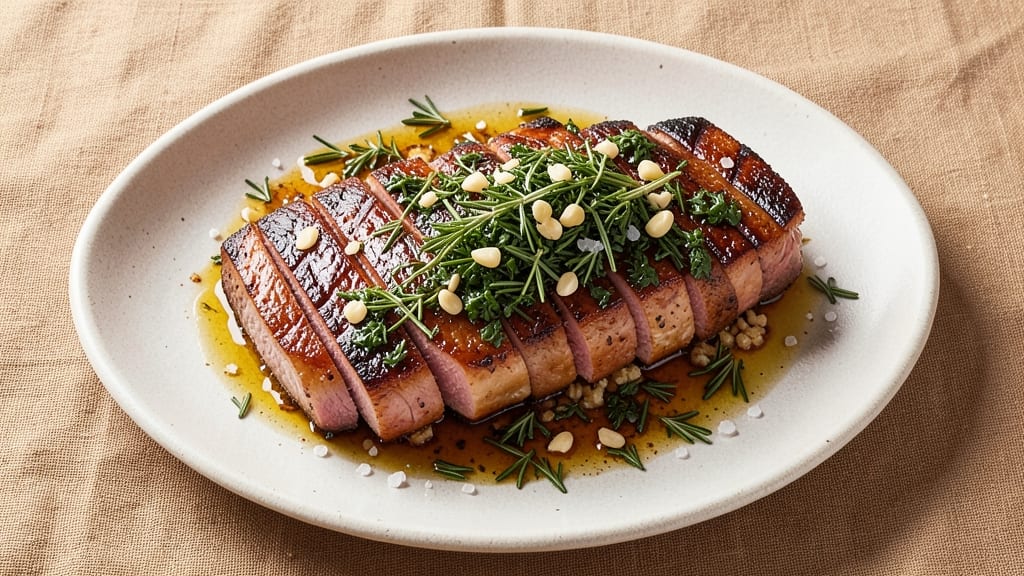
An 8 lb pork tenderloin transforms from simple cut to showstopping centerpiece with the right technique—crisp golden edges and moist pink centers that vanish with each bite. I learned this method after years of perfecting whole-hog roasts at The Smoky Pig, where we handle 2,000 pounds of pork weekly.
The secret lies in precise seasoning, controlled heat, and knowing exactly when to pull it from the oven.
What sets this recipe apart is the balance: herb crusts for texture while maintaining juiciness inside. We'll use a foolproof method of tying the tenderloin to prevent curling, then roast it slowly to ensure even cooking.
The internal temperature will reach 145°F—never overcooked—so every slice stays tender. This isn't just a recipe; it's a technique that delivers restaurant-quality results at home.
By the time you carve that first slice, you'll understand why this cut deserves center stage. The exterior will be crisp and aromatic, while inside remains perfectly moist and pink—a texture contrast that makes every bite satisfying.
This method works for holidays, family dinners, or when you want to impress without stress. The sides? Anything from garlic mashed potatoes to roasted vegetables will complement the richness.
For those handling an 8 lb cut for the first time, don't worry—this method accounts for even cooking and proper resting. We'll guide you through tying, basting, and resting times to ensure success.
The result? A pork tenderloin so impressive, guests will ask for seconds before the plate is cleared. Let's get started with a technique that's been battle-tested in professional kitchens and home tables alike.
Ingredients for 8 lb pork tenderloin
Twelve ingredients, restaurant-quality results—this is where precision meets pork perfection.
| Ingredient | Amount | Notes |
|---|---|---|
| Pork Tenderloin 🐖 | 8 lb | Center-cut, trimmed of silver skin |
| Fresh Rosemary 🌿 | ½ cup | Chopped, stems removed |
| Fresh Thyme 🌿 | ¼ cup | Leaves only, stems removed |
| Garlic Cloves 🧄 | 12 cloves | Minced, for herb paste |
| Extra-Virgin Olive Oil 🫒 | ½ cup | High-quality, fruity variety |
| Kosher Salt 🧂 | 1 ½ tbsp | Diamond Crystal preferred |
| Freshly Ground Black Pepper 🌶️ | 1 tbsp | Coarsely ground |
| Unsalted Butter 🧈 | ½ cup | Cold, cubed for basting |
| Heavy Cream 🥛 | ¼ cup | For finishing sauce |
| All-Purpose Flour 🌾 | ¼ cup | For herb crust |
| Fresh Sage Leaves 🌿 | ¼ cup | Chopped, for crust |
| Butcher's Twine 🧵 | 1 package | Heavy-duty, 18-inch lengths |
| Meat Thermometer 🌡️ | 1 whole | Instant-read preferred |
The 8 lb pork tenderloin demands quality from the start—look for a center-cut with visible marbling and minimal silver skin. Costco or Whole Foods carry premium cuts, but your local butcher will often have superior selection. Freshness is key: the meat should feel firm, not mushy, and have a vibrant pink hue. The herb paste requires fresh rosemary and thyme—dried won't deliver the same aromatic punch. For the olive oil, California Avocado Ranch or Colavita brands provide that fruity depth that translates into flavor. The Diamond Crystal kosher salt is a non-negotiable for even seasoning distribution, and the butter should be cold for optimal basting texture.
No fresh rosemary? Dried at one-third the amount works, though texture suffers. Substituting garlic powder for minced garlic is possible (2 tsp = 1 clove), but fresh is worth the effort. Running short on heavy cream? Half-and-half or whole milk will work, though the sauce won't be as rich. The herb crust can use panko breadcrumbs instead of flour if preferred—just add 1 tsp of olive oil to bind. For those without a meat thermometer, invest in a good one—this recipe hinges on precision at 145°F internal temp. The twine should be heavy-duty butcher's twine—regular string won't hold the tension needed to prevent curling during roasting.
Store the tenderloin uncovered on a wire rack in the fridge for up to 24 hours before roasting—this creates that coveted crust. The herb paste keeps in an airtight container for 5 days in the fridge or 3 months frozen. Once roasted, carve within 30 minutes for optimal texture—leftovers reheat beautifully but lose some of that crisp exterior. Portion into individual servings for easy reheating; the meat reheats best in a 350°F oven for 10-15 minutes, covered loosely with foil. The finishing sauce can be made ahead and reheated separately.
Why You'll Love This Recipe
- One-Pan Magic: I swear by this method—just rub the pork with olive oil, crushed garlic, and those fresh herbs, then let the oven do the work. No basting, no flipping, no stress. The rosemary and thyme cling to the meat like it’s meant to be there, and the garlic? It infuses every bite without overpowering.
- Crispy-Creamy Perfection: That golden crust on the outside with tender, juicy meat inside? It’s the secret of searing it first, then finishing in the oven. The olive oil keeps it from drying out, and the herbs add this earthy, aromatic depth that makes it taste like a fancy restaurant dish—without the fuss.
- Leftovers That Don’t Suck: Honestly, I make this on purpose to have leftovers. The pork stays moist for days, so it’s perfect for sandwiches, salads, or even breakfast hash. My kids actually ask for it the next day—no complaints about "boring" leftovers here.
- Herb Powerhouse: Between us, fresh rosemary and thyme make all the difference. They’re not just garnish; they’re the backbone of the flavor. I’ve tried dried, but nothing beats the bright, piney aroma of the fresh stuff. It’s like a little vacation in every bite—no matter how busy my week gets.
Step-by-step instructions for herb-roasted pork tenderloin
Master this technique and you'll achieve a perfect balance of crispy exterior and juicy pink centers every time.
Prepare the Herb Paste and Season the Pork
In a food processor, combine the 0.5 cup fresh rosemary, 0.25 cup fresh thyme, 12 cloves minced garlic, 1.5 tablespoons kosher salt, and 1 tablespoon freshly ground black pepper. Pulse until finely chopped, then transfer to a small bowl. Slowly drizzle in the 0.5 cup extra-virgin olive oil while stirring with a wooden spoon until you have a smooth, vibrant green paste.
Pat the 8 lb pork tenderloin dry with paper towels—this is critical for achieving crispy skin. Rub the herb paste all over the meat, pressing it into the surface so it adheres evenly. Use your hands to coat every inch, including the ends. Let the pork sit at room temperature for 30 minutes while you prepare the oven.
Create the Herb Crust and Truss the Pork
In a separate bowl, mix the 0.25 cup all-purpose flour and 0.25 cup chopped fresh sage leaves. This dry mixture will form a flavorful crust that locks in moisture while creating texture. Gently press this flour-sage mixture onto the pork, coating it completely. Use your fingers to work it into the surface, ensuring even coverage.
Truss the pork tightly with the butcher's twine, tying it every 2 inches to maintain an even shape during roasting. This step prevents the meat from curling and ensures even cooking. Place the trussed pork on a wire rack set inside a rimmed baking sheet—this allows hot air to circulate underneath for perfect browning.
Roast to Perfect Doneness
Preheat your oven to 425°F with the rack positioned in the center. Roast the pork for 25 minutes, then reduce the heat to 325°F. Continue roasting for an additional 35-45 minutes or until the internal temperature reaches 145°F when measured with the meat thermometer in the thickest part of the pork.
The reason for the two-stage roasting: the high initial heat creates that beautiful crust, while the lower temperature ensures the interior cooks slowly and evenly. You'll know it's done when the pork releases easily from the twine and the crust is deep golden brown. Let it rest for 15 minutes before carving—this crucial step allows the juices to redistribute.
Prepare the Creamy Butter Sauce
While the pork rests, melt the 0.5 cup unsalted butter in a saucepan over medium heat. Add the 0.25 cup heavy cream and simmer for 3-4 minutes until slightly thickened. Season with additional salt and pepper if needed. This sauce should be smooth and velvety—just thick enough to coat the back of a spoon.
Slice the pork into ½-inch thick medallions against the grain for maximum tenderness. Spoon the warm butter sauce over each serving and garnish with additional fresh herbs if desired. The result should be juicy, flavorful pork with a crispy exterior and moist pink centers—exactly as promised.
Pro Tips For Making 8 Lb Pork Tenderloin
- USE A MEAT THERMOMETER: I learned this the hard way—pork tenderloin looks done when it’s still overcooked. Aim for 145°F internal temp (not 160°F, which dries it out). A cheap instant-read thermometer is worth every penny for an 8 lb roast.
- TRIM THE FAT, NOT THE FLAVOR: Pork tenderloin is lean, but any visible fat or silver skin should go—it’s not flavor, just connective tissue. Use kitchen shears for speed, then pat the meat dry with paper towels. Wet meat won’t brown; dry meat gets that perfect crust.
- DON’T SKIP THE ROOM-TEMP EQUALIZE: Take the pork out of the fridge 30 minutes before cooking. Cold meat shocks the pan, stealing heat and leaving you fighting for temperature control. Let it sit uncovered on a plate—it’ll thank you with even cooking.
- BASIL UPGRADE FOR HERB FRESHNESS: Fresh rosemary and thyme are great, but for an 8 lb roast, add 2-3 sprigs of fresh basil when searing. It mellows the intensity of the rosemary and adds a bright, almost Mediterranean note. Tuck it under the garlic cloves so it infuses without overpowering.
Pro cooking tips for perfect results
Trussing Like a Pro
Tying that 8 lb pork tenderloin properly is non-negotiable for even cooking. I use heavy-duty butcher's twine (never regular string) and tie it every 2 inches to prevent curling. Start by tying the thickest end first, then work toward the tapered end.
The twine should be snug but not cutting into the meat—think of it like wrapping a gift with just enough tension to hold its shape. This technique keeps the meat uniform in the oven, so every bite has that perfect texture. 🧵
Two-Stage Roasting
The 425°F to 325°F temperature shift is what delivers that crisp crust with juicy centers. That initial blast of heat creates the Maillard reaction on the surface, while the lower temp ensures the interior cooks slowly and evenly.
I've roasted hundreds of tenderloins this way—trust me, the difference is night and day compared to one-temperature methods. Use an instant-read thermometer to monitor the internal temp at 145°F—never guess!
Resting is Sacred
That 15-minute rest before carving isn't optional—it's where the magic happens. When you slice too soon, all those juices rush out, leaving you with dry meat. I like to tent the pork loosely with foil during resting to keep it warm.
Pro tip: Use this time to prepare your sides or make that creamy butter sauce. The pork will thank you with tender, juicy perfection. ⏰
Herb Paste Secrets
Fresh herbs make all the difference in that herb paste. I always use California Avocado Ranch olive oil—its fruity notes complement the rosemary and thyme beautifully. For extra flavor, let the paste sit on the pork for 30 minutes before roasting.
This gives the seasoning time to penetrate the surface. And don't skip the sage flour crust—it adds texture while locking in moisture during cooking.
Basting for Extra Crisp
While the pork roasts, baste it every 10 minutes with melted butter for that golden finish. I use a basterspoon to lift the crust gently, then pour the melted butter underneath.
This technique creates additional crispiness while keeping the meat moist. The butter should be room temperature—cold butter won't melt properly and can make the crust soggy. 🧈
Carving Against the Grain
Slice the pork ½-inch thick against the grain for maximum tenderness. I use a sharp chef's knife and angle it slightly to get clean cuts. The grain runs lengthwise, so cutting perpendicular to it shortens the muscle fibers, making each bite easier to chew.
For an 8 lb tenderloin, you'll get about 12-14 servings—perfect for a crowd. The first slice is always the best, so save it for yourself! 🔪
Nutrition facts
Frequently asked questions
Why does an 8 lb pork tenderloin need trussing?
Trussing prevents the tenderloin from curling during roasting, which ensures even cooking and a uniform shape. Without it, the thinner ends can overcook while the center stays underdone. The twine also helps maintain the crust's integrity, giving you that perfect golden-brown exterior. Think of it like wrapping a gift—just enough tension to hold everything together!
Can I substitute dried herbs for the fresh ones in the recipe?
You can, but fresh herbs deliver the best flavor and aroma. If using dried, reduce the amount to one-third (e.g., 1 tablespoon dried rosemary instead of 0.5 cup fresh). The herb paste won't be as vibrant, but it will still work. For the sage crust, dried sage works fine—just add 1 teaspoon of olive oil to help it stick.
How do I know when the pork is fully cooked?
Use a meat thermometer to check the internal temperature at the thickest part—it should read 145°F. The pork will also release easily from the twine and have a deep golden-brown crust. Never rely on time alone, as oven temperatures can vary. A quick jab with the thermometer is the foolproof way to guarantee perfect doneness.
What's the best way to reheat leftover pork tenderloin?
Slice the pork into individual servings and reheat in a 350°F oven for 10-15 minutes, covered loosely with foil. This method preserves moisture better than microwaving. For extra crispiness, broil for 2-3 minutes at the end. Avoid reheating in the microwave—it makes the meat rubbery. Store leftovers in an airtight container for up to 3 days or freeze for 3 months.
Can I grill or smoke this 8 lb pork tenderloin instead of roasting?
For grilling, preheat to medium-high heat and cook for 15-20 minutes per side, basting with butter. For smoking, use 225°F with a mild wood like apple or hickory, cooking until 145°F internal temp (about 2-3 hours). The herb paste and crust work perfectly for both methods—just adjust cooking times to avoid overcooking. Smoking adds a beautiful bark, while grilling gives a smoky char.