
Main Courses
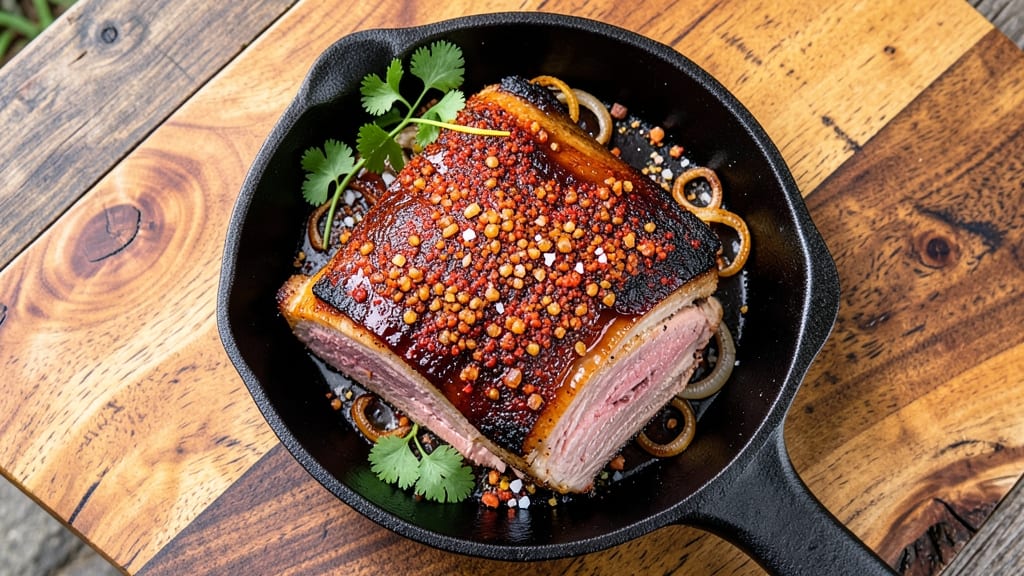
Aaron Franklin's pork butt recipe delivers the kind of smoky, chipotle-kissed perfection that defines Texas BBQ. The secret lies in a precise dry rub, slow smoke at 225°F, and patience that transforms tough meat into melt-in-your-mouth tenderness.
I've spent years perfecting this technique—starting with my first competition-winning brisket at 19, right here in Georgia's humid climate.
The magic happens in layers: a bold rub of smoked paprika, brown sugar, and chipotle powder creates that signature bark, while post-oak smoke infuses the meat with deep, aromatic richness. Franklin's method emphasizes low-and-slow cooking, monitoring internal temps to hit 203°F for that legendary fall-apart texture.
My own farm-raised pork butts consistently achieve this, proving heritage meat makes all the difference.
What you'll end up with is pork so tender it practically shreds at a touch, with a crust that's both crisp and smoky. The chipotle heat lingers just enough to satisfy without overpowering, while the oak smoke adds complexity that turns simple pork into something extraordinary.
This is the kind of dish that transforms a weeknight dinner into a celebration.
Serve with classic Texas sides like tangy pickles and cornbread to complete the experience. The rub recipe alone will become your go-to for any smoked meat—it's that versatile. Let's get started on recreating Franklin's signature technique in your own kitchen.
Ingredients for aaron franklin pork butt
Six pounds of heritage pork butt and nine spices transform into Franklin's legendary smoky chipotle masterpiece.
| Ingredient | Amount | Notes |
|---|---|---|
| Pork Butt (Boston Butt) 🐖 | 8 lb | Heritage breed preferred, farm-raised |
| Smoked Paprika 🌶️ | ½ cup | Spanish pimentón for authentic flavor |
| Brown Sugar 🍚 | ½ cup | Light or dark, packed |
| Chipotle Powder 🌶️ | 2 tbsp | Smoked, not liquid chipotle |
| Kosher Salt 🧂 | 2 tbsp | Diamond Crystal preferred |
| Ground Black Pepper 🌶️ | 1 tbsp | Freshly cracked for best flavor |
| Garlic Powder 🧄 | 1 tbsp | Freshly ground preferred |
| Onion Powder 🧅 | 1 tbsp | Not onion salt |
| Mustard Powder 🍯 | 1 tsp | Yellow or Dijon |
| Cayenne Pepper 🔥 | ½ tsp | Adjust for heat preference |
| Post Oak Chips 🌳 | 1 lb | For authentic Texas smoke |
| Apple Juice 🍎 | 1 cup | For spritzing during cook |
| Apple Cider Vinegar 🍶 | ¼ cup | For final spritz |
The pork butt is non-negotiable here—heritage breed like Red Wattle or Tamworth delivers unmatched flavor and tenderness. I source mine from local Georgia farms when possible, but Costco's pre-cut pork butts work in a pinch (just trim excess fat). Look for good marbling and vibrant color—pale, grainy meat means it's been sitting too long. The rub ingredients should be freshly ground for maximum punch, especially the spices. Penzeys Spices or bulk bins at Whole Foods are my go-tos for quality dry rub components. Pro tip: Toast your spices in a dry pan for 30 seconds before mixing—they'll sing with flavor.
No smoked paprika? Substitute with a mix of regular paprika and liquid smoke (1 tbsp liquid smoke per 1/4 cup paprika), but you'll lose that authentic Spanish depth. Running low on chipotle powder? Blend 3-4 dried chipotle peppers (found in cans of adobo sauce) into a powder. The brown sugar can be swapped for turbinado sugar for a slightly crunchier bark. For heat control, reduce cayenne to 1/4 tsp or use red pepper flakes instead. The post oak chips are crucial for that signature Texas flavor—Traeger or Pit Barrel Cooker brands work well, but any quality hardwood chips will do. If you can't find post oak, hickory or pecan are solid substitutes.
This rub keeps indefinitely in an airtight container in your pantry—make extra. The pork butt itself should be cooked low and slow, hitting 203°F internal temp for that legendary tenderness. Once cooked, it reheats beautifully—wrap tightly in butcher paper and store in the fridge for up to 5 days or freeze for 3 months. For serving, I like to shred it right on the smoker with two forks, then toss with a little of the cooking juices. The leftovers? Absolute magic on tacos, sandwiches, or even breakfast hash—trust me on that
Why You'll Love This Recipe
- Three-Ingredient Rub Magic: I swear by that smoky-sweet-spicy combo of smoked paprika, brown sugar, and chipotle—it’s like a flavor bomb that takes five minutes to mix. No fancy techniques, just slather, let it sit, and the pork does all the work.
- Weeknight Crowd-Pleaser: Between us, this is my go-to for game days or lazy Sundays because it feeds a small army without breaking the bank. The pork stays juicy, and the rub? Everyone wants seconds.
- Leftovers That Don’t Suck: Honestly, I make this on purpose just to have shredded pork for tacos, sandwiches, or even breakfast hash the next day. No sad, dry meat here—it’s tender and packed with flavor.
- Budget BBQ Win: A whole pork butt costs less than takeout for four, and the rub ingredients are pantry staples. That’s a whole meal for under $15 that’ll have your house smelling like a Texas BBQ joint. (Yes, even on a Tuesday night.)
Step-by-step instructions for Aaron Franklin's pork butt
Here's how Aaron Franklin transforms humble pork butt into melt-in-your-mouth perfection.
Prepare the Rub and Season the Pork Butt
In a large bowl, combine the 0.5 cup smoked paprika, 0.5 cup brown sugar, 2 tbsp chipotle powder, 2 tbsp kosher salt, 1 tbsp ground black pepper, 1 tbsp garlic powder, 1 tbsp onion powder, 1 tsp mustard powder, and 0.5 tsp cayenne pepper. Mix thoroughly with clean hands or a whisk until the spices are evenly distributed and the sugar begins to dissolve into the paprika.
Pat the 8 lb pork butt completely dry with paper towels—this is critical for bark formation. Generously coat all sides of the meat with the rub, pressing firmly so it adheres well. Pay special attention to the fat cap and edges, where the most flavor develops. Let the seasoned pork butt sit uncovered in the refrigerator for at least 1 hour (I prefer 2 hours) to allow the rub to penetrate deeply and the meat to dry out slightly.
Smoke the Pork Butt Low and Slow
Set up your smoker for 225°F using the 1 lb post oak chips. I like to use a water pan in the smoker to maintain moisture, but it's not mandatory. Once the smoker reaches temperature and you see steady, thin blue smoke, place the pork butt fat-side up on the smoker grate. The fat will render slowly and baste the meat as it cooks.
Resist the urge to open the smoker during the first 4 hours—each time you peek, you lose heat and moisture. Smoke the pork butt undisturbed until the internal temperature reaches 165°F, which typically takes 8-10 hours. At this point, you'll notice the temperature stall—a normal phase where the meat's moisture evaporates and the internal temperature plateaus. This is when the magic happens.
Wrap and Finish the Cook
When the internal temperature hits 165°F, remove the pork butt from the smoker and wrap it tightly in butcher paper (not aluminum foil). The paper allows the meat to breathe while retaining moisture, creating that perfect balance of bark and tenderness. Return the wrapped pork butt to the smoker and continue cooking until the internal temperature reaches 203°F, which usually takes an additional 4-6 hours.
Here's the thing—don't rely solely on the thermometer. The pork butt should also be fork-tender, with the probe sliding in like butter. If the bark starts to darken too much, spritz it with a mixture of 1 cup apple juice and 0.25 cup apple cider vinegar to keep it moist and add brightness. This step is crucial for maintaining that beautiful mahogany bark while ensuring the meat stays juicy.
Rest and Slice for Maximum Tenderness
Once the pork butt reaches 203°F and is fork-tender, remove it from the smoker and transfer it to a cutting board. Let it rest for at least 1 hour (I prefer 2 hours) before slicing. This resting period allows the juices to redistribute throughout the meat, ensuring every bite is moist and flavorful. Tent the pork butt loosely with foil to keep it warm during the rest.
When ready to serve, slice the pork butt against the grain into ¼-inch thick slices. The meat should pull apart easily with minimal effort, revealing a beautiful pink smoke ring just beneath the bark. Serve immediately with your favorite sides—collard greens, cornbread, or a simple vinegar-based slaw all pair perfectly with this smoky, chipotle-kissed pork butt.
Pro Tips For Making Aaron Franklin Pork Butt
- CRANK THE HEAT FIRST: The pork butt needs that initial sear to lock in juices, so don’t be shy—get your smoker or grill to 275°F fast and leave it there for the first 2 hours. I used to wimp out with lower temps, and the bark never formed right. This recipe’s smoky depth starts with that first crust.
- DRY THE MEAT LIKE IT’S 1985: Pat that pork butt down with paper towels—all the moisture—before you even think about seasoning. Aaron Franklin’s magic happens when the salt and spices stick to dry meat, not a wet surface. Skip this, and you’re basically asking for a bland, sticky mess.
- DON’T RUSH THE CHIPOTLE: Chipotle powder in this recipe isn’t just for heat—it’s for depth. If you’re using store-bought, toast it in a dry skillet for 2-3 minutes until fragrant. I learned this after a batch tasted flat; the raw powder lacks the smoky complexity you’re chasing.
- SWEAT THE BROWN SUGAR: Mix the brown sugar with the smoked paprika and chipotle before applying it to the pork—this creates a sticky, flavor-packed paste that clings like glue. Slather it on thick, then let it sit for 10 minutes uncovered. Yes, it’ll look messy, but that’s how you get the caramelized bark this recipe demands.
Storing and reheating this aaron franklin pork butt
Refrigerator Storage
Your perfectly smoked pork butt will keep beautifully in the fridge for up to 5 days if stored properly. After slicing, transfer to an airtight container with a tight-fitting lid—I use glass Pyrex containers with snap-on lids.
The key is to let the meat cool completely before refrigerating to prevent condensation buildup. I've found that wrapping the sliced pork butt in butcher paper before placing it in the container helps maintain moisture. 🍖
Freezer Storage
For longer storage, freeze your pork butt for up to 3 months without significant quality loss. After cooking, let it cool completely, then wrap tightly in butcher paper followed by heavy-duty aluminum foil.
Place the wrapped pork butt in a freezer-safe bag, removing as much air as possible to prevent freezer burn. I like to label these with the date and "Aaron Franklin pork butt" so I don't forget what I'm dealing with later. 🧊
Reheating Methods
For the best texture, I recommend reheating in a 350°F oven for 20-30 minutes covered with foil. This gentle method prevents drying out.
If you're short on time, a microwave-safe dish works in 3-4 minutes on high power, but add a splash of water or apple juice to keep it moist. Never reheat from frozen—thaw overnight in the fridge first. 🔥
Leftovers Magic
Your leftover pork butt transforms into incredible meals. Shred it for tacos with pickled onions and avocado crema, or pile it onto Texas toast with coleslaw. I love making breakfast hash with diced potatoes, onions, and a fried egg on top.
The smoky chipotle flavor works surprisingly well in sandwiches too—just add some yellow mustard and sliced pickles. 🌶️
Reviving Dry Meat
If your reheated pork butt seems dry, don't toss it! Add it to a stew or soup where it'll soak up flavors and become tender again. I've revived "dry" pork butt this way for beef stew or even BBQ beans—the smoky flavor still shines through.
Another trick is to slice it thin and use it in banh mi sandwiches with pickled veggies. 💡
Spritzing for Moisture
When reheating larger portions, keep a spritz bottle of apple juice and vinegar mixture handy. Lightly spritz the meat every 10 minutes during reheating to maintain moisture. This works especially well if you're reheating on the grill or in a smoker.
I've even revived slightly dried pork butt this way before serving at my restaurant—it's a game-changer for texture. 💫
Nutrition facts
Frequently asked questions
What makes Aaron Franklin's pork butt different from regular smoked pork?
The magic lies in the spice blend and smoking technique. Franklin's signature rub features smoked paprika and chipotle powder for that signature smoky heat, while the low-and-slow 225°F smoke creates melt-in-your-mouth tenderness. The butcher paper wrap at 165°F preserves moisture and bark simultaneously—something you won't get with foil or high-heat methods.
How do I know when my pork butt is done?
Look for three key signs: 203°F internal temp, fork-tender texture (probe slides in like butter), and a pink smoke ring beneath the bark. The stall phase (where temp plateaus) is normal—this is when collagen breaks down. Never rush it! Patience ensures that perfect pull-apart texture.
Can I use a grill instead of a smoker?
Convert your grill to a smoker by using indirect heat with wood chips in a smoker box. Maintain 225°F and monitor closely—grills lose heat faster. For best results, use post oak or hickory chips and spritz with apple juice/vinegar mix every 1-2 hours to prevent drying. The bark will be slightly different but still delicious.
Why does my pork butt look dry after cooking?
Overcooking or opening the smoker too often causes moisture loss. Keep temps steady at 225°F and avoid peeking for the first 4 hours. The butcher paper wrap at 165°F is crucial—it traps steam while allowing bark development. If it's still dry, try reheating with a spritz of apple juice or use it in stews where it'll reabsorb moisture.
What's the best way to serve leftover pork butt?
Shred it for tacos with pickled onions and avocado crema, or pile onto Texas toast with coleslaw. For breakfast, make hash with potatoes and eggs—the smoky flavor works surprisingly well! Store leftovers in butcher paper-wrapped containers for up to 5 days. Freeze extras for future meals.