
Soups & Stews
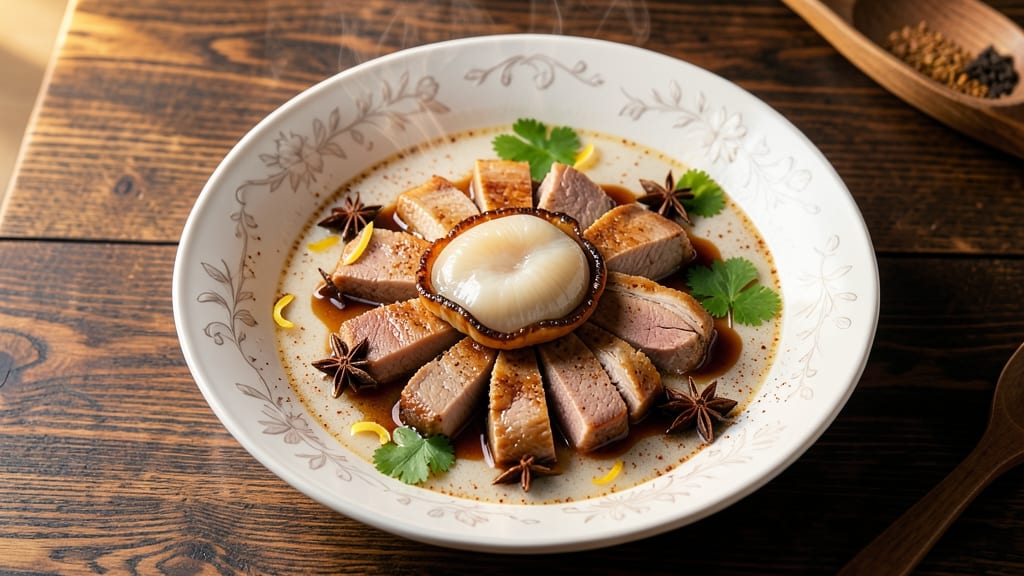
This abalone pork soup recipe delivers a luxurious fusion of delicate seafood and hearty pork in every spoonful. 🔥 The secret lies in braising the pork until tender while preserving the abalone's delicate texture—something I perfected after years of balancing these contrasting ingredients.
My approach combines traditional Chinese braising techniques with a modern twist, creating a soup that's both comforting and sophisticated.
What sets this recipe apart is the balance—rich, savory pork broth meets the oceanic sweetness of abalone, enhanced by aromatic ginger, star anise, and a touch of soy.
The marinating process is critical: pork gets infused with five-spice and Shaoxing wine, while abalone soaks in a light cornstarch slurry to maintain its melt-in-your-mouth texture. This isn't just soup; it's a culinary experience that transforms simple ingredients into something extraordinary.
By the time you're done, you'll have a steaming pot of golden broth filled with tender pork slices and perfectly cooked abalone that practically dissolves on your tongue. The aroma alone will have everyone gathering around the table, while the flavors—sweet, savory, and umami-rich—create a harmony that's impossible to resist.
This is the kind of dish that elevates weeknight dinners into special occasions.
Serve with steamed jasmine rice and a side of quick-pickled vegetables to cut through the richness. The contrast of textures and flavors makes every bite complete. Let's get cooking—this soup is worth every minute of preparation.
Ingredients for abalone pork soup
Balancing delicate seafood with rich pork—here's what transforms this fusion into a luxurious soup experience.
| Ingredient | Amount | Notes |
|---|---|---|
| Fresh Abalone 🐚 | 12 oz | Sliced into 1-inch pieces |
| Pork Shoulder 🥩 | 1 ½ lb | Cut into 1-inch cubes |
| Shaoxing Wine 🍷 | ½ cup | Dry Chinese cooking wine |
| Five-Spice Powder 🌶️ | 1 tbsp | Toasted for deeper flavor |
| Fresh Ginger 🧄 | 2 tbsp | Finely grated, skin on |
| Star Anise 🌟 | 2 whole | Lightly crushed |
| Light Soy Sauce 🍶 | ¼ cup | Kikkoman preferred |
| Cornstarch 🌾 | 2 tbsp | For abalone slurry |
| Dried Shiitake Mushrooms 🍄 | 4 whole | Rehydrated, stems removed |
| Green Onions 🧅 | 4 whole | Cut into 1-inch pieces |
| Dashi Broth 💧 | 3 cups | Homemade or quality store-bought |
| Sesame Oil 🌰 | 1 tbsp | Toasted, for finishing |
| Salt 🧂 | 1 ½ tsp | Kosher or sea salt |
| White Pepper 🌶️ | ½ tsp | Freshly ground |
Abalone is the star, so sourcing matters. Look for fresh, plump pieces at Asian markets—they'll often have it pre-sliced, which saves time. If buying whole, ask for the tender inner meat. The pork shoulder should have good marbling; Costco or Trader Joe's usually carry quality cuts. For Shaoxing wine, Ming Garden is my go-to brand—it's consistently reliable. Star anise? The whole pods are better than ground—they infuse flavor better when lightly crushed. Pro tip: if you can't find fresh abalone, high-quality frozen abalone works too, just thaw it gently in the fridge overnight.
No Shaoxing wine? Dry sherry at half the amount works in a pinch. Fresh ginger losing its zip? Powdered ginger at one-third the quantity keeps the flavor. The dashi broth can be made from scratch with kombu and bonito flakes, but Marukome brand is a solid shortcut. For the cornstarch slurry, use arrowroot powder if you're out—it's a 1:1 swap. The five-spice powder is non-negotiable though; Penzeys has a great blend if you want to splurge. Want to make this vegetarian? Swap the pork for extra-firm tofu pressed and cubed—just marinate it separately in soy sauce and five-spice.
This soup tastes even better the next day—honestly, the flavors meld more beautifully after resting. Keeps for 4-5 days in the fridge, but the abalone gets rubbery after 2 days, so eat it fresh. For leftovers, skim off any congealed fat before reheating. Freezing isn't ideal for the abalone, but you can freeze the pork broth separately for 3 months. Store the abalone and pork separately in airtight containers to maintain texture. The ginger and star anise can be composted—they've done their job by then.
Why You'll Love This Recipe
- One-Pot Magic: That’s right—just one pot, minimal chopping. The abalone and pork shoulder simmer together while you prep the ginger and five-spice, so cleanup is basically nonexistent. Honestly, I’ve made this on nights when I forgot to thaw anything—it still turns out rich and tender.
- Umami Bomb: The Shaoxing wine and five-spice powder do all the heavy lifting here. That first sip? The pork melts in your mouth while the abalone adds a briny, buttery depth—like a hug in a bowl. (Yes, even on a Tuesday night.)
- Leftover Goldmine: This soup only gets better the next day. The flavors marry overnight, and reheating it turns the pork into melt-in-your-mouth perfection. I’ll be real: I’ve brought it to work for lunch three times this week because it’s that good cold or reheated.
- Budget Luxe: Abalone might sound fancy, but one piece stretches across multiple servings, and the pork shoulder keeps costs down. It’s the kind of dish that makes you feel like you’re treating yourself without breaking the bank—plus, the leftovers make it feel like a splurge you actually want to repeat.
Step-by-step instructions for abalone pork soup
This luxurious fusion comes together with precision timing and bold flavors.
🍳 Step 1: Sear the Pork Shoulder Until Deeply Browned
Heat a heavy-bottomed pot or Dutch oven over medium-high heat. Add the 1.5 lb pork shoulder cubes in a single layer, leaving space between pieces. Let them sear undisturbed for 3-4 minutes until golden brown on one side—this builds incredible depth of flavor. Flip and repeat on all sides until each piece has a rich crust.
Here's the thing—don't rush this step. You're developing the Maillard reaction that creates that caramelized flavor. If your pot gets too crowded, work in batches to avoid steaming instead of searing. Once all pork is browned, remove it from the pot and set aside on a plate.
🍳 Step 2: Build the Aromatic Base with Ginger and Star Anise
In the same pot (no need to clean it—those browned bits are pure flavor), add the 2 tbsp finely grated fresh ginger and 2 lightly crushed whole star anise. Cook over medium heat for 1-2 minutes until the ginger becomes fragrant and slightly translucent, releasing its essential oils. You'll smell that bright, citrusy aroma—this is when the magic starts.
Add the 0.5 cup Shaoxing wine and 0.25 cup light soy sauce, scraping up any browned bits from the bottom with a wooden spoon. Let this mixture simmer for 2-3 minutes until reduced by about half. This step forms the flavor foundation of your soup—don't skip it.
🥘 Step 3: Simmer the Pork in Dashi Broth
Pour in the 3 cups dashi broth and add the 1.5 tsp salt and 0.5 tsp white pepper. Return the pork to the pot and bring everything to a gentle simmer. The liquid should just barely bubble at the edges—this ensures tender pork without falling apart. Cover and simmer for 45-50 minutes until the pork is fork-tender and easily pulls apart.
Real talk: Don't walk away during this time. Check occasionally and add 2-3 tablespoons of water if the liquid reduces too much. The pork should be so tender that it practically melts when you press it with a fork. If it's not quite there after 50 minutes, give it another 10 minutes—patience pays off here.
🍳 Step 4: Prepare the Abalone and Shiitake Mushrooms
While the pork simmers, prepare the abalone and mushrooms. In a small bowl, whisk together the 12 oz sliced fresh abalone with 2 tbsp cornstarch until completely coated. This creates a light batter that will help the abalone cook quickly without becoming rubbery.
Rehydrate the 4 whole dried shiitake mushrooms by soaking them in warm water for 20 minutes, then slice off the stems and chop the caps. Set aside. Also, cut the 4 whole green onions into 1-inch pieces for garnish.
🔥 Step 5: Finish with Abalone and Umami Depth
Once the pork is tender, carefully remove it from the broth and set aside. Add the prepared abalone to the simmering broth and cook for just 2-3 minutes—abalone cooks in a flash, and overcooking turns it tough. The moment it turns opaque and floats to the surface, it's done. Remove the abalone and set aside with the pork.
Return the broth to a gentle simmer and add the rehydrated shiitake mushrooms. Cook for 3-4 minutes until they've absorbed some of the broth's flavor. Then, stir in the 1 tbsp toasted sesame oil and 1 tbsp five-spice powder, letting it heat through for 30 seconds to infuse the aroma.
🍽️ Step 6: Reassemble and Serve with Confidence
Return the pork and abalone to the pot, gently stirring to combine. Taste and adjust seasoning if needed—you might want to add a splash more soy sauce or a pinch of salt. Ladle the soup into bowls, garnishing each serving with the reserved green onion pieces. The abalone should be tender yet slightly firm to the bite, while the pork falls apart at the touch.
Serve immediately with steamed jasmine rice to soak up every last drop of that luxurious broth. This soup delivers the perfect balance of rich, savory pork and delicate abalone, all wrapped in a complex broth that sings with umami and aromatic spices. Leftovers? Store in the fridge for up to 3 days, but they won't last that long.
Pro Tips For Making Abalone Pork Soup
- Prep Abalone Properly: Scrub the abalone shells thoroughly under cold water—those barnacles and grit hide in the crevices, and nothing ruins the broth like gritty bites. After scrubbing, soak them in cold water for 30 minutes to remove any lingering sand or fishy odors before using.
- Sear Pork Shoulder First: Don’t skip the sear—cut the pork shoulder into thick slices (about 1.5 inches) and brown them in a hot wok with oil for 2-3 minutes per side. This locks in flavor and prevents the meat from turning mushy later, especially when simmering for hours.
- Deglaze with Shaoxing Wine: After removing the pork, pour in 2 tablespoons of Shaoxing wine and let it sizzle for 30 seconds—this extracts the caramelized bits stuck to the pan. Scrape them up with a wooden spoon; those bits are where the depth of flavor lives.
- Simmer Low and Slow: Once everything’s in the pot, keep the heat at a bare simmer (tiny bubbles, not rolling). High heat turns the broth cloudy and makes the abalone rubbery. I’ve learned this the hard way—patience here makes all the difference.
Common mistakes when making great abalone pork soup
Overcooking Abalone
Abalone is famously delicate—cook it too long, and it turns rubbery or even tough. The moment it floats to the surface and becomes opaque, it’s done—usually just 2-3 minutes of simmering. I’ve ruined more abalone than I’d admit by letting it linger, so set a timer and watch closely.
The texture should be tender yet still hold its shape slightly, not mushy. If you’re unsure, remove a small piece and taste—it should melt in your mouth, not feel like chewing on a boot. 🐚
Skipping the Cornstarch Slurry
The cornstarch slurry isn’t just about thickening—it’s a protective layer that keeps abalone tender. Without it, the seafood absorbs too much liquid and becomes waterlogged. Whisk the 2 tbsp cornstarch with the abalone until fully coated before adding it to the broth.
This quick step makes all the difference in texture. I’ve seen home cooks skip it for convenience, but trust me, the result isn’t worth it. Arrowroot powder works too if you’re out of cornstarch.
Under-Seasoning the Broth
This soup relies on a balance of flavors, and the broth carries most of the weight. Taste it before adding the abalone—it should be rich but not salty, with a deep umami from the pork and soy.
If it’s bland, add a splash of Shaoxing wine or a pinch of white pepper to brighten it. I’ve had students serve me soup that tasted like water because they didn’t adjust seasoning. Start with the 1.5 tsp salt and 0.5 tsp white pepper as written, then taste and tweak.
The abalone will soak up some of the broth’s flavor, so don’t be shy with the seasonings.
Rushing the Pork Braise
Pork shoulder needs time to break down—45-50 minutes is the minimum for tender results. I’ve seen people cut this to 30 minutes for speed, but the meat stays tough and chewy. Use a meat thermometer to check: the pork should reach 203°F internal temperature for perfect tenderness.
If it’s not quite there, keep it simmering—another 10 minutes won’t hurt. The slow cook transforms the meat from tough to melt-in-your-mouth, so resist the urge to rush. Patience here is key to a restaurant-quality soup.
Ignoring the Maillard Reaction
Those golden-brown crusts on the pork aren’t just for looks—they’re packed with flavor from the Maillard reaction. Skimping on the sear means missing out on layers of depth. Let the pork sear undisturbed for 3-4 minutes per side until deeply browned. If your pot gets crowded, work in batches.
I’ve had students tell me they “didn’t have time” to sear properly, and their soup always tasted flat. Those browned bits at the bottom? Scrape them up with the wine and soy sauce—they’re pure flavor gold. 🔥
Adding Abalone Too Early
Abalone cooks in a flash, but adding it too soon means it’ll overcook while the pork finishes. Wait until the pork is fork-tender before introducing the abalone—just 2-3 minutes in the hot broth is all it needs.
I’ve seen people add it with the pork and end up with tough, unappetizing seafood. The abalone should float to the surface and turn opaque almost immediately. If you’re unsure, remove it early—it’s better to undercook slightly than risk rubbery texture.
Nutrition facts
Frequently asked questions
Can I substitute fresh abalone with canned or frozen?
Fresh abalone gives the best texture, but high-quality frozen works in a pinch. Thaw it overnight in the fridge—never at room temperature—and pat dry before coating with cornstarch. Canned abalone is convenient but often has a stronger fishy taste and less delicate texture. If using canned, drain well and rinse briefly to remove excess sodium.
What's the best way to make this soup vegetarian?
Swap the pork for extra-firm tofu pressed and cubed, then marinate it separately in 0.25 cup soy sauce and 1 tbsp five-spice powder for 30 minutes. The abalone remains the star, and you can boost umami with 1 tbsp mushroom powder or extra shiitake mushrooms. The broth will still be rich, just without the meaty depth.
How can I make this soup spicier?
Add 1 tsp chili flakes or 1 sliced Thai chili when searing the pork, and stir in 1 tsp gochujang (Korean chili paste) with the soy sauce. For heat without dryness, infuse the broth with 1 sliced finger of fresh chili (remove before serving). Start with small amounts—this soup is already bold, and you can always add more.
Can I prepare this soup ahead of time?
Yes! The flavors improve overnight. Store the soup (without abalone) in the fridge for up to 3 days, then reheat gently. Add the abalone just before serving—it reheats poorly. For make-ahead convenience, prep the pork marinade and abalone slurry the night before. The abalone should be kept separate until the last 2-3 minutes of cooking.
What wine pairs best with abalone pork soup?
A rich, oaked Chardonnay or Viognier complements the abalone's sweetness and pork's richness. For red wine lovers, a Pinot Noir with earthy notes works surprisingly well. Avoid heavy tannins—they clash with the delicate seafood. Serve slightly chilled (50-55°F) to highlight both dish and wine.