
Side Dishes
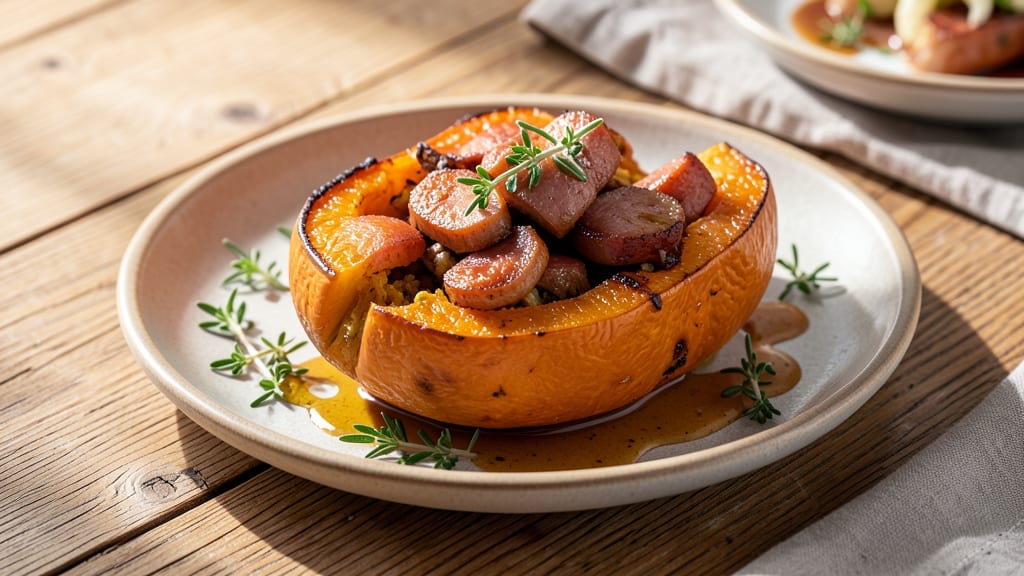
This acorn squash and pork sausage recipe transforms humble ingredients into a dish that balances sweet, savory, and herby notes perfectly. The secret lies in caramelizing the squash until tender and golden while browning the sausage to achieve that satisfying crunch.
I developed this recipe during a particularly chilly fall evening when I wanted a dish that felt both comforting and elevated—something that would impress without requiring hours in the kitchen.
The beauty of this recipe is its simplicity: just two main components that come together beautifully. Acorn squash roasts until its flesh becomes velvety and naturally sweet, while the pork sausage develops a crisp exterior that contrasts beautifully with its tender interior.
The herbed seasoning on the sausage adds depth, ensuring every bite delivers a harmonious blend of flavors. This dish is foolproof and delivers restaurant-quality results with minimal effort.
What you'll end up with is a plate that's visually stunning and packed with flavor—golden caramelized squash alongside crispy, herbed sausage. The contrast of textures and temperatures makes each bite exciting, while the balance of sweet and savory ensures every mouthful is satisfying.
This recipe pairs wonderfully with wild rice, crusty bread, or a simple green salad to round out the meal.
Perfect for fall gatherings or a cozy weeknight dinner, this dish comes together in about 45 minutes—30 minutes of hands-off roasting time followed by quick browning of the sausage. The aromas alone will have everyone anticipating dinner, and the clean, balanced flavors make it a crowd-pleaser. Let's get cooking!
Ingredients for acorn squash and pork sausage
Two star ingredients meet in perfect harmony—acorn squash's natural sweetness and pork sausage's savory crunch.
| Ingredient | Amount | Notes |
|---|---|---|
| Acorn Squash 🎃 | 1 whole | Medium-sized, halved and seeded |
| Pork Sausage Links 🥓 | 8 whole | Sweet or herbed variety, ~1/2 lb total |
| Unsalted Butter 🧈 | 2 tbsp | Cold, cut into small cubes |
| Extra-Virgin Olive Oil 🫒 | 1 tbsp | For drizzling on squash |
| Brown Sugar 🍯 | 1 tbsp | Light or dark variety |
| Fresh Thyme Leaves 🌿 | ½ tsp | Finely chopped, stems removed |
| Fresh Rosemary 🌿 | 1 tbsp | Finely chopped, from fresh sprig |
| Garlic Cloves 🧄 | 3 cloves | Minced, for sausage seasoning |
| Diamond Crystal Kosher Salt 🧂 | 1 ½ tsp | Divided for seasoning |
| Ground Black Pepper 🌶️ | ½ tsp | Freshly cracked |
| Wild Rice Blend 🌾 | 1 cup | Uncooked, for serving suggestion |
| Fresh Sage Leaves 🌿 | ¼ cup | Chopped, for garnish |
For the squash, medium-sized acorn squashes (about 1.5-2 lbs each) work best—they're large enough to roast beautifully but not so big they're unwieldy. Local farms often carry them in fall, but if you're shopping at Whole Foods or Trader Joe's, look for firm squashes with no soft spots. The skin should be hard and unblemished. For the sausage, I recommend high-quality pork sausage like Applegate or Butcher's Best—they've got better flavor and less filler than the generic brands. If you can't find herbed sausage, regular sweet sausage works just fine with a pinch of extra rosemary and thyme.
No acorn squash? Butternut squash is your next best bet—just increase the roasting time by 10-15 minutes. Running out of fresh herbs? Dried thyme at one-third the amount will work in a pinch, but fresh is ideal. The butter needs to be cold when you cut it into cubes—this ensures it browns beautifully when searing the sausage. For the squash flesh, if you prefer it extra tender, roast it skin-side down on a baking sheet for 10 minutes before flipping. The sugar can be swapped for maple syrup if you're avoiding refined sugar, though brown sugar adds that perfect caramelized depth.
Roasted squash keeps well in the fridge for 4-5 days if stored properly—wrap tightly in plastic wrap after cooling. The sausage links can be refrigerated for 3 days or frozen for 3 months. For meal prep, I like to roast the squash ahead and store it separately, then brown the sausage fresh when ready to serve. The combination of textures—creamy squash and crispy sausage—is best enjoyed within 2 days of cooking, though. The aromas alone make this dish feel special, so plan to cook it when you're ready to eat.
Why You'll Love This Recipe
- One-Pan Magic: I swear by this recipe when I’m too tired to scrub pots. Halve the squash, roast it alongside the sausage, and the brown sugar caramelizes right on the sheet pan—no extra bowls, no stress.
- Sweet-Savory Balance: That crispy sausage wrapped in squash, kissed with brown sugar and butter? It’s the kind of dish where every bite feels like a hug—rich, smoky, and just enough sweetness to make it unforgettable.
- Weeknight to Holiday: Between us, this is my lazy Sunday dinner and Thanksgiving side. Double the batch, store half for later, and serve it with crusty bread or a simple salad—it’s that adaptable.
- Budget-Friendly Feast: Acorn squash lasts forever, sausage stretches across meals, and butter makes everything better without breaking the bank. Honestly, it’s the kind of recipe that makes grocery day feel like a win.
Step-by-step instructions for sweet roasted acorn squash with herbed sausage
This method delivers caramelized squash and perfectly browned sausage with a harmonious balance of sweet and savory flavors.
Prepare and Roast the Acorn Squash
Preheat your oven to 400°F. Cut the acorn squash in half lengthwise and scoop out the seeds using a spoon. Brush the cut sides generously with the 1 tablespoon extra-virgin olive oil, making sure to coat every surface evenly. Sprinkle with 1 tablespoon brown sugar and 0.5 teaspoon kosher salt, pressing the sugar into the flesh so it caramelizes beautifully during roasting.
Place the squash halves cut-side down on a parchment-lined baking sheet. Roast for 30 minutes until the flesh is tender when pierced with a fork and the edges begin to brown. Flip the squash halves and continue roasting for another 15-20 minutes until deeply caramelized and easily fork-tender. The sugar will create a glossy, sweet glaze on the exterior while keeping the flesh moist inside.
Season and Brown the Pork Sausage
While the squash roasts, remove the 8 whole pork sausage links from their packaging and place them on a wire rack set over a baking sheet. This allows air to circulate evenly for perfect browning. In a small bowl, combine 0.5 teaspoon fresh thyme leaves, 1 tablespoon fresh rosemary, 3 minced garlic cloves, 0.5 teaspoon ground black pepper, and the remaining 1 teaspoon kosher salt. Rub this mixture generously over the sausages, pressing it into the casings so the flavors penetrate.
Transfer the seasoned sausages to a cold skillet over medium heat. Cook for 8-10 minutes, turning occasionally, until they develop a deep golden-brown crust and reach an internal temperature of 160°F. Remove the sausages from the skillet and let them rest on a plate while you prepare the final touches. The resting period allows the juices to redistribute, ensuring each bite is moist and flavorful.
Finish with Butter and Garnish
Return the skillet to the stovetop over medium-low heat and add the 2 tablespoons cold unsalted butter. Let it melt completely, then tilt the skillet to coat the bottom evenly with the rendered butter. This creates a rich, flavorful base for the final presentation. Remove the skillet from heat and carefully place the roasted squash halves and sausages on a serving platter.
Drizzle the melted butter evenly over the squash and sausages, allowing it to pool slightly in the crevices. Garnish with the 0.25 cup chopped fresh sage leaves, scattering them artistically over the top. The sage adds a fresh, aromatic finish that complements the sweetness of the squash and the savory depth of the sausages. Serve immediately with the 1 cup cooked wild rice blend on the side for a complete meal.
Pro Tips For Making Acorn Squash And Pork Sausage
- CUT THE TOP AT AN ANGLE: Acorn squash looks messy when sliced flat—cut it at a 45-degree angle instead. This makes it easier to scoop out seeds and gives you more surface area for caramelization when roasting, so the edges get crispy without the center turning to mush.
- USE A KNIFE TO SCORE SAUSAGE: Before browning, make shallow cuts along the length of the pork sausage links. This lets the butter and brown sugar penetrate deeper, giving you a sweeter, more flavorful sausage every time—no more dry, flavorless centers from the outside burning before the inside cooks.
- ROAST SQUASH SKIN-SIDE DOWN: Place the halved acorn squash cut-side up in the oven, but press the skin-side down into the pan first. The direct heat crisps the skin into a caramelized, almost nutty texture while the flesh stays tender—no need to flip or worry about soggy bottoms.
- BROWN SAUSAGE IN BATCHES: Don’t crowd the pan when searing the sausage—cook them in two rounds if needed. This guarantees a proper crust instead of steaming, which keeps the meat juicy and lets the brown sugar cling for that perfect balance of smoky and sweet. (Yes, even if you’re impatient like me.)
Best sauces and condiments for this acorn squash and pork sausage
Honey-Mustard Glaze
This sweet-tangy glaze elevates the dish by balancing the natural sweetness of the squash with the savory sausage. Combine 2 tablespoons local honey (I love Georgia wildflower honey), 1 tablespoon Dijon mustard, 1 teaspoon apple cider vinegar, and a pinch of salt.
Simmer in a small saucepan over low heat for 3-4 minutes until slightly thickened. Brush generously over the roasted squash and sausages just before serving. The acidity cuts through the richness while the honey enhances the caramelization. 🍯
Brown Butter Sage Sauce
For a luxurious finish, melt 2 tablespoons unsalted butter in a skillet over medium heat until it turns golden brown and nutty. Immediately remove from heat and stir in 1 tablespoon chopped fresh sage and ½ teaspoon minced garlic.
Pour this fragrant sauce over the finished dish right before serving. The toasted butter adds depth while the sage ties all the herby notes together beautifully. This sauce is especially impressive when served with crusty bread. 🧈
Spicy Apple Cider Reduction
When you want a kick, reduce ½ cup apple cider with 1 tablespoon brown sugar and ½ teaspoon cayenne pepper in a small saucepan until it thickens to a syrupy consistency (5-7 minutes).
Drizzle over the squash and sausages for a tangy, slightly spicy contrast that pairs perfectly with the dish's natural sweetness. I keep a bottle of Charleston Craft Cider on hand for this—it adds a local touch. 🍏
Creamy Garlic Yogurt Drizzle
Mix ¼ cup plain Greek yogurt, 1 teaspoon lemon juice, 1 minced garlic clove, and a pinch of salt for a cooling, creamy drizzle that cuts through the richness.
This works wonderfully when served alongside the dish, especially if you're pairing it with wild rice. The yogurt adds a bright, tangy element that refreshes the palate between bites. 🥄
Maple-Balsamic Glaze
For a sophisticated touch, combine 2 tablespoons pure maple syrup with 1 tablespoon balsamic vinegar and simmer until slightly reduced (3 minutes). This glaze adds a deep, caramelized sweetness with a touch of acidity that enhances both the squash and sausage.
I particularly love this when serving the dish at fall gatherings—it feels festive and elegant. 🍁
Herbed Butter Finishing Sauce
Melt 2 tablespoons cold butter with 1 teaspoon chopped thyme, ½ teaspoon chopped rosemary, and a pinch of salt in a small saucepan. Once melted, immediately drizzle over the hot squash and sausages.
The herbed butter melts into the dish, infusing it with aromatic flavors that complement the roasted ingredients perfectly. This is my go-to finishing touch for a restaurant-quality presentation. 🌿
Nutrition facts
Frequently asked questions
Can I use butternut squash instead of acorn squash?
Yes, butternut squash works beautifully! Since it has a thicker skin, you'll need to increase the roasting time by 10-15 minutes to achieve the same tender texture. Cut it into 1-inch cubes and roast at 400°F until fork-tender. The sweetness will be similar, but butternut has a slightly nuttier flavor that pairs wonderfully with the herbed sausage.
How do I know when the pork sausage is fully cooked?
Use a meat thermometer to check the internal temperature—it should reach 160°F for safe consumption. The sausage will also develop a deep golden-brown crust and firm to the touch. If you don't have a thermometer, slice one link open: the meat should be opaque with no pink remaining, and juices should run clear.
Can I make this recipe ahead of time?
Roast the squash 1 day ahead and store it in the fridge, wrapped tightly. Brown the sausage fresh when ready to serve—it reheats beautifully in a skillet over medium heat for 3-4 minutes. The contrast of warm sausage with slightly cooled squash actually enhances the flavors. Just add a quick drizzle of melted butter before serving.
What's the best way to reheat leftovers?
For squash, warm it in a 350°F oven for 10-15 minutes until heated through. For sausage, reheat in a skillet over medium heat for 2-3 minutes per side until crispy again. Never microwave—it makes the sausage rubbery. The combination reheats best when warmed separately and then assembled together for serving.
Can I substitute chicken or turkey sausage?
While chicken or turkey sausage will work, the flavor and texture won't be identical. Pork sausage has a richer, fattier profile that complements the sweet squash perfectly. If substituting, increase the herbs by 20% and consider adding 1/4 teaspoon smoked paprika to mimic the depth of pork. The cooking time remains the same.