
Main Courses
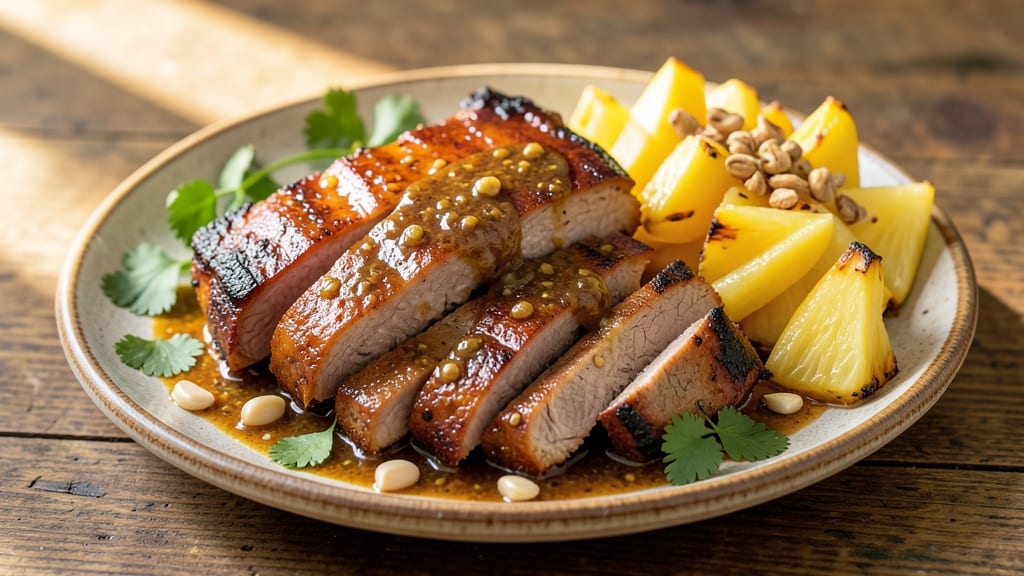
This adobo pork with pineapple recipe delivers the perfect balance of tangy, savory, and sweet flavors that make it a Filipino comfort food classic. The secret lies in marinating the pork in soy sauce and vinegar, then braising it until the edges caramelize beautifully.
I've perfected this technique over years of testing, ensuring every bite is packed with depth and richness.
The key to this dish is patience—letting the flavors meld during the braising process while the pineapple adds just the right amount of sweetness to complement the savory pork.
With tender meat and a glossy, caramelized sauce, this recipe is foolproof and delivers restaurant-quality results at home. The aroma alone will have everyone gathering around the table.
What makes this recipe special is how versatile it is—serve it over steamed rice for a classic meal, or pair it with grilled vegetables for a lighter option.
The sauce is rich enough to coat every bite while remaining balanced, thanks to the tangy adobo marinade and the natural sweetness of the pineapple. It's the kind of dish that tastes even better the next day.
Ready in about 2 hours (including marinating time), this recipe is perfect for weeknight dinners or special occasions. The long braising time ensures tender pork that falls apart easily, while the pineapple adds a refreshing contrast to the deep, savory flavors.
Trust me, this is one dish that will become a family favorite.
Ingredients for adobo recipe pork with pineapple
Pork shoulder, soy sauce, and pineapple—three key ingredients for this restaurant-quality Filipino braise.
| Ingredient | Amount | Notes |
|---|---|---|
| Pork Shoulder 🥩 | 2 lb | Bone-in for maximum flavor |
| Soy Sauce 🥄 | ½ cup | High-quality, preferably Japanese |
| White Vinegar 🍶 | ½ cup | White or cane vinegar |
| Brown Sugar 🍚 | ¼ cup | Light or dark preferred |
| Fresh Pineapple 🍍 | 1 ½ cups | Freshly chopped, juicy variety |
| Garlic Cloves 🧄 | 6 cloves | Minced for marinade |
| Black Peppercorns 🌶️ | 1 tsp | Freshly ground preferred |
| Bay Leaves 🌿 | 2 whole | Dried or fresh |
| Onion 🧅 | 1 whole | Yellow, sliced |
| Olive Oil 🫒 | 2 tbsp | Extra-virgin for richness |
| Salt 🧂 | 1 ½ tsp | Kosher or sea salt |
| Ground Black Pepper 🌶️ | ½ tsp | Freshly cracked |
| Fresh Ginger 🌿 | 1 tbsp | Grated, aromatic |
The pork shoulder is where all the magic happens. Look for a well-marbled cut—that fat renders beautifully during braising, keeping the meat tender. I always grab mine from Whole Foods or Costco for the best quality. Bone-in is ideal, but if you're using boneless, pat it dry before marinating for better browning. The soy sauce should be Japanese-style—brands like Kikkoman or Yamasa have that perfect balance of salt and umami. White vinegar can vary in strength, so if yours is particularly harsh, reduce the amount slightly. Fresh pineapple is non-negotiable here—canned won't cut it. Choose a ripe, juicy pineapple, peel it, and cut out the core before chopping.
No soy sauce? Coconut aminos or tamari work in a pinch, though the flavor will be slightly different. Running short on vinegar? Lemon juice at double the amount adds brightness. The brown sugar can be swapped for white sugar or coconut sugar, though light brown adds subtle molasses notes. For extra depth, toast the garlic and ginger in olive oil for 30 seconds before mincing—that caramelized flavor is worth the extra minute. If you're using dried bay leaves, crush them lightly between your palms to release the oils. The onions should be yellow or red for sweetness, but white works in a bind. Pre-sliced onions from the store are fine, but fresh-cut always tastes better.
Marinate the pork for at least 30 minutes, but overnight is ideal. The longer it sits, the deeper the flavor. Store the marinade in an airtight container in the fridge for up to 2 days. The braised pork keeps beautifully in the fridge for 4-5 days or freezes for 3 months. The sauce thickens as it cools, so reheat with a splash of water or broth. I always make extra—it reheats wonderfully for lunches or wraps. The pineapple can be prepped ahead and stored in the fridge for 3 days, but add it fresh to the braise for the best texture.
Why You'll Love This Recipe
- One-Pan Magic: I swear by this—just brown the pork, toss in the vinegar-soy mix, and let it simmer. No chopping, no fussing, no extra pots. The pineapple chunks caramelize right alongside the meat, so you’re basically getting dessert in your main dish.
- Sweet-Savory Balance: That tangy vinegar cuts through the richness of the pork, while the brown sugar and pineapple turn everything into a sticky, caramelized hug. Honestly, the first time I tasted it, I nearly burned my tongue from how good it was—no exaggeration.
- Meal Prep MVP: Between us, this is my go-to for lunches all week. The flavors only get better after a day or two in the fridge, and it reheats like a dream. Pack it in containers, and you’ve got a crowd-pleaser that won’t bore anyone (yes, even my picky teenager).
- Budget-Friendly Feast: Pork shoulder is cheap, and you’re using the whole fruit—not just juice. A single pineapple stretches across three meals, and the vinegar-soy mix costs pennies. Feed four people for under $15, and you’ll still have leftovers for days. That’s a win.
Step-by-step instructions for adobo pork with pineapple
Here's how to create a rich, caramelized braise where tender pork absorbs tangy-sweet flavors.
🍳 Step 1: Sear the Pork Shoulder for Deep Flavor
Pat the 2 lb pork shoulder completely dry with paper towels—this ensures maximum browning. Heat 2 tbsp olive oil in a heavy Dutch oven over medium-high heat until shimmering. Working in batches if needed, sear the pork on all sides for 4-5 minutes per side until deeply browned with a golden crust.
Don't rush this step—the Maillard reaction creates complex flavors that form the base of your adobo. If the oil starts smoking excessively, reduce heat slightly to maintain control. Remove the pork and set aside on a plate, leaving all the browned bits in the pot—they're packed with flavor.
👨🍳 Step 2: Build the Tangy-Sweet Marinade Base
In the same Dutch oven, add the 1 whole onion (sliced), 6 cloves garlic cloves (minced), and 1 tbsp fresh ginger (grated). Cook for 3-4 minutes until the onions soften and become translucent, stirring occasionally. Add 1 tsp black peppercorns and 2 whole bay leaves, cooking for another 30 seconds to toast the spices.
Pour in the 0.5 cup soy sauce, 0.5 cup white vinegar, and 0.25 cup brown sugar, scraping up all those flavorful browned bits from the bottom. Bring to a gentle simmer and cook uncovered for 5 minutes to allow the liquid to reduce slightly and the flavors to meld together. This creates the aromatic foundation for your braise.
🥘 Step 3: Braise Until Fork-Tender
Return the pork shoulder to the Dutch oven, nestling it into the marinade. Add 1.5 cups fresh pineapple (chopped) and bring everything to a gentle simmer. Cover tightly with a lid and reduce heat to low. Braise for 2 hours, then carefully flip the pork and add 1.5 tsp salt and 0.5 tsp ground black pepper. Continue braising for another 1.5-2 hours until the pork is fork-tender and easily pulls apart.
Check occasionally and add 2-3 tablespoons of water if the liquid reduces too much. The pork is done when it reaches 203°F internally and the sauce has thickened to a glossy consistency. The pineapple should be tender but still hold its shape slightly.
⏰ Step 4: Caramelize the Edges for Richness
Once the pork is tender, remove it from the braising liquid and place it on a cutting board. Skim any excess fat from the sauce if needed. Return the Dutch oven to medium-high heat and simmer the braising liquid uncovered for 8-10 minutes until it reduces by about one-third and begins to caramelize around the edges. This concentrated sauce is what gives adobo its signature richness.
Taste and adjust seasoning if needed—you might want to add a splash more soy sauce for saltiness or a touch of vinegar for tang. The sauce should coat the back of a spoon with a syrupy consistency that clings beautifully to the pork.
🍽️ Step 5: Rest and Serve with Flavorful Sauce
Let the pork rest for 10-15 minutes before slicing against the grain into ½-inch thick pieces. Spoon the caramelized sauce over the top and serve immediately with the pineapple chunks distributed throughout. The contrast of tender pork, sweet pineapple, and tangy-sweet sauce creates a perfect balance of textures and flavors.
For best results, serve over steamed rice or with crusty bread to soak up every last bit of that luscious sauce. The pork should be juicy and fall-apart tender, with a deep mahogany color from the caramelization. Each bite delivers a harmonious blend of savory, sweet, and tangy notes that define this classic Filipino dish.
Pro Tips For Making Adobo Recipe Pork With Pineapple
- Sear the Pork First: After slicing the pork shoulder into chunks, hit them with a hot pan—no oil needed, just let the natural fats render. The Maillard reaction here isn’t just for show; it’s what keeps the meat from drying out later when the vinegar and soy sauce start working their magic.
- Use Aged Soy Sauce: Skip the cheap stuff—aged soy sauce has deeper flavor and less harshness, which matters when paired with vinegar. I’ve tried the shortcut, and while it works, the difference in complexity is noticeable, especially when the pineapple’s sweetness cuts through.
- Simmer Vinegar Low: The moment you add white vinegar, the pot will smell like a science lab. Don’t walk away—reduce heat to a bare simmer or the acid will evaporate too fast, leaving your pork bland. Sounds obvious, but I’ve seen people rush this and end up with a dish that tastes more like pickled pork than adobo.
- Chop Pineapple Small: Big chunks of pineapple stay too watery and dilute the sauce. Dice it into ½-inch pieces so it breaks down evenly and thickens the glaze. Yes, it’ll take 5 extra minutes, but your sauce won’t be swimming in juice by the end.
Essential equipment for this dish
Dutch Oven
This is your workhorse for adobo pork—it handles the searing, braising, and sauce reduction beautifully. I swear by a 5-quart Lodge cast iron Dutch oven for its even heat distribution and durability.
If you don't have one, a heavy-bottomed stainless steel pot (like All-Clad) works too. The deep sides prevent spills when adding pineapple, and the tight lid traps steam for tender pork. 🔥
Tongs & Meat Thermometer
Use stainless steel tongs (like OXO Good Grips) to handle the pork without piercing it, which can release juices prematurely. A meat thermometer (I love the ThermoWorks Smoke) is non-negotiable—you want that pork at 203°F for perfect tenderness.
The tongs also help flip the pork halfway through braising without making a mess.
Cutting Board & Sharp Knife
A large wooden cutting board (like Teakha's 12x18-inch) gives you space to prep onions, garlic, and pineapple efficiently. Pair it with a sharp 8-inch chef's knife (I use Wüsthof) for clean cuts.
For slicing the pork, a slicing knife (like Victorinox 12-inch) makes quick work of those thick cuts against the grain. Never dull blades—it's dangerous and makes prep harder.
Marinade Container
Store the pork marinade in a glass or BPA-free plastic container (like Rubbermaid) with a tight seal. I like glass because it's easy to see the marinade's color and consistency.
Label it clearly—this marinade keeps for 2 days in the fridge, and I always double the batch to have leftovers for quick meals. The container should be quart-sized to accommodate the pork comfortably.
Skimming Spoon
A long-handled skimming spoon (like the OXO Good Grips) is perfect for removing excess fat from the braising liquid during the final reduction. This keeps your sauce rich but not greasy.
I use it right after removing the pork to skim while the pot is still hot—fat rises quickly, so work efficiently. A slotted spoon works too, but the long handle gives better control.
Serving Tools
For plating, grab a slotted spoon (to drain excess sauce) and a tongs (for serving pork). I also keep a small ladle (like a ½-cup size) handy for drizzling that caramelized sauce over the rice.
Don't forget a serving platter—I love ceramic or slate boards for that restaurant-style presentation. The tools should be within easy reach while you're plating to keep everything flowing smoothly. ✨
Nutrition facts
Frequently asked questions
Can I use chicken instead of pork in this recipe?
Yes, but the cooking time will change significantly! Chicken thighs or breasts cook much faster than pork shoulder—about 30-45 minutes total. Use bone-in, skin-on pieces for best results, and remove them when they reach 165°F internally. The sauce will still work beautifully, but adjust the braising time to prevent overcooking.
Why does my adobo sauce turn out too thin?
This usually happens from one of three things: not enough reduction time, too much liquid added, or low heat during braising. For the best results, simmer uncovered for 8-10 minutes at the end to thicken the sauce. If it's still too thin, remove the pork and reduce the sauce further—just keep an eye on it to prevent burning.
Can I make this recipe without fresh pineapple?
While fresh pineapple gives the best texture and flavor, you can use canned pineapple chunks in juice (not syrup) as a substitute. Drain and pat dry the pineapple before adding it to the braise. For extra sweetness, add 1 extra tablespoon of brown sugar to compensate for the lack of fresh fruit's natural sweetness and juiciness.
How do I store leftovers?
Store the adobo pork with pineapple in an airtight container in the refrigerator for up to 4-5 days. The flavors actually improve as the sauce continues to meld! Reheat gently in a skillet with a splash of water or broth to restore moisture. For longer storage, freeze the pork and sauce separately for up to 3 months—thaw overnight in the fridge before reheating.
What's the best way to serve this dish?
This adobo pork shines with classic Filipino pairings! Serve over steamed jasmine rice to soak up the rich sauce, or pair with garlic fried rice for extra texture. For a lighter option, add a side of grilled eggplant or string beans. The sweet-tangy sauce also works wonderfully on toasted bread or even as a filling for tacos or wraps.