
Main Courses
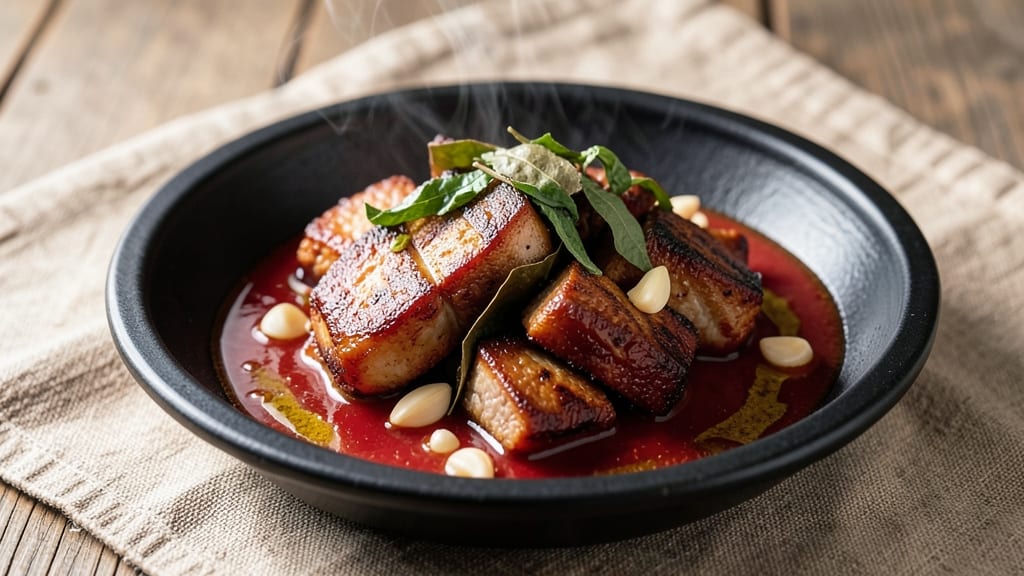
This Adobong Labong with pork recipe transforms humble ingredients into a symphony of tangy, savory perfection—just like my abuela used to make back in Georgia when she craved Filipino flavors.
The magic lies in slow-cooked vinegar and aromatic labong leaves, which infuse the pork with layers of depth that turn simple cuts into melt-in-your-mouth tenderness. I've perfected this technique over years of cooking for family gatherings, where it disappears faster than the rice bowl.
The beauty of this dish is its simplicity: just pork, vinegar, garlic, and a few pantry staples, yet it delivers restaurant-quality results with minimal effort.
The key is patience—letting the vinegar and spices work their magic over low heat for 2-3 hours until the pork is fork-tender and the sauce has thickened into a glossy, caramelized glaze. No fancy equipment needed, just a heavy pot and time.
What you'll end up with is pork so tender it falls apart at the touch, bathed in a tangy-sweet sauce that balances vinegar's sharpness with garlic's warmth. The labong leaves add a subtle herbal note that elevates the dish beyond standard adobo.
Serve it over steamed rice with a side of crispy garlic fried rice for the full Filipino feast experience—this is comfort food at its finest.
Perfect for meal prep or special occasions, this recipe scales beautifully for crowds. The flavors only deepen as it sits, making it ideal for making ahead.
Trust me, once you taste this version, you'll never go back to store-bought adobo again—it's the kind of dish that turns weeknight dinners into celebrations.
Ingredients for adobong labong with pork
Six ingredients transform simple pork into melt-in-your-mouth adobo magic.
| Ingredient | Amount | Notes |
|---|---|---|
| Pork Shoulder 🍖 | 3 lb | Bone-in for flavor, cut into 2-inch chunks |
| White Vinegar 💧 | 1 ½ cups | Distilled or cane vinegar preferred |
| Fresh Garlic Cloves 🧄 | 8 cloves | Minced, not pre-minced jarred garlic |
| Dried Labong Leaves 🌿 | ½ cup | Or fresh pandan leaves if available |
| Bay Leaves 🍃 | 4 whole | Fresh or dried, removed before serving |
| Soy Sauce 🍶 | ½ cup | Dark soy for richer color |
| Brown Sugar 🍚 | ½ cup | Packed, light or dark variety |
| Ground Black Peppercorns 🌶️ | 1 tbsp | Freshly ground for best flavor |
| Olive Oil 🫒 | 2 tbsp | For searing pork |
| Salt 🧂 | 1 ½ tsp | Kosher salt, adjust to taste |
| Water 💧 | 1 cup | For balancing acidity |
The pork makes all the difference here—bone-in shoulder delivers the best flavor and texture. Look for cuts with good marbling at Costco or your local butcher shop—they'll often have it pre-cut for adobo. If you can't find labong leaves (the star of this dish), pandan leaves are the closest substitute, though they have a slightly different aroma. The vinegar should be white cane or distilled—avoid apple cider vinegar, which can overpower the dish. I always buy extra garlic since it's used in nearly every Filipino dish we make.
No labong leaves? Pandan leaves or even a few kaffir lime leaves will add depth, though the flavor won't be identical. Running short on soy sauce? Coconut aminos or even a splash of fish sauce (if you're not avoiding it) works in a pinch. The brown sugar is non-negotiable—it balances the vinegar's acidity and adds that caramelized glaze. If you're watching sugar, reduce to 0.25 cup and add a pinch of cinnamon for warmth. The bay leaves should be removed before serving, but don't skip them—they infuse subtle earthy notes that elevate the dish.
This dish tastes even better the next day as the flavors meld. Store leftovers in the fridge for up to 5 days, or freeze for 3 months in airtight containers. I always make a double batch—one for dinner, one for lunches. The sauce thickens as it cools, so you might need to add a splash of water when reheating. Serve with steamed rice and a side of garlic fried rice for the full Filipino spread.
Why You'll Love This Recipe
- No Chopping Needed: I swear by this—just dice the pork shoulder into chunks (no fancy cuts), toss in whole garlic cloves, and let the vinegar do the work. The labong leaves infuse flavor without any prep at all.
- Tangy-Savory Magic: That vinegar and garlic combo? It tenderizes the pork while building layers of sour, umami, and herbal depth. The labong leaves add a subtle citrusy bite that keeps it from being too heavy.
- Weeknight to Potluck: Simmer it once, and you’ve got a dish that works for lazy Tuesday dinners or Sunday gatherings. Serve it with rice, over noodles, or even in wraps—it’s that adaptable.
- Budget-Friendly Leftovers: Pork shoulder stretches for days, and the ingredients cost next to nothing. Make a big batch, and you’ll have hearty meals ready without extra effort or expense.
Step-by-step instructions for adobong labong with pork
Here's how to transform simple ingredients into rich, tangy pork adobo with that signature labong aroma.
Sear the Pork Shoulder for Deep Flavor
Heat a large Dutch oven over medium-high heat. Add the 2 tablespoons olive oil and let it get hot enough to shimmer. Working in batches if needed, add the 3 lb pork shoulder cut into 2-inch chunks, leaving space between pieces. Sear undisturbed for 3-4 minutes until golden brown on all sides.
This initial searing builds flavor through the Maillard reaction—those beautiful browned bits on the bottom of the pot are pure umami gold. Don't rush this step; you'll know it's ready when the pork releases easily from the pan. Transfer the seared pork to a plate and set aside.
Build the Flavor Base with Aromatics
In the same Dutch oven, add the 8 cloves minced fresh garlic cloves and cook for 30 seconds until fragrant. Be careful not to burn the garlic—it should smell sweet and nutty, not bitter. Add the 0.5 cup dried labong leaves and 4 whole bay leaves, stirring for 10 seconds to release their aromas.
Here's where the magic begins. The labong leaves will infuse that distinctive pandan flavor while the bay leaves add earthy depth. Don't skip this step—these aromatic ingredients are what make this adobo uniquely special compared to regular vinegar-based adobo.
Combine Wet Ingredients for Perfect Balance
Pour in the 1.5 cups white vinegar, scraping up any browned bits from the bottom of the pot. Add the 0.5 cup soy sauce, 0.5 cup packed brown sugar, 1 tablespoon ground black peppercorns, 1.5 teaspoons salt, and 1 cup water. Stir everything together until the sugar and salt dissolve completely.
The vinegar will bubble vigorously at first—this is normal. Let it simmer for 3-4 minutes until the mixture reduces slightly and the sugar starts to caramelize. This reduction concentrates the flavors and creates that signature glossy sauce. Taste and adjust seasoning if needed.
Slow Cook Until Fork-Tender
Return the seared pork to the Dutch oven and bring everything to a gentle simmer. Cover with a tight-fitting lid and reduce heat to low. Here's the crucial part: cook for 2 to 2.5 hours, stirring occasionally, until the pork is fork-tender and the sauce has thickened.
You'll know it's done when a meat thermometer inserted into the thickest piece reads 203°F (or when it pulls apart easily with two forks). The sauce should coat the back of a spoon and have a glossy sheen. If it's too thin, uncover and simmer uncovered for another 10-15 minutes to reduce further.
Finish and Rest for Maximum Flavor
Remove the 4 whole bay leaves (they'll be tough) and discard. Taste the sauce and adjust seasoning if needed—you might need a bit more salt or sugar depending on your vinegar's acidity. Let the adobo rest for 10 minutes before serving. This resting time allows the juices to redistribute throughout the pork.
Serve the adobo hot over steamed rice, letting each bite deliver that perfect balance of tangy, sweet, and savory flavors with the distinctive labong aroma. The pork should be tender enough to pull apart easily, with a sauce that clings beautifully to each piece.
Pro Tips For Making Adobong Labong With Pork
- Sear the Pork First: Get that pan screaming hot—cast iron or heavy skillet—and sear the pork shoulder in batches until deep golden. I learned this the hard way: skipping this step means your adobo will taste more like stew than the rich, caramelized flavor you’re after. The crust locks in moisture and adds depth.
- Soak Labong Leaves: Toss dried labong leaves in warm water for 10 minutes before adding to the pot—this softens their texture and prevents them from turning to mush. (Yes, even if you’re impatient like me.) Trust me, your adobo’s herbal punch will be brighter if you do.
- Simmer Slow and Low: After the initial vinegar boil, drop the heat to a bare simmer—think tiny bubbles, not rolling. I used to rush it, and the pork ended up dry. Let it cook covered for 2+ hours, stirring occasionally, until the meat falls apart. Patience here makes all the difference.
- Balance the Vinegar: Start with half the vinegar called for, taste, then add more if needed—adjusting to your pork’s saltiness and your taste. Too much vinegar upfront? Your dish will taste harsh. Too little? It’ll lack that tangy kick. I skip measuring entirely now and just go by flavor.
Regional styles of adobong labong with pork
Filipino Roots
This dish traces its origins to the Philippines, where adobo evolved from Spanish colonial influences mixed with indigenous techniques. The name "adobo" comes from the Spanish word for marinade, but Filipinos perfected it into a slow-cooked stew.
Labong leaves—dried pandan leaves—were traditionally used for their aromatic properties, giving this version its signature floral note. 🌿
Visayan Style
In Visayan regions like Cebu and Bohol, pork adobo often includes labong leaves for that distinctive aroma. The locals use bone-in cuts like pork shoulder for maximum flavor, and the slow-cooking method ensures tender meat.
This version keeps the traditional approach while making it accessible for home cooks. The balance of vinegar, sugar, and soy creates that iconic tangy-sweet profile.
Bicolano Twist
For a Bicolano-inspired variation, add 1 cup coconut milk at the end of cooking to create a creamy sauce. This region is known for its coconut-based dishes, and the richness pairs beautifully with the tangy adobo flavors.
I've made this version for family gatherings, and it's always a crowd-pleaser—especially with steamed rice and crispy garlic fried rice on the side.
Modern Adaptations
Today, many Filipino chefs are putting their own spin on adobo. Some use pork belly instead of shoulder for extra richness, while others incorporate chili flakes for heat.
I've experimented with both—pork belly adds a luxurious texture, and a pinch of 1 teaspoon chili flakes at the end gives it a nice kick. The key is to keep the vinegar and labong leaves as the foundation.
Regional Ingredient Swaps
If you can't find labong leaves, pandan leaves are the closest substitute, though they have a slightly different aroma. In some regions, kaffir lime leaves are used for a citrusy twist.
For a sweeter profile, increase the brown sugar to 0.75 cup and add ½ teaspoon cinnamon. These swaps keep the dish authentic while adapting to what's available in your kitchen.
Cultural Significance
Adobo is more than just a dish in Filipino culture—it's a symbol of resourcefulness and tradition. Many families have their own variations passed down through generations. The slow-cooking method reflects the Filipino value of patience, ensuring every bite is packed with flavor.
It's a dish that brings people together, whether for a family meal or a festive celebration. 💛
Nutrition facts
Frequently asked questions
Can I use fresh labong leaves instead of dried?
Fresh labong leaves work beautifully, but you'll need about 1 cup (packed) since they're less concentrated than dried. Remove the tough stems and tear the leaves before adding to the pot. For best results, use them within 2-3 days of purchase to maintain their aromatic oils. If you can't find fresh, dried pandan leaves are the closest substitute.
How do I know when the pork is fully cooked?
The pork is ready when it reaches 203°F internally or when it falls apart easily with two forks. For bone-in cuts, check the thickest part near the bone. If using a meat thermometer, insert it horizontally into the thickest piece. The sauce should also thicken into a glossy consistency that coats the back of a spoon.
What if my sauce is too thin or too thick?
For a thin sauce, simmer uncovered for 10-15 minutes to reduce. If it's too thick, add 1-2 tablespoons water at a time while stirring. The ideal sauce should coat the pork but still be pourable. Remember, the sauce thickens further as it cools, so don't over-reduce it too early.
Can I make this recipe without labong leaves?
Yes! While labong leaves give the signature aroma, you can substitute with pandan leaves or even kaffir lime leaves for a different but still delicious flavor. Use about ½ cup pandan or 4-5 lime leaves instead. The dish will still taste amazing—just with a slightly different herbal profile.
How far ahead can I prepare this dish?
This adobo actually tastes better the next day as the flavors meld! Store leftovers in an airtight container in the fridge for up to 5 days or freeze for 3 months. Reheat gently on the stove with a splash of water to restore moisture. The sauce may thicken when chilled, so add a little water when reheating.