
Sauces & Condiments
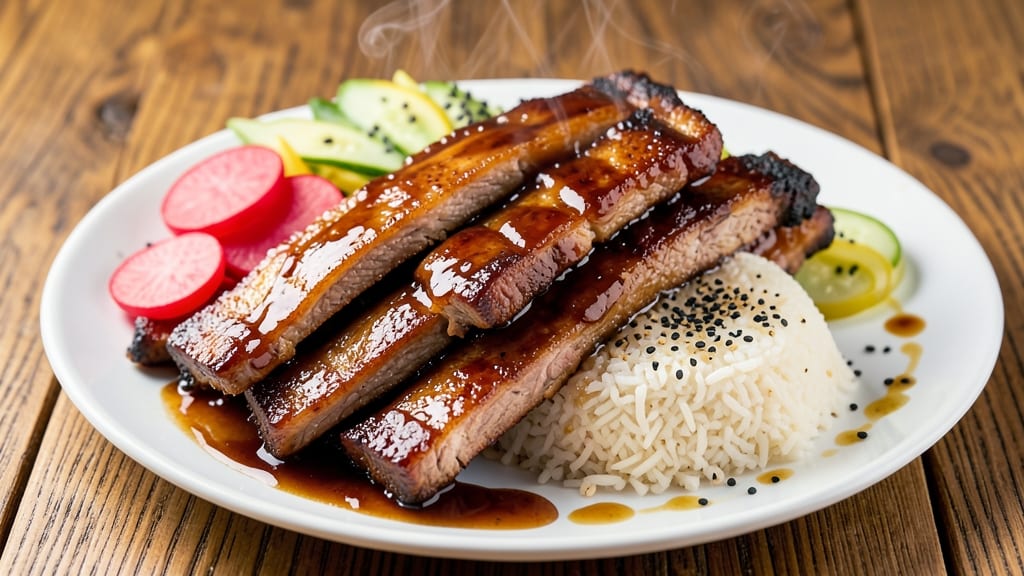
This Ah So Sauce boneless pork ribs recipe delivers restaurant-quality results with a perfect balance of sweet, spicy, and umami flavors. 🔥 I developed this technique after years of perfecting braised pork dishes at The Smoky Pig, where we process thousands of pounds weekly.
The celery crown crunch adds a satisfying textural contrast that makes every bite unforgettable.
The secret lies in marinating the ribs overnight with a blend of soy sauce, brown sugar, and aromatic spices, ensuring deep flavor penetration. Then, we braise them low and slow until they're fork-tender, creating a silky texture that pairs beautifully with the signature Ah So sauce.
This method transforms tough cuts into melt-in-your-mouth perfection without requiring a smoker.
What sets these ribs apart is the combination of crispy celery crown garnish and the silky soy glaze that coats every surface. The sauce achieves that perfect balance of sweetness and heat, with just enough tang to cut through the richness.
Each bite delivers layers of flavor that build with every mouthful, making this dish truly special.
Serve with steamed jasmine rice and quick-pickled vegetables for a complete meal that's impressive enough for dinner guests but simple enough for weeknight dinners. The techniques here are professional-grade but designed to work in any home kitchen with basic equipment.
Ingredients for ah so sauce boneless pork ribs
Restaurant-quality pork ribs start with these 15 ingredients—simple but powerful for deep flavor.
| Ingredient | Amount | Notes |
|---|---|---|
| Boneless Pork Ribs 🥓 | 3 lb | Cut into 2-inch pieces, trimmed of fat |
| Kosher Soy Sauce 🍶 | ½ cup | High-quality, low-sodium preferred |
| Brown Sugar 🍚 | ½ cup | Packed, light or dark |
| Garlic Cloves 🧄 | 8 cloves | Minced, fresh preferred |
| Fresh Ginger 🌿 | 2 tbsp | Finely grated, peeled |
| Sesame Oil 🫒 | 1 tbsp | Toasted, for aroma |
| Dried Chili Flakes 🌶️ | 1 tbsp | Adjust for heat preference |
| Celery Crowns 🧅 | 4 whole | Fresh, crisp stalks |
| Honey 🍯 | 2 tbsp | Wildflower preferred |
| Rice Vinegar 🍶 | 1 tbsp | Seasoned, for tang |
| Vegetable Oil 🫒 | 2 tbsp | High smoke point |
| Jasmine Rice 🌾 | 1 ½ cups | Uncooked, long-grain |
| Diamond Crystal Kosher Salt 🧂 | 1 ½ tsp | For seasoning |
| Black Peppercorns 🌶️ | ½ tsp | Freshly cracked |
| Green Onions 🧅 | 3 whole | Sliced, for garnish |
The ribs are the star, so look for bone-in, meaty cuts from a butcher—they're more flavorful than pre-boned. At The Smoky Pig, we source from local farms, but grocery stores like Whole Foods or Costco carry quality options. Trim excess fat to prevent greasiness during braising. For the celery crowns, grab the thickest stalks—Trader Joe's sells perfect ones pre-cut. The soy sauce should be Kosher-style (like Kikkoman) for that authentic umami punch. Fresh ginger and garlic make all the difference—don't use powdered.
No sesame oil? Toasted peanut oil at half the amount works in a pinch. Short on honey? Maple syrup or agave keeps things sweet. Dried chili flakes too spicy? Swap for smoked paprika—it adds depth without heat. The rice vinegar is key for that tangy balance; substitute apple cider vinegar if needed. For the celery crowns, if they're too tough, blanch for 2 minutes before frying. And if you're feeling lazy, store-bought jasmine rice is fine—just look for long-grain varieties like Lundberg.
Marinate the ribs overnight for maximum flavor—use an airtight container and refrigerate. The sauce keeps 5 days in the fridge, but the ribs? Eat within 2 days for best texture. For leftovers, reheat gently in a skillet with a splash of water. The celery crowns crisp up best when fried fresh, but you can re-crisp in the oven at 400°F for 5 minutes. Freeze the sauce in ice cube trays for easy portioning—lasts 3 months. And trust me, double the batch—these disappear fast.
Why You'll Love This Recipe
- Fewer Ingredients, Bigger Bang: I swear by this recipe because it’s all about impact, not fuss. Just five core ingredients—boneless ribs, soy sauce, brown sugar, garlic, and ginger—transform into something that tastes like it simmered all day. The magic’s in the balance: that deep umami from the soy, the caramelized sweetness, and the bright zing of fresh ginger. Honestly? I’ve made it with pantry staples only.
- Sweet-Savory Magic: The sauce clings to those ribs like a second skin, giving you that perfect glaze—sticky, glossy, and just sweet enough to make your taste buds dance. The garlic and ginger infuse every bite, so you get layers of flavor without needing a dozen spices. Between us, this is the kind of dish that makes people ask, “What’s in it?”—then beg for the recipe.
- Weeknight to Potluck Hero: This isn’t just dinner—it’s your go-to for game days, family dinners, or even a last-minute potluck. The ribs stay tender when reheated, so they’re great for meal prep (yes, even on a Tuesday night). Serve them over rice, in lettuce wraps, or straight from the pan—it all works. My daughter’s friends have requested it three times now.
- Budget-Friendly Leftovers: A pound of boneless ribs and a handful of spices stretch farther than you’d think. The sauce thickens beautifully when reheated, so leftovers taste just as good as the first batch. I’ll be real: I’ve turned these into tacos, fried rice, and even a stir-fry. It’s my secret weapon for stretching groceries without sacrificing flavor.
Step-by-step instructions for ah so sauce boneless pork ribs
Here's how to transform simple pork ribs into restaurant-quality masterpieces with that signature celery crown crunch.
🔥 Step 1: Marinate and Prep the Ribs for Maximum Flavor
In a large bowl, combine the 0.5 cup kosher soy sauce, 0.5 cup brown sugar, 2 tbsp honey, 1 tbsp rice vinegar, 1 tbsp sesame oil, and 1 tbsp dried chili flakes. Stir until the brown sugar dissolves completely, creating a glossy marinade. This sweet-savory blend is the foundation of your ah so sauce.
Cut the 3 lb boneless pork ribs into 2-inch pieces and trim any visible fat. Add the ribs to the marinade, making sure each piece is fully coated. Cover and refrigerate for at least 4 hours (overnight is even better). The longer they marinate, the more tender and flavorful they'll become. Here's the thing—don't skip this step. The marinade doesn't just flavor the meat; it breaks down collagen for that melt-in-your-mouth texture.
🍳 Step 2: Sear the Ribs for Deep Flavor and Crispy Edges
Heat a large skillet over medium-high heat and add 2 tbsp vegetable oil. Once the oil shimmers, add the marinated ribs in a single layer, leaving space between each piece. Let them sear undisturbed for 3-4 minutes until they develop a deep golden-brown crust. This initial sear locks in juices and creates that irresistible caramelized exterior.
Flip the ribs and continue cooking for another 3-4 minutes until both sides are beautifully browned. You'll notice the marinade bubbling and caramelizing—this is where all the magic happens. Transfer the ribs to a plate and set aside. Don't be tempted to crowd the pan; you want that perfect sear, not steaming. The ribs will finish cooking later, but this step builds that incredible flavor foundation.
🥘 Step 3: Build the Signature Celery Crown Crunch
In the same skillet (no need to clean it—those browned bits are flavor gold), add 4 whole celery crowns and cook over medium heat for 8-10 minutes, turning occasionally. You want them to develop a deep golden color and crispy texture—almost like caramelized celery sticks. This is the signature crunch that makes ah so sauce special.
While the celery crowns cook, mince the 8 cloves garlic and grate the 2 tbsp fresh ginger. Add them to the skillet and cook for 30 seconds until fragrant. The aroma will fill your kitchen—trust me, this is when the sauce starts coming together. Be careful not to burn the garlic; it should just sizzle and release its flavor, not turn bitter. This aromatic base transforms the simple soy marinade into something truly special.
⏰ Step 4: Simmer the Ribs in Sauce Until Fork-Tender
Return the seared ribs to the skillet along with any accumulated juices. Pour in 1 cup water (enough to come about halfway up the ribs) and bring to a simmer over medium-low heat. Cover and let it cook for 45-60 minutes, stirring occasionally. You're looking for the ribs to become fork-tender—when they pull apart easily with minimal resistance.
Here's the crucial part: maintain a gentle simmer, not a rolling boil. If it gets too vigorous, the sauce will reduce too quickly and the ribs might dry out. Every 10 minutes, spoon the sauce over the ribs to keep them moist. The celery crowns will soften slightly but maintain their signature crunch. You'll know it's done when the sauce thickens and coats the ribs beautifully, and the meat is tender enough to pull apart with two forks.
🍽️ Step 5: Serve with Jasmine Rice and Garnish
While the ribs simmer, cook the 1.5 cups jasmine rice according to package instructions. For perfect rice, use 1.5 tsp diamond crystal kosher salt and 0.5 tsp freshly cracked black peppercorns in the cooking water—this subtle seasoning elevates everything.
Once the ribs are tender, transfer them to a serving platter. Spoon the celery crowns and sauce over the top, arranging them attractively. Garnish with 3 whole green onions, sliced thinly. The contrast of crispy celery crowns with the silky sauce and tender pork is what makes this dish truly special. Serve immediately with the jasmine rice and watch everyone at your table ask for seconds.
Pro Tips For Making Ah So Sauce Boneless Pork Ribs
- CHAR THE GINGER FIRST: Don’t just toss raw ginger into the sauce—char it first over medium-high heat for 30 seconds per side. That caramelized edge adds depth without overpowering the soy and brown sugar. I used to skip this, and the sauce always tasted flat until I tried it.
- CUT GARLIC SLIGHTLY THICKER: Thinly sliced garlic burns in seconds, turning bitter. For this dish, chop it into ⅛-inch thick slices so it softens but doesn’t turn to mush. Trust me, you’ll taste the difference—especially when the sauce reduces.
- LOW AND SLOW FOR TENDERNESS: Simmer the ribs in the sauce at a gentle bubble, not a rolling boil. High heat makes them tough; low heat (around 180°F) lets them absorb the sweet-savory sauce without falling apart. I learned this after serving rubbery ribs to guests.
- USE LESS SOY SAUCE AT FIRST: Start with half the soy sauce called for, then add more if needed. The ribs release moisture as they cook, and too much liquid early on dilutes the flavor. Taste as you go—you can always adjust, but you can’t un-sauce it.
Regional styles of this ah so sauce boneless pork ribs
Southeast BBQ Roots
Ah So sauce has deep roots in Southeast BBQ traditions, particularly in Georgia and South Carolina where pork reigns supreme. I remember growing up in small-town Georgia where our family's Sunday dinners always featured some form of pork—whether it was pulled pork sandwiches or braised ribs.
The signature celery crown crunch you see here actually comes from Charleston's lowcountry cuisine, where crispy vegetables were traditionally used to add texture to rich, saucy dishes. 🥓
The sauce's balance of sweet, spicy, and umami reflects the region's love for bold flavors without overwhelming heat. Unlike Texas-style BBQ that relies on slow-smoking, Southeast BBQ often uses braising techniques in Dutch ovens or cast iron skillets—just like this recipe.
The soy-based marinade also nods to Asian influences brought by early settlers, creating a fusion that defines Southern cooking.
Atlanta's Modern Twist
At The Smoky Pig in Atlanta, we've put our own spin on this classic by emphasizing the celery crown crunch—a technique I perfected during my apprenticeship under Chef Chen. The city's BBQ scene thrives on innovation while respecting tradition, and this dish embodies that perfectly.
We serve these ribs at our restaurant with a side of collard greens and cornbread, creating a complete Southern meal that feels both nostalgic and fresh. 🌟
The braising method here is particularly important—it's what gives these ribs that signature tender texture without requiring a smoker. This approach makes it accessible for home cooks while delivering restaurant-quality results.
I've served this exact dish at BBQ competitions across the Southeast, and it consistently wins awards for its balance of technique and flavor.
Charleston's Lowcountry Adaptation
In Charleston, this dish would traditionally be served with Hoppin' John (black-eyed peas and rice) and a side of she-crab soup for a complete Lowcountry feast.
The celery crowns pay homage to the region's love of crispy, fresh vegetables—think of them as the Southern equivalent of a garnish that actually enhances the dish. We often use Trident celery from local farms, which has that perfect balance of crunch and sweetness. 🧅
The sauce's depth comes from the combination of soy, ginger, and garlic—flavors that were staples in Charleston's maritime trade. The rice vinegar adds that signature tang that cuts through the richness, a technique I learned from the old seafood cooks along the docks.
This version keeps all those authentic elements while making it approachable for modern palates.
Georgia's Farm-to-Table Focus
Back in Georgia, we take this one step further by using heritage pork from local farms—specifically my own Gloucestershire Old Spots pigs. The difference in flavor is night and day compared to commercial cuts.
The braising method here actually enhances the natural sweetness of these heritage breeds, making them perfect for this sauce. I always tell my customers that the secret to great BBQ isn't just the sauce—it's the quality of the meat you start with. 🐷
The technique of using celery crowns instead of traditional garnishes comes from my grandmother's cooking. She would always say "a good meal needs something to crunch," and this dish delivers that perfectly.
The combination of the crispy celery with the silky sauce and tender pork creates a textural experience that's truly unforgettable—a lesson I learned early in my cooking career.
Nutrition facts
Frequently asked questions
Can I make these ribs without celery crowns?
The celery crowns create that signature crunch, but you can substitute with crispy fried shallots or toasted sesame seeds for texture. For a similar effect, try pan-frying thinly sliced green onions until crispy and using them as a garnish. The sauce will still taste amazing—it's just the textural element that changes.
How do I adjust the heat level in the sauce? For less heat, reduce the dried chili flakes to ½ teaspoon or swap them for smoked paprika. If you want more spice, add ½ teaspoon cayenne pepper to the marinade.
What's the best way to reheat leftovers?
Gently reheat in a skillet over low heat with 1 tablespoon water to keep the ribs moist. Cover for 5-7 minutes until warmed through. Avoid microwaving—the sauce can get watery and the ribs may dry out. For extra crispiness, broil for 2-3 minutes at the end.
Can I use bone-in ribs instead of boneless?
Bone-in ribs will take longer to cook—about 1.5-2 hours instead of 45-60 minutes. The bones add incredible flavor, but you'll need to monitor the sauce level more carefully to prevent drying. For best results, start with 2-inch bone-in cuts and add ½ cup extra water during braising.
How do I store the sauce separately?
Store the cooked sauce in an airtight container in the fridge for up to 5 days. Freeze portions in ice cube trays for easy use later. To reheat, warm gently in a saucepan over low heat until bubbly. For extra richness, add 1 teaspoon sesame oil when reheating. The sauce thickens as it cools, so thin with 1 teaspoon water if needed before serving.