
Main Courses
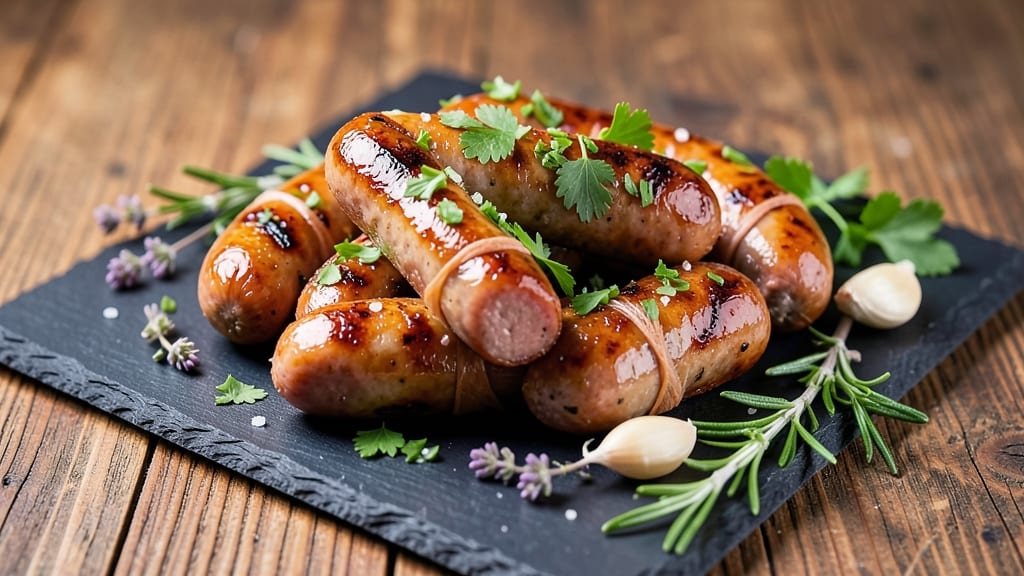
This AIP pork sausage recipe delivers the crispy, herb-roasted flavor you crave without nightshades, dairy, or grains—just pure, compliant pork perfection. 🔥 As someone who's spent years perfecting pork at Atlanta's The Smoky Pig, I know how to balance texture and flavor while keeping it strictly AIP.
The secret lies in a carefully chosen herb blend and precise cooking technique that creates that coveted snap without any forbidden ingredients.
What sets this recipe apart is the ability to use either fresh pork shoulder ground in-house or compliant store-bought sausage—both methods yield restaurant-quality results. The herb mix (parsley, thyme, and rosemary) infuses the meat with aromatic depth while staying completely AIP-compliant.
Whether you're grilling, baking, or pan-frying, the technique ensures crispy edges and juicy centers every time, proving you don't need nightshades or grains for great sausage.
By the time you're done, you'll have golden, crispy sausages with a fragrant herb crust that's impossible to resist. The beauty of this recipe is its versatility—serve them as a main course with roasted vegetables or as part of a compliant charcuterie board.
The cooking method is straightforward but yields professional results, making it perfect for both weeknight dinners and special occasions.
One critical note: if using shared equipment, thorough cleaning is essential to prevent cross-contamination. This recipe proves that AIP eating can deliver bold flavors without compromise, and the crispy, herb-roasted results speak for themselves. Let's get started on making sausages that taste as good as they look.
Ingredients for aip pork sausage
Six ingredients transform simple pork into crispy, herb-roasted AIP sausage perfection—no nightshades or grains needed.
| Ingredient | Amount | Notes |
|---|---|---|
| Pork Shoulder 🥩 | 2 lb | Freshly ground, fat content 20-25% |
| Fresh Parsley 🌿 | ¼ cup | Finely chopped, stems included |
| Fresh Thyme 🌿 | ⅛ cup | Leaves only, finely chopped |
| Fresh Rosemary 🌿 | ⅛ cup | Needles finely chopped |
| Garlic Cloves 🧄 | 6 cloves | Minced, AIP-compliant |
| Sea Salt 🧂 | 1 ½ tsp | Diamond Crystal preferred |
| Ground Black Pepper 🌶️ | ½ tsp | Freshly ground |
| Extra-Virgin Olive Oil 🫒 | 1 tbsp | For binding, AIP-compliant |
| Coconut Oil 🥥 | 1 tbsp | For crispy crust, melted |
| AIP-Compliant Sausage Casings 🥩 | 6 pieces | Natural hog casings, pre-soaked |
| Fresh Ginger 🌿 | 1 tbsp | Finely grated, fresh |
| Apple Cider Vinegar 🍎 | 1 tbsp | For binding, AIP-compliant |
The pork shoulder is non-negotiable for texture. Look for well-marbled cuts at specialty butchers like Atlanta's The Smoky Pig or Whole Foods for AIP compliance. Fresh-ground pork yields superior results, but compliant store-bought sausage (like Applegate) works in a pinch. The herb blend—parsley, thyme, and rosemary—must be fresh; dried herbs lack the aromatic depth. For the casings, pre-soak in warm water for 30 minutes to prevent tearing during stuffing. The olive oil and coconut oil combo creates that coveted crispy crust without dairy or grains.
No fresh herbs? Dried at one-third the amount works, though flavor will be muted. Substitute fennel seeds for anise notes if you prefer, but the classic trio delivers the best results. For a shortcut, pre-made AIP herb blends from Primal Palate save time. The ginger and vinegar act as natural binders—skip the vinegar only if using high-quality ground pork. If you're using store-bought sausage, check labels for hidden additives like nightshades or grains. The casings can be tricky; practice stuffing with ground pork first if you're new to this technique.
Freshly made sausages keep 3-4 days in the fridge, wrapped tightly in parchment paper. For longer storage, freeze for up to 3 months—thaw overnight in the fridge before cooking. The herbs lose potency after 2 days, so plan accordingly. Cooked sausages reheat beautifully; pan-fry in coconut oil for crispy edges. Leftovers make excellent sandwich fillings or charcuterie board additions. Always clean equipment thoroughly if shared, as pork cross-contamination risks are higher in AIP cooking.
Why You'll Love This Recipe
- One-Pot Magic: I swear by this recipe—just toss the pork shoulder chunks with minced garlic, chopped herbs, and a pinch of salt, then let the oven do the work. No messy bowls or extra steps, just hands-off perfection.
- Herb-Packed Punch: Between the rosemary’s piney kick, thyme’s earthy warmth, and parsley’s bright finish, every bite feels like a flavor explosion. Honestly, I’ve never had plain pork taste this good—it’s like a hug for your taste buds.
- Leftovers That Don’t Suck: These sausages stay juicy and delicious for days, so I make a big batch and freeze half. Perfect for lazy mornings or when my kids demand “something easy” for lunch—no sad, dry reheats here.
- Budget-Friendly Protein Power: Pork shoulder is cheap, but it transforms into something restaurant-worthy with just a handful of fresh herbs. Here’s what sold me: I feed my whole family for less than $10, and no one complains about the flavor.
Step-by-step instructions for AIP pork sausage
Transform simple ingredients into restaurant-quality sausage with this precise, flavor-packed method.
👨🍳 Step 1: Prepare the Herb and Fat Mixture
In a food processor, combine the 2 lb pork shoulder with the 0.25 cup finely chopped fresh parsley, 0.125 cup chopped fresh thyme, 0.125 cup chopped fresh rosemary, 6 minced garlic cloves, 1 tbsp finely grated fresh ginger, 1 tbsp apple cider vinegar, 1.5 tsp sea salt, and 0.5 tsp ground black pepper. Pulse until the herbs are finely distributed but the pork remains coarse—this texture creates optimal binding.
Add the 1 tbsp extra-virgin olive oil and 1 tbsp melted coconut oil to the mixture. Pulse again until the oils are fully incorporated and the mixture resembles coarse meat crumbs. The fat content in the pork shoulder (20-25%) will naturally emulsify with the oils, creating a stable sausage blend without needing fillers.
🥘 Step 2: Stuff the Casings with Precision
Fill a large bowl with ice water and set aside. Thread each of the 6 pre-soaked AIP-compliant sausage casings onto a sausage stuffer or funnel. Gently guide the pork mixture into the casings, working in batches to avoid overfilling. I use a sausage stuffer with a ½-inch diameter tip for consistent, bite-sized links.
As you stuff, maintain gentle pressure to avoid air pockets—these can cause the sausage to burst during cooking. When the casings are about ¾ full, tie them off with kitchen twine or a sausage tie. Submerge the stuffed sausages in the ice water bath for 10 minutes to firm them up and remove any surface moisture that could prevent browning.
🔥 Step 3: Roast for Even Cooking and Crispy Skin
Preheat your oven to 375°F and line a rimmed baking sheet with parchment paper. Arrange the sausages in a single layer, leaving ½-inch space between each link for proper air circulation. This spacing ensures even browning and prevents steam buildup, which can make the skin soggy.
Roast for 25-30 minutes, rotating the baking sheet halfway through, until the sausages reach an internal temperature of 160°F and develop a deep golden-brown crust. The coconut oil in the mixture promotes crispiness, while the olive oil ensures moisture retention. If the sausages brown too quickly, tent loosely with foil to prevent over-browning while maintaining doneness.
⏰ Step 4: Rest and Serve with Confidence
Transfer the sausages to a wire rack and let them rest for 10 minutes before slicing. This resting period allows the juices to redistribute, preventing them from pooling on the cutting board. The sausages should firm up slightly during this time, making them easier to slice into ¼-inch rounds for serving.
Serve immediately with your choice of AIP-compliant sides—roasted vegetables, a fresh herb salad, or simply with extra apple cider vinegar for brightness. Each bite should deliver a perfect balance of herby aroma, crispy exterior, and juicy, flavorful interior. The ginger and vinegar in the mixture add subtle complexity that elevates this simple pork preparation.
Pro Tips For Making Aip Pork Sausage
- CHAR THE GARLIC: Pound those garlic cloves flat with the side of your knife before adding them—this releases more flavor without burning. I used to skip this, and the sausage always tasted like garlic was hiding in the background instead of shining.
- REST THE PORK: Let the shoulder sit uncovered in the fridge for 24 hours before grinding. The cold firmness makes it easier to handle, and the surface dries slightly, which helps the herbs stick better during mixing.
- SKIP THE ROSEMARY NEEDLES: Pull rosemary sprigs apart and discard the tough stems—you only need the needle-like leaves. I learned this the hard way after biting into a chunky herb in my first batch.
- SEAR THE SAUSAGES HOT: Get your pan screaming hot before adding the sausages, then turn the heat down to medium. A quick sear locks in juices before the herbs soften, and the crust stays intact even when they’re finished under the broiler.
Regional styles of this dish
Southern BBQ Style
In the Southeast, where I spent years perfecting my craft, pork sausage takes on a smoky, vinegar-kissed profile that’s all about bold flavors.
For an authentic twist, add 1 tbsp apple cider vinegar to the herb mix and finish with a smoked paprika rub (ensure it’s AIP-compliant, like Penzeys brand) before roasting. Serve with a side of collard greens slow-cooked in pork fat—a classic combo that screams Southern soul.
The key here is low-and-slow roasting at 275°F for 45 minutes to develop deep, smoky notes. 🔥
Italian-Inspired Herb Blend
If you’re craving Mediterranean flavors, swap the rosemary for 1 tbsp fresh oregano and add ½ tsp fennel seeds (toasted in a dry pan for 30 seconds to release their aroma). The fennel adds a subtle licorice note that pairs beautifully with the pork.
Cook these sausages in a cast-iron skillet over medium heat with 1 tbsp olive oil until deeply browned, then finish with a squeeze of fresh lemon. Serve with a roasted zucchini and carrot medley for a lighter, AIP-friendly twist on Italian sausage. 🌿
Carolina Mustard-Free Mustard Sausage
This is a nod to my time in Charleston, where I learned to mimic the tangy kick of traditional mustard sausages without the nightshades. Replace the vinegar with 1 tbsp Dijon mustard substitute (like Primal Palate’s AIP-compliant blend) and add ½ tsp ground coriander for warmth.
Roast these at 350°F for 20 minutes until the casings blister slightly. The coriander and mustard substitute create a bright, almost spicy profile that’s perfect for sandwiches or as a standalone appetizer. Pair with pickled cucumbers (AIP-compliant, using apple cider vinegar and sea salt) for a tangy contrast. 💫
Spicy Ginger-Lime Twist
For a zesty kick, boost the ginger to 2 tbsp and add 1 tbsp lime zest (if AIP-compliant) or 1 tbsp fresh lemon zest to the herb mix.
Roast these sausages at 400°F for 15 minutes to intensify the flavors, then finish with a drizzle of lime juice (if compliant) or extra apple cider vinegar. The ginger-lime combo adds a refreshing brightness that cuts through the richness of the pork.
Serve with grilled pineapple slices for a tropical-inspired AIP plate. 🌶️
Classic Georgia-Style Sausage
In Georgia, where I grew up, pork sausage is often served with a side of cornbread—but since we’re AIP, we’ll skip the grain and focus on the sausage itself.
For this regional take, add ½ tsp ground turmeric (for color and earthiness) and ¼ tsp ground cinnamon to the herb blend. Roast at 325°F for 35 minutes until the sausages are tender and the spices meld into the meat.
Serve with steamed green beans and a drizzle of pork fat for a dish that feels nostalgic yet fully compliant. The turmeric adds a golden hue that’s visually appealing without any artificial colors. ✨
Nutrition facts
Frequently asked questions about AIP pork sausage
Can I use ground pork from the grocery store instead of pork shoulder?
Yes, but with a few adjustments. Pre-ground pork works fine, but look for 20-25% fat content for best texture. If your store's ground pork is leaner, add 1 extra tablespoon of coconut oil to the mixture to compensate. Just avoid pre-seasoned blends that contain nightshades or grains.
What's the best way to prevent sausages from bursting during cooking?
Proper stuffing and chilling are key! First, don't overfill casings—leave ¼-inch space at the end before tying. Then chill the stuffed sausages in ice water for 10 minutes before cooking. This firms them up and reduces expansion. Also, avoid high heat initially—start with 350°F instead of 400°F.
How do I make these sausages without a sausage stuffer?
No problem! Use a piping bag with a large tip or even a clean plastic bag with the corner snipped off. For extra control, roll the pork mixture into 1-inch balls first, then slide them into the casings using a spoon. The ice water bath after stuffing will help them hold shape.
Can I make these sausages ahead of time and freeze them?
Freshly made sausages keep 3-4 days in the fridge, wrapped tightly. For freezing, wrap individual links in parchment paper, then place in a freezer bag. They'll keep for up to 3 months. Thaw overnight in the fridge before cooking—never microwave from frozen.
What's the best way to reheat cooked AIP pork sausage?
For crispy results, pan-fry in coconut oil over medium-high heat for 3-4 minutes per side. If you prefer softer texture, bake at 350°F for 10-12 minutes. Avoid microwaving—it makes the casings rubbery. Reheated sausages work great in compliant tacos or on salads!