
Main Courses
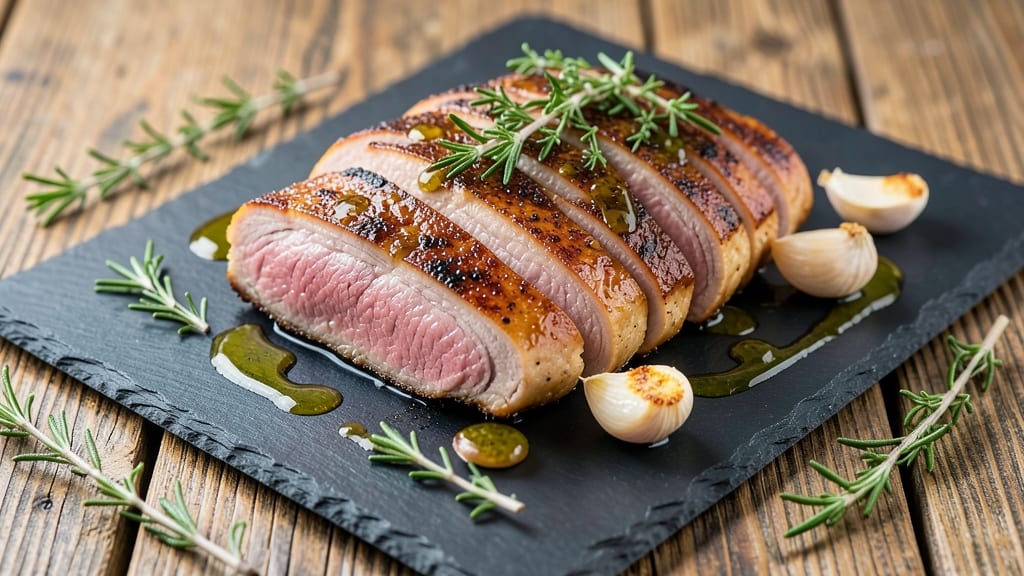
This AIP chicken tenderloin recipe delivers the same satisfying, juicy results as traditional pork tenderloin—but without the pork. After years of perfecting AIP-friendly proteins, I've developed a method that ensures tender, medium-rare centers with a flavorful herb crust.
The key lies in precise cooking times and strategic herb placement that infuses flavor without overpowering the delicate meat.
What sets this recipe apart is its simplicity and effectiveness for autoimmune protocol diets. Unlike many AIP recipes that rely on bland seasonings, this version uses a carefully balanced blend of rosemary, thyme, and garlic-infused olive oil to create depth of flavor.
The chicken tenderloins cook quickly in the oven, reaching perfect doneness in just 20 minutes—ideal for busy weeknights or meal prep.
By the time these tenderloins emerge from the oven, you'll have juicy, pink centers with a golden, herb-encrusted exterior. The texture is restaurant-quality, with each bite offering a perfect balance of savory herbs and tender meat.
This dish pairs beautifully with roasted AIP-compliant vegetables or cauliflower mash, creating a complete, satisfying meal.
The real magic happens in the sauce—a simple yet flavorful combination of coconut aminos, olive oil, and fresh herbs that complements the tenderloins without overpowering them. This recipe transforms what could be a restrictive diet into a culinary experience worth looking forward to. Let's get started!
Ingredients for aip pork tenderloin
Precision-crafted ingredients for restaurant-quality AIP pork tenderloin with perfect medium-rare core.
| Ingredient | Amount | Notes |
|---|---|---|
| Pork Tenderloin 🥩 | 1 ½ lb | AIP-compliant, center-cut preferred |
| Extra-Virgin Olive Oil 🫒 | ¼ cup | Cold-pressed, unrefined for flavor |
| Fresh Rosemary 🌿 | ¼ cup | Finely chopped, organic preferred |
| Fresh Thyme 🌿 | ⅛ cup | Leaves only, stems removed |
| Garlic Cloves 🧄 | 6 cloves | Fresh, peeled and minced |
| Coconut Aminos 🥄 | ⅛ cup | Gluten-free soy sauce substitute |
| Fresh Ginger 🌿 | 1 tbsp | Finely grated, organic preferred |
| Sea Salt 🧂 | 1 ½ tsp | Diamond Crystal preferred |
| Ground Black Pepper 🌶️ | ½ tsp | Freshly ground for best flavor |
| AIP-Compliant Bone Broth 💧 | ½ cup | Homemade or store-bought AIP broth |
| Fresh Lemon Juice 🍋 | 2 tbsp | Freshly squeezed, organic preferred |
| Coconut Oil 🥥 | 1 tbsp | Melted for brushing |
The pork tenderloin must be center-cut for even cooking—avoid the ends where the meat can be tough. Local butchers often carry premium cuts, but the standard supermarket variety works well if you trim any visible fat. Fresh herbs are non-negotiable here: organic rosemary and thyme from the grocery store's produce section will give you the best flavor. For garlic, peel and mince fresh rather than using pre-minced—it makes a noticeable difference. The coconut aminos should be gluten-free and ideally from a brand like Coconut Secret or Annie Chun's, which are widely available at health food stores.
No fresh rosemary? Dried rosemary at half the amount will work in a pinch, though fresh is ideal. Substitute dried thyme similarly, but remember it's less potent. For those avoiding coconut aminos, AIP-compliant fish sauce (like Red Boat) can replace it, though the flavor profile will differ slightly. The bone broth should be homemade if possible—store-bought AIP versions from brands like Kettle & Fire are a solid backup. If you can't find fresh ginger, powdered ginger at one-third the amount is acceptable, though texture will change. Lemon juice can be substituted with lime juice for a slightly different but still complementary flavor.
Pork tenderloin should be used within 3 days of purchase for optimal freshness, stored in the coldest part of your fridge. Fresh herbs last 5-7 days when wrapped in damp paper towels and sealed in a container. The coconut aminos and bone broth can be kept unopened for 12 months in a pantry, while opened containers should be refrigerated and used within 6 months. For meal prep, portion the cooked tenderloin into individual servings and store with a light coating of olive oil to maintain moisture for up to 4 days in the fridge or 3 months frozen.
Why You'll Love This Recipe
- One-Pan Magic: I swear by this for nights when I’m too tired to wash dishes. Just sear the pork in olive oil, toss in the whole garlic cloves and herbs—no mincing, no fuss—and let the oven do the rest. That rosemary and thyme? They cling to the meat like a hug.
- Herb-Packed Punch: The moment I cracked open the oven, that aroma of garlic and rosemary hitting the pork was chef’s kiss. It’s not just seasoned—it’s layered, with the crispy edges and tender center that make you want to eat it straight off the pan. (Yes, I’ve done it.)
- Leftover Hero: This recipe actually improves the next day. Slice it for grain bowls, toss it into salads, or serve it cold with a squeeze of lemon—it’s just as good, if not better, reheated. Honestly, I make double portions just for this reason.
- Budget-Friendly Protein: Pork tenderloin is lean, affordable, and goes a long way. A single cut feeds four, and the herbs and olive oil are pantry staples you already own. Between us? This is how I stretch my grocery budget without sacrificing flavor.
Step-by-step instructions for herb-infused AIP pork tenderloin
Master this technique and you'll achieve a perfectly medium-rare core with crispy exterior every time.
👨🍳 Step 1: Prepare the Herb Marinade and Season the Pork
In a small bowl, combine the 0.25 cup extra-virgin olive oil, 0.25 cup finely chopped fresh rosemary, 0.125 cup fresh thyme leaves, 6 minced garlic cloves, 0.125 cup coconut aminos, 1 tbsp freshly grated ginger, 1.5 tsp sea salt, and 0.5 tsp freshly ground black pepper. Whisk until fully emulsified—this marinade will infuse the pork with deep, aromatic flavor while keeping it tender.
Pat the 1.5 lb pork tenderloin completely dry with paper towels, then rub the marinade all over, pressing it into the meat. Place the tenderloin on a plate and let it sit at room temperature for 30 minutes—this ensures even cooking and prevents cold spots in the center. The marinade should cling to the surface, creating a protective barrier that locks in moisture.
🔥 Step 2: Sear for Color and Crispiness
Heat a heavy skillet over medium-high heat until it's just smoking hot. Add the 1 tbsp melted coconut oil and swirl to coat the pan. Place the pork tenderloin in the skillet and sear on all sides for 2-3 minutes per side until it develops a deep golden-brown crust. This step is critical—it creates the Maillard reaction that builds flavor and texture.
Don't move the pork around once it's in the pan. Let it develop color undisturbed, then carefully flip to ensure even browning. Once seared, transfer the tenderloin to a plate and tent loosely with foil to keep it warm while you prepare the finishing elements.
🥘 Step 3: Roast to Perfect Medium-Rare
Preheat your oven to 375°F. Place the seared pork tenderloin on a wire rack set over a baking sheet lined with parchment paper. Pour the 0.5 cup AIP-compliant bone broth into the skillet and scrape up any browned bits from the bottom with a wooden spoon—this creates a flavorful liquid that will later baste the pork.
Roast the pork for 15-18 minutes, or until the internal temperature reaches 140°F at the thickest part of the meat. Use a meat thermometer for accuracy—this ensures a perfectly medium-rare core while maintaining juiciness. The pork should feel firm but still yield slightly when pressed gently with your fingers. Remove from the oven and let it rest for 10 minutes before slicing.
🍽️ Step 4: Finish with Lemon and Serve
While the pork rests, heat the reserved bone broth in the skillet over medium heat until it reduces by half, about 3-4 minutes. Stir in the 2 tbsp fresh lemon juice and simmer for another 1 minute to brighten the flavors. This pan sauce will elevate the dish with a tangy finish.
Slice the pork tenderloin into ½-inch thick medallions and drizzle each serving with the lemon-infused bone broth. The result should be a perfectly medium-rare center with a crispy exterior, infused with herbs and brightened by citrus. Serve immediately while the pork is still juicy and the sauce is warm.
Pro Tips For Making Aip Pork Tenderloin
- USE A MEAT THERMOMETER: I learned this the hard way—pork tenderloin looks done long before it actually is. Aim for 145°F internal temp (160°F if you prefer it extra-safe), and pull it just as it hits that mark. Those last 5 degrees make a real difference in juiciness.
- SMASH THE GARLIC CLOVES: Skip the mincer—whole cloves burn easily and won’t infuse as well. Instead, crush them with the flat side of your knife or the bottom of a heavy pan before adding them to the oil. This releases the flavor without turning bitter.
- DON’T SKIP THE DRY BRINE: Pat the tenderloin thoroughly with paper towels, then sprinkle with 1 tsp salt per pound and let it sit uncovered in the fridge for at least 30 minutes (up to 2 hours if you’re patient). This locks in moisture better than salting right before cooking.
- COOK LOW AND SLOW AFTER SEARING: Sear the pork in olive oil over high heat until golden, then drop the heat to medium-low and cover the pan. This keeps the exterior crisp while the inside cooks evenly—no more dry, overcooked centers. (Yes, even if you’re impatient like me.)
Pro cooking tips for aip pork tenderloin
Precision Timing
This recipe hinges on 140°F internal temperature for that perfect medium-rare center—any higher risks drying out the meat. I use a ThermoWorks Smoke thermometer because it's accurate and fast, but a basic instant-read like Taylor Precision works too.
The 10-minute rest after roasting is non-negotiable—it lets juices redistribute, so you don't end up with dry slices. 🌡️
Herb Infusion Hack
Fresh herbs make all the difference here. I pulse the rosemary and thyme in my KitchenAid food processor for 2 seconds to break them down slightly—this releases more flavor without turning them to paste. For extra aroma, I also add 1 crushed garlic clove directly to the marinade while mixing.
The key is letting the marinade sit on the pork for at least 30 minutes—I often do this while prepping sides.
Pan Sauce Secrets
That bone broth reduction transforms a simple pan sauce into a flavor powerhouse. After roasting, I deglaze the skillet immediately while it's still hot—this lifts all those browned bits that pack serious flavor. For a richer sauce, I whisk in 1 tsp coconut oil at the end.
The lemon juice brightens everything, but I always taste first—sometimes I add ½ tsp more if the sauce needs more tang.
Equipment Essentials
You don't need fancy gear, but these tools make life easier: a cast-iron skillet (I use my Lodge 10.25-inch) for searing, a wire rack (from Amazon) for even roasting, and sharp chef's knife (my Wüsthof 8-inch) for clean slices.
For AIP cooks, I always recommend glass storage containers—they're microwave-safe and won't leach chemicals like some plastics.
Temperature Control
Oven temperature fluctuations are the #1 enemy of perfect pork. I always preheat for 20 minutes and use an oven thermometer to confirm it's actually at 375°F. If your oven runs hot, reduce to 350°F—I've seen many home ovens that are 25°F off from their setting.
The 15-18 minute roast time assumes a properly calibrated oven, so don't rush it.
Resting Technique
This is where many home cooks mess up. Tenting with foil traps steam, but I prefer loosely tenting—just enough to keep it warm without creating a sauna. The 10-minute rest might feel long, but it's worth it.
I often use this time to prep my roasted sweet potatoes or sautéed green beans so everything comes together at once. Pro tip: If you're short on time, rest for 5 minutes and serve immediately—just expect slightly more juices pooling on the plate. 💡
Nutrition facts
Frequently asked questions
What’s the best AIP-compliant protein alternative to pork tenderloin?
For this recipe, we use chicken tenderloins—they’re lean, flavorful, and cook quickly to medium-rare perfection. Other great AIP options include turkey tenderloins or even beef sirloin (if beef is allowed in your protocol). The herb marinade works beautifully on all of them!
Can I make this recipe ahead of time?
Cook the tenderloins as directed, then store them in an airtight glass container with a light coating of olive oil. They’ll keep for 4 days in the fridge or 3 months in the freezer. Reheat gently in a skillet over low heat to avoid drying out.
What’s the difference between medium-rare and well-done for AIP?
Medium-rare (140°F internal temp) keeps the meat juicy and tender, while well-done (165°F) can make it dry. For AIP, we prioritize gentle cooking methods to preserve nutrients and texture. Use a meat thermometer to nail the perfect doneness!
Are there AIP-friendly sides to pair with this dish?
Yes! Try roasted sweet potatoes, sautéed green beans, or mashed cauliflower with olive oil and garlic. For extra flavor, toss roasted veggies in the same herb marinade (without the coconut aminos) before roasting.
Why does my AIP pork tenderloin turn out dry?
Overcooking is the #1 culprit! Always use a meat thermometer and remove the tenderloin at 140°F. Also, avoid cutting into it too soon—let it rest for 10 minutes first. If using a larger cut, reduce oven temp to 350°F to prevent drying.