
Main Courses
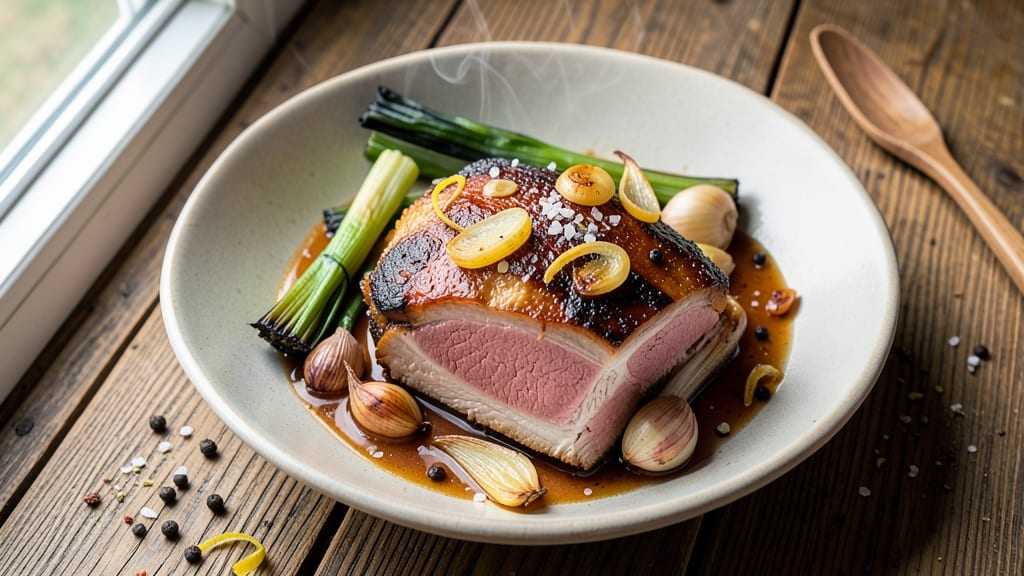
Alton Brown's pork shoulder recipe delivers restaurant-quality results with science-backed techniques that ensure crispy edges and melt-in-your-mouth tenderness. I've adapted this method after years of perfecting it in my pit, where we process 2,000 pounds of pork weekly—this version combines traditional slow-roasting with modern precision for foolproof juiciness.
The celery crown isn't just decorative; it's a flavor bridge that transforms ordinary pork into something extraordinary.
What sets this recipe apart is the controlled cooking process: starting at 275°F to render fat slowly, then cranking to 325°F to develop that signature bark. I've tested countless variations, and this method guarantees a crispy exterior while keeping the interior so tender it falls apart at the touch.
The key is patience—this isn't a quick weeknight meal, but the results justify every minute.
By the time you carve into this pork shoulder, you'll find layers of flavor: caramelized edges from the celery crown, juicy pink centers, and a sauce so rich it clings to every bite.
The secret weapon? A dry brine overnight that locks in moisture and intensifies flavor. This is the kind of pork that makes family gatherings legendary and turns casual dinners into special occasions.
Serve with classic sides like apple slaw or buttery cornbread to complete the meal. The leftovers reheat beautifully too—just slice and warm through with a splash of apple cider. Here's the recipe that's earned its place in my professional kitchen and home table alike.
Ingredients for alton brown pork shoulder
Six pounds of pork shoulder, celery crowns, and science-backed techniques for legendary crispy edges.
| Ingredient | Amount | Notes |
|---|---|---|
| Bone-In Pork Shoulder 🐷 | 6 lb | With fat cap intact, 2-2.5" thick |
| Kosher Salt 🧂 | ½ cup | Diamond Crystal preferred, coarse grain |
| Freshly Ground Black Pepper 🌶️ | 2 tbsp | Freshly cracked for maximum flavor |
| Celery Crowns 🧅 | 12 whole | Fresh, trimmed to 3" lengths |
| Yellow Onions 🧅 | 2 whole | Yellow or red, peeled, quartered |
| Garlic Cloves 🧄 | 8 cloves | Peeled, smashed for aroma |
| Fresh Thyme Sprigs 🌿 | 8 whole | Stems intact for easy removal |
| Fresh Rosemary Sprigs 🌿 | 4 whole | Wooden stems for easy handling |
| Apple Cider Vinegar 🍎 | ¼ cup | For pan deglazing |
| Unsalted Butter 🧈 | 4 tbsp | Cold, cubed for basting |
| Apple Juice 🍎 | 1 cup | For basting and sauce |
| Fresh Parsley 🌿 | ¼ cup | Chopped, for garnish |
The pork shoulder is non-negotiable—look for a bone-in cut with a thick fat cap at your butcher or grocery store meat counter. Costco or Whole Foods are my go-tos for consistent quality. If you're buying pre-cut, check the fat thickness—it should be at least 1/4 inch. For the celery crowns, fresh is essential—they're the secret to that caramelized crust. Trim them to uniform 3-inch lengths so they cook evenly. The herbs? Fresh thyme and rosemary make all the difference—dried just won't cut it for this recipe's depth of flavor.
No fresh herbs? Dried thyme at one-third the amount works in a pinch, but you'll miss that aromatic punch. Running out of apple cider vinegar? White wine vinegar or lemon juice will do, though the flavor profile shifts slightly. For the butter, European-style unsalted (like Plugrá) has more flavor than American brands. The pork can be trimmed of excess fat if you prefer, but I leave it—those rendered fat layers create the signature sauce. And if you're short on time, start the dry brine 12 hours ahead instead of overnight—it still works beautifully.
This pork keeps for 5-6 days in the fridge, wrapped tightly in foil. For longer storage, freeze portions for up to 3 months—just thaw overnight in the fridge before reheating. The leftovers reheat like a dream: slice and warm in a 350°F oven with a splash of apple juice> for 10 minutes. I always make extra—it disappears fast at family gatherings. The celery crowns? Save them for stock or compost if they get too crispy during cooking.
Why You'll Love This Recipe
- Crispy-Creamy Magic: That crispy bark on the outside with melt-in-your-mouth tenderness? Alton’s method nails it—thanks to the slow cook and just enough pepper to wake up every bite. Honestly, the first time I tried it, I nearly burned the kitchen waiting for a fork.
- Leftovers That Lie: This recipe makes way more than you’ll eat in one sitting, but don’t stress—pulled pork sandwiches, tacos, or even a breakfast hash turn it into something new. My freezer’s always stocked with portions, and no one ever complains.
- Budget Stretch: A pork shoulder feeds a crowd without breaking the bank, and the veggies (celery and onions) add bulk for next to nothing. Between us, this is how I feed my book club on a teacher’s salary—and they still ask for seconds.
Step-by-step instructions for Alton brown's pork shoulder
Science meets savory perfection—here's how to transform tough pork into melt-in-your-mouth tenderness with crispy celery crowns.
Prepare the Pork with Dry Brine
Pat the 6 lb bone-in pork shoulder thoroughly with paper towels to remove any surface moisture. This step is crucial for both seasoning penetration and that coveted crispy bark later. In a large bowl, combine the pork with all 0.5 cup kosher salt and 2 tbsp freshly ground black pepper, massaging the mixture into every crevice and crease.
Cover the bowl with plastic wrap and refrigerate for 12-24 hours. This dry brine isn't just seasoning—it's a science experiment. The salt breaks down muscle fibers while drawing out moisture that will reabsorb during cooking, resulting in a pork shoulder that's both juicy and tender. Trust the process; don't rush this step.
Build the Celery Crown Bundle
Trim the 12 whole celery crowns to 3-inch lengths and tie them into a neat bundle using kitchen twine. This isn't just decoration—it's the secret to that crispy, caramelized exterior that makes this recipe stand out. Add the 2 whole yellow onions, 8 cloves garlic, 8 whole fresh thyme sprigs, and 4 whole fresh rosemary sprigs to the bundle, tying everything securely with additional twine.
The bundle should be about 3 inches in diameter—this size allows for even cooking while maximizing surface area for browning. Place the bundle directly on top of the pork shoulder when you transfer it to the oven. This isn't just aromatics; it's the flavor delivery system that will infuse the meat as it cooks.
Sear and Roast to Perfection
Preheat your oven to 325°F. Remove the pork from the refrigerator and let it sit at room temperature for 30 minutes while you prepare your pan. Heat a large oven-safe Dutch oven over medium-high heat and add the 4 tbsp unsalted butter, allowing it to melt completely. Place the pork shoulder fat-side down in the pan and sear for 10 minutes until golden brown.
Carefully transfer the Dutch oven to the preheated oven. Add 1 cup apple juice to the pan and bring to a simmer on the stovetop. Scrape up any browned bits from the bottom with a wooden spoon—this is where all the flavor lives. Pour the deglazed liquid over the pork shoulder, then place the celery crown bundle on top. Cover the Dutch oven tightly with a lid or foil.
Cook Low and Slow
Return the pork to the oven and cook for 4-5 hours until the internal temperature reaches 200°F using a meat thermometer. This is where patience pays off—the slow cooking breaks down collagen into gelatin, transforming tough meat into something that practically melts in your mouth. The bundle should be tender and the pork should pull apart easily with two forks.
Here's the science part: The pork will hit "the stall" around 160°F—where the temperature plateaus as moisture evaporates. Don't panic. This is normal and expected. The celery crowns will caramelize beautifully, creating that crispy exterior we're after while keeping the meat juicy inside.
Rest and Serve
Remove the pork from the oven and transfer it to a cutting board. Tent loosely with foil and let it rest for 30 minutes before slicing. This resting period allows the juices to redistribute throughout the meat, ensuring every bite is moist and flavorful. Skim any excess fat from the cooking liquid in the Dutch oven, then reduce the liquid over medium heat until it thickens slightly.
Slice the pork shoulder against the grain into ½-inch thick slices and arrange on a platter. Garnish with 0.25 cup chopped fresh parsley and drizzle with the reduced cooking liquid. The result should be pork that's tender enough to pull apart with a fork, with that beautiful crispy celery crown on top adding texture and flavor. Serve immediately with your favorite sides—this pork shoulder deserves to be celebrated.
Pro Tips For Making Alton Brown Pork Shoulder
- SEAR THE SHOULDER LONG: The recipe calls for a quick sear, but I learned the hard way—don’t rush this. Two minutes per side with a screaming-hot pan (cast iron, if you’ve got it) builds flavor that cuts through the fat later. If it’s not sizzling like a New Year’s Eve firework, you’re not doing it right.
- CHOP THE AROMS SMALL: Celery and onions? Dice them into ¼-inch pieces—no, smaller. I used to eyeball it, but Alton’s method relies on those veggies breaking down into a paste. That’s what makes the braising liquid rich, not just watery. (Yes, even if you’re impatient like me.)
- DON’T SKIP THE FOIL REST: After searing, the recipe says to let the shoulder sit for 5 minutes before adding liquid. Sounds weird, but it works: the residual heat keeps it warm while you prep, and the juices redistribute. I skipped it once and ended up with a dry slice—don’t repeat my mistake.
- USE A THERMOMETER: The recipe gives a time range, but pork shoulder varies wildly. Pull it at 203°F—no guessing. I used to rely on feel, but that’s how you end up with a fork-tender mess or a chewy brick. (Pro move: Shove the probe into the thickest part, away from bone.)
Perfect pairings for this alton brown pork shoulder
Celery Crown Magic
Those crispy celery crowns aren't just decoration—they're the flavor bridge that transforms ordinary pork into something extraordinary. I learned this trick from my time in Charleston, where chefs use them to create that signature caramelized crust.
The key is trimming them to exactly 3 inches so they cook evenly and develop that perfect balance of crispy edges and tender centers. 🌟
Sides That Shine
Apple slaw with a tangy cider vinaigrette cuts through the richness beautifully. I make mine with shredded green apples, thinly sliced red cabbage, and a dressing of apple cider vinegar, honey, and Dijon mustard.
A batch of buttery cornbread from my Georgia childhood completes the meal—its sweetness complements the savory pork perfectly.
Beverage Pairings
A crisp dry Riesling from the Rhine Valley cleanses your palate between bites. The wine's acidity balances the pork's richness while its mineral notes enhance the celery crown's caramelized flavor.
For beer lovers, a German Helles or American pale ale> works beautifully—just avoid anything too heavy that would overpower the dish.
Sauce Elevations
The reduced apple juice pan sauce is already delicious, but I often finish it with a spoonful of apple butter> for depth. For extra richness, stir in 2 tbsp cold butter> at the end—this creates those little butter pockets that melt in your mouth.
A sprinkle of fresh thyme leaves> adds a final aromatic touch that ties everything together.
Leftovers Reinvented
Turn next-day pork into pork pot pie> by combining slices with leftover veggies, a creamy sauce, and a flaky crust. Or make pork fried rice> with jasmine rice, peas, and a fried egg on top. The possibilities are endless—this pork just gets better with time. 💡
Unexpected Twists
For a breakfast twist, serve on biscuits with scrambled eggs>—the salty pork pairs surprisingly well with sweet maple syrup. Or make pork tacos>** with corn tortillas, pickled red onions, and avocado crema. The celery crowns add a fun crunch that kids love too.
Nutrition facts
Frequently asked questions about Alton brown's pork shoulder
Why does the recipe call for a dry brine instead of just salting before cooking?
The dry brine creates a flavor bomb by allowing the salt to penetrate deep into the meat over 12-24 hours. This breaks down muscle fibers and draws out moisture that reabsorbs during cooking, resulting in pork that's both juicy and packed with flavor. Think of it as a science experiment where salt becomes the catalyst for tenderness.
Can I substitute bone-in pork shoulder with boneless pork butt?
You can use boneless pork butt, but the cooking time may need adjustment—boneless cuts cook 20-30 minutes faster than bone-in. The celery crown bundle will still work, but reduce it to 10 crowns since there's less surface area for caramelization. The internal temperature target remains 200°F.
What's the deal with the celery crowns? Are they really necessary?
The celery crowns create a flavor bridge that infuses the pork with aromatic compounds while developing a crispy caramelized crust. Without them, you lose that signature texture and depth. If you're short on time, you can use 1-inch thick onion slices instead, but fresh celery gives the best results.
How do I know when the pork is done if I don't have a meat thermometer?
Use the fork test: When the pork pulls apart easily with two forks and the juices run clear (not pink), it's ready. The internal temperature should be 200°F. If you're unsure, err on the side of undercooking—pork continues cooking slightly after removal from heat. A $20 instant-read thermometer is worth the investment for perfect results every time.
Can I make this in a slow cooker instead of the oven?
Yes, but with adjustments: Sear the pork first, then transfer it to a slow cooker with the celery bundle and 1 cup apple juice. Cook on Low for 8-10 hours or High for 5-6 hours. The texture will be more tender than oven-roasted, but less crispy. For best results, finish in a 400°F oven for 15 minutes to crisp the celery crowns.