
Main Courses
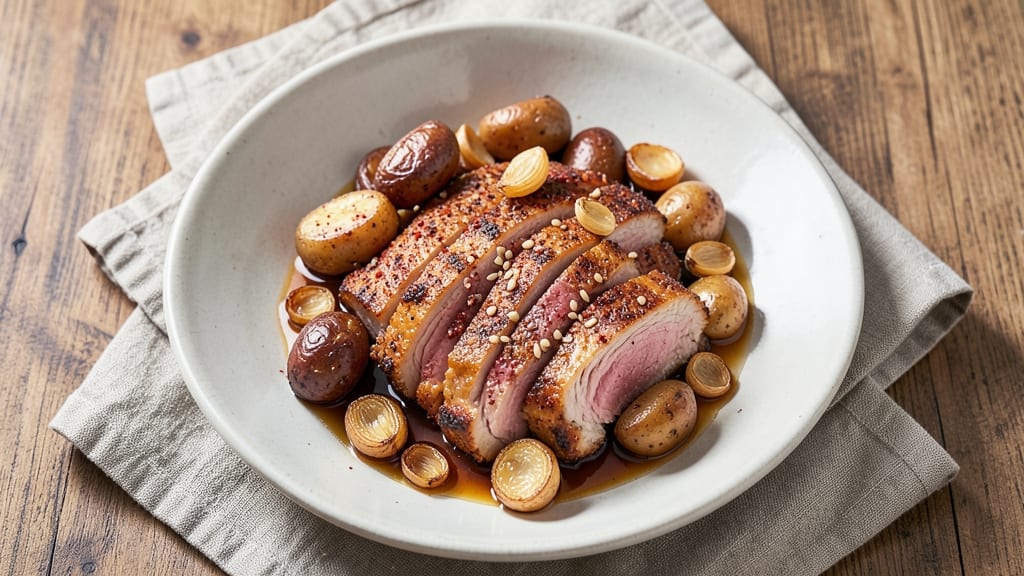
This American pork belly recipe delivers the ultimate combination of crispy bark and melt-in-your-mouth fat—just like your favorite BBQ joint. After years of perfecting the technique at The Smoky Pig, I've cracked the code for achieving that coveted contrast in one pan.
The secret lies in a dry rub of smoked paprika and brown sugar, followed by a slow roast that renders the fat while keeping the meat tender.
What sets this recipe apart is the balance between texture and flavor. You'll start with a simple seasoning of coarse salt, black pepper, and a touch of cayenne for heat, then let the pork belly develop a deep caramelized crust while the fat inside transforms into golden, shatteringly crisp slices.
This method ensures every bite delivers that perfect harmony of crispy exterior and rich, creamy interior.
The result is a showstopping centerpiece that pairs beautifully with Southern sides like collard greens or cornbread. The pork belly's rich, savory flavor stands up to bold BBQ sauces or a drizzle of maple glaze, making it equally at home at a family dinner or a backyard cookout.
With just a few simple ingredients and one pan, you'll achieve restaurant-quality results that impress even the most discerning guests.
I've tested this recipe countless times—from my farm in Georgia to the competition pits of the Southeast—and it never fails to deliver. The key is patience: letting the pork cook slowly until the internal temperature reaches 145°F before crisping it to perfection.
Trust me, once you try this method, you'll never buy pre-sliced pork belly again.
Ingredients for american pork belly
Pantry staples and fresh herbs—this pork belly delivers crispy perfection in one pan.
| Ingredient | Amount | Notes |
|---|---|---|
| Pork Belly 🐖 | 2 lb | Skin-on, cut into 1-inch slices |
| Coarse Kosher Salt 🧂 | 2 tbsp | Diamond Crystal preferred |
| Smoked Paprika 🌶️ | 1 tbsp | High quality for deep flavor |
| Light Brown Sugar 🍚 | 1 tbsp | Packed, for caramelization |
| Ground Black Pepper 🌶️ | 1 tsp | Freshly cracked for intensity |
| Cayenne Pepper 🔥 | ¼ tsp | Adjust for heat preference |
| Garlic Powder 🧄 | 1 tsp | Freshly ground preferred |
| Olive Oil 🫒 | 1 tbsp | For coating pork belly |
| Fresh Rosemary 🌿 | ¼ cup | Chopped, for aroma |
| Fresh Thyme 🌿 | ¼ cup | Leaves only, finely chopped |
| Maple Syrup 🍯 | 1 tbsp | For finishing glaze |
| Balsamic Vinegar 🍶 | 1 tbsp | For finishing drizzle |
The pork belly is everything here. Look for thick-cut pieces from the butcher section—Costco or Whole Foods have great options. If you're buying a whole belly, ask for it cut into 1-inch slices yourself. The skin should be thick and unbroken—no pre-sliced, thin pieces. I always grab mine from local farms when I can, but the grocery store stuff works fine if it's fresh. For the herbs, fresh is non-negotiable—dried just won't cut it here. Rosemary and thyme should smell vibrant and piney, not dusty.
No smoked paprika? Regular paprika plus a pinch of liquid smoke works in a pinch. Short on brown sugar? White sugar plus a splash of molasses gets you close. The maple syrup and balsamic are just for finishing—skip them if you're watching sugar, but trust me, they take this from good to showstopping. For the cayenne, start with half the amount and taste—it builds up fast. If you're using pre-sliced pork belly, pat it dry with paper towels before seasoning. That crispy bark won't happen if there's moisture on the surface.
This keeps beautifully—3-4 days in the fridge, 3 months frozen. For crispiness, reheat in a 400°F oven for 10-15 minutes. I always make a double batch because it disappears fast. Store in an airtight container with the crispy sides up, and the fat stays creamy. The slices get even better the next day—the bark gets crunchier and the fat more luscious. Perfect for meal prep or gifting.
Why You'll Love This Recipe
- Four-Ingredient Magic: The salt, smoked paprika, and brown sugar do all the work—no fancy marinades or hours of prep. Slather it on, bake it slow, and let the oven transform that fatty belly into something crispy and irresistible.
- Craving-Worthy Crunch: That first bite—crispy, caramelized edges giving way to tender, melt-in-your-mouth pork? The kosher salt and sugar create a perfect balance, making it impossible to stop at one slice. (Yes, even on a Tuesday night.)
- Leftovers That Shine: Cold pork belly the next day? Even better. Slice it thin for sandwiches, toss it into fried rice, or serve it with pickles for a no-fuss, flavor-packed meal that still feels special.
- Budget-Friendly Luxury: Pork belly might sound fancy, but this recipe stretches it far—perfect for feeding a crowd without breaking the bank. A single slab becomes multiple meals, and the ingredients? Most are already in your pantry.
Step-by-step instructions for crispy pork belly with perfectly melty fat
This method delivers restaurant-quality pork belly with a crackling exterior and tender, juicy interior every time.
Prepare the Pork Belly with Dry Rub
Pat the 2 lb pork belly slices completely dry with paper towels—this is non-negotiable for crispy skin. Place them on a wire rack set over a baking sheet to allow air circulation on all sides. In a small bowl, combine the 2 tbsp coarse kosher salt, 1 tbsp smoked paprika, 1 tbsp light brown sugar, 1 tsp ground black pepper, 0.25 tsp cayenne pepper, and 1 tsp garlic powder.
Rub this mixture all over the pork belly slices, pressing firmly so the spices adhere. The sugar will help create caramelization while the salt enhances flavor and prevents curling during cooking. Let the seasoned pork belly rest at room temperature for 30 minutes—this ensures even cooking and better crispiness.
Sear for Maximum Crispiness
Preheat your oven to 425°F. Heat a large oven-safe skillet over medium-high heat, then add the 1 tbsp olive oil. Once hot, carefully add the pork belly slices and sear for 4-5 minutes per side until golden brown. You want to see deep color developing—this is your crispy bark forming.
Here's the thing—don't move the pork belly around while searing. Let it develop that beautiful crust undisturbed. If it starts to smoke, reduce heat slightly to medium. Once golden on both sides, transfer the skillet to the preheated oven.
Roast Until Internal Temperature Reaches 195°F
Roast the pork belly for 40-45 minutes, checking the internal temperature with a meat thermometer. You're aiming for 195°F—this is when the fat begins to render and the meat becomes fork-tender. The pork belly should look glossy and deeply browned with crispy edges.
I know it's tempting to check early, but resist the urge. Opening the oven too soon causes temperature fluctuations that can make the skin soggy. The pork belly will continue cooking as it rests, so don't worry about overcooking at this stage.
Create the Glaze and Finish Cooking
Remove the pork belly from the oven and increase the heat to 450°F. In a small bowl, whisk together the 1 tbsp maple syrup and 1 tbsp balsamic vinegar. Brush this mixture evenly over the top of the pork belly slices, then return them to the oven for 3-5 minutes until the glaze caramelizes.
While the pork belly finishes, prepare your serving plates. The glaze should be sticky and slightly bubbly—this indicates it's ready. The contrast of sweet maple and tangy balsamic with the smoky, crispy pork belly is what makes this dish special.
Rest and Serve with Fresh Herbs
Transfer the pork belly to a cutting board and let it rest for 10 minutes. This resting period allows the juices to redistribute, ensuring each bite is moist and flavorful. While it rests, finely chop the 0.25 cup fresh rosemary and 0.25 cup fresh thyme leaves.
Slice the pork belly against the grain into ½-inch thick slices. Arrange on serving plates and sprinkle with the chopped herbs. The crispy bark should crackle when you cut into it, and the fat should be perfectly rendered—almost melting in your mouth. Serve immediately with your favorite sides.
Pro Tips For Making American Pork Belly
- CRACK THE CRUST FIRST: Salt the pork belly 24 hours before cooking—yes, even if you’re impatient like me. The salt needs time to penetrate and render fat, which is what gives you that crispy, caramelized exterior. I used to skip this and ended up with greasy, sad pork instead of golden perfection.
- DON’T SKIP THE DRY: Pat the belly thoroughly with paper towels right before searing—wet skin = steam, not crisp. I learned this the hard way when my first batch turned out soft instead of crackling. A dry surface is non-negotiable for that iconic American pork belly crunch.
- WATCH THE SUGAR BURN: Light brown sugar caramelizes fast—keep an eye on it when mixing with smoked paprika. If you walk away for even 5 minutes, you’ll end up with bitter bits instead of a sweet, smoky crust. Stir it in just before applying to the pork, then work quickly.
- REST IT UNDER FOIL: After roasting, tent the pork with foil and let it sit 10-15 minutes before slicing. I know, I know—you want to cut into it immediately, but rushing this step means juices will spill out, leaving you with dry meat. Trust the process; your future self will thank you.
Common mistakes when making this recipe
Over-Salted Seasoning
I’ve seen this happen more times than I can count—especially when using Diamond Crystal salt, which is coarser and packs more flavor per teaspoon. The fix? Start with half the salt and taste before committing.
If you’ve already seasoned the pork belly, don’t panic—just rinse it under cold water and pat it very dry before cooking. The key is even coating: use your fingers to press the rub into the meat, not just sprinkle it on. 🧂
Uneven Cooking
Thin slices or uneven thickness lead to some parts being raw while others burn. Always ask your butcher for 1-inch thick slices—any thinner, and the fat won’t render properly. If you’re working with pre-sliced pork belly, trim any uneven edges with a sharp knife.
For extra insurance, place the slices on a wire rack over a baking sheet to ensure air circulates evenly on all sides. This prevents steaming, which ruins crispiness.
Skipping the Rest
I can’t stress this enough: resting is non-negotiable. Cutting into pork belly too soon causes all the juicy fat to escape, leaving you with dry, sad slices. Let it rest for at least 10 minutes—I often rest mine for 20 minutes if I’m prepping ahead.
Pro tip: Tent loosely with foil to keep it warm while it rests. The fat will redistribute, giving you that melt-in-your-mouth texture every time. ⏳
Overcrowding the Pan
Stuffing too many slices into your skillet or oven tray creates steam, which makes the skin soggy instead of crispy. Cook in batches if needed—your pork belly will thank you. A good rule of thumb: Leave ½-inch gaps between slices.
If you’re using a cast-iron skillet (my favorite), make sure it’s completely dry before searing. Any moisture will turn your crispy dream into a greasy nightmare.
Ignoring the Internal Temp
Guessing the doneness leads to either raw pork belly or dry, overcooked meat. Use a meat thermometer and aim for 195°F—this is when the collagen breaks down and the fat starts to render.
If you don’t have a thermometer, cut into the thickest part: it should feel fork-tender with just a hint of resistance. The skin should also be deep golden brown, not just light tan. No excuses—this is the only way to get it right every time. 🌡️
Rushing the Glaze
The maple-balsamic glaze is what elevates this dish from good to showstopping, but rushing it means a thin, syrupy mess instead of a sticky, caramelized finish. After brushing on the glaze, return the pork belly to the 450°F oven for 3-5 minutes—watch it closely!
It should bubble and darken slightly. If it’s not caramelizing, increase the heat to broil for 30 seconds. The glaze needs time to develop depth, so don’t skip this step. Trust me, your taste buds will thank you. 🍯
Nutrition facts
Frequently asked questions
Can I substitute pork belly with another cut of pork?
While pork belly is ideal for its fat content and texture, you can use thick-cut pork shoulder or pork butt in a pinch. These cuts will be leaner, so increase cooking time by 30-45 minutes and add 1 extra tablespoon of olive oil to the pan for moisture. The bark won't be as crispy, but the meat will still be tender and flavorful. For true crispiness, pork belly is the star!
How do I store leftovers to keep the pork belly crispy?
Store slices in an airtight container with parchment paper between layers to prevent sticking. Reheat in a 400°F oven for 10-15 minutes until the bark crisps up again. For extra crunch, place slices on a wire rack over a baking sheet before reheating. Leftovers stay crispy for 3-4 days in the fridge or 3 months in the freezer.
What sides pair best with this pork belly?
This rich, savory dish pairs beautifully with Southern classics like collard greens, cornbread, or mac and cheese. For a lighter option, try roasted Brussels sprouts with bacon or a crisp cucumber salad. The maple-balsamic glaze also works wonderfully with pickled vegetables to cut through the richness.
Can I make this recipe in an air fryer?
An air fryer can work, but it won't give you the same deep, crispy bark as oven-roasting. Preheat to 375°F and cook in batches for 12-15 minutes, flipping once. For best results, finish with a quick broil in your oven to caramelize the glaze. The fat won't render as dramatically, so expect slightly softer slices but still delicious!
Why is my pork belly greasy instead of crispy?
Greasy pork belly usually means the fat didn't render properly. Make sure your slices are 1-inch thick and cook at 425°F until internal temp reaches 195°F. Pat slices very dry before seasoning and avoid overcrowding the pan. For extra crispiness, place slices on a wire rack over a baking sheet during cooking to allow air circulation.