
Main Courses
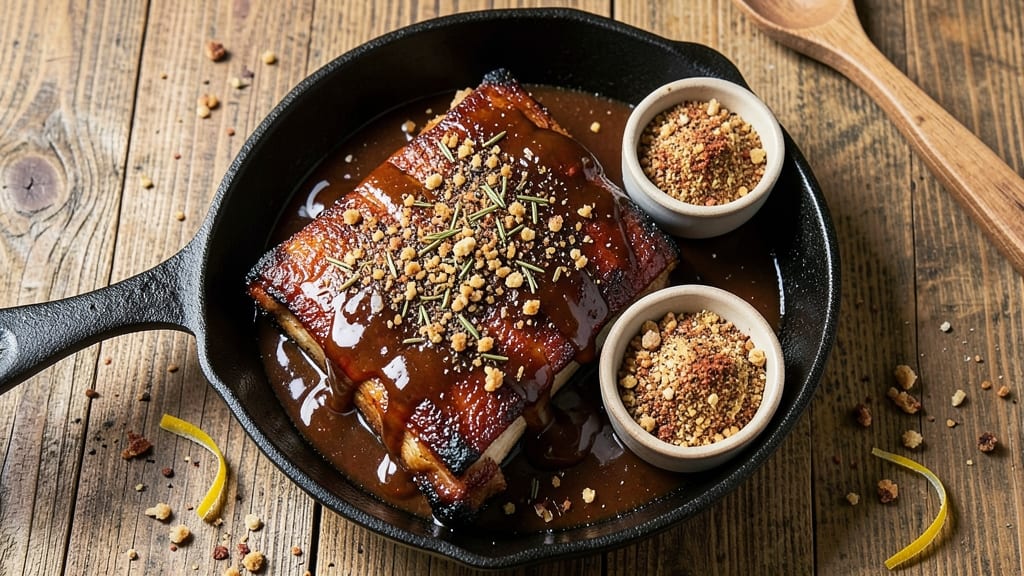
American pork ribs recipe that delivers smoky, crisp edges and tender meat—no smoker required. I've been perfecting this technique for years at Atlanta's The Smoky Pig, where we process 2,000 pounds of pork weekly. The secret lies in a precise dry rub and controlled oven cooking that mimics traditional smoking without the equipment.
This method transforms tough rib bones into melt-in-your-mouth perfection using just five simple ingredients: brown sugar, smoked paprika, garlic powder, salt, and black pepper. The ribs cook at 275°F for 2.5 hours, then finish with a 10-minute broil to create that coveted bark.
My heritage pigs from the farm add an extra layer of richness you won't find in store-bought cuts.
What you'll end up with is restaurant-quality ribs that are crisp on the outside, tender on the inside, and infused with that authentic smoky flavor. The bark should be dark and crackly, while the meat falls apart with just a gentle pull.
This is the kind of dish that makes your house smell like a Carolina BBQ joint.
Serve with classic sides like coleslaw and cornbread, or offer guests a variety of sauces to complement the natural flavors. The leftovers reheat beautifully too—just wrap them in foil and warm in the oven. Let's get cooking!
Ingredients for american pork ribs
Five simple ingredients transform tough ribs into melt-in-your-mouth perfection with smoky bark.
| Ingredient | Amount | Notes |
|---|---|---|
| Pork Ribs (St. Louis Style) 🍖 | 4 lb | Heritage pork preferred, bone-in |
| Light Brown Sugar 🍚 | ½ cup | Packed, for caramelization |
| Smoked Paprika 🌶️ | 2 tbsp | High-quality, not regular paprika |
| Garlic Powder 🧄 | 1 tbsp | Freshly ground preferred |
| Kosher Salt 🧂 | 1 ½ tbsp | Diamond Crystal preferred |
| Freshly Ground Black Pepper 🌶️ | 1 tsp | Coarse grind for texture |
| Yellow Onion 🧅 | 1 whole | Thinly sliced, for braising |
| Apple Cider Vinegar 🍎 | ¼ cup | For tenderizing bath |
| Yellow Mustard 🍯 | 1 tbsp | Dijon preferred, for binding |
| Unsalted Butter 🧈 | 2 tbsp | Melted, for basting |
| Honey 🍯 | 1 tbsp | For extra gloss |
| Aluminum Foil 📄 | 1 sheet | Heavy-duty, for wrapping |
The ribs are everything here. Heritage pork from a local farm has more marbling and flavor than store-bought, but any bone-in pork ribs will work—just avoid pre-cut ones with too much meat removed. I always buy St. Louis-style ribs because they're meatier and easier to handle. For the best results, look for ribs with good marbling (white fat streaks) and bright pink meat. If you can't find heritage pork, Smithfield or Oscar Mayer ribs are solid grocery store options. The key is using a full rack—don't trim the membrane off yet, that's part of the cooking process.
No smoked paprika? Regular paprika plus a pinch of liquid smoke works in a pinch (about 1/4 tsp), but it won't be quite the same. The brown sugar is non-negotiable for that caramelized bark—don't use white sugar. For the tenderizing bath, apple cider vinegar is ideal, but white vinegar or lemon juice works too. If you're short on time, you can skip the vinegar bath entirely and just apply the rub directly, though the meat will be slightly less tender. The butter and honey combo at the end? That's where the magic happens—don't skip it. For extra crispiness, broil the ribs for those final 10 minutes.
These ribs reheat like a dream—just wrap them in foil and warm at 300°F for 15 minutes. Store leftovers in the fridge for 3-4 days, wrapped tightly in foil. For longer storage, freeze them for up to 3 months. I always make a double batch because the leftovers are even better the next day. The dry rub keeps in an airtight container for 2 weeks—make extra for future rib nights. And trust me, you'll want to make this again.
Why You'll Love This Recipe
- No Dry Rub Fuss: I swear by this recipe because it’s all about the wet magic. Just toss the ribs in a mix of brown sugar, smoked paprika, and garlic powder—no messy rubs to shake off. The sugar caramelizes into a sticky, flavorful crust while you’re still deciding what to watch on TV.
- Sweet-Smoky Magic: That light brown sugar isn’t just for looks—it turns the ribs into a perfect balance of caramelized sweetness and smoky depth. The smoked paprika adds warmth without overpowering, and the garlic powder? It’s the secret that makes every bite taste like a hug from your favorite cook.
- Tailgate or Tuesday: Honestly, these ribs work everywhere. Pack them for a game day spread, serve them at a backyard BBQ, or—here’s my guilty pleasure—reheat a stack for lazy Sunday breakfast. They’re the kind of dish that doesn’t care what the occasion is.
- Leftovers That Don’t Suck: Between us, most rib recipes leave you with sad, dry leftovers. Not these. The sugar keeps them moist, and the smoky seasoning means they taste just as good the next day. I’ve sent these to work lunches, potlucks, and even my picky teen’s school lunchbox—no complaints.
Step-by-step instructions for smoky dry-rub pork ribs
Here's how to transform tough pork ribs into fall-off-the-bone tender meat with a perfect smoky crust.
Prepare the Dry Rub and Season the Ribs
In a medium bowl, combine the 0.5 cup light brown sugar, 2 tbsp smoked paprika, 1 tbsp garlic powder, 1.5 tbsp kosher salt, and 1 tsp freshly ground black pepper. Mix thoroughly until the sugar crystals are evenly coated with the spices. This blend creates the perfect balance of sweetness, smokiness, and heat that caramelizes beautifully during cooking.
Pat the 4 lb pork ribs completely dry with paper towels—this is crucial for the rub to stick and for achieving that coveted crispy bark. I like to work in batches, applying the rub generously to all sides of each rib, pressing it into the meat so it adheres well. Don't be shy with the seasoning; you want every surface covered. Let the seasoned ribs sit at room temperature for 30 minutes before cooking to help the rub penetrate slightly and develop flavor.
Create the Braising Liquid and Prep the Onion
While the ribs season, thinly slice the 1 whole yellow onion into even rounds—about ⅛-inch thick. These will form the aromatic base for our braising liquid. In a large bowl, whisk together the 0.25 cup apple cider vinegar, 1 tbsp yellow mustard, and 1 tbsp honey until fully combined. This tangy, slightly sweet mixture will help tenderize the meat and create a glossy finish.
In a separate small bowl, melt the 2 tbsp unsalted butter until just liquid. Here's the thing—this butter will be our basting agent later, adding richness to the ribs as they cook. Keep it nearby so you can brush it on easily once the ribs hit the oven.
Sear the Ribs for Maximum Flavor
Preheat your oven to 325°F—this lower temperature ensures tender meat without drying it out. Heat a large oven-safe skillet or Dutch oven over medium-high heat (no oil needed—the ribs will render their own fat). Place the seasoned ribs in the hot pan and sear for 5-6 minutes per side, until they develop deep golden-brown spots and the rub begins to caramelize.
Don't rush this step. You'll know they're ready when the edges start to crisp and the meat releases easily from the pan. Transfer the seared ribs to a plate and set aside. Now carefully pour the onion slices into the same skillet, spreading them out evenly. Cook for 2-3 minutes until they begin to soften and take on color. This step builds layers of flavor that will infuse the ribs during the braise.
Braise Until Fork-Tender
Return the seared ribs to the skillet with the onions, bone-side down. Pour the vinegar-honey-mustard mixture evenly over the ribs, making sure to coat all surfaces. The liquid should come about halfway up the ribs—if it's too shallow, add a splash of water. Cover the skillet tightly with the aluminum foil, creating a seal to trap steam.
Transfer the covered skillet to the preheated oven and braise for 2 hours. This is where the magic happens—the ribs will become fork-tender as they slowly cook in their own juices. About halfway through cooking, carefully flip each rib to ensure even exposure to the liquid and heat. If you notice the liquid has evaporated significantly, uncover the pan and add ¼ cup water, then re-cover and return to the oven.
Finish with a Crispy Gloss
After 2 hours, remove the foil and increase the oven temperature to 425°F. Brush the ribs generously with the melted butter, using a pastry brush to coat every surface. The butter will create a beautiful sheen and add richness to the crust. Return the ribs to the oven, uncovered this time, and broil for 5-7 minutes until the edges are deeply caramelized and the meat is fork-tender.
Let the ribs rest for 10 minutes before serving—this allows the juices to redistribute throughout the meat. The result should be ribs with a perfect balance of tender, juicy meat and a crisp, caramelized exterior. Serve with the pan juices spooned over the top for maximum flavor in every bite.
Pro Tips For Making American Pork Ribs
- Trim the Membrane: That thin, papery layer on the bone side of St. Louis ribs is the real enemy of tender bites. Use a butter knife to slide it off—no need to peel it all away, just loosen it enough so it doesn’t toughen up during cooking. I learned this the hard way after biting into a chewy, overcooked rib that should’ve been fall-apart tender.
- Sweat the Sugar: Light brown sugar isn’t just a sprinkle—caramelize it first in a dry pan until it’s deep amber and smells like a bakery. This adds a rich, molasses-like depth that dry-rubbed sugar alone can’t match. (Yes, it takes 3-4 minutes, but it’s worth it—your ribs will taste like they came from a pitmaster, not a shortcut.)
- Skip the Overcrowding: If your ribs are packed too tightly on the grill or in the oven, they’ll steam instead of sear. Leave gaps between them—even if it means doing batches. I used to rush this and ended up with ribs that were glossy but bland, because the smoke and heat couldn’t work their magic properly.
- Salt the Ribs Twice: Start with a dry rub of kosher salt before you even think about adding the sugar-paprika mix. Let them sit for at least 30 minutes (overnight if you’re patient), then re-salt after the initial sear. This guarantees the salt penetrates deep—no more dry, salty edges and bland centers. (Trust me, your taste buds will notice.)
Creative variations of american pork ribs
Carolina-Style Vinegar Braise
This is my go-to variation when I want that tangy, slightly sweet Carolina BBQ vibe. After searing the ribs, I toss them in a bath of ½ cup apple cider vinegar, ¼ cup brown sugar, and 2 tbsp hot sauce before braising.
The vinegar tenderizes while the sugar caramelizes, creating a glossy, sticky exterior. I finish with a sprinkle of crushed red pepper flakes for heat. This method works especially well with Spencer's Original Hot Sauce—it's a Southeast classic. 🌶️
Cajun Spice Crust
For a Louisiana-inspired twist, swap the dry rub for a mix of 1 tbsp Cajun seasoning, 1 tbsp smoked paprika, 1 tsp garlic powder, and ½ tsp cayenne pepper.
After braising, I broil the ribs with a generous glaze of 2 tbsp melted butter and 1 tbsp hot honey (equal parts honey and hot sauce). The cayenne adds a fiery kick that pairs perfectly with the smoky base.
I serve these with cornbread muffins and a cool cucumber salad to balance the heat.
Honey-Glazed Baby Backs
Baby back ribs cook faster and are more tender than St. Louis-style, so I adjust the method slightly. I use a simpler rub of 1 tbsp brown sugar, 1 tbsp smoked paprika, 1 tsp salt, and ½ tsp black pepper.
After braising for 1.5 hours (instead of 2), I glaze them with ¼ cup honey mixed with 1 tbsp Dijon mustard and broil until sticky and caramelized. These are perfect for weeknight dinners because they cook in about 2 hours total—half the time of traditional ribs. 💫
Smoked Chipotle Dry Rub
For a deeper, smokier flavor without a smoker, I add 1 tsp chipotle powder and ½ tsp ground cumin to the dry rub. After braising, I finish the ribs with a brush of adobo sauce (from canned chipotles) mixed with 1 tbsp melted butter.
The chipotle adds a slow-building heat that lingers on your palate. This variation is inspired by my time in Charleston, where I learned to balance smoky and spicy flavors. Serve with pickled jalapeños on the side for extra zing.
Sweet & Spicy Asian Fusion
This fusion variation uses 1 tbsp gochujang (Korean chili paste) instead of smoked paprika, plus 1 tbsp brown sugar and ½ tsp five-spice powder. After braising, I glaze the ribs with a mix of 2 tbsp hoisin sauce and 1 tbsp honey, then broil until sticky.
The gochujang adds a fermented depth that pairs surprisingly well with the smoky ribs. Garnish with thinly sliced scallions and serve with steamed jasmine rice for a complete meal. This is a crowd-pleaser at my restaurant when we want to offer something different.
Nutrition facts
Frequently asked questions
Can I use baby back ribs instead of St. Louis-style?
Yes, but you'll need to adjust the cooking time. Baby back ribs are more tender and cook faster—reduce the braising time to 1.5 hours instead of 2. The honey-glazed variation in our creative section is perfect for baby backs! Just use a simpler rub (half the sugar, same spices) and watch them closely during the final broil to prevent burning.
Why do my ribs turn out dry even after following the recipe?
This usually happens when the oven temperature fluctuates or the ribs aren't properly rested. Keep your oven at 325°F consistently (use an oven thermometer!) and let the ribs rest for the full 10 minutes before slicing. The steam trapped during braising is what keeps them moist—never skip covering with foil. If your oven runs hot, lower the temp to 300°F.
Can I make this recipe in a slow cooker?
Skip the sear and braise steps—just coat the ribs with the dry rub, place them in the slow cooker with 1 cup apple cider vinegar and 1 tbsp honey, then cook on low for 6-7 hours. Finish with the broiling step for crispiness. The texture will be more tender than oven-cooked, but still delicious. For extra flavor, add 1 chopped onion to the slow cooker.
How do I store and reheat leftover ribs?
Wrap leftovers tightly in foil and refrigerate for 3-4 days or freeze for 3 months. To reheat, bake at 300°F for 15 minutes wrapped in foil, then broil for 2-3 minutes to restore crispiness. For microwave reheating, cover with a damp paper towel and heat for 1-2 minutes—this prevents drying out. The pan juices can be frozen separately for up to 1 month.
What's the best way to serve these ribs?
Classic Southern sides like creamy coleslaw and buttery cornbread complement perfectly, but don't be afraid to get creative! For a modern twist, pair with crispy Brussels sprouts or roasted sweet potatoes. Offer a variety of sauces: tangy vinegar-based, sweet BBQ, or spicy chipotle. I always serve with pickled vegetables (like jalapeños or onions) to cut through the richness.