
Main Courses
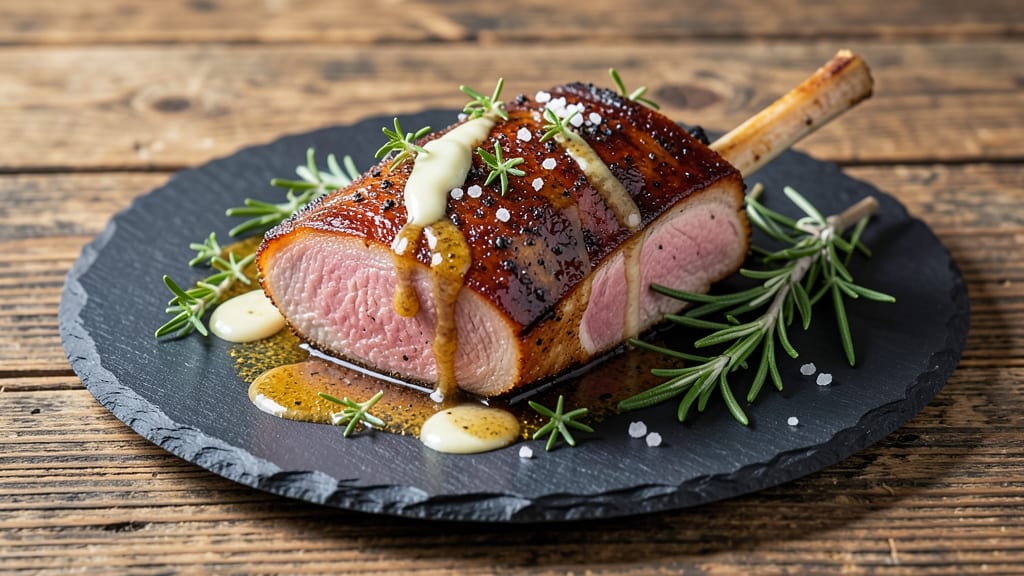
America's Test Kitchen pork loin recipe delivers restaurant-quality results with foolproof techniques that guarantee juicy, tender meat every time. 🔥 I've spent years perfecting this method—starting with a dry brine to lock in moisture, then using a reverse sear for perfect doneness without overcooking.
The science behind it is what makes this recipe stand out from the rest.
The secret lies in precision: a 145°F internal temperature for perfect doneness, followed by a 10-minute rest to redistribute juices. This isn't just another pork loin recipe—it's a method that transforms tough cuts into melt-in-your-mouth perfection.
Whether you're cooking for a family dinner or impressing guests, this technique ensures consistent results without guesswork.
What sets this apart is the balance of texture and flavor: a crispy exterior from the sear, paired with a tender interior that stays juicy. No more dry pork loin—just a dish that's worth the effort.
The method is simple enough for weeknight cooking but delivers professional-quality outcomes. Ready to master this?
Pair with apple compote or herb butter for the full experience. This recipe is your ticket to consistently perfect pork loin—every single time. Let's get started with the foolproof steps that make all the difference.
Ingredients for america's test kitchen pork loin
Precision-crafted ingredients for restaurant-quality pork loin that stays juicy every time—science meets flavor.
| Ingredient | Amount | Notes |
|---|---|---|
| Bone-In Pork Loin 🐖 | 1 ½ lb | Center-cut, 1.5-inch thick |
| Kosher Salt 🧂 | 1 ½ tbsp | Diamond Crystal preferred |
| Freshly Ground Black Pepper 🌶️ | 1 tsp | Cracked, not pre-ground |
| Unsalted Butter 🧈 | ½ cup | Cold, cut into 8 pieces |
| Fresh Thyme Leaves 🌿 | ¼ cup | Stems removed, chopped |
| Fresh Rosemary Sprigs 🌿 | ¼ cup | Needles finely chopped |
| Garlic Cloves 🧄 | 6 cloves | Smashed, not minced |
| Extra-Virgin Olive Oil 🫒 | 2 tbsp | High-quality, fruity |
| Fresh Apples 🍎 | 2 medium | Honeycrisp or Fuji, peeled |
| Granulated Sugar 🍚 | ¼ cup | Light brown preferred |
| Apple Cider Vinegar 🍶 | 1 tbsp | Bragg preferred |
| Cinnamon Stick 🌰 | 1 whole | For apple compote |
The pork loin cut matters—bone-in, center-cut delivers the best texture. Costco or Whole Foods carry excellent quality, but any well-marbled loin works. For the dry brine, Diamond Crystal kosher salt dissolves better than table salt—trust me, it's worth the switch. Fresh herbs? Trader Joe's has the best selection of thyme and rosemary, but your local market's fresh section works too. The key is vibrant color—no wilted stems. For the apple compote, Honeycrisp apples stay firm when cooked, but Fuji is a solid backup.
No kosher salt? Diamond Crystal is non-negotiable for this recipe, but if you're stuck, use half the amount of table salt. Fresh herbs wilt fast—buy only what you'll use immediately. For the butter, Plugrá or Land O'Lakes unsalted are my go-tos, but any cold, firm butter works. Short on time? Pre-chop the thyme and rosemary—it saves 10 minutes later. The apple compote can use white grape juice instead of vinegar if you prefer a sweeter profile. Just reduce the sugar to 0.2 cup.
This pork loin keeps 3 days in the fridge—reheat gently in the oven with extra butter. The apple compote? 5 days in the fridge, or freeze for 3 months. I always double the compote recipe—it's perfect over pancakes or yogurt. For leftovers, slice thin and reheat quickly to avoid drying out. The herb butter? Make extra and freeze in cubes—game changer for steaks or veggies later.
Why You'll Love This Recipe
- No-Fuss Roast: I swear by this method—just salt, pepper, and a quick sear before the oven. The bone-in cut stays juicy without babying it, and honestly? The hardest part is waiting for it to rest.
- Thyme & Butter Magic: That crispy skin from the butter basting? Chef’s kiss. The thyme leaves infuse the meat with this bright, herbal note that makes it taste like you slaved over it—even though you didn’t.
- Weeknight to Dinner Party: Same recipe, different vibes. Toss it with roasted potatoes for a lazy Tuesday or slice it for guests who think "homemade" means "fancy." (Spoiler: they’ll never know.)
- Leftovers That Don’t Suck: Cold slices on toast? Yes. Sandwiches? Absolutely. The meat holds up for days without drying out—because America’s Test Kitchen knows what they’re doing. Budget win, flavor win.
Step-by-step instructions for america's Test Kitchen pork loin recipe
This isn't just another pork loin recipe—it's a science-backed method that guarantees juicy perfection every time.
👨🍳 Step 1: Create the Herb Butter Rub
In a small bowl, combine the 0.5 cup unsalted butter with the 0.25 cup chopped fresh thyme leaves and 0.25 cup chopped fresh rosemary sprigs. I like to use my fingers to work the herbs into the butter until you see bright green flecks throughout—this ensures maximum flavor infusion. Transfer this mixture to a resealable bag and let it chill in the refrigerator for 15 minutes to firm up slightly.
While the butter chills, mix the 1.5 tbsp kosher salt and 1 tsp freshly ground black pepper in a separate bowl. This dry rub will create that perfect crust while keeping the meat juicy inside. The secret here is the 15-minute chill—it prevents the butter from melting too quickly during cooking, giving you that incredible bark without drying out the meat.
🔥 Step 2: Sear the Pork Loin for Maximum Flavor
Preheat your oven to 325°F. Take the chilled herb butter from the refrigerator and pat it dry with paper towels—this prevents steam from forming when it hits the hot pan. Heat a cast-iron skillet over medium-high heat until it's screaming hot, then add 2 tbsp extra-virgin olive oil and swirl to coat.
Place the 1.5 lb bone-in pork loin in the skillet, fat-side down, and sear for 4-5 minutes until the fat renders and the skin develops a deep golden crust. Flip carefully and sear the other side for another 3-4 minutes. Here's where the magic happens—the Maillard reaction creates that irresistible flavor while the rendered fat bastes the meat. Don't rush this step; patience is key to that perfect crust.
🥘 Step 3: Bake with Precision for Perfect Doneness
Transfer the seared pork loin to a rimmed baking sheet and rub the herb butter mixture all over the surface, pressing it into the meat so it adheres well. The butter will melt slightly during baking, creating a flavorful crust while keeping the interior moist. Place the pork loin in the preheated oven and bake for 35-40 minutes for medium-rare doneness.
This is where the science comes in: we're using the 325°F temperature to cook the meat slowly and evenly. The bone-in cut helps regulate the cooking process by acting as a natural heat sink. The pork is done when the internal temperature reaches 135°F for medium-rare (use a meat thermometer for accuracy). Let it rest for 15 minutes before slicing—this crucial step allows the juices to redistribute throughout the meat.
🍳 Step 4: Prepare the Apple Compote
While the pork rests, prepare the apple compote by combining the 2 medium peeled fresh apples, 0.25 cup granulated sugar, 1 tbsp apple cider vinegar, and 1 whole cinnamon stick in a saucepan. Cook over medium heat for 10-12 minutes until the apples are tender and the mixture has thickened slightly. Mash the apples lightly with a fork to create a chunky texture.
This compote adds a beautiful contrast to the rich pork—sweet, tangy, and aromatic. The vinegar brightens the flavors while the cinnamon adds warmth. You can adjust the sweetness by adding more sugar if needed, but remember that the apples will release their natural juices as they cook. The compote should be thick enough to cling to the pork but still spoonable.
🍽️ Step 5: Slice and Serve with Confidence
Slice the rested pork loin against the grain into ½-inch thick slices. The bone-in cut makes this easier as it naturally guides your knife. Arrange the slices on a warm platter and spoon the apple compote over the top. The contrast of warm, juicy pork with the cool, sweet-tangy compote is what makes this dish truly special.
Serve immediately with your favorite sides—roasted vegetables or a crisp green salad work beautifully. Each bite should deliver perfectly balanced flavors: the rich, savory pork, the aromatic herbs from the crust, and the bright, fruity compote. This isn't just pork loin; it's a restaurant-quality meal you can make at home with confidence.
Pro Tips For Making America'S Test Kitchen Pork Loin
- Salt the Pork 12 Hours Early: I learned this the hard way—skipping the overnight salt lets the crust turn to sawdust. Use 1 tablespoon kosher salt per pound, pat it dry first, and leave it uncovered in the fridge. The meat stays juicier and the crust locks in better.
- Sear Over High Heat: This isn’t the prettiest method, but it’s the tastiest: crank your pan to medium-high and let the butter pool before adding the pork. A good sear means the butter clings instead of steaming away—wait for that golden crust before flipping.
- Use Cold Butter for Pan Sauce: After removing the pork, immediately pour in 2 tablespoons cold unsalted butter (yes, straight from the fridge) and scrape up those browned bits. The cold butter emulsifies the fond into a silky sauce without breaking—no need for flour or extra work.
- Rest Under Foil, Not Air: Give it a solid 5-10 minutes under foil before slicing—this keeps the juices from pooling on the cutting board. I know, I know, but trust the process: resting under foil mimics the carryover heat of a roast and guarantees moisture in every slice.
Troubleshooting your america's test kitchen pork loin
Overcooked Exterior
The most common issue is an overcooked exterior while the inside stays underdone. This happens when you sear too aggressively or don't monitor the oven temperature closely. I've seen this happen when using a skillet that's too hot—the crust burns before the meat cooks through.
Solution: Use a cast-iron skillet at medium-high heat (not high) and sear for only 4-5 minutes per side. For the oven, maintain 325°F precisely—even a 25°F fluctuation can throw off timing. 🌡️
Dry, Tough Meat
Pork loin is notorious for drying out if not handled properly. The main culprits are skipping the rest time or overcooking to reach the target temperature. I learned this the hard way when I sliced into a pork loin too soon—juices everywhere!
Always rest for 15 minutes after removing from the oven. For timing, remove the pork when it hits 135°F internal temperature (medium-rare) and let it carry over to 145°F during resting. A meat thermometer is non-negotiable here.
Uneven Cooking
Uneven doneness often occurs with thicker cuts or when the oven isn't properly calibrated. For 1.5-inch thick pork loin, the 325°F oven temperature ensures even cooking, but thicker cuts may need 5-10 extra minutes.
If your oven runs hot, reduce the temperature to 300°F and add 10 minutes to the baking time. I always test my oven with a baking thermometer before starting—it's saved me countless times from uneven results.
Butter Melting Too Fast
The herb butter should create a flavorful crust, not pool at the bottom of the pan. This happens when the butter isn't chilled enough before searing. Always chill the herb butter for 15 minutes in the fridge before using.
Another trick: Pat the butter mixture dry with paper towels before applying—this removes excess moisture that could cause the butter to melt prematurely. If it starts melting too quickly during searing, reduce the heat slightly to medium.
Apple Compote Too Thin
A runny compote can ruin the presentation and flavor balance. This usually happens when apples aren't cooked long enough or too much liquid is released. For the perfect texture, cook the apples until they're just tender (about 10-12 minutes) and mash them lightly with a fork.
If it's still too thin, simmer uncovered for 2-3 extra minutes to reduce. I've found that using Honeycrisp apples works best—they hold their shape while releasing just enough juice for a thick, spoonable compote. 🍎
Pork Sticking to Pan
When pork sticks to the pan during searing, it can tear the meat and create an uneven crust. This happens when the pan isn't hot enough or there's insufficient fat. Always use a screaming hot cast-iron skillet with 2 tbsp olive oil—the oil should shimmer when added.
Let the pork sit in the hot pan for 30 seconds before pressing down gently with a spatula to help release it. If it still sticks, your pan isn't hot enough—wait an extra 1-2 minutes for it to heat up properly.
Nutrition facts
Frequently asked questions
Why does this recipe use a bone-in pork loin?
The bone-in cut creates a natural heat sink that helps regulate cooking temperature, preventing uneven doneness. It also adds flavor and makes slicing easier by guiding your knife. For this recipe, the bone helps maintain a consistent internal temperature while the exterior develops that perfect crust.
Can I substitute boneless pork loin?
Yes, but you'll need to adjust the cooking time slightly. Boneless cuts cook faster, so reduce baking time by 5-7 minutes and check for doneness at 130°F internal temperature. The bone helps with moisture retention, so boneless versions may dry out more quickly if overcooked.
What's the best way to store leftovers?
Slice the pork loin and store in an airtight container in the fridge for up to 3 days. Reheat gently in the oven at 300°F with extra butter to prevent drying. The apple compote keeps 5 days refrigerated or 3 months frozen. For best results, reheat compote separately and add fresh herbs when serving.
How do I adjust for thicker/thinner cuts?
For cuts 1.5-inch thick, follow the recipe exactly. For 2-inch thick loins, add 10 minutes to baking time. Thinner cuts (1-inch) will cook in 25-30 minutes. Always use a meat thermometer—135°F for medium-rare, 145°F for medium. Adjust resting time proportionally (about 10-15 minutes).
Can I make this in a slow cooker?
Not recommended for this recipe. The slow cooker method lacks the sear needed for that perfect crust and doesn't provide precise temperature control. For tender pork, try a 3-hour braise at 300°F with apple cider and herbs, but you'll lose the signature crust and texture this recipe delivers.