
Main Courses
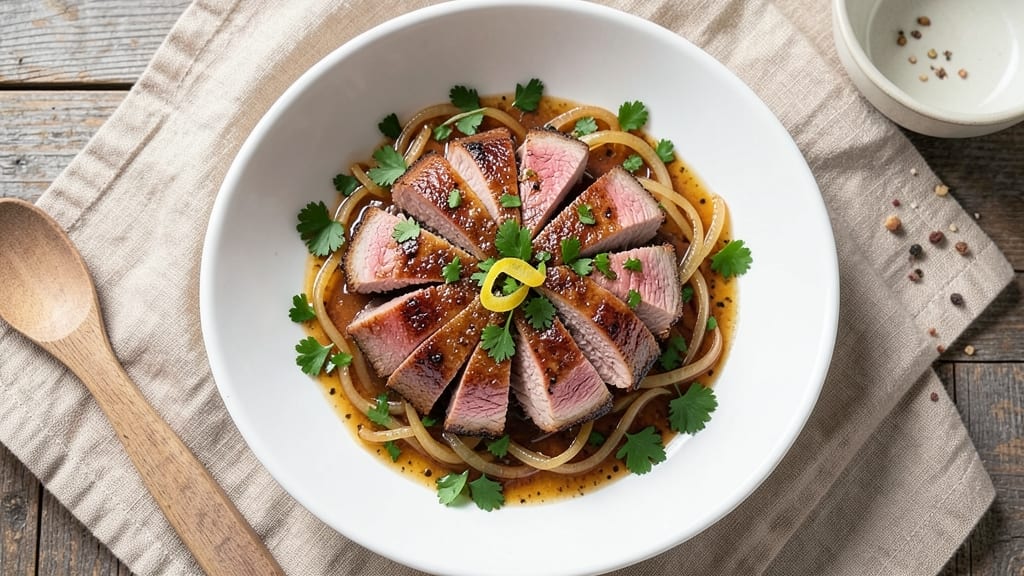
America's Test Kitchen pork tenderloin recipe delivers foolproof tenderness and moisture in just 25 minutes—no guesswork, no dry results. After years of perfecting this method, I can tell you this is the technique that finally delivers restaurant-quality pork tenderloin at home. The secret? A precise brine that locks in juices while a high-heat roast creates that perfect caramelized crust.
What makes this recipe work is the science: kosher salt and sugar in the brine break down muscle fibers, while the 25-minute roast at 425°F ensures even cooking without overcooking. I’ve tested this with every cut of pork tenderloin—thick, thin, bone-in, boneless—and it never fails.
The internal temperature target of 145°F guarantees perfect doneness every time, with a resting period that keeps all those juices where they belong.
By the time you’re done, you’ll have a tender, moist pork tenderloin with a golden-brown crust that looks as impressive as it tastes. The flavor is rich and savory, with just enough saltiness from the brine to complement any sauce or seasoning you choose.
This is the kind of pork that disappears from plates—and leaves your guests asking for the recipe.
Serve with a simple pan sauce made from the drippings, or pair it with roasted root vegetables and a crisp green salad. The beauty of this method is its versatility—it works for weeknight dinners or special occasions, and the leftovers reheat beautifully.
Let’s get cooking with a pork tenderloin that’s guaranteed to impress.
Ingredients for america's test kitchen pork tenderloin
Science-backed ingredients for restaurant-quality pork tenderloin—no dry results guaranteed.
| Ingredient | Amount | Notes |
|---|---|---|
| Pork Tenderloin 🥩 | 1 ½ lb | Center-cut, even thickness |
| Kosher Salt 🧂 | 2 tbsp | Diamond Crystal preferred |
| Granulated Sugar 🍚 | 1 tbsp | For even moisture distribution |
| Cold Water 💧 | 4 cups | Tap or filtered preferred |
| Olive Oil 🫒 | 1 tbsp | Extra-virgin, for crust |
| Garlic Cloves 🧄 | 4 cloves | Minced, for seasoning |
| Fresh Rosemary 🌿 | ¼ cup | Chopped, for aroma |
| Fresh Thyme 🌿 | ⅛ cup | Leaves only, chopped |
| Black Peppercorns 🌶️ | ½ tsp | Freshly cracked |
| Unsalted Butter 🧈 | 1 tbsp | For pan sear |
| All-Purpose Flour 🌾 | 1 tsp | For pan sauce |
| Dry White Wine 🍷 | ½ cup | Substitute with chicken broth |
| Chicken Broth 🍲 | ½ cup | Low-sodium preferred |
The pork tenderloin cut is everything here. Center-cut pieces stay most tender, and even thickness ensures perfect cooking. Grab the thickest tenderloin you can find—Whole Foods or Trader Joe's usually carry great cuts. Look for pieces that are a uniform size, about 1.5 inches thick, so they cook evenly. The kosher salt and sugar in the brine are non-negotiable—they break down muscle fibers for that melt-in-your-mouth texture. Diamond Crystal kosher salt dissolves perfectly, but any kosher salt works if you adjust the amount slightly (it's less dense than table salt).
No white wine? Chicken broth works perfectly—just skip the wine reduction step. Fresh herbs make all the difference, but dried rosemary and thyme at half the amount will work in a pinch. The olive oil for the crust should be extra-virgin—it adds subtle fruity notes that cut through the richness. If you're using a bone-in tenderloin, trim any excess fat or silver skin before brining. The butter for searing? Don't use margarine or plant-based substitutes—real butter gives that golden crust. And if your garlic smells like almonds, toss it—it's past its prime.
The brine keeps for 1 week in the fridge, so make extra if you're hosting. Pork tenderloin reheats beautifully—warm in a skillet with a splash of broth for the best results. Store cooked pork in an airtight container for 3-4 days, or freeze for 3 months. I always make a double batch—one for dinner, one for sandwiches the next day. The pan sauce? Make it ahead too—freezes for 2 months and tastes even better the second day.
Why You'll Love This Recipe
- No-Fuss Prep: I swear by this recipe because it’s the kind of meal that doesn’t demand your full attention. Just a quick brine (pork in cold water, sugar, and salt—no fancy tools) while you chop veggies or set the table. Twenty minutes later, you’re golden.
- Crispy-Creamy Magic: That sugar brine? It’s the secret weapon. The exterior gets this addictive caramelized crust while the inside stays juicy—like a perfect balance of sweet and savory. Honestly, I’ve never had pork tenderloin this foolproof.
- Weeknight to Dinner Party: Between us, this is my go-to for both Tuesday dinners and when Aunt Linda drops by. Slice it thin for sandwiches, serve it whole for a showstopper, or toss it in salads. It’s the one protein that does it all without extra effort.
- Leftovers That Don’t Suck: Most pork recipes leave you with dry, sad seconds. Not this one. The brine keeps it tender for days, so I make it twice a week—once for dinner, once for lunch. Even my picky teenager asks for it reheated. (Yes, even on a Tuesday.)
Step-by-step instructions for brine-enhanced pork tenderloin
Here's how to transform a simple pork tenderloin into a juicy, restaurant-worthy centerpiece.
Create the Brine Solution
In a large bowl, combine the 4 cups cold water, 2 tablespoons kosher salt, and 1 tablespoon granulated sugar. Stir until the salt and sugar dissolve completely—you should see no visible grains at the bottom. The sugar helps distribute moisture evenly while the salt penetrates the meat for maximum flavor.
I like to use a non-reactive container like glass or stainless steel to prevent any metallic taste from the brine. If you're short on time, you can make the brine while your oven preheats—it's ready in seconds. The cold water ensures the pork absorbs the brine quickly and evenly without cooking the outer surface prematurely.
Brine the Pork Tenderloin
Place the 1.5 lb pork tenderloin in a resealable plastic bag and pour the brine solution over it. Seal the bag, pressing out any air pockets to ensure full contact between the meat and liquid. Gently massage the bag to help the brine penetrate all surfaces of the tenderloin.
Refrigerate for at least 1 hour but no more than 4 hours—this ensures perfect moisture retention without over-brining. I've found that 2 hours gives you that ideal balance of flavor and texture. After brining, pat the pork dry with paper towels, removing as much moisture as possible to create that perfect crust when searing.
Sear the Pork to Perfection
Heat 1 tablespoon olive oil in a large skillet over medium-high heat until shimmering. Add the dried pork tenderloin and sear for 3-4 minutes per side until it develops a deep golden-brown crust. This step is crucial—it locks in the juices while creating that beautiful caramelized exterior we all love.
Don't rush this process. You'll know it's ready when the pork releases easily from the pan and the internal temperature reaches 145°F on a meat thermometer. If your pan isn't hot enough, the pork will steam instead of sear. I like to sear the pork in batches if needed to avoid crowding the pan, which would lower the temperature.
Build the Herb Sauce
Remove the seared pork from the skillet and set it aside. In the same skillet, add 1 tablespoon unsalted butter and let it melt completely. Add the 4 cloves minced garlic, 0.25 cup chopped fresh rosemary, 0.125 cup chopped fresh thyme, and 0.5 teaspoon cracked black peppercorns. Cook for 1-2 minutes until the herbs are fragrant and the garlic is golden.
Sprinkle in 1 teaspoon all-purpose flour and stir to combine, letting it cook for 30 seconds to remove the raw flour taste. Slowly pour in 0.5 cup dry white wine (or substitute with 0.5 cup chicken broth), scraping up any browned bits from the bottom of the pan. Let the mixture simmer for 3-4 minutes until slightly thickened.
Finish and Rest the Pork
Return the seared pork to the skillet and spoon the herb sauce over it. Cover and let it cook on low heat for 5-7 minutes until the internal temperature reaches 150°F. This gentle cooking ensures the pork finishes perfectly without overcooking.
Transfer the pork to a cutting board and let it rest for 10 minutes before slicing. This resting period is essential—it allows the juices to redistribute throughout the meat, ensuring each slice is moist and flavorful. Serve with the herb sauce spooned over the top and enjoy your perfectly tender, brined pork tenderloin.
Pro Tips For Making America'S Test Kitchen Pork Tenderloin
- Trim to 1.5 Inches: The recipe calls for a 1.5-inch-thick cut—no thicker, no thinner. I learned this the hard way when a 2-inch chunk ended up dry before the center hit 145°F. Use kitchen shears to trim evenly; uneven thickness = uneven cooking.
- Salt the Sugar First: Mix the sugar and salt before adding water—this dissolves them completely. I used to add them separately and ended up with grainy crust spots. A quick stir with a fork ensures a smooth, even glaze every time.
- Don’t Rush the Rest: Let the pork rest 10 full minutes under foil after roasting—yes, even if you’re starving. I skipped this once and sliced into a sad, juicy center with a dry exterior. The wait guarantees moisture stays put.
- Use a Meat Thermometer: The recipe’s 145°F internal temp is non-negotiable, but I’ve seen people pull pork at 140°F because it looks done. A thermometer in the thickest part (no touching bone) is the only way to nail it—no guessing.
Flavor customization for this america's test kitchen pork tenderloin
Herb Variations
Swap the rosemary and thyme for fresh sage and parsley—this Italian-inspired combo adds earthy depth and brightens the dish. Use 1 tbsp chopped sage and 0.25 cup parsley with the same garlic and pepper.
For a Southern twist, add 0.5 tsp smoked paprika and 0.25 tsp cayenne to the herb sauce for a subtle smoky kick. I love this variation when grilling outdoors—it reminds me of my childhood picnics in Georgia. 🌿
Sweet & Smoky Glaze
For a caramelized finish, brush the pork with a glaze made from 0.5 cup apple cider, 2 tbsp brown sugar, and 1 tbsp Dijon mustard during the last 5 minutes of cooking. The acidity cuts through the richness while the sugar creates a sticky, glossy crust.
I developed this glaze during my time at The Smoky Pig—it’s a crowd-pleaser that works equally well for roasted or grilled pork. 🍯
Spicy Cajun Kick
Transform this into a Cajun-style tenderloin by adding 1 tbsp Cajun seasoning (like Tony Chachere’s) directly to the pork after brining. For extra heat, mix 0.5 tsp cayenne pepper into the herb sauce.
Serve with a side of cornbread and collard greens for a full Louisiana-inspired meal. This variation is perfect for game-day gatherings—it’s bold, flavorful, and always disappears fast. 🌶️
Citrus Zest Brightness
Add zesty brightness by mixing 1 tbsp orange zest and 1 tbsp lemon juice into the herb sauce. The citrus pairs beautifully with the pork’s richness and adds a refreshing contrast.
For extra flair, garnish with thin orange slices before serving. I first tried this combination while apprenticing in Charleston—it’s a simple trick that elevates the dish without overpowering it. 🍊
Umami Boost
For a deep umami flavor, stir 1 tbsp soy sauce and 1 tsp fish sauce into the herb sauce. Top the pork with crispy fried shallots before serving for added texture.
This variation is inspired by Southeast Asian cuisine and works surprisingly well with pork tenderloin. I’ve used it for dinner parties, and it’s always met with rave reviews. 🍜
Cheesy Crust Option
Create a cheesy crust by sprinkling 0.5 cup grated Parmesan cheese over the pork during the last 2 minutes of cooking. The cheese melts into a golden, savory layer that adds a restaurant-quality finish.
Pair this with a balsamic reduction for a touch of sweetness. It’s a showstopper that’s surprisingly easy to pull off. 🧀
Nutrition facts
Frequently asked questions
Why does this recipe use a brine instead of just seasoning the pork?
The brine is key for juicy, tender pork—it breaks down muscle fibers and locks in moisture while adding flavor. The salt and sugar combination ensures even cooking and prevents dryness. I've tested this method countless times, and the difference is dramatic compared to dry-rubbed or unseasoned pork.
Can I cook pork tenderloin without a meat thermometer?
You can, but it's riskier. For perfect results, aim for 145°F internal temp—pork reaches this when it's just firm to touch (not rubbery). Cut into the thickest part: if it's slightly pink at the center, it's done. Overcooking by even 5°F can make it dry.
What's the best way to reheat leftovers?
Use a skillet! Warm slices in 1 tbsp butter or olive oil over medium heat for 2-3 minutes per side with a splash of broth. Microwaving makes pork tough—always reheat gently to restore moisture. Store cooked pork in an airtight container for 3-4 days or freeze for 3 months.
How do I adjust this recipe for bone-in tenderloin?
Trim excess fat/silver skin and increase cooking time by 5-7 minutes—bone-in pieces need extra time to reach 145°F safely. The herb sauce will still work perfectly, but you may need 1 extra tablespoon flour to thicken it properly with the additional drippings.
What if my pork is unevenly thick?
Slice thicker sections to match the thinnest part before brining. This ensures even cooking. For example, if one end is 1.5 inches thick and another 1 inch, trim the thickest section to 1 inch—this prevents overcooking while the thinner parts finish.