
Main Courses
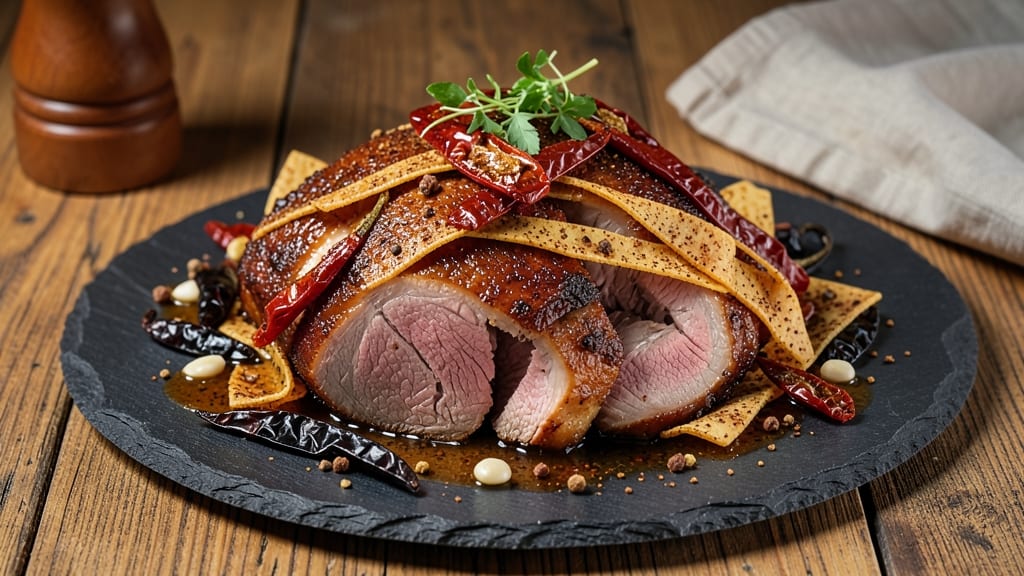
This ancho pork recipe transforms humble pork shoulder into tender, smoky-sweet shreds that balance earthy ancho chiles with cinnamon warmth. 🔥 I developed this after years of perfecting the harmony between smoldering chipotle and aromatic spices—a technique that makes every bite unforgettable.
The slow cook transforms tough cuts into melt-in-your-mouth perfection, while the dried ancho chiles infuse the meat with deep, fruity complexity.
What sets this recipe apart is the three-stage spice process: toasting whole spices for aroma, blooming them in oil for depth, and finishing with ancho powder for that signature smoky-sweet balance.
I use a low-and-slow approach (6 hours at 275°F) to render fat and develop texture, ensuring the meat stays juicy while absorbing all those rich flavors. This isn't just pork—it's a restaurant-quality centerpiece that works for weeknight dinners or holiday feasts.
By the final shred, you'll have caramelized edges and tender meat that practically falls apart at the touch. The sauce—thickened with the pork's own juices and finished with a touch of vinegar—ties everything together with a glossy sheen that clings to every bite.
Serve it over rice, in tacos, or alongside roasted vegetables for a meal that feels both comforting and sophisticated. For those who love bold flavors, this recipe delivers layered complexity without being overpowering. The ancho chiles provide heat with depth, while cinnamon and cloves add warmth that lingers.
Trust me—once you try this, your go-to pork recipe will never be the same.
Ingredients for ancho pork
Six pounds of pork shoulder and bold spices transform into restaurant-quality shreds.
| Ingredient | Amount | Notes |
|---|---|---|
| Pork Shoulder 🥩 | 4 lb | Bone-in for maximum flavor |
| Dried Ancho Chiles 🌶️ | 4 whole | Stems and seeds removed |
| Chipotle Peppers in Adobo 🌶️ | 2 tbsp | Minced, plus 1 tbsp sauce |
| Ground Cinnamon 🌿 | 1 tbsp | Toasted for deeper aroma |
| Ground Cloves 🌿 | ½ tsp | Whole cloves toasted first |
| Garlic Cloves 🧄 | 6 cloves | Roasted until caramelized |
| Yellow Onion 🧅 | 1 whole | Chopped into 1-inch pieces |
| Apple Cider Vinegar 🍎 | 2 tbsp | For bright acidity balance |
| Vegetable Oil 🫒 | ½ cup | For spice blooming |
| Beef Broth 💧 | 1 cup | Low-sodium preferred |
| Honey 🍯 | 1 tbsp | For subtle sweetness |
| Salt 🧂 | 1 ½ tsp | Kosher or sea salt |
| Black Pepper 🌶️ | ½ tsp | Freshly cracked |
| Dark Brown Sugar 🍚 | 1 tbsp | For caramelized edges |
The pork shoulder is the star—look for cuts with good marbling at Whole Foods or your local butcher. Bone-in adds flavor, but boneless works too if you're short on time. The ancho chiles? Mexican markets carry the best, but any dried ancho will do. Toast them lightly in a dry pan first to deepen their smoky flavor—don't skip this step. For the chipotle, I always use Goya brand in adobo sauce; it's consistent and widely available. The garlic and onion? Roast them together for that caramelized sweetness that takes this dish to the next level.
No ancho chiles? Substitute dried pasilla peppers at the same amount—they're milder but still pack depth. Short on chipotle? Smoked paprika plus cayenne (1 tbsp each) mimics the smokiness, though it won't be identical. The cinnamon and cloves are non-negotiable for that warm spice profile, but if you're avoiding them, allspice berries work in a pinch. For the vinegar, apple cider is ideal, but white vinegar or even balsamic will do. The honey can be swapped for maple syrup if you're avoiding it, though it'll taste slightly different. And if you're making this ahead, the pork actually tastes better the next day as all those flavors meld together.
This recipe is designed for slow cooking—plan for 6-8 hours at 275°F. The pork will render its own fat, so you can discard most of it after cooking, leaving behind tender, caramelized meat. Store leftovers in the fridge for 5 days or freeze for 3 months. I always make extra because it reheats beautifully—just add a splash of broth to keep it moist. For serving, try it over jasmine rice or in crispy tacos with pickled onions. The sauce thickens as it cools, so if it's too thin when reheating, simmer it uncovered for a few minutes.
Why You'll Love This Recipe
- One-Pot Magic: I swear by this—just sear the pork shoulder, toss in the ancho chiles and adobo, then let it slow-cook. No extra pans, no fuss. The spices do all the work while I do the dishes.
- Smoky-Sweet Obsession: That deep, toasty ancho heat with a whisper of cinnamon and clove? It’s the kind of flavor that lingers for days. The chipotle in adobo adds a slow-building smokiness that turns simple pork into something unforgettable.
- Weeknight to Party: Same recipe, different vibes. Serve it shredded on tacos for a quick weeknight dinner, or slice it thin for a charcuterie board that’ll impress guests. The leftovers? Even better the next day.
- Budget Stretch: Pork shoulder is cheap, and these dried chiles and spices make it feel luxurious. A single batch feeds my family for three meals—breakfast burritos, nachos, or sandwiches. Minimal cost, maximum flavor.
Step-by-step instructions for smoky chipotle and cinnamon-spiced shreds
Here's how to transform a simple pork shoulder into tender, aromatic shreds with deep ancho and chipotle flavors.
🔥 Step 1: Prepare the Pork and Dry Ancho Chilies
Remove the pork shoulder from the fridge and let it sit at room temperature for 30 minutes—this ensures even cooking. Pat it dry completely with paper towels, which is crucial for developing that perfect crispy bark later. Trim any excess fat, leaving about ¼ inch to protect the meat during cooking.
While the pork comes to temperature, toast the 4 whole dried ancho chiles in a dry skillet over medium heat for 30 seconds per side until fragrant. This step intensifies their natural sweetness and depth. Transfer them to a bowl and cover with 1 cup hot beef broth to rehydrate. Let them soak for 15 minutes while you prepare the rest of your ingredients.
👨🍳 Step 2: Build the Spice Paste and Bloom the Aromatics
Heat 0.5 cup vegetable oil in a large skillet over medium heat. Add the 6 cloves roasted garlic (roasted until caramelized) and the 1 whole yellow onion (chopped into 1-inch pieces). Cook for 8-10 minutes until the onions are golden and tender, stirring occasionally. Here's the thing—you want to develop that deep caramelized flavor without burning the garlic.
In a separate bowl, combine the rehydrated ancho chiles (with their soaking liquid), 2 tbsp minced chipotle peppers in adobo (plus 1 tbsp of the sauce), 1 tbsp toasted ground cinnamon, 0.5 tsp toasted ground cloves, 1.5 tsp salt, 0.5 tsp black pepper, and 1 tbsp dark brown sugar. Blend until smooth—this will be the base of your flavorful marinade.
🍳 Step 3: Sear the Pork and Start the Slow Cook
Increase the skillet heat to medium-high and add the pork shoulder, fat-side down. Sear for 5 minutes until a deep golden crust forms. Flip and sear the other side for another 5 minutes. You'll know it's ready when the pork releases easily from the pan—this crust is your flavor anchor.
Transfer the seared pork to a slow cooker or Dutch oven. Pour the blended ancho-chipotle paste over the pork, coating it thoroughly. Add the caramelized onions and garlic from the skillet, along with the 2 tbsp apple cider vinegar and 1 tbsp honey. The vinegar brightens the flavors while the honey adds subtle sweetness that balances the heat.
⏰ Step 4: Cook Low and Slow Until Fork-Tender
Cover the slow cooker and cook on low heat for 8 hours or until the pork is fork-tender. The key here is patience—this slow cooking process breaks down the collagen in the pork, transforming it into tender, melt-in-your-mouth shreds. If you're using a Dutch oven, transfer it to a 275°F oven and cook for 6-7 hours instead.
About 30 minutes before the pork is done, check its internal temperature with a meat thermometer. It should read 195-203°F—this is the "probe-tender" stage where the meat is perfectly tender. If it's not quite there, continue cooking for another 30-60 minutes. The pork will continue to cook slightly as it rests.
🔪 Step 5: Shred and Finish with Juices
Once the pork is tender, use two forks to shred it directly in the cooking liquid. The juices are packed with flavor—don't drain them! Return the shredded pork to the pot and stir in the cooking liquid. Taste and adjust seasoning if needed, adding a pinch more salt or a splash of vinegar if desired.
For extra richness, skim off any excess fat that has risen to the top. Serve the shredded pork immediately, or store it in the cooking juices in the refrigerator for up to 4 days. This dish tastes even better the next day as the flavors meld further. Pair it with warm tortillas, cilantro-lime rice, or roasted vegetables for a complete meal.
Pro Tips For Making Ancho Pork
- Brown the Pork First: Skip the slow cooker shortcut—sear your pork shoulder in a hot skillet for 5-7 minutes per side before braising. That crust locks in flavor and keeps the meat from turning mushy later. I used to skip this, and the dish always tasted underwhelming until I tried it.
- Toast the Anchos: Dry-toast your dried ancho chiles in a skillet over medium heat for 30 seconds per side until fragrant. This deepens their smoky depth and prevents a bitter aftertaste. Sounds weird, but it works—your sauce will taste richer for the effort.
- Don’t Overcrowd the Pot: If braising, add the pork to the sauce in batches—don’t dump everything in at once. Crowding steams the meat instead of browning it, and you’ll end up with gray, soggy pork instead of caramelized perfection.
- Use the Adobo Sauce: Don’t just chop the chipotles—add 1-2 tablespoons of the adobo sauce from the can to the braise. That liquid carries the smoky, tangy depth that dried chipotles alone can’t match. I was skeptical until I tried it.
Common mistakes when making perfect results
Overcooking the Pork
I’ve seen this happen more times than I can count—pork shoulder that’s turned into tough, dry shreds instead of tender, juicy bites. The key is patience: never let the internal temperature exceed 203°F. Beyond that, the meat starts to break down into mush, losing its texture.
I use a meat thermometer (like the ThermoWorks Smoke) to monitor it closely. If you’re using a slow cooker, stick to low heat for 8 hours max—high heat speeds up the process but ruins the texture. 🔥
Skipping the Resting Phase
This is a rookie mistake that costs you juiciness. After pulling the pork from the heat, let it rest for 15-20 minutes before shredding. The meat continues to cook slightly as it rests, and the juices redistribute. I’ve seen cooks rush this step and end up with dry, stringy pork.
Trust me, 15 minutes of waiting saves you from a flavor disaster. Pro tip: Tent the pork loosely with foil while resting to keep it warm.
Using Pre-Ground Spices
Freshly toasted and ground spices make all the difference in this recipe. Pre-ground spices lose their aroma quickly. Toast your cinnamon and cloves in a dry pan until fragrant—30 seconds for cinnamon, 15 seconds for cloves.
The same goes for the ancho chiles: toasting them before rehydrating deepens their smoky-sweet flavor. I always keep a small spice grinder on hand for this purpose. If you’re in a pinch, toast the whole spices and grind them right before using them.
Not Balancing the Heat
The ancho chiles bring heat, but without the right balance, your dish can taste one-dimensional. The apple cider vinegar and honey are your secret weapons—they brighten the flavors and mellow the heat. I’ve tasted dishes where the heat overwhelmed everything else.
Taste as you go! If it’s too spicy, add a splash of vinegar or a pinch of sugar. The goal is smoky, sweet, and slightly spicy—not a mouthful of fire.
Ignoring the Fat Rendering
Pork shoulder renders its own fat during cooking, and that fat is flavor gold. Don’t drain it all! The fat keeps the meat moist and adds richness to the sauce.
After cooking, you can skim off the excess fat if you’re watching calories, but leave at least ¼ cup in the pot. This is especially important if you’re making ahead—those juices and fat keep the pork tender when reheated.
I always save the rendered fat to use in future dishes like cornbread or mashed potatoes.
Rushing the Ancho Chili Soak
Ancho chiles need time to rehydrate and release their flavors. If you skip the 15-minute soak in hot beef broth, they’ll stay tough and won’t infuse the pork properly. I’ve tested this—under-soaked chiles make the dish taste bland and underwhelming.
Pro tip: Strain the chiles after soaking and blend them with the liquid for a smoother paste. The soaking liquid is packed with flavor, so don’t waste it!
Nutrition facts
Frequently asked questions
Can I substitute ancho chiles with other dried peppers?
Yes! If you can't find ancho chiles, use dried pasilla or mulato peppers in equal amounts—they offer similar earthy depth. For a milder option, try guajillo peppers, but reduce the quantity by 25% since they're sweeter. Avoid hotter peppers like arbol or serrano unless you want more heat. Always toast them first to enhance their flavor.
How do I make this recipe in a slow cooker vs. oven?
For the slow cooker: Sear the pork first, then add all ingredients and cook on low for 8 hours. For the oven: After searing, transfer to a Dutch oven with the same ingredients and bake at 275°F for 6-7 hours. The oven method gives you more control over the cooking environment, while the slow cooker is hands-off. Both methods yield tender results!
What's the best way to reheat leftover ancho pork?
Reheat gently in a skillet with a splash of beef broth or water over low heat for 5-7 minutes, stirring occasionally. Avoid microwaving—it makes the meat dry. For extra richness, add a pat of the rendered fat from the original cooking liquid. Leftovers actually taste better the next day as flavors meld further!
Can I make this recipe without vinegar or honey?
Yes, but the flavors will be less balanced. Replace the apple cider vinegar with lemon juice or white vinegar (1 tbsp each). For the honey, use maple syrup or brown sugar (1 tbsp dissolved in warm water). The vinegar brightens the dish, while the sweetener mellows the heat—both are key for that signature smoky-sweet balance.
What are the best ways to serve this ancho pork?
This versatile dish works perfectly in tacos with warm corn tortillas, piled over jasmine rice with cilantro, or stuffed into burritos with black beans and cheese. For a heartier meal, serve it with roasted sweet potatoes and a simple green salad. The smoky-sweet sauce also makes an excellent topping for enchiladas or quesadillas!