
Main Courses
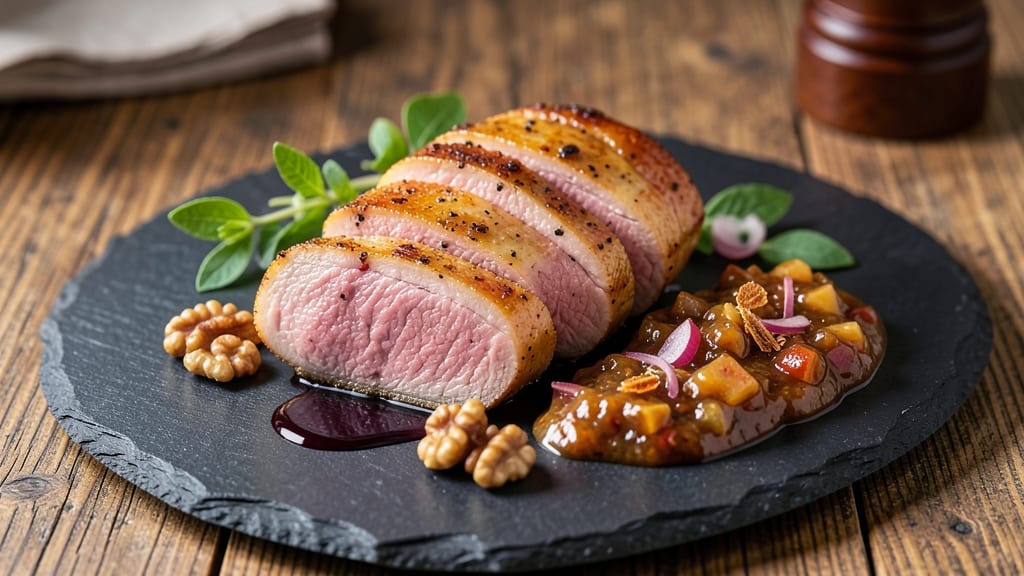
This apple chutney recipe for pork tenderloin transforms a simple weeknight dinner into something extraordinary. 🌟 The sweet-tart glaze doesn't just complement the pork—it locks in juiciness while adding layers of caramelized depth that elevate every bite.
After years of perfecting the balance between tender meat and vibrant chutney, I've developed a method that works every time, whether you're grilling, roasting, or pan-searing.
The secret lies in the chutney itself—a harmonious blend of apples, onions, and spices that caramelizes beautifully when brushed onto the pork.
What makes this recipe special is how the chutney transforms during cooking: it starts as a bright, tangy sauce and finishes as a sticky, caramelized glaze that clings to the meat like a second skin.
The pork tenderloin stays impossibly tender while developing a perfect crust, making this one of those dishes that feels both impressive and effortless.
By the time you serve this dish, you'll have a restaurant-quality pork tenderloin with a glossy, caramelized glaze that's sweet, tangy, and just slightly spicy. The chutney's acidity cuts through the richness of the pork, creating a perfect balance that keeps every bite exciting.
This is the kind of meal that makes you want to host dinner parties—even when it's just you and a good book.
Serve with roasted root vegetables or a fresh green salad to round out the plate. The chutney works as both a glaze and a sauce, so don't be afraid to drizzle extra over the top for maximum flavor impact. Let's get cooking—your taste buds will thank you.
Ingredients for apple chutney recipe for pork tenderloin
Sweet apples, tangy vinegar, and warm spices come together for this irresistible pork tenderloin glaze.
| Ingredient | Amount | Notes |
|---|---|---|
| Pork Tenderloin 🥩 | 1 ½ lb | Center-cut, trimmed of fat |
| Apples 🍎 | 2 medium | Honeycrisp or Fuji, peeled |
| Yellow Onion 🧅 | 1 whole | Medium size, diced small |
| Granulated Sugar 🍚 | ½ cup | Or brown sugar for depth |
| Apple Cider Vinegar 🍶 | ¼ cup | For tangy brightness |
| Fresh Ginger 🌿 | 1 tbsp | Grated, aromatic |
| Ground Cinnamon 🌶️ | 1 tsp | Warm, not bitter |
| Ground Cloves 🌶️ | ¼ tsp | Whole cloves work too |
| Salt 🧂 | 1 tsp | Kosher or sea salt |
| Black Pepper 🌶️ | ½ tsp | Freshly cracked |
| Olive Oil 🫒 | 2 tbsp | For brushing pork |
| Unsalted Butter 🧈 | 2 tbsp | Cold, for finishing |
| Fresh Thyme Leaves 🌿 | ¼ cup | Chopped, optional garnish |
The apples are non-negotiable here—Honeycrisp or Fuji stay firm when cooking and add that perfect sweetness. Grab them at Whole Foods or your grocery store's produce section, but avoid anything mushy or mealy. The ginger? Fresh is a must—it adds a zing that dried just can't match. I usually buy a small knob from the Asian market near my house, but the regular grocery store has it too. For the pork tenderloin, center-cut is key—it's more tender and holds its shape better. Look for one that's uniform in size, about 1.5 pounds, and trim any visible fat before cooking.
No Honeycrisp apples? Granny Smith works in a pinch, but it'll be more tart. Swapping sugar? Brown sugar adds depth, but cut back to 0.4 cups if you're sensitive to sweetness. Fresh ginger too expensive? Ground ginger at half the amount gets you close, but it's not the same. The chutney's magic comes from balancing sweet, tangy, and spicy—taste as you go. If it's too tart, add a pinch more sugar; too sweet? A splash of vinegar fixes it. The thyme is totally optional, but it adds a lovely aroma that pairs beautifully with the pork. Skip it if you're not a fan, but I always grab extra—half goes in the chutney, half gets sprinkled on top at the end.
This chutney keeps beautifully—1 week in the fridge once made, and it actually tastes better the next day as the flavors meld. Portion it into small jars for easy reheating. The pork? Cook it just before serving—it reheats poorly. If you're prepping ahead, make the chutney first, then store it separately. The butter and thyme can wait until the last minute. Leftovers? Slice the pork thin and serve on toast with extra chutney drizzled on top—game-changer for sandwiches. The chutney also works as a sauce for roasted veggies, so make extra if you're feeling ambitious.
Why You'll Love This Recipe
- Foolproof Roast: I swear by this method—just season the pork, sear it in a hot pan, then roast it uncovered. No flipping, no fussing, and the crust locks in all that juicy flavor while the chutney caramelizes right in the same pan. (Yes, even if you burn the edges a little.)
- Sweet-Savory Magic: That balance of sharp apple cider vinegar and honeyed apples? It’s like autumn in a bite. The onions add depth without overpowering, and the sugar just melts into the pork, making every slice taste like it’s been slow-cooked all day.
- Weeknight Workhorse: This feeds four easily, but the leftovers? Absolute gold. I double the chutney and use it on toast the next morning or toss it with roasted potatoes. Honestly, it’s my go-to for game days, potlucks, or when I just can’t decide what to eat.
- Pantry-Friendly Power: No specialty ingredients—just apples, onions, and a few basics you already have. The chutney comes together in 15 minutes while the pork roasts, and the sugar keeps it from being too tart. Budget-friendly, zero waste, and always reliable. (My college-student self would’ve loved this.)
Step-by-step instructions for sweet-tart apple chutney pork tenderloin
Here's how to make juicy pork tenderloin with a perfect balance of sweet and tangy flavors.
🔥 Step 1: Sear the Pork Tenderloin for Maximum Flavor
Pat the 1.5 lb pork tenderloin completely dry with paper towels—this ensures a crispy crust. Heat 1 tablespoon olive oil in a large skillet over medium-high heat until shimmering. Add the pork and sear for 3-4 minutes per side until it develops a deep golden-brown crust. Here's the thing—don't move it around too much during the first minute. I press down gently on the fillet during this time to prevent curling and ensure even contact with the pan.
Once the pork is browned on all sides, remove it from the skillet and set it aside on a plate. Let it rest for 5 minutes while you prepare the chutney. This resting period helps the meat retain its juices during cooking. The seared exterior will lock in all that flavor we're about to build in the chutney.
🍳 Step 2: Cook the Apple and Onion Base
In the same skillet (no need to clean it—the browned bits add flavor), add 1 tablespoon olive oil if needed and heat over medium heat. Add the diced yellow onion and cook for 5 minutes until softened and translucent. Here's where it gets fun—toss in the 2 medium peeled apples, cut into small chunks, and cook for another 5 minutes until they begin to soften but still hold their shape.
Add the 1 tablespoon grated fresh ginger and cook for 1 minute until fragrant. The ginger will release its aromatic oils and mingle beautifully with the apple and onion. If you're using brown sugar instead of granulated, this is when you'd add it—it adds depth that regular sugar can't match. But with 0.5 cup granulated sugar, we'll add it in the next step.
🥘 Step 3: Build the Chutney with Sweet-Tart Balance
Pour in the 0.25 cup apple cider vinegar and scrape up any browned bits from the bottom of the pan. This deglazing step captures all that concentrated flavor. Add the 0.5 cup granulated sugar, 1 teaspoon ground cinnamon, 0.25 teaspoon ground cloves, 1 teaspoon salt, and 0.5 teaspoon black pepper. Stir everything together and let it simmer for 8-10 minutes until the mixture thickens slightly and the apples are tender but still hold their shape.
Here's the moment that matters: taste and adjust. You want a perfect balance of sweet and tart. If it needs more tang, add a splash more vinegar. If it needs sweetness, add a bit more sugar. The chutney should coat the back of a spoon but still be spreadable. Real talk: this is where most home cooks go wrong—they either oversweeten or make it too tart. Trust your taste buds here.
🔥 Step 4: Finish the Pork with Chutney and Butter
Return the pork to the skillet with the chutney. Spoon the chutney mixture evenly over the pork and let it cook for 5-7 minutes until the pork reaches an internal temperature of 145°F. The chutney will caramelize slightly, creating a beautiful glaze that locks in all those juices. Don't walk away—you want to keep an eye on it so it doesn't burn.
Remove the pork from the skillet and let it rest for 10 minutes before slicing. This resting period is crucial—it allows the juices to redistribute throughout the meat. While it rests, add the 2 tablespoons cold unsalted butter to the skillet with the remaining chutney. Melt the butter over low heat for 1 minute to create a rich, glossy finish for the chutney.
🍽️ Step 5: Slice and Serve with Fresh Thyme
Slice the pork into ½-inch thick medallions against the grain for maximum tenderness. Spoon the chutney over the pork and garnish with the 0.25 cup chopped fresh thyme leaves. The thyme adds a bright, herbal note that cuts through the richness of the pork and sweetness of the chutney. Serve immediately with roasted vegetables or a simple side salad.
Each bite should deliver perfectly tender pork with a sweet-tart glaze that balances the savory meat. The chutney should be thick enough to coat the pork but still have a nice sheen. If it's too thick, just give it a quick stir with a splash of water or apple juice to loosen it up. This dish is even better the next day when the flavors have time to meld together.
Pro Tips For Making Apple Chutney Recipe For Pork Tenderloin
- Sear Pork First: Hit the pork tenderloin with high heat in a dry pan for 3-4 minutes per side before anything else. That crust locks in flavor and keeps it from drying out later—trust me, I’ve made the mistake of skipping this step, and the difference is noticeable.
- Dice Apples Small: Cut the apples into ¼-inch cubes, not chunks. Smaller pieces cook faster and blend into the chutney more evenly, giving you a smoother texture instead of chewy bits. I learned this after serving a guest a chutney with uneven apple pieces—awkward.
- Simmer Chutney Low: Reduce the heat to a gentle simmer once the chutney starts bubbling. Boiling too hard can turn the apples mushy and make the vinegar evaporate too quickly. I used to rush this, and the chutney always ended up too watery.
- Sweat Onions First: Cook the onions in a cold pan with a splash of water or vinegar before adding the apples. This softens them without browning, so they melt into the chutney instead of staying crunchy. It’s a small step, but it makes a real difference in texture.
Flavor customization for apple chutney recipe for pork tenderloin
Spice Level Control
Adjust the heat to your preference by tweaking the spices. For a milder version, reduce the ground cloves to ¼ teaspoon and skip the fresh ginger—it adds subtle warmth. If you love spice, add ½ teaspoon cayenne pepper or 1 teaspoon smoked paprika for depth.
I often double the cinnamon to 2 teaspoons for a cozy, dessert-like sweetness that still works beautifully with pork. 🌶️
Sweet-Tart Balance
The magic happens in the ratio of sugar to vinegar. For a sweeter glaze, increase sugar to ⅔ cup and reduce vinegar to ¼ cup. Need more tang? Swap apple cider vinegar for balsamic vinegar (same amount) for a deeper, wine-like complexity.
Pro tip: Add 1 tablespoon honey at the end for a smoother finish. The chutney should taste like a perfect bite—sweet enough to satisfy but tart enough to cut through the pork's richness.
Fruit Variations
Swap apples for pears (use Bosc for firmness) or peaches (in season) for a summer twist. For a tropical vibe, add ½ cup diced pineapple with the apples—it adds brightness and works surprisingly well with pork.
I once used crabapples (small, tart apples) and loved the extra tang. Just remember: softer fruits (like peaches) need less cooking time—3-4 minutes max to avoid mushiness.
Herb Infusions
Boost the chutney's depth with 1 teaspoon fresh rosemary or thyme (chopped stems included) while cooking. For a smoky note, add ½ teaspoon chipotle powder or 1 smoked paprika with the spices.
I love finishing with chopped parsley instead of thyme—it adds freshness that balances the caramelized sweetness. Fresh herbs should be added at the very end to preserve their bright flavors.
Glaze vs. Sauce
Want a thicker glaze? Simmer the chutney uncovered for 2-3 extra minutes to reduce it further. For a looser sauce, add 2 tablespoons water or apple juice at the end.
The glaze version clings beautifully to the pork, while the sauce works as a dip for sliced pork or roasted veggies. I often make both—use half as a glaze and half as a sauce for maximum versatility. 💫
Make-Ahead Adaptations
Prep the chutney 2 days ahead and store it in the fridge—flavors deepen over time. For the pork, sear it completely, then refrigerate raw (uncooked) in the chutney for up to 12 hours before finishing. This infuses the meat with extra flavor.
If cooking ahead, finish the pork in a 350°F oven for 15-20 minutes (covered with foil) to reach 145°F internal temp. Just add the butter at the end for that glossy finish.
Nutrition facts
Frequently asked questions
Can I use this chutney for other proteins besides pork tenderloin?
This apple chutney works beautifully with chicken thighs, duck breast, or even lamb chops. The sweet-tart balance complements rich meats perfectly. For poultry, reduce cooking time by 2-3 minutes to avoid drying out. For beef, consider adding 1 teaspoon smoked paprika to enhance the depth.
How do I adjust the recipe for a larger crowd?
Double all ingredients for 8 servings, but use two 1.5 lb pork tenderloins to maintain even cooking. For the chutney, divide it between two skillets if needed. Keep the same ratios—0.5 cup sugar per 2 apples—to maintain balance. If making ahead, store extra chutney in glass jars in the fridge for up to 1 week or freeze for 3 months.
What if my pork comes out dry?
Pork tenderloin dries out when overcooked or sliced too soon. Always use a meat thermometer—145°F internal temp is perfect. Let it rest 10 minutes before slicing (never skip this!). For extra moisture, brush with 2 tablespoons melted butter during the last 5 minutes of cooking. If it's still dry, serve with extra chutney as a sauce to add juiciness.
Can I make this chutney without apples?
While apples are ideal, you can substitute with pears or peaches for a summer variation. For a non-fruit option, use ½ cup dried apricots (soaked in warm water for 10 minutes) plus 2 tablespoons apple juice to maintain moisture. The texture will be slightly different, but the sweet-tart balance remains. Just reduce the vinegar to ¼ cup to prevent over-acidity.
How should I store leftovers?
Store sliced pork and chutney separately in airtight containers for up to 4 days in the fridge. Reheat pork in a skillet with 1 tablespoon water over medium heat until warmed through. The chutney reheats well in the microwave (stirring between intervals) or on the stove. For best results, serve leftovers cold on sandwiches or tacos with extra chutney drizzled on top.