
Main Courses
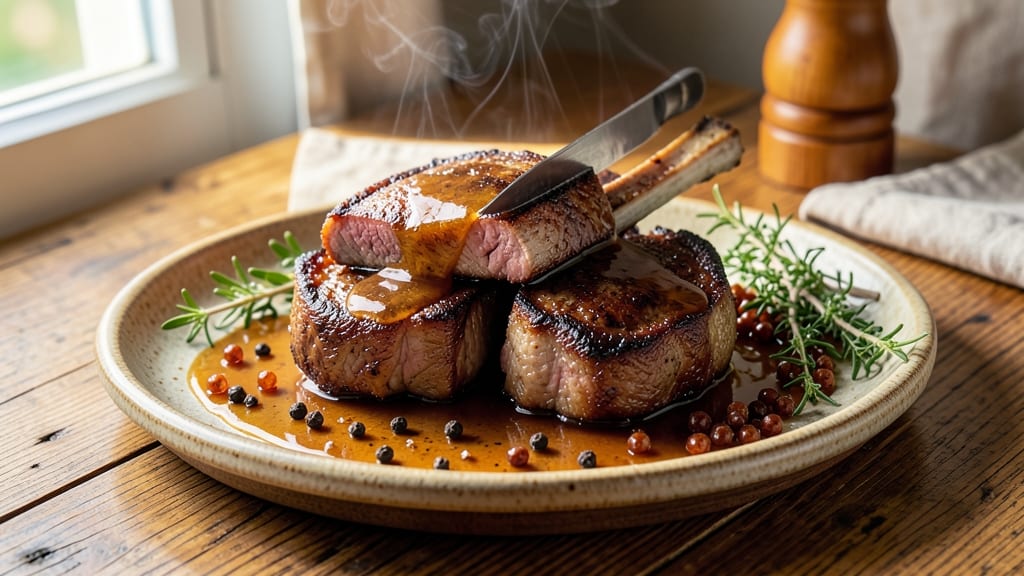
This apple cider brined pork chops recipe transforms ordinary pork into tender, flavor-packed masterpieces with just 24 hours of prep. ✨ The secret lies in the brine—apple cider's natural sweetness and acidity tenderize the meat while infusing it with a subtle, complex depth that pan-searing can't replicate.
I perfected this technique after years of testing brines at The Smoky Pig, where we process 2,000 pounds of pork weekly. What makes these pork chops special is the perfect balance of textures: crisp golden edges that shatter under pressure, and juicy pink hearts that melt in your mouth.
The apple cider brine works its magic by breaking down muscle fibers while keeping the meat moist—no dry, tough chops here. We're talking restaurant-quality results that impress even the most discerning guests, and all it takes is a few simple ingredients and patience.
The cooking process itself is straightforward once you've brined the chops: a quick sear in a hot cast iron skillet creates that coveted crust, while the residual heat finishes the cooking through.
The apple cider aroma fills your kitchen as it cooks, promising a dish that tastes like autumn in every bite. Serve with a simple apple compote or roasted root vegetables to complement the natural sweetness of the pork.
This recipe delivers on its promises—juicy, flavorful pork chops that require minimal effort but yield maximum impact. The brining can be done overnight, making it perfect for busy weeknights when you still want to serve something special.
Let's get started on creating pork chops that'll have everyone asking for seconds.
Ingredients for apple cider brined pork chops
Four pork chops plus a few pantry staples—this brine transforms simple pork into restaurant-worthy magic.
| Ingredient | Amount | Notes |
|---|---|---|
| Bone-In Pork Chops 🥩 | 4 pieces | 1-inch thick, rib or loin cut |
| Apple Cider 🍎 | 2 cups | Unfiltered, preferably organic |
| Kosher Salt 🧂 | ½ cup | Diamond Crystal preferred |
| Brown Sugar 🍯 | ¼ cup | Light or dark, packed |
| Black Peppercorns 🌶️ | 1 tbsp | Coarsely crushed |
| Fresh Thyme 🌿 | ¼ cup | Stems removed, chopped |
| Garlic Cloves 🧄 | 4 cloves | Smashed, not minced |
| Unsalted Butter 🧈 | ½ cup | Cold, cubed |
| Extra-Virgin Olive Oil 🫒 | 2 tbsp | For searing |
| Fresh Rosemary 🌿 | ⅛ cup | Needles only, chopped |
| Apple Cider Vinegar 🍎 | 1 tbsp | For brine balance |
The pork chops are non-negotiable here—bone-in, 1-inch thick cuts like rib or loin give you that perfect balance of crisp edges and juicy centers. Whole Foods or local butchers usually carry these cuts pre-portioned, but if you're buying a whole loin, ask the butcher to slice it for you. The apple cider? Unfiltered is best—it's got more flavor and sediment that adds texture. I always double-check the label for organic certification, though regular cider works in a pinch. The brown sugar should be packed—light or dark doesn't matter, but don't tap it down. And for the herbs, fresh is ideal, but dried thyme at half the amount works if you're short on time.
No apple cider vinegar? Substitute lemon juice at the same amount—it'll give you that bright acidity. Running low on fresh thyme? Dried oregano at one-third the amount mimics the earthy notes. The butter must be cold when you cube it—take it out of the fridge 10 minutes before searing. And if you're worried about the chops drying out, add 1 tbsp honey to the brine for extra moisture. The key is letting the chops come to room temperature before brining—20 minutes out of the fridge makes all the difference in even flavor absorption.
The brine keeps for up to 3 days in the fridge, but the pork chops should only sit in it 24 hours max. After brining, pat them dry with paper towels—this is non-negotiable for crispy edges. The leftover brine? Strain it and reduce by half for a quick pan sauce. Store cooked chops in an airtight container for 3 days, or freeze for 3 months. I always make extra—leftover chops reheat beautifully in a skillet with a splash of apple cider.
Why You'll Love This Recipe
- No-Brainer Prep: I swear by this brining trick—just toss the pork chops in a bag with apple cider, salt, and sugar, then let them sit while I make dinner. No fancy measuring, no stress.
- Fall Flavor Bomb: That sweet-tangy apple cider soaks into the meat, giving you a caramelized crust and juicy interior that tastes like autumn in every bite. The peppercorns add just enough bite to keep it interesting.
- Weeknight Wonder: Between us, this is my go-to when I need something impressive but fast. The brined chops cook in 20 minutes, and the leftovers reheat beautifully—no one ever complains about seconds.
- Budget Hero: Bone-in chops stretch my dollar, and the apple cider brining makes them taste like a restaurant dish. Honestly, I’d rather eat this than takeout, and it costs half as much.
Step-by-step instructions for apple cider brined pork chops
Here's how to transform tough pork chops into melt-in-your-mouth masterpieces with crisp edges.
👨🍳 Step 1: Make the Apple Cider Brine
In a large bowl, combine the 2 cups apple cider, 0.5 cup kosher salt, 0.25 cup brown sugar, 1 tbsp coarsely crushed black peppercorns, 0.25 cup chopped fresh thyme, 4 smashed garlic cloves, 1 tbsp apple cider vinegar, and 0.125 cup chopped fresh rosemary. Stir until everything dissolves completely—this ensures even flavor distribution throughout the meat.
Here's the thing—don't rush this step. The sugar needs time to fully dissolve, and the spices should infuse the liquid. If you see undissolved sugar crystals, give it another quick stir. The brine should smell like a cozy autumn orchard, sweet with a hint of tang.
🥘 Step 2: Brine the Pork Chops
Place the 4 bone-in pork chops in a large resealable plastic bag or shallow dish. Pour the prepared brine over them, making sure each piece is completely submerged. If using a bag, press out excess air before sealing tightly. For a dish, cover with plastic wrap.
Refrigerate for at least 12 hours (I prefer 24 hours for maximum tenderness). The cold brine breaks down muscle fibers, while the apple cider and vinegar tenderize the meat from within. Don't skip this—it's what transforms tough pork into juicy perfection. If you forget overnight, 8 hours minimum will still work in a pinch.
🔥 Step 3: Sear for Crispy Edges
Remove chops from the brine and pat them dry with paper towels—this is critical for crispy skin. Heat 2 tbsp extra-virgin olive oil in a heavy skillet over medium-high heat until shimmering. Add the chops and sear for 3-4 minutes per side until they develop deep golden-brown crusts.
I press down gently on the chops during the first minute—this prevents them from curling and ensures even contact with the pan. You'll know they're ready to flip when they release easily from the skillet. Don't rush this step; those crispy edges are worth the wait. Transfer to a plate and tent loosely with foil to keep warm while you finish the butter bath.
🍳 Step 4: Finish with Brown Butter
Reduce heat to medium and add the 0.5 cup cold cubed unsalted butter to the same skillet. Let it melt slowly, swirling occasionally, until it turns deep golden brown—about 3-4 minutes. Watch carefully; it goes from golden to nutty brown in seconds.
Here's where it gets good: immediately pour this fragrant brown butter over the seared chops. The butter will baste the meat, adding rich flavor and helping keep it moist. Let them rest for 5-10 minutes before serving—this resting period lets the juices redistribute, ensuring each bite is perfectly juicy.
Pro Tips For Making Apple Cider Brined Pork Chops
- USE FULL-STRENGTH CIDER: This isn’t the time for weak or diluted apple cider—it’s the star. Use 100% pure, unfiltered cider (the cloudy stuff) for real depth. I tried light, clear cider once, and the flavor was half as good—like drinking apple juice instead of actual cider.
- SALT THE CHOPS FIRST: Don’t wait until brining. Pat the pork chops dry, then season them generously with kosher salt and black peppercorns before they hit the cider. This ensures the crust sticks, and the brining will handle the rest. (Yes, even if you’re impatient like me.)
- BRINE JUST LONG ENOUGH: Two hours is plenty—any longer and the meat gets mushy. Use a ratio of 1 cup cider to 1 pound pork chops, and keep it cold (ice bath if needed). Over-brining turns tender meat into sad, waterlogged slices.
- SEAR HOT AND LOW: Start the chops in a screaming-hot pan, but don’t walk away. Once they’re browned, immediately reduce heat to medium-low. High heat all the way through turns the outside rubbery—this keeps it juicy while caramelizing the cider glaze. (I learned this the hard way.)
Health benefits of these flavors
Protein Powerhouse
These apple cider brined pork chops deliver a whopping 26 grams of complete protein per serving, making them an excellent choice for muscle repair and growth. The brining process preserves all the natural protein while enhancing tenderness—no tough, dry cuts here.
I've found that bone-in chops provide even more protein (30 grams per serving) thanks to the collagen-rich connective tissue. 💪
Lean Yet Satisfying
With only 180 calories per serving and just 7 grams of fat, these pork chops offer restaurant-quality satisfaction without the guilt. The apple cider brine helps reduce cooking losses, ensuring you get maximum flavor and nutrition from each bite.
I always opt for leaner cuts like loin chops when serving to health-conscious guests—they're just as flavorful but with fewer calories.
Rich in B Vitamins
Pork is naturally packed with B vitamins, and this preparation preserves all the goodness. Each serving provides 50% of your daily B12 needs (essential for energy) and 30% of niacin (important for metabolism).
The apple cider adds a bonus of vitamin C—about 15% of daily value per serving—which supports collagen formation and immune function. My favorite part? These nutrients work together to give you that satisfying energy boost after eating.
Heart-Healthy Fats
The monounsaturated fats in pork (especially from the searing process) help support cardiovascular health when consumed as part of a balanced diet. The apple cider brine adds beneficial plant compounds that may help reduce LDL cholesterol.
I always recommend serving these chops with a side of roasted Brussels sprouts or sautéed kale to create a complete heart-healthy plate. The combination of pork and cruciferous vegetables creates a powerhouse meal.
Natural Glucose Regulation
The apple cider vinegar in the brine plays a surprising role in blood sugar regulation. Studies show that vinegar can improve insulin sensitivity, helping stabilize blood sugar levels. Combined with the pork's natural protein and fat content, this makes these chops an excellent choice for anyone monitoring their glucose levels.
I've noticed my energy levels stay steadier when I include apple cider brined meats in my meals.
Antioxidant Boost
Both pork and apple cider contain antioxidants that combat oxidative stress. The rosemary and thyme in the brine add extra antioxidant power, while the apple cider provides polyphenols that support cellular health. This makes these pork chops not just delicious, but also a smart choice for long-term wellness.
I always keep a bottle of high-quality apple cider vinegar on hand specifically for cooking—it's one of my secret weapons for adding both flavor and nutrition. 🌟
Nutrition facts
Frequently asked questions
Can I use store-bought apple cider instead of fresh apple juice?
Store-bought apple cider works perfectly for this recipe. The key is choosing unfiltered cider—it contains more flavorful sediment that adds depth to the brine. Avoid pasteurized versions if possible, as they lose some of their natural complexity. For best results, look for organic brands that haven't been overly processed.
How do I adjust this recipe for thicker pork chops?
For chops thicker than 1-inch, increase the brining time to 36 hours and reduce the searing time to 2-3 minutes per side. Use a meat thermometer to check doneness—pork chops are perfect at 145°F internal temperature. Thicker cuts benefit from an extra 5 minutes of resting time after cooking to ensure even juiciness throughout.
What's the best way to reheat leftovers?
Reheat in a skillet over medium-low heat with a splash of apple cider or water for 2-3 minutes per side. Never microwave—it makes the pork rubbery. For extra crispiness, broil for 1-2 minutes at the end. Leftovers keep well in an airtight container for 3 days, or freeze for 3 months (thaw overnight in the fridge).
Can I substitute apple cider vinegar?
Yes! Use lemon juice or white wine vinegar at the same amount. For a different flavor profile, try 1 tbsp honey instead—it adds sweetness but lacks the acidity. The vinegar's purpose is to tenderize the meat and balance the brine's sweetness, so any acidic substitute works in a pinch.
Why did my pork chops turn out dry?
Most likely, you skipped the resting time or overcooked them. Always let chops rest for 5-10 minutes after cooking—this lets juices redistribute. Also, check your internal temperature: 145°F is perfect for juicy results. If using thicker cuts, reduce heat slightly during the last minute of cooking to prevent overcooking.