
Main Courses
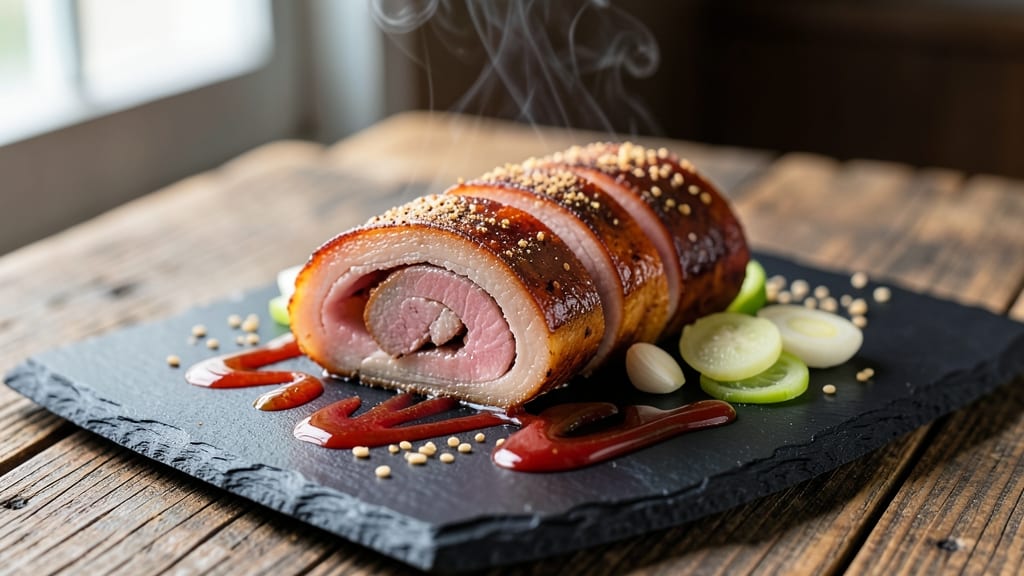
This Asian pork roll recipe delivers the perfect balance of crispy wok-fried edges and fragrant five-spice crust that’ll transport you to a bustling street market. 🔥 I developed this recipe after years of perfecting the art of pork cooking—where the secret lies in a carefully balanced marinade and precise frying technique that ensures every bite is tender yet satisfying.
The five-spice blend, a staple in many Asian cuisines, adds depth and warmth that elevates simple pork into something extraordinary.
What sets this recipe apart is the foolproof method for achieving that signature crunch without deep-frying—using a wok or heavy skillet to render the fat and create a golden crust.
The pork rolls are marinated overnight, allowing the flavors to penetrate deeply, while the five-spice crust adds a subtle complexity that pairs beautifully with classic sides like steamed jasmine rice or quick-pickled vegetables.
This dish is as versatile as it is delicious, making it perfect for weeknight dinners or special occasions.
The result is a dish that’s restaurant-quality at home—juicy, flavorful, and irresistibly crispy on the outside. Each roll is generously coated in the aromatic five-spice crust, which crackles with every bite, while the interior remains tender and succulent.
The combination of textures and flavors makes this recipe a standout, whether you’re serving it as a main course or adding it to a larger spread. Trust me, once you try this, it’ll become a staple in your rotation.
For those who love customization, you can adjust the spice level or experiment with different marinades, but the core technique remains the same: high heat, quick cooking, and patience. The key is to keep the pork rolls moving in the wok to ensure even browning and a consistent crust.
Serve with a side of soy-glazed greens or a cool cucumber salad to balance the richness. Let’s get cooking!
Ingredients for asian pork roll
Pork shoulder, five-spice magic, and a wok's crispy kiss—your ticket to street-market flavor at home.
| Ingredient | Amount | Notes |
|---|---|---|
| Pork Shoulder 🥩 | 1 ½ lb | Boneless, cut into 1-inch rolls |
| Five-Spice Powder 🌶️ | 1 tbsp | Store-bought or homemade blend |
| Soy Sauce 🍶 | ½ cup | Kikkoman preferred for balance |
| Honey 🍯 | 2 tbsp | For glaze and tenderness |
| Garlic Cloves 🧄 | 6 cloves | Minced for marinade |
| Ginger Root 🌿 | 1 tbsp | Freshly grated, aromatic |
| Sesame Oil 🫒 | 1 tbsp | Toasted for nutty depth |
| Cornstarch 🌾 | 2 tbsp | For crispy coating |
| Vegetable Oil 🫒 | ½ cup | High smoke point for frying |
| Green Onions 🧅 | 4 whole | Sliced for garnish |
| Salt 🧂 | 1 tsp | Diamond Crystal preferred |
| Black Pepper 🌶️ | ½ tsp | Freshly cracked |
| Rice Vinegar 🍶 | 1 tbsp | For marinade brightness |
The pork shoulder is non-negotiable—it's got the fat and connective tissue to stay juicy while the crust gets its crunch. Ask your butcher to cut it into 1-inch rolls if they won't do it for you; otherwise, grab a meat mallet to shape them yourself. For the five-spice powder, Penzeys or local Asian markets carry the best blends, but any quality store-bought will work. I always double-check the label for 'authentic Chinese five-spice'—some generic blends skimp on star anise or cloves. The garlic and ginger? Fresh only—no powdered shortcuts here. Toast your sesame oil in the wok for 30 seconds before using it to marinate; that nutty aroma is everything.
No five-spice blend? Mix 2 tsp cinnamon, 1 tsp fennel seeds, 1 tsp star anise, 1 tsp cloves, and 1 tsp Sichuan peppercorns—toast the whole spices first for deeper flavor. Soy sauce substitute? Coconut aminos works in a pinch, but it's sweeter. Running low on cornstarch? Arrowroot powder at the same amount gives the same crisp. The honey in the marinade is crucial—it tenderizes the pork and caramelizes during frying. No honey? Maple syrup works, but the flavor profile shifts slightly. And if your veggie oil smells off? Refrigerate it for 24 hours—any off aromas will rise to the top.
Marinate the pork overnight—24 hours minimum—for maximum flavor penetration. The rolls keep 3 days in the fridge, wrapped tightly in parchment. For freezing, coat them in extra cornstarch first, then freeze on a tray before bagging. Reheat in a 375°F oven for 15 minutes—they crisp up beautifully. Pro tip: Save the leftover marinade for quick stir-fries. The five-spice powder? Store it in a cool, dark place—it'll keep 6 months this way. And those green onions? Freeze the whites in a bag for future soups—they're perfect for that.
Why You'll Love This Recipe
- One-Pan Wonder: I swear by this—just toss the pork shoulder in a marinade of soy, honey, and five-spice, then let the oven do the work. No flipping, no fussing, and the garlic cloves roast right into the meat for that sweet, savory punch.
- Sweet-Savory Magic: That honey and five-spice combo? It’s like a flavor party in your mouth. The pork gets sticky, caramelized edges, and the garlic turns it from good to "oh my god, why didn’t I make this sooner?" good.
- Leftover Goldmine: This recipe makes way more than you’ll eat in one sitting, and honestly? The second day is even better. Slice it thin for sandwiches, chop it for fried rice, or just reheat it straight up—it’s that good.
- Budget Flex: Pork shoulder is cheap, and a little goes a long way. Between us, I’ve fed a houseful of hungry teens with one cut, and they didn’t even complain about the leftovers. (Yes, even on a Tuesday night.)
Step-by-step instructions for wok-fried pork rolls
Here's how to transform simple pork shoulder into irresistibly crispy, aromatic rolls with a perfect five-spice crust.
👨🍳 Step 1: Marinate the Pork Rolls for Maximum Flavor
In a large bowl, combine the 1.5 lb pork shoulder cut into 1-inch rolls, 0.5 cup soy sauce, 2 tbsp honey, 6 cloves minced garlic, 1 tbsp freshly grated ginger root, 1 tbsp toasted sesame oil, 1 tbsp rice vinegar, 1 tsp salt, and 0.5 tsp black pepper. Mix gently but thoroughly to coat all surfaces of the pork.
Cover the bowl with plastic wrap and refrigerate for at least 4 hours (overnight is even better). This marinade works triple duty—tenderizing the tough pork shoulder, infusing it with aromatic flavors, and creating that signature sticky-sweet crust. The acidity from the rice vinegar and honey will break down the muscle fibers, while the five-spice powder will add its signature warmth during cooking.
🍳 Step 2: Create the Crispy Five-Spice Coating
In a small bowl, whisk together 1 tbsp five-spice powder and 2 tbsp cornstarch. This blend is your secret weapon for that signature crispy exterior. The five-spice powder brings complex warmth with notes of cinnamon, star anise, and clove, while the cornstarch creates that satisfying crunch.
Remove the pork rolls from the marinade (reserve the marinade for later) and pat them dry with paper towels. This step is crucial—the drier the surface, the better the coating will adhere and crisp up. Working in batches if needed, roll each pork piece in the five-spice mixture, pressing gently to ensure even coverage. Let them sit at room temperature for 15 minutes before cooking to help the coating set.
🔥 Step 3: Wok-Fry to Golden Perfection
Heat 0.5 cup vegetable oil in a wok or large skillet over medium-high heat until it shimmers but doesn't smoke (around 350°F). Add the coated pork rolls in a single layer—don't overcrowd or they'll steam instead of crisp. Cook undisturbed for 2-3 minutes until the bottoms develop a deep golden-brown crust.
Here's where it gets exciting: flip the rolls and immediately add 2-3 tablespoons of reserved marinade to the pan. The sudden heat will create steam that helps cook the pork through while keeping it moist. Continue cooking for another 2-3 minutes until the pork reaches an internal temperature of 145°F (use a meat thermometer) and the crust is beautifully crispy. Remove to a paper towel-lined plate to drain excess oil.
🥘 Step 4: Glaze and Garnish for Restaurant-Worthy Presentation
Return the pan to medium heat and add the remaining reserved marinade. Let it simmer for 1-2 minutes until slightly thickened. The honey and soy sauce will caramelize beautifully, creating a glossy glaze. Brush this generously over the cooked pork rolls, reserving any extra glaze for serving.
Garnish each roll with sliced green onions for fresh contrast and a final sprinkle of extra five-spice powder. Serve immediately with steamed jasmine rice and a side of quick-pickled vegetables to cut through the richness. The combination of crispy exterior, tender interior, and aromatic glaze makes these pork rolls truly unforgettable.
Pro Tips For Making Asian Pork Roll
- Trim the Fat First: Pork shoulder’s fat renders beautifully, but thick layers can turn your rolls greasy instead of glossy. Use a sharp knife to score the fat in a crosshatch pattern—this breaks it down faster and keeps the meat juicy while the exterior gets that sticky, caramelized crust.
- Toast the Five-Spice: I used to just sprinkle the five-spice powder on dry. Big mistake. Heat it in a dry pan for 30 seconds until fragrant—it deepens the flavor and cuts through the pork’s richness. (Yes, even if you’re impatient like me, don’t skip this.)
- Braise Low and Slow: The pork shoulder needs time—think 2.5 to 3 hours at 300°F (150°C), not a rushed sear. The honey and soy sauce will cling better to tender meat, and the garlic won’t burn into bitterness. Cover it loosely with foil; you want steam, not a sauna.
- Deglaze with Soy-Honey Mix: After browning the pork, don’t just dump the sauce. Add 2 tablespoons of water first, scrape up those browned bits, then pour in the soy-honey mix. Those bits pack layers of flavor—like umami insurance. (Your future self will notice the difference.)
Perfect pairings for this dish
Rice Pairings
Steamed jasmine rice is my go-to pairing—its delicate floral notes complement the five-spice crust beautifully. Cook 1 cup uncooked jasmine rice with 1.25 cups water and a pinch of salt for perfectly fluffy grains.
For extra depth, stir in 1 tbsp toasted sesame oil at the end. The rice soaks up the pork's glaze while providing a neutral base that lets the flavors shine. 💛
Pickled Vegetables
Quick-pickled vegetables cut through the richness perfectly. Toss 2 cups shredded carrots and daikon radish with ¼ cup rice vinegar, 1 tbsp sugar, ½ tsp salt, and 1 tsp grated ginger.
Let sit for 20 minutes before serving. The bright acidity balances the pork's sweet-spicy crust, creating a harmonious bite. I often double the batch—they keep for 5 days in the fridge.
Stir-Fried Greens
For a heartier side, stir-fry bok choy or gai lan with 1 tbsp soy sauce, 1 tsp oyster sauce, and a splash of sesame oil. The greens' earthiness contrasts the pork's caramelized exterior.
Sauté for 2-3 minutes over high heat to maintain crisp-tender texture. Garnish with crushed peanuts for added crunch and protein. This combo transforms the dish into a complete meal. ✨
Dipping Sauces
Serve with hoisin sauce for dipping—its sweet-savory depth enhances every bite. Mix 2 tbsp hoisin with 1 tsp rice vinegar and a pinch of chili flakes for heat.
For a tangier option, blend ½ cup Greek yogurt with 1 tbsp soy sauce, 1 tsp honey, and 1 clove minced garlic. Both sauces elevate the pork rolls to restaurant-quality. Store-bought hoisin works, but homemade is worth the effort.
Noodle Pairings
For a lighter option, serve with egg noodles tossed in a light garlic-soy glaze. Cook 8 oz fresh egg noodles, then toss with 1 tbsp soy sauce, 1 tsp toasted sesame oil, and 1 minced garlic clove.
The noodles' chewiness contrasts the pork's crispy exterior, creating a satisfying texture play. Garnish with thinly sliced scallions for freshness. This combo is perfect for a quick weeknight dinner. 🍜
Nutrition facts
Frequently asked questions
Can I substitute pork shoulder with another cut of pork?
While pork shoulder is ideal for its fat content and tenderness, you can use pork tenderloin or pork loin in a pinch. Just slice it thinner (about ½-inch thick) since these cuts cook faster. For best results, marinate for at least 4 hours and reduce cooking time to 1-2 minutes per side—they'll be ready at 140°F internal temp.
How do I make the crust extra crispy without deep-frying?
For maximum crunch, use arrowroot powder instead of cornstarch in the coating—it's more stable at high heat. Pat the pork rolls very dry before coating, and let them sit at room temp for 20 minutes before frying. Also, cook in small batches to avoid crowding the pan, which steams instead of crisps.
What's the best way to reheat leftover pork rolls?
For crispy reheats, broil for 3-4 minutes at 425°F on a wire rack over a baking sheet. Spritz lightly with water first to revive moisture, then broil until edges are golden. Alternatively, pan-fry in ½ inch oil over medium heat for 1-2 minutes per side—this restores the crust beautifully.
Can I make this recipe without five-spice powder?
Mix 1 tsp cinnamon, ½ tsp ground cloves, ½ tsp fennel seeds, and ¼ tsp nutmeg for a similar warm flavor profile. Toast the spices lightly in a dry pan before mixing with cornstarch. The crust will still be crispy, just with a slightly different aromatic depth.
Why did my pork rolls turn out dry?
Overcooking is the most common culprit—pork rolls should reach 145°F max. Use a meat thermometer to avoid guesswork. Also, ensure your pork is properly marinated (overnight is best) and don't skip the 15-minute room temp rest before cooking. For extra moisture, baste with reserved marinade during cooking.