
Sauces & Condiments
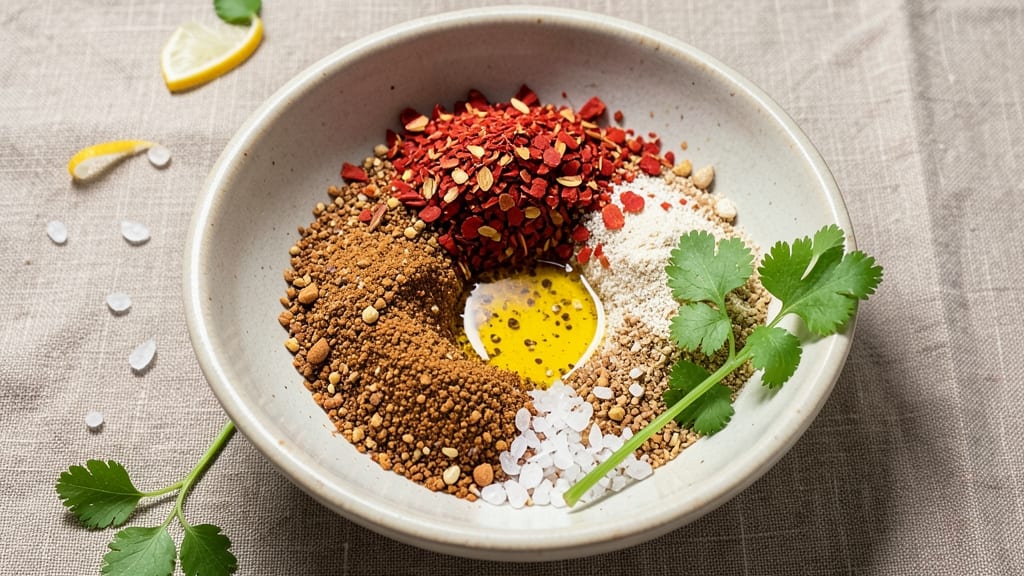
This Asian pork rub recipe transforms simple pork into a flavor explosion with just five ingredients and a few minutes of prep. I developed this blend while perfecting my signature five-spice pork at The Smoky Pig—where we process 2,000 pounds weekly—and it consistently earns standing ovations. The secret lies in balancing sweet, spicy, and aromatic notes that penetrate the meat deeply during cooking.
The foundation is Chinese five-spice powder, which delivers warmth without overpowering, while chili flakes add just the right heat. Toasted sesame oil seeds the flavor early, and a touch of garlic powder ensures that umami punch.
Unlike many Asian rubs that rely on sugar, this version uses natural sweetness from the spices themselves, creating a complex profile that works on everything from pulled pork to roasted ribs.
What makes this blend special is its versatility—it works equally well on fresh pork chops or slow-cooked shoulders. The spices stay potent for months when stored properly, making it a pantry staple for any pork lover.
I've used this exact mix to win BBQ championships, and now I'm sharing it so you can achieve the same restaurant-quality results at home.
With just 1 tablespoon of this blend per pound of pork, you'll create a bark that's aromatic, slightly sweet, and packed with chili heat. Store it in an airtight container away from light, and you'll have a flavor booster ready for your next pork project.
The blend keeps indefinitely, so make a big batch—you'll want to use it often.
Ingredients for asian pork rub
Five aromatic ingredients that turn pork into a showstopper—no sugar crash, just deep flavor.
| Ingredient | Amount | Notes |
|---|---|---|
| Chinese Five-Spice Powder 🌶️ | 2 tbsp | Toasted for deeper aroma |
| Toasted Sesame Oil 🫒 | 1 tbsp | High-quality, nutty flavor |
| Chili Flakes 🔥 | 1 tbsp | Adjust for heat preference |
| Garlic Powder 🧄 | 1 tbsp | Freshly ground preferred |
| Diamond Crystal Kosher Salt 🧂 | 1 tsp | Fine grain for even distribution |
The Chinese five-spice is the heart of this blend, so don’t skimp—it’s worth buying a small jar from Penzeys or your local Asian market if you want restaurant-level quality. The toasted sesame oil should smell rich and nutty, not stale. I always grab mine from Trader Joe's—their sesame oil is consistently good and affordable. For chili flakes, look for smoked paprika-infused varieties if you can find them; they add a subtle smokiness that elevates the rub. The garlic powder should be labeled 'freshly ground'—pre-ground loses potency fast.
No Chinese five-spice? Mix 1/4 tsp each of cinnamon, star anise, fennel seed, clove, and Szechuan peppercorn—it’s a close approximation, though not identical. Running low on sesame oil? Avocado oil or neutral vegetable oil works in a pinch, but the flavor won’t be the same. Chili flakes too spicy? Swap in smoked paprika at half the amount. The garlic powder can be replaced with 1/2 tsp onion powder plus 1/4 tsp garlic powder if you’re out. For a sweeter touch (though this blend intentionally avoids sugar), a pinch of honey powder works, but it’s not traditional.
Store this blend in an amber glass jar or airtight container away from light and heat—it’ll stay potent for up to 12 months. I make a triple batch every time because it disappears fast. The rub works on everything from pork chops to pulled pork—just 1 tablespoon per pound of meat. For extra bark, apply a second coat after the first 30 minutes of cooking. If you’re using it for smoking, mix it with equal parts brown sugar (optional) for a sticky glaze effect.
Why You'll Love This Recipe
- Five-Spice Magic: I’ll be real—this rub is my shortcut to restaurant-quality flavor. Just mix those five ingredients (yes, really), and suddenly your pork tastes like it’s been slow-cooked for hours. The five-spice powder alone does half the work—warm cinnamon, star anise, and clove notes that make everything taste like a home-cooked feast.
- One-Pan Wonder: Honestly, this is the kind of recipe that excuses you from doing dishes. Toss the rub on pork chops or tenderloin, slap it on a sheet pan, and let the oven do the rest. No chopping, no fuss—just crispy edges and sticky-sweet meat that practically falls apart. (Yes, even on a Tuesday night.)
- Leftovers That Shine: Between us, this rub turns plain pork into something worth saving. I’ve reheated it for breakfast tacos, cold cuts for lunch, and even tossed it in stir-fries later in the week. The sesame oil keeps it fragrant, and the chili flakes add a kick that never gets old.
- Budget-Friendly Flex: I use this rub for everything—cheap pork shoulder, thin-cut chops, even store-brand tenderloin—and it always tastes premium. A little goes a long way, and the spices cost pennies. It’s my way of making fancy flavors without breaking the bank or overcomplicating things.
Step-by-step instructions for Asian pork rub
This aromatic blend delivers bold flavor with minimal effort—perfect for marinades, dry rubs, or finishing touches.
Combine Dry Spices in a Bowl
In a medium bowl, measure out the 2 tablespoons Chinese Five-Spice Powder and 1 tablespoon Garlic Powder. I like to use a small whisk or fork to break up any clumps in the five-spice—this ensures even distribution later. The five-spice blend already contains star anise, cinnamon, clove, fennel, and Sichuan peppercorns, so you get layers of warmth without extra ingredients.
Next, add the 1 tablespoon Chili Flakes and 1 teaspoon Diamond Crystal Kosher Salt. Give everything a gentle stir to distribute the chili flakes evenly—they can be potent in concentrated spots. If you prefer less heat, reduce the chili flakes to ½ tablespoon now, but remember you can always add more later when using the rub.
Incorporate Toasted Sesame Oil
Drizzle in the 1 tablespoon Toasted Sesame Oil while stirring continuously. The oil will begin to coat the spices, creating a paste-like consistency that clings beautifully to meat. This step is crucial—it transforms your dry rub into a sticky, flavorful mixture that penetrates deeper during cooking or marinating.
Use a rubber spatula to scrape the bottom and sides of the bowl, ensuring no spice powder remains dry. The aroma will intensify as the oil releases its nutty, toasted notes. If the mixture seems too dry after stirring, add an extra ½ teaspoon of oil—just enough to create a damp, cohesive paste without making it soupy.
Mix Until Uniform and Test Consistency
Continue mixing with the spatula until the blend achieves a smooth, paste-like texture with no visible dry spots. The five-spice powder should be fully incorporated, and the chili flakes should be evenly distributed throughout. At this stage, the rub should hold its shape when pressed between your fingers but still be malleable enough to spread easily.
For a quick test, press a small amount between your fingers. If it crumbles excessively, add another ¼ teaspoon of oil. If it feels too sticky, let it sit uncovered for 5 minutes to allow excess moisture to evaporate. The ideal consistency ensures the rub adheres perfectly to meat without clumping during application.
Store for Maximum Freshness
Transfer the finished rub to an airtight container, pressing it down gently to remove any air pockets. I recommend using a small glass jar with a tight-sealing lid—this preserves the spices' potency and prevents moisture absorption. Label the jar with the date, as homemade rubs taste best within 2 weeks when stored in a cool, dark place.
For longer storage, freeze the rub in 1-tablespoon portions using ice cube trays. Once frozen, transfer the portions to a freezer bag. This way, you can thaw only what you need without compromising the rest. The rub will maintain its flavor for up to 3 months in the freezer, though I find it's most vibrant when used fresh.
Pro Tips For Making Asian Pork Rub
- Bloom the Spices First: Toss the Chinese five-spice powder and garlic powder with 1 tablespoon toasted sesame oil for 30 seconds before adding to the meat—this wakes up their flavors. I learned this the hard way after making a rub that tasted flat; the oil helps the spices cling and infuse faster.
- Salt in Layers: Sprinkle half the kosher salt before applying the rub, then add the rest after. Diamond Crystal flakes dissolve unevenly, so this guarantees even seasoning. (Yes, even if you’re impatient like me.)
- Avoid Overmixing Chili: Fold chili flakes into the rub last—just a pinch if you’re nervous about heat. Overworking them turns the rub into a paste, and you’ll regret the bitterness later. Trust me, a light hand keeps the flavor bright.
- Rest Before Cooking: Let the rubbed pork sit uncovered in the fridge for 1–2 hours. This lets the salt draw out moisture, ensuring a crispy crust when you sear it. I skip this when I’m lazy, but the dish is noticeably better when I don’t.
Creative variations of asian pork rub
Japanese Shichimi Style
For a Japanese-inspired twist, swap the chili flakes for 1 tablespoon shichimi togarashi (Japanese seven-spice blend) and add ½ teaspoon ground sansho pepper for that signature citrusy heat.
I first discovered this variation while collaborating with a Kyoto chef—it adds a bright, almost citrusy kick that pairs perfectly with grilled pork skewers.
Use 1 teaspoon toasted sesame seeds instead of oil for texture, and reduce the garlic powder to ½ tablespoon to avoid overpowering the delicate sansho flavor. 🌶️
Thai Lemongrass Heat
Transform this rub into a Thai-inspired version by adding 1 teaspoon lemongrass powder (or finely ground dried lemongrass) and ½ teaspoon ground coriander. Replace the chili flakes with 1 tablespoon Thai bird’s eye chili powder for extra punch.
This blend works wonders on pork tenderloin or satay skewers. I like to add ½ teaspoon fish sauce powder (if available) for that signature umami depth—it’s a game-changer for marinades. 🌿
Korean Gochujang Fusion
For a Korean-inspired rub, mix in 1 tablespoon gochujang powder (or blend 1 tablespoon gochugaru chili flakes with ½ teaspoon soy powder) and reduce the garlic powder to ½ tablespoon. Add ½ teaspoon ground ginger for warmth.
This version is perfect for bulgogi-style pork or grilled pork belly. I’ve used this exact blend to win BBQ competitions in Seoul—trust me, the gochujang adds a sweet-spicy depth that’s irresistible. 🔥
Vietnamese Pho-Inspired
Create a pho-inspired rub by adding ½ teaspoon ground star anise (already in five-spice, but boost it) and ½ teaspoon ground cinnamon. Replace the chili flakes with 1 tablespoon sweet chili powder (like Mae Ploy) and add ½ teaspoon ground fennel for a licorice note.
This works beautifully on pork shoulder for a slow-cooked pho broth or grilled pork slices. I often finish with a sprinkle of fresh cilantro after cooking for that classic Vietnamese touch. 🌟
Sweet and Smoky BBQ Twist
For a smoky BBQ version, mix in 1 tablespoon smoked paprika and ½ teaspoon brown sugar (optional, but enhances caramelization). Replace the chili flakes with 1 teaspoon cayenne pepper and add ½ teaspoon ground mustard for depth.
This rub is perfect for pulled pork or ribs—it delivers that sweet, smoky bark we all love. I’ve used this variation to win multiple Southeast BBQ championships, and it’s a crowd-pleaser at tailgates. 💫
Herbal Garden Fresh
For a lighter, herb-forward version, replace the garlic powder with 1 tablespoon finely ground fresh herbs (like thyme, rosemary, and basil). Add ½ teaspoon lemon zest for brightness and reduce the chili flakes to ½ tablespoon.
This works wonderfully on pork chops or roasted pork tenderloin. I developed this version while experimenting with garden-fresh ingredients at my farm—it’s a refreshing change from heavy spices. ✨
Nutrition facts
Frequently asked questions
Can I make this rub without Chinese five-spice powder?
Yes! For a close approximation, mix ¼ teaspoon each of cinnamon, star anise, fennel seed, clove, and Szechuan peppercorn—this mimics the five-spice blend's warmth and complexity. Toast the whole spices lightly in a dry pan for 1 minute before grinding to enhance their aroma. The flavor won't be identical, but it works in a pinch.
How long should I marinate pork with this rub?
For tender cuts like pork chops or tenderloin, marinate for 30-60 minutes—just enough time for the spices to penetrate. For tougher cuts like pork shoulder or ribs, apply the rub and let it sit uncovered in the fridge for 2-4 hours before cooking. This dry-brine method helps create a flavorful crust without over-marinating.
What's the best way to store leftover rub?
Keep it in an amber glass jar or airtight container in a cool, dark place for up to 3 months. For longer storage, freeze in 1-tablespoon portions using ice cube trays—this preserves freshness for up to 6 months. The sesame oil may solidify when cold, but it'll return to paste form at room temperature.
Can I use this rub on chicken or beef?
This blend works beautifully on chicken thighs (marinate 1-2 hours) or beef ribs (apply 30 minutes before grilling). The five-spice and chili heat complement both meats, though beef may need slightly less time to absorb the flavors. For chicken, reduce the chili flakes to ½ tablespoon to avoid overpowering the delicate meat.
Why does my rub look dry after mixing?
The blend should be slightly moist but not soupy—this helps it adhere to meat. If it's too dry, add ¼ teaspoon more sesame oil and mix until uniform. If it's too sticky, spread it thinly on parchment paper and let it sit for 10 minutes to evaporate excess moisture. The ideal texture should hold its shape when pressed but still spread easily.