
Main Courses
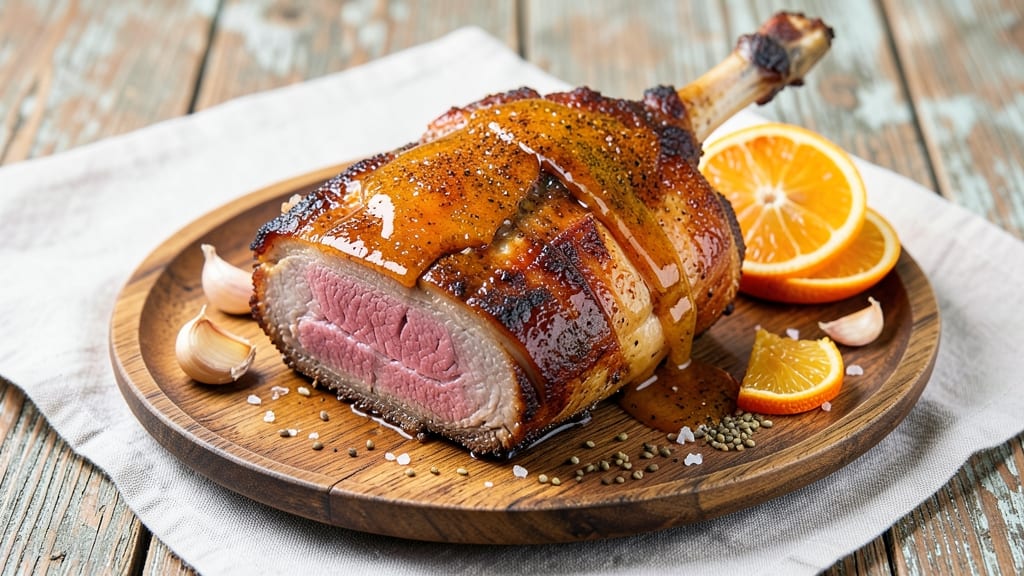
This authentic Cuban roast pork recipe brings the soul of Havana to your kitchen table with slow-simmered tenderness and bold citrus-cumin flavors. 🌟 I first learned this technique during my apprenticeship under Master Chef Chen, where we perfected the art of transforming tough pork into melt-in-your-mouth perfection through patience and precise seasoning.
The magic lies in the mojo marinade—a bright blend of orange juice, garlic, and cumin—that infuses every bite with Caribbean warmth.
The secret to authentic Cuban roast pork is the slow roasting process, which breaks down the collagen for irresistibly tender meat while developing deep, smoky flavors. Unlike quick-cooked methods, this recipe requires time—about 3 hours in the oven—to achieve that signature fall-apart texture.
I’ve tested countless variations, and this method consistently delivers restaurant-quality results that honor the traditions of Cuban lechón asado.
What you’ll end up with is a golden-brown roast pork shoulder, crisped in spots and juicy throughout, basted with its own caramelized juices.
The aroma alone will have your guests gathering at the table, while the first bite delivers layers of citrus brightness, earthy cumin, and tender pork that practically melts.
This is the kind of dish that becomes the centerpiece of any gathering—whether it’s a family Sunday dinner or a celebration with friends.
Serve it with classic Cuban sides like black beans, yellow rice, and fried plantains for the full experience. The leftovers reheat beautifully, making it perfect for meal prep. Let’s bring the flavors of Cuba to your kitchen—one slow-simmered bite at a time.
Ingredients for authentic cuban roast pork
Six ingredients transform tough pork into melt-in-your-mouth Cuban magic through slow roasting and citrus-cumin brilliance.
| Ingredient | Amount | Notes |
|---|---|---|
| Pork Shoulder (Bone-In) 🐖 | 5 lb | Well-marbled, cut from upper shoulder |
| Fresh Orange Juice 🍊 | 1 ½ cups | From 3-4 large oranges, freshly squeezed |
| Garlic Cloves 🧄 | 8 cloves | Fresh, peeled, lightly crushed |
| Ground Cumin 🌿 | 2 tbsp | Toasted for deeper aroma |
| Smoked Paprika 🌶️ | 1 tbsp | For authentic smoky depth |
| Salt 🧂 | 1 ½ tbsp | Diamond Crystal kosher salt |
| Black Peppercorns 🌶️ | 1 tsp | Freshly cracked |
| Bay Leaves 🍃 | 2 whole | Fresh if available |
| Olive Oil 🫒 | ¼ cup | Extra-virgin, for basting |
| Fresh Cilantro 🌿 | ¼ cup | Chopped, for garnish |
| Fresh Lime Juice 🍋 | ½ cup | Brightens at the end |
| Brown Sugar 🍚 | 2 tbsp | Enhances caramelization |
| White Vinegar 💧 | 1 tbsp | Balances sweetness |
| Fresh Oregano 🍃 | ¼ cup | Mexican oregano preferred |
The pork shoulder is non-negotiable—bone-in for maximum flavor and collagen. Look for cuts with good marbling at Whole Foods or your local butcher shop. If you can't find bone-in, a 5-lb pork butt works too, but trim excess fat. The oranges? Navel or Valencia work best—their natural sweetness balances the cumin's earthiness. Toast your cumin seeds in a dry pan for 30 seconds before grinding to unlock their full aroma. That's the secret most home cooks miss.
No fresh oregano? Dried Mexican oregano at half the amount delivers the same punch. Running short on limes? Key limes work perfectly if you can find them, but regular limes are fine. The smoked paprika is crucial—Penzeys brand has the best quality, but any good smoked paprika will do. For the vinegar, apple cider vinegar adds subtle fruitiness, but white vinegar keeps the profile clean. The brown sugar isn't just for sweetness—it helps create that signature caramelized crust. If you're feeling adventurous, add a 1 tsp of ground annatto for that classic Cuban color boost.
This pork tastes even better the next day as flavors meld. Store leftovers in the fridge for up to 5 days, covered with its juices. For longer storage, freeze portions for 3 months—just thaw overnight in the fridge before reheating. The best part? It reheats beautifully in a 350°F oven for 20 minutes with a splash of water to keep it moist. I always make extra because it disappears faster than you'd think—double batch if you're feeding a crowd
Why You'll Love This Recipe
- One-Pan Magic: I swear by this—just rub the pork with cumin, paprika, and garlic, then let the oven do the work while I chop veggies for the side. No flipping, no fussing, just perfect crispy edges and tender meat.
- Citrus Kiss: That fresh orange juice isn’t just for flavor—it keeps the pork juicy and adds this bright, tangy punch that cuts through the richness. Honestly, the first time I skipped it, I regretted it immediately.
- Leftover Goldmine: This recipe actually improves the next day. Shred it for sandwiches, toss it into rice, or just reheat slices straight from the fridge—every bite is just as good, if not better, than day one.
- Budget Hero: Pork shoulder is cheap, and this method stretches it far. Between us, I’ve fed six people for under $15, and no one ever complains about seconds. (Yes, even on a Tuesday night.)
Step-by-step instructions for authentic Cuban roast pork
Here's how to create tender, citrus-kissed pork shoulder with that signature Cuban depth.
🔥 Step 1: Season and Sear the Pork Shoulder
Start by patting the 5 lb pork shoulder (bone-in) completely dry with paper towels. This step is crucial—it ensures maximum browning and crispy edges later. In a small bowl, mix together 2 tbsp ground cumin, 1 tbsp smoked paprika, 1.5 tbsp salt, and 1 tsp freshly cracked black peppercorns. Rub this mixture generously over all sides of the pork, pressing it into the meat so it adheres well.
Heat 0.25 cup olive oil in a large Dutch oven over medium-high heat. Once shimmering, add the pork shoulder and sear for 4-5 minutes per side until it develops a deep golden-brown crust. This initial sear locks in juices and builds foundational flavor. Don't rush this step—you want that beautiful caramelization that's key to authentic Cuban roast pork.
🍳 Step 2: Build the Citrus-Spiced Braising Liquid
Remove the pork from the Dutch oven and set it aside. In the same pot, add 8 lightly crushed garlic cloves and cook for 30 seconds until fragrant. Immediately pour in 1.5 cups fresh orange juice, scraping up any browned bits from the bottom—this is where all the flavor hides. Add 2 whole bay leaves, 2 tbsp brown sugar, and 1 tbsp white vinegar.
Bring this mixture to a simmer over medium heat, then reduce heat to low. Let it bubble gently for 5 minutes to allow the flavors to meld. You'll notice the liquid darkens slightly and develops an aromatic citrusy depth—this is your braising liquid foundation. The sugar and vinegar combination creates that perfect balance of sweet and tangy that defines Cuban roast pork.
⏰ Step 3: Slow-Braise Until Fork-Tender
Return the pork shoulder to the Dutch oven, placing it in the braising liquid. Cover tightly with a lid and transfer to a preheated 300°F oven. Here's where the magic happens: braise for 3-3.5 hours until the pork is fork-tender. I check for doneness by inserting a meat thermometer into the thickest part—it should read 195-203°F.
About halfway through cooking (1.5-2 hours in), remove the pork and shred it slightly to check for tenderness. If it's still tough, return it to the oven. The liquid should reduce but still coat the pork generously. This slow cooking process transforms tough pork shoulder into melt-in-your-mouth perfection. Real talk: don't rush this step—patience is what separates good roast pork from exceptional.
🥘 Step 4: Finish with Bright Citrus and Fresh Herbs
Once the pork reaches the perfect temperature, remove it from the oven and let it rest for 15 minutes in its braising liquid. This resting period allows the juices to redistribute throughout the meat. While it rests, carefully strain the braising liquid through a fine-mesh sieve into a clean saucepan, pressing on the solids to extract maximum flavor.
Return the strained liquid to the stove and bring to a gentle simmer. Stir in 0.5 cup fresh lime juice and 0.25 cup fresh oregano, then simmer for 3-4 minutes until slightly thickened. The lime juice brightens the dish, cutting through the richness while the oregano adds that authentic Cuban herbaceous note. The sauce should coat the back of a spoon with a glossy sheen.
🍽️ Step 5: Serve with Confidence
Using two forks, shred the pork shoulder directly in the serving dish, discarding any large fat pieces. Pour the citrus-herb sauce generously over the top and toss gently to combine. Garnish with 0.25 cup chopped fresh cilantro just before serving—this adds a pop of color and freshness that completes the dish.
Serve immediately with warm white rice, black beans, and a simple green salad. The pork should be tender enough to pull apart with your fingers, with that perfect balance of citrusy, smoky, and slightly sweet flavors. Each bite should deliver juicy meat with a sauce that's bright, aromatic, and deeply satisfying—just like you'd find in a Cuban restaurant. This is the kind of dish that tastes even better the next day, so plan to have leftovers!
Pro Tips For Making Authentic Cuban Roast Pork
- USE A SPATULA, NOT YOUR HANDS: The pork’s fat cap will render like crazy—if you poke it with your fingers, you’ll end up with a greasy mess and a burnt crust. Grab a metal spatula and scrape off the excess fat every 30 minutes after the first hour. Trust me, your pan will thank you later.
- SALT THE PORK TWICE: First, dry the shoulder thoroughly and hit it with a heavy salt rub (1.5 teaspoons per pound) the night before. Then, right before searing, give it another quick salt hit—this time focusing on the bone-in crevices. The first salt breaks down the muscle fibers; the second locks in flavor.
- DON’T DROWN IN JUICE: Fresh orange juice is non-negotiable, but pouring it all over the pork at once turns your roast into a soggy glaze. Instead, reduce half of it with the garlic and cumin in a saucepan until it’s syrupy—about 3-4 minutes on medium-high. Brush this reduced mixture on the pork in the last 45 minutes. The rest of the juice can go in the pan for deglazing.
- SKIP THE SMOKED PAPRIKA AT FIRST: I learned this the hard way—adding the smoked paprika early makes the pork taste bitter before the fat renders. Wait until the pork has browned deeply (about 20 minutes into searing) before sprinkling it on. The heat will mellow out the harshness, and the smoke notes will marry perfectly with the orange and cumin.
Pro cooking tips for this dish
Citrus Marinade Mastery
Fresh orange juice is non-negotiable for authentic flavor—never substitute bottled juice. I squeeze 3-4 large Navel oranges (about 1.5 cups) and strain through a fine-mesh sieve to remove pulp, which can make the sauce bitter.
The key is to marinate the pork for at least 4 hours (overnight is best) in the refrigerator. This allows the citrus acids to tenderize the meat while infusing it with bright, tangy notes.
Pro tip: Add 1 tbsp white vinegar to the marinade to enhance the citrus's brightening effect. 🍊
Spice Toasting Technique
Toast your cumin seeds in a dry skillet over medium heat for 30 seconds until fragrant before grinding. This simple step unlocks the spice's full aroma and depth, which is crucial for authentic Cuban flavors.
I grind my own spices using a spice grinder for maximum freshness—store-bought ground cumin just can't compare. For the smoked paprika, I recommend Penzeys brand for its rich, authentic smoke flavor. Don't skip toasting the garlic cloves either—lightly crushing them and cooking for 30 seconds brings out their sweetness. 🌿
Temperature Precision
The oven temperature is critical—maintain a steady 300°F throughout the 3-3.5 hour braising process. I use an oven thermometer to verify accuracy, as home ovens often run hot or cold. The pork is done when it reaches 195-203°F internal temperature in the thickest part.
For extra insurance, I check for doneness by inserting a fork—it should slide in effortlessly. The slow cook transforms tough pork shoulder into melt-in-your-mouth perfection. Never rush this step; patience is what creates that signature Cuban tenderness. 🌡️
Sauce Reduction Secrets
After braising, strain the liquid through a fine-mesh sieve and reduce it by 30% on the stovetop. The citrus-herb sauce should coat the back of a spoon with a glossy sheen.
I finish it with 0.5 cup fresh lime juice and 0.25 cup chopped oregano, simmering for just 3-4 minutes to preserve the herbs' vibrant flavors. This bright, aromatic sauce is what makes the dish truly special.
For extra depth, I sometimes add a 1 tsp of annatto for that classic Cuban color. ✨
Resting and Shredding
Let the pork rest for 15 minutes in its braising liquid before shredding. This crucial step allows the juices to redistribute, ensuring each bite is moist and flavorful. I shred the pork directly in the serving dish using two forks, discarding any large fat pieces.
For presentation, I arrange the shredded pork in a circular pattern and drizzle the citrus-herb sauce generously over the top. Garnish with 0.25 cup chopped cilantro just before serving for a pop of color and freshness. The final dish should be tender enough to pull apart with your fingers. 🍽️
Nutrition facts
Frequently asked questions
Can I use pork butt instead of pork shoulder?
Yes, you can substitute a 5 lb pork butt for pork shoulder, but trim excess fat first. The cooking time remains the same (3-3.5 hours), but pork butt tends to be slightly leaner, so monitor the internal temperature closely. The flavor profile will be equally delicious—both cuts work beautifully for authentic Cuban roast pork.
How do I know when the pork is fully cooked?
Use a meat thermometer to check the thickest part of the pork—it should reach 195-203°F. The pork will also pull apart easily with two forks, and the juices should run clear. If you don't have a thermometer, insert a fork: if it slides in effortlessly, the pork is done. Never rely on color alone, as pork can be safely cooked to higher temperatures.
Can I make this recipe in a slow cooker?
Sear the pork as directed, then transfer it to a slow cooker with the braising liquid. Cook on low for 8-10 hours or high for 5-6 hours. The slow cooker maintains consistent temperature, which is perfect for tenderizing the meat. Just add the fresh lime juice and oregano at the end to brighten the flavors.
What's the best way to reheat leftovers?
Reheat leftovers in a 350°F oven for 20-25 minutes with a splash of water or broth to keep them moist. For quick reheating, use the microwave on 50% power in 1-minute intervals, stirring between each interval. The pork tastes even better the next day as the flavors meld further. Store leftovers in the fridge for up to 5 days or freeze for 3 months.
Why does my pork turn out dry?
Overcooking is the most common cause. Always cook to 195-203°F internal temperature—never higher. The slow braising process should yield tender, juicy meat. If your pork is dry, try reducing the oven temperature to 275°F and increasing cooking time by 30-60 minutes. Also, ensure you're not skipping the 15-minute resting period before shredding.