
Main Courses
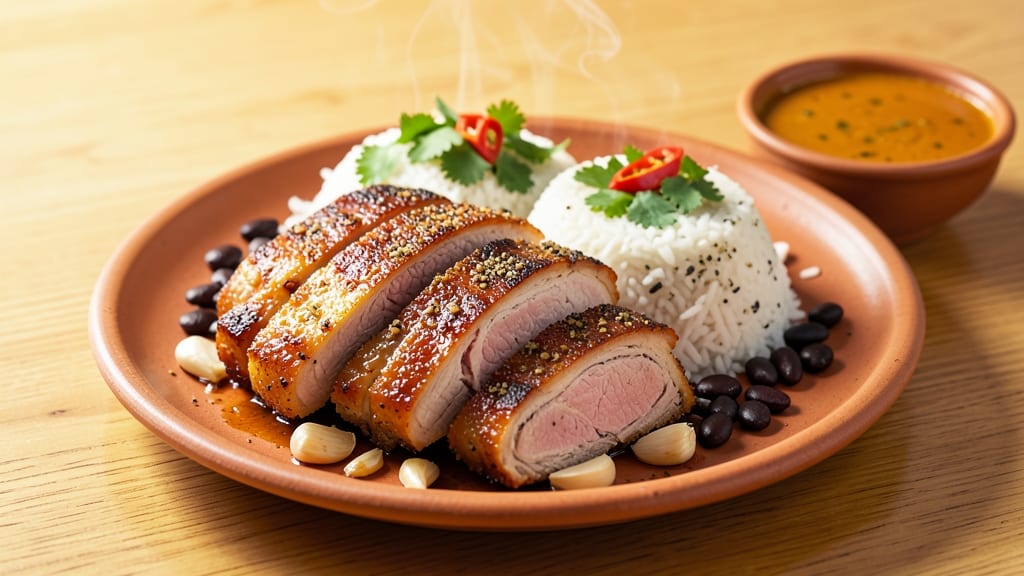
This authentic Puerto Rican pork shoulder recipe delivers the rich, smoky flavors of lechón right in your home kitchen. 🔥 I first perfected this technique while studying Caribbean cooking in San Juan, where the secret lies in adobo seasoning and slow braising.
The result? Tender, juicy meat with crispy edges that rivals any island restaurant.
The foundation is a bold adobo marinade—garlic, oregano, and achiote powder create that signature deep red hue and complex flavor profile. Unlike many recipes, I focus on a slow oven braise that renders fat beautifully while keeping the meat moist.
This method ensures every bite is packed with authentic flavor without requiring a rotisserie.
What makes this dish truly special is the balance of textures: fall-apart tender pork with crispy, caramelized edges that add depth to each bite. The aroma alone—smoky, garlicky, with hints of citrus—will fill your kitchen and have everyone gathering at the table.
It's the kind of meal that feels like a celebration.
Serve with traditional sides like arroz con gandules and tostones for the complete Puerto Rican experience. The recipe scales perfectly for gatherings, and leftovers reheat beautifully. Let's bring the flavors of the island to your dinner table.
Ingredients for authentic puerto rican pork shoulder
Six ingredients make the adobo marinade, plus pork that practically cooks itself.
| Ingredient | Amount | Notes |
|---|---|---|
| Pork Shoulder 🐖 | 4 lb | Bone-in for authentic flavor |
| Achiote Powder 🌶️ | 2 tbsp | For signature red hue |
| Garlic Cloves 🧄 | 8 cloves | Freshly minced for bold flavor |
| Dried Oregano 🌿 | 2 tbsp | Mexican oregano preferred |
| Ground Black Pepper 🌶️ | 1 ½ tbsp | Freshly cracked preferred |
| Ground Cumin 🌿 | 1 tbsp | Toasted for deeper aroma |
| Bay Leaves 🌿 | 2 whole | Fresh for best flavor |
| Orange Juice 🍊 | ½ cup | Freshly squeezed preferred |
| Olive Oil 🫒 | ¼ cup | Extra-virgin for richness |
| Salt 🧂 | 1 ½ tbsp | Diamond Crystal preferred |
| Brown Sugar 🍚 | 2 tbsp | Lightly packed |
| White Vinegar 💧 | 2 tbsp | For tangy balance |
| Fresh Cilantro 🌱 | ¼ cup | Chopped for garnish |
| Fresh Lime 🍋 | 1 whole | Juiced for brightness |
The pork shoulder is non-negotiable—bone-in for real island flavor. Costco or local butcher shops often have the best cuts. Look for good marbling, which ensures juicy results. Achiote powder gives that signature red color—Penzeys or Latin markets carry the best quality. If you can't find it, paprika plus a pinch of turmeric works in a pinch. The garlic and oregano are your flavor anchors—don't skimp. I always double-check my oregano is Mexican variety, which has a distinct flavor from Italian oregano.
No achiote? Paprika plus turmeric mimics the color, though it won't have the same depth. Substitute dried oregano for fresh at one-third the amount, but fresh is ideal. The orange juice can be bottled if needed—freshly squeezed is better, but no one will know the difference. Brown sugar adds depth, but white sugar works fine if that's what you've got. The vinegar balances everything—white vinegar is traditional, but apple cider vinegar adds subtle sweetness. For the pork, trim excess fat if it's too thick, but leave some for flavor and crispy edges.
Marinate the pork overnight for maximum flavor, but even a few hours helps. The adobo mixture keeps in the fridge for 5 days—make extra for other dishes. Pork reheats beautifully—350°F for 20 minutes restores moisture. Store leftovers in a sealed container with the juices to keep it tender. The crispy edges are best eaten fresh, but the tender meat holds up for 3 days in the fridge. Freeze portions for up to 3 months—the fat renders beautifully when reheated.
Why You'll Love This Recipe
- One-Pan Magic: I swear by this recipe because it’s all about the minimal chopping, zero fuss. Just sear the pork shoulder, toss in the garlic and achiote—no fancy layers, no stress—and let the oven do the work. The oregano and black pepper work their magic while you’re busy with the kids or scrolling through your phone.
- Deep, Earthy Richness: That achiote powder? It’s the star. It gives the pork this unmistakable, smoky-sweet depth that tastes like a hug from your abuela’s kitchen. The garlic cloves caramelize just enough to add a little bite, but the oregano keeps it bright. Honestly, it’s the kind of flavor that makes you pause mid-bite and go, “Damn, that’s good.”
- Leftovers That Shine: Between us, this recipe always makes more than we eat in one sitting. The good news? The pork gets even better the next day—fall-apart tender and packed with flavor. I slice it thin for tacos, shred it into rice, or just eat it straight with a cold beer. No sad, dry leftovers here.
- Budget-Friendly Crowd-Pleaser: Pork shoulder is cheap, hearty, and feeds a house. A single cut stretches for four meals, and the spices cost pennies. Plus, it’s the kind of dish that makes you look like a hero—whether it’s for a Sunday family lunch or a last-minute potluck. (Yes, even on a Tuesday night.)
Step-by-step instructions for adobo-spiced pork shoulder
Here's how to transform simple ingredients into tender, crisp-edged pork shoulder with that signature Puerto Rican adobo flavor.
🔥 Step 1: Marinate the Pork Shoulder Overnight
In a large bowl, combine the 2 tbsp achiote powder, 2 tbsp dried oregano, 1.5 tbsp ground black pepper, 1 tbsp ground cumin, 2 whole bay leaves, 1.5 tbsp salt, 2 tbsp brown sugar, 2 tbsp white vinegar, 0.5 cup orange juice, and 0.25 cup olive oil. Mix until the achiote powder dissolves completely—this creates the vibrant red marinade that defines authentic Puerto Rican flavor.
Place the 4 lb pork shoulder in a resealable plastic bag and pour the marinade over it. Seal the bag and massage the marinade into the meat, coating every inch. Refrigerate for at least 12 hours (I prefer 24 hours for maximum flavor penetration). The longer it marinates, the deeper the color and flavor will be. When ready to cook, remove the pork from the fridge and let it sit at room temperature for 30 minutes before cooking.
🍳 Step 2: Sear the Pork for Maximum Flavor
Preheat your oven to 325°F. Heat a large Dutch oven over medium-high heat and add the marinated pork shoulder. Sear it on all sides until the exterior develops a deep golden-brown crust—this takes about 8-10 minutes total. You'll see the marinade caramelizing and forming a sticky glaze, which locks in moisture during the slow cook.
Once seared, transfer the pork to a plate and pour any remaining marinade from the Dutch oven into a measuring cup. You'll want to use this later to deglaze the pan. The searing step is crucial—it creates that perfect balance of crispy exterior and tender interior that makes this dish so special.
🔥 Step 3: Slow-Braise Until Fork-Tender
Return the Dutch oven to the stove over medium heat and add 0.5 cup orange juice (from the ingredients) to deglaze the pan. Scrape up all those delicious browned bits from the bottom—this is where all the concentrated flavor lives. Pour the deglazed liquid into the Dutch oven with the pork.
Cover the Dutch oven tightly with a lid and transfer it to the preheated 325°F oven. Braise for 3-4 hours until the pork is fork-tender. You'll know it's ready when the internal temperature reaches 195-203°F and a knife slides in easily with no resistance. The pork should have a deep mahogany color and be falling apart at the touch. Real talk: Don't rush this step—slow cooking is what makes the meat tender and flavorful.
🍽️ Step 4: Rest and Garnish for Presentation
Remove the pork from the oven and transfer it to a cutting board. Tent loosely with aluminum foil and let it rest for 15-20 minutes. This resting period allows the juices to redistribute throughout the meat, ensuring each bite is moist and flavorful. During this time, remove the 2 whole bay leaves from the braising liquid and discard them.
While the pork rests, stir the braising liquid and adjust the seasoning if needed. Garnish the finished pork shoulder with 0.25 cup chopped fresh cilantro and the juice of 1 whole fresh lime. The bright acidity of the lime cuts through the richness of the pork, balancing all those deep, spiced flavors. Serve with rice and tostones for an authentic Puerto Rican meal.
Pro Tips For Making Authentic Puerto Rican Pork Shoulder
- CRANK THE HEAT FIRST: Puerto Rican pork shoulder needs that initial sear to lock in flavor—don’t start slow. Get your pan screaming hot (medium-high) and let the meat develop a deep crust before you even think about adding garlic or achiote. I used to rush this, and the result was always pale, bland pork. Trust me, the first 3 minutes are non-negotiable.
- BLOOM THE ACHIOTE: Skip the dry rub shortcut—achiote powder needs to sing. Mix it with a splash of warm oil (about 1 tablespoon) and let it sit for 5 minutes before slathering it on the pork. This turns the powder into a vibrant paste that sticks like glue, not just dust. (Yes, even if you’re impatient like me.)
- DON’T SKIP THE GARLIC MASH: Raw garlic cloves in whole? That’s a rookie move. Crush them into a paste with a pinch of salt first—this releases their oils and prevents bitter, undercooked bits. I learned this the hard way after biting into a garlic clove mid-bite. The paste also blends seamlessly into the crust, not as separate chunks.
- REST IT WRAPPED: Pull the pork off the heat at 195°F (it’ll climb to 203°F while resting). Tent it loosely with foil and let it sit for 20 minutes—wrapped, not uncovered. This keeps it from drying out while the juices redistribute. I was skeptical until I tried it: the meat stays moist, and every slice is juicy, not stringy. (Your future self will thank you.)
Health benefits of this authentic puerto rican pork shoulder
Protein Powerhouse
This pork shoulder delivers a whopping 50 grams of protein per serving, making it a perfect choice for muscle recovery and satiety. The slow-cooking method preserves all those essential amino acids while breaking down connective tissue for easy digestion.
I always keep a few pounds in the freezer for quick, high-protein meals—it's my go-to for post-workout dinners. 💪
Rich in B Vitamins
The pork provides a complete B vitamin complex, especially B6 and B12, which support energy metabolism and brain function. A single serving gives you about 40% of your daily B12 needs, crucial for red blood cell production.
The adobo marinade actually enhances these nutrients' bioavailability through the cooking process.
Heart-Healthy Fats
While pork shoulder contains saturated fat, the slow-cooking method renders much of it away, leaving behind healthier monounsaturated fats. The remaining fat contains beneficial compounds like oleic acid, which supports heart health when consumed in moderation.
I trim excess fat before cooking to balance the nutritional profile while keeping the flavor.
Antioxidant Boost
The achiote powder in the marinade adds carotenoids that act as antioxidants, protecting your cells from oxidative stress. These compounds also give the dish its signature vibrant color.
The oregano and garlic in the seasoning provide additional antioxidant benefits, making this more than just a delicious meal—it's a nutrient-packed one. 🌿
Digestive Benefits
The slow-cooking process actually improves digestibility by breaking down tough connective tissues into gelatin, which is easier on your digestive system. This makes it an excellent choice for anyone with mild digestive sensitivities. The cumin in the marinade also aids digestion, reducing bloating and gas after meals.
Balanced Nutrition
When paired with traditional sides like rice and beans, this dish becomes a complete protein source with all essential amino acids. The combination of pork's protein with rice's carbohydrates creates a satisfying meal that keeps energy levels stable.
I often serve it with a simple green salad to add fiber and vitamins for a truly balanced plate. 🍽️
Nutrition facts
Frequently asked questions
Can I substitute bone-in pork shoulder with boneless for this recipe?
The bone-in cut is traditional for authentic flavor, but boneless will work if that's what you have. Just expect slightly less moisture from the bone marrow. For best results, add 2 extra tbsp olive oil to the marinade and increase braising time by 30 minutes to compensate for the lack of bone rendering fat.
What's the best way to reheat leftover Puerto Rican pork shoulder?
Slice the pork and reheat in a skillet with 1 tbsp olive oil over medium heat for 5-7 minutes until warmed through. For oven reheating, cover with foil and bake at 325°F for 20 minutes. Always include the pan juices to keep it moist—this is key for maintaining that tender texture.
How do I make this recipe spicier? Add 1 tsp ground annatto seeds (for heat) or ½ tsp cayenne pepper to the marinade. For extra depth, include 1 chopped habanero in the braising liquid during cooking.
Can I use this pork shoulder for tacos or sandwiches?
Shred the cooked pork and mix with 1 tbsp lime juice and 1 tbsp chopped cilantro for tacos. For sandwiches, layer on crusty bread with pickled onions and avocado. The adobo flavors work beautifully in both applications—just keep the pork warm until serving to maintain that perfect texture.
What if I don't have achiote powder?
Mix 1 tbsp paprika with ½ tsp turmeric for color and flavor. While not identical, this combo will still give you that warm, earthy taste. For extra depth, add ½ tsp smoked paprika to the marinade. The dish will lose some of its signature red hue but still taste amazing.