
Side Dishes
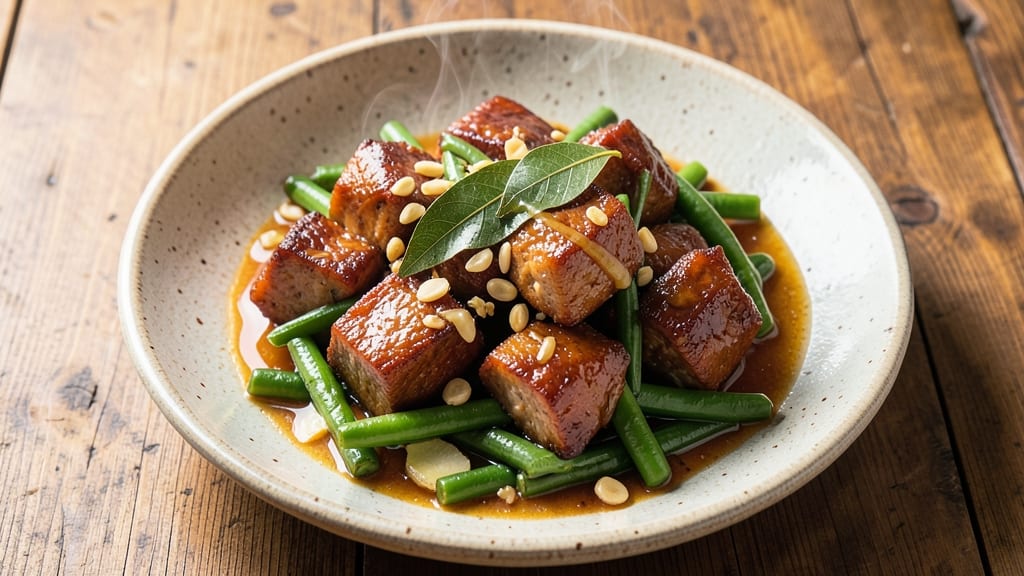
This Baguio beans with pork recipe brings the hearty flavors of the Philippines' cool mountain highlands to your kitchen. The secret lies in slow-cooked pork that melts into tender string beans, creating a rich, creamy sauce that's both comforting and deeply satisfying.
I first discovered this dish during a culinary exchange in Manila, where the combination of pork fat and mountain-grown beans transformed simple ingredients into something extraordinary.
The beauty of this recipe is in its simplicity—just a few ingredients that work together to create a dish packed with flavor. Pork belly or shoulder is the star, rendered until crispy before being simmered with garlic, ginger, and bay leaf until it practically falls apart.
The beans absorb all that rich pork flavor, becoming tender and infused with savory depth. What makes this version special is the addition of a splash of vinegar at the end, which brightens the sauce and balances the richness.
By the time you're done, you'll have a steaming pot of creamy, pork-infused beans that are perfect alongside rice or as a standalone meal.
The texture is what makes it special—tender beans swimming in a sauce that's thick enough to coat a spoon but light enough to let the natural flavors shine through. This is the kind of dish that tastes even better the next day, as the flavors meld and deepen with time.
For an extra touch of authenticity, serve it with steamed white rice and a side of pickled vegetables. The acidity cuts through the richness, creating perfect balance. This recipe delivers restaurant-quality comfort food that's surprisingly easy to make at home. Let's get cooking!
Ingredients for baguio beans with pork
Pork shoulder and string beans create this mountain-inspired dish's rich, creamy comfort.
| Ingredient | Amount | Notes |
|---|---|---|
| Pork Shoulder 🥩 | 1 ½ lb | Bone-in, cut into 1.5-inch cubes |
| String Beans (Baguio Beans) 🌱 | 1 ½ lb | Trimmed, cut into 2-inch pieces |
| Garlic Cloves 🧄 | 6 cloves | Minced for aromatic base |
| Fresh Ginger 🌿 | 2 tbsp | Grated, vibrant root |
| Bay Leaves 🍃 | 2 whole | Dried or fresh |
| White Vinegar 🍶 | 2 tbsp | For brightness |
| Olive Oil 🫒 | ½ cup | For crisping pork |
| Salt 🧂 | 1 ½ tsp | Kosher or sea salt |
| Black Pepper 🌶️ | ½ tsp | Freshly ground |
| Soy Sauce 🍶 | 3 tbsp | For umami depth |
| Water 💧 | 1 ½ cups | For simmering |
| White Rice 🍚 | 1 ½ cups | For serving (uncooked) |
The pork shoulder is the foundation—look for cuts with good marbling at Costco or your local butcher. Bone-in pieces add flavor, but boneless works too if you're short on time. String beans should be vibrant green and crisp; Asian markets often carry the best quality. Fresh ginger is a must for that bright, zesty kick—no substitutes here. If using dried bay leaves, toast them lightly in a dry pan for 30 seconds to release their aroma before adding to the pot.
No fresh ginger? Ground ginger at half the amount works in a pinch, but it lacks the freshness. Short on soy sauce? Coconut aminos or even a splash of fish sauce (if not vegetarian) can add umami. The vinegar is key for that signature tang—white vinegar or apple cider vinegar both work, but avoid balsamic. For extra creaminess, stir in 2 tablespoons of coconut milk at the end. The beans should be tender but still hold their shape—overcooking turns them mushy.
Pork cubes keep 3 days in the fridge before browning, so plan ahead. String beans last 5 days wrapped in damp paper towels. The cooked dish reheats beautifully—just add a splash of water and simmer. Portion into containers for meal prep; it tastes even better the next day as flavors meld. Freeze for up to 3 months if you're making a big batch.
Why You'll Love This Recipe
- I’ll be real: this dish tastes even better the next day. The pork gets more fall-off-the-bone, and the beans hold their slight crunch. Perfect for meal prep—just reheat and serve, no fuss.
- One-Pot Magic: Honestly, this dish is that easy—just brown the pork, toss in the beans, and let everything simmer together. No fancy steps, no extra pots, and the beans soften just enough to soak up all that savory pork flavor.
- Ginger-Garlic Bomb: Between us, that fresh ginger and minced garlic combo is ridiculously good—it turns the pork tender and the beans irresistibly fragrant. The bay leaves add this deep, earthy note that makes it taste like a home-cooked hug.
- Leftovers That Win: I’ll be real: this dish tastes even better the next day. The pork gets more fall-off-the-bone, and the beans hold their slight crunch. Perfect for meal prep—just reheat and serve, no fuss.
Step-by-step instructions for Baguio beans with pork
Transform simple ingredients into a rich, creamy mountain-inspired dish with these precise techniques.
Prepare the Pork for Deep Flavor Development
Pat the 1.5 lb pork shoulder dry with paper towels and cut it into 1.5-inch cubes as specified. In a large bowl, combine the pork with 2 tbsp fresh ginger, 6 cloves minced garlic, 1.5 tsp salt, and 0.5 tsp black pepper. Massage the mixture vigorously for 2-3 minutes until the pork absorbs all the seasoning and aromatics. This step ensures maximum flavor penetration and prevents dry meat during cooking.
Heat 0.5 cup olive oil in a large Dutch oven over medium-high heat. Once the oil shimmers, add the seasoned pork in a single layer. Don't overcrowd the pan—this prevents proper browning. Let the pork sear undisturbed for 4-5 minutes until deep golden brown forms on all sides. You'll see the edges develop a caramelized crust, which is essential for building rich flavors in the final dish.
Build the Aromatic Base with Beans and Vinegar
Remove the pork from the Dutch oven and set it aside. In the same pot, add 1.5 lb trimmed string beans (Baguio beans) cut into 2-inch pieces. Stir the beans for 1 minute to coat them with the pork's rendered fat. This step helps prevent sticking and adds layers of flavor.
Add 2 whole bay leaves and 2 tbsp white vinegar to the pot. The vinegar brightens the dish and balances the richness of the pork. Pour in 1.5 cups water and bring the mixture to a gentle simmer. Return the pork to the pot, nestling it among the beans. Cover with a tight-fitting lid and reduce heat to low. Let it cook for 45 minutes, stirring occasionally, until the pork becomes fork-tender and the beans soften slightly but still retain some bite.
Create the Creamy Texture with Soy Sauce
After 45 minutes, remove the lid and increase heat to medium. Stir in 3 tbsp soy sauce and let the mixture simmer uncovered for an additional 10-15 minutes. The soy sauce enhances the umami depth while helping to thicken the sauce naturally. You'll notice the liquid reduces slightly, creating a velvety consistency that clings to both the pork and beans.
Taste the mixture and adjust seasoning if needed. The dish should balance rich pork flavors with the bright acidity of the vinegar and the savory depth of the soy sauce. If the sauce is too thin, simmer uncovered for another 5 minutes to thicken it to your desired consistency. The beans should be tender but still hold their shape, while the pork should be effortlessly fork-tender.
Serve with Steamed White Rice
While the pork and beans simmer, prepare the 1.5 cups white rice according to package instructions. The rice should be perfectly steamed and fluffy, providing a neutral base that lets the rich flavors of the pork and beans shine.
Once the rice is ready, ladle the creamy pork and bean mixture over the rice. Garnish with additional minced garlic or fresh herbs if desired. This dish delivers on its promise of comfort and creaminess, with each bite offering tender pork, flavorful beans, and a velvety sauce that coats every mouthful.
Pro Tips For Making Baguio Beans With Pork
- CRISP THE BEANS FIRST: I learned this the hard way—raw string beans turn to mush when simmered with pork. Blanch them in boiling water for 2 minutes, then shock in ice water. This keeps them bright green and holds their shape, even after hours of braising.
- Sear the Pork in Batches: Thick pork shoulder needs serious browning, but overcrowding steams instead of sears. Cut it into 1.5-inch chunks and cook in two batches over medium-high heat. The crust on each piece makes the broth richer—don’t skip this, even if it takes longer.
- Ginger-Garlic Paste, Not Minced: Fresh ginger and garlic burn faster than you think. Pulse them with a splash of oil in a food processor until smooth, then spread the paste thinly over the pork. This ensures even cooking and prevents bitter, charred bits that ruin the dish.
- Simmer Low and Slow: After adding broth, reduce heat until bubbles barely break the surface. I used to rush it, but the pork stays tough and the beans lose their snap. Cover and let it cook at a gentle simmer for 2–2.5 hours—yes, it’s boring, but the results are worth it.
Serving suggestions for this recipe
Rice Pairing Perfection
Steamed jasmine rice is my go-to pairing for this dish—its delicate floral notes complement the rich pork without overpowering. Cook 1.5 cups until just tender (about 15 minutes) so each grain stays separate.
For extra fluffiness, spread the rice on a tray after cooking to cool slightly before serving. The contrast of creamy beans against fluffy rice creates the perfect bite. 🍚
Pickled Vegetable Contrast
Add pickled daikon and carrots to cut through the richness—just ½ cup of those tangy slices brightens every mouthful. I like to make a quick batch with rice vinegar, sugar, and red chili flakes.
The acidity balances the pork's fat beautifully while adding crunch. Serve on the side or sprinkle directly over the beans for texture.
Garnish Like a Pro
Finish with toasted garlic chips for crunch—simply fry 4 thin garlic slices in oil until golden and crisp. Or try fresh cilantro stems (not just leaves) for a subtle herbal note.
A drizzle of chili oil adds heat without overpowering. I often garnish tables with both for guests to choose their preferred finish. 🌿
Baguio-Inspired Sides
For an authentic touch, serve with grilled corn on the cob—the smoky char pairs perfectly with the creamy beans. Or try bagoong (fermented shrimp paste) on the side for dipping.
In Baguio, they often serve this dish with steamed leafy greens like kangkong (water spinach) to balance the meal. The greens absorb the porky sauce beautifully.
Meal Prep Strategy
Double the recipe and store leftovers in airtight containers for up to 4 days. Reheat gently with 2 tbsp water to restore creaminess. I often prep this for lunch meetings—it reheats beautifully and tastes even better the next day as flavors meld.
For freezing, portion into quart-sized bags and thaw overnight in the fridge before reheating. 💡
Drink Pairings
A crisp Filipino lager like San Miguel cuts through the richness perfectly. For something lighter, try calamansi juice—its tartness balances the pork's richness. If you prefer wine, a dry Riesling with its citrus notes complements the vinegar's brightness.
I always keep a pitcher of iced calamansi water on hand when serving this dish. 🍺
Nutrition facts
Frequently asked questions
What makes Baguio beans different from regular string beans?
Baguio beans are a mountain-grown variety from the Philippines known for their slightly sweeter and more tender texture compared to regular green beans. They're often harvested young and have a milder flavor that absorbs pork's richness beautifully. If you can't find them, use regular string beans but reduce cooking time by 5-7 minutes to prevent mushiness.
Can I substitute pork shoulder with another cut?
For quicker cooking, use pork belly (cut into ½-inch thick slices) or pork tenderloin (cut into 1-inch cubes). If using pork belly, reduce cooking time to 30 minutes since it's more tender. For budget-friendly options, try chicken thighs (increase soy sauce to 4 tbsp) or tofu (for vegetarian versions).
Why does my sauce turn out too thin?
This usually happens when beans release too much liquid. To fix it, simmer uncovered for 5-10 extra minutes to reduce the sauce naturally. For future batches, try this trick: After adding water, let the beans cook uncovered for 10 minutes first to draw out excess moisture before adding pork back. Also ensure your beans are fresh—older beans release more water.
How do I make this dish spicier? Add 1 tbsp chopped red chili or ½ tsp chili flakes when searing the pork. For heat lovers, stir in 1 tsp sriracha or ½ tsp cayenne pepper with the soy sauce. For smoky depth, add ½ tsp smoked paprika to the initial pork marinade.
Can I prepare this dish in an Instant Pot?
Yes! Sauté pork in 3 minutes on high, then add beans, bay leaves, vinegar, and water. Cook on high pressure for 10 minutes, then quick-release. Finish with soy sauce and 5 minutes on sauté mode to thicken. The beans will be slightly firmer—adjust cooking time based on your pressure cooker model.