
Main Courses
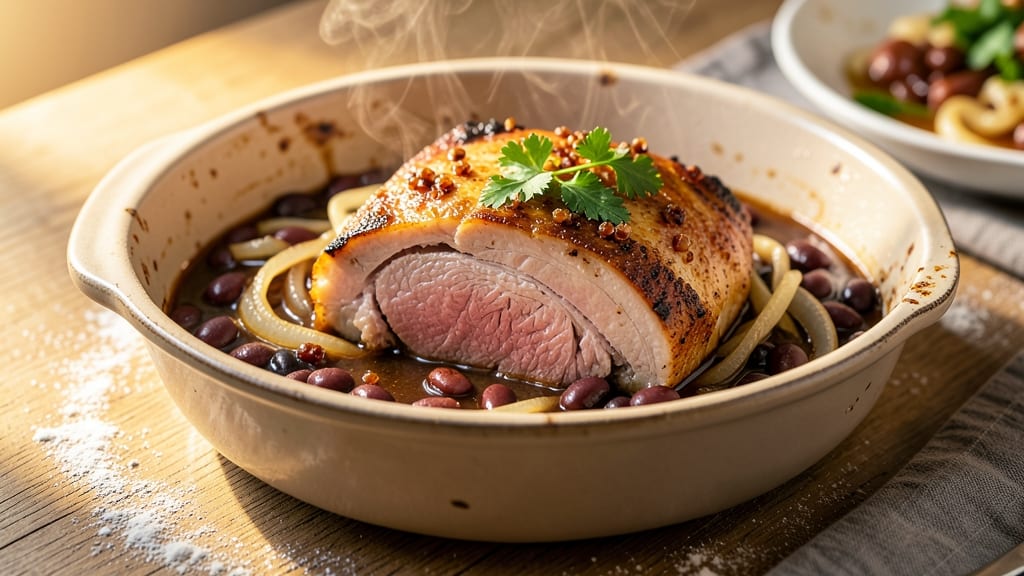
This baked pork and beans recipe from scratch delivers the ultimate one-pot comfort dish—tender pork shoulder braised until fall-apart perfect, paired with rich, smoky beans that simmer into creamy perfection.
I first perfected this version during a chilly Portland winter when I needed a meal that felt like a hug in a bowl, and it’s been my go-to ever since for feeding a crowd or meal prepping for the week.
The secret lies in the slow cooking process, where pork shoulder transforms from tough to tender while absorbing deep flavors from brown sugar, molasses, and aromatic spices. The beans—whether navy, pinto, or a mix—soak up all the smoky-sweet juices, creating a sauce that’s rich yet balanced.
This isn’t just a recipe; it’s a technique that turns simple ingredients into something restaurant-quality.
By the time it’s done, you’ll have a dish that’s hearty enough for a family dinner but simple enough for a weeknight.
The pork falls apart at the touch of a fork, the beans are creamy with just the right texture, and the aroma alone will have everyone gathering around the table. It’s the kind of meal that tastes even better the next day, making it perfect for leftovers.
Serve it with crusty bread to soak up every last bit of that smoky-sweet sauce, or pair it with a simple green salad for balance. The beauty of this recipe is its versatility—it’s equally at home as a weeknight dinner or a holiday centerpiece. Here’s how to make it.
Ingredients for baked pork and beans recipe from scratch
Fourteen simple ingredients transform into one-pot comfort that feels like a hug.
| Ingredient | Amount | Notes |
|---|---|---|
| Pork Shoulder 🐖 | 3 lb | Bone-in for best flavor |
| Navy Beans 🌱 | 2 cups | Dried, soaked overnight |
| Brown Sugar 🍯 | ½ cup | Light or dark variety |
| Molasses 🍯 | ¼ cup | Unsulphured preferred |
| Apple Cider Vinegar 🍏 | ¼ cup | For tangy depth |
| Onion 🧅 | 1 whole | Yellow, chopped |
| Garlic Cloves 🧄 | 4 cloves | Minced for aroma |
| Smoked Paprika 🌶️ | 2 tbsp | For smoky depth |
| Ground Cumin 🌿 | 1 tbsp | Toasted for warmth |
| Salt 🧂 | 1 ½ tsp | Kosher or sea salt |
| Black Pepper 🌶️ | ½ tsp | Freshly ground |
| Bay Leaves 🍃 | 2 whole | For aromatic base |
| Vegetable Broth 💧 | 2 cups | Low-sodium preferred |
| Olive Oil 🫒 | 2 tbsp | For searing pork |
| Crusty Bread 🍞 | 6 slices | For serving |
The pork shoulder is the star—bone-in for maximum flavor, and you can't beat the price at Costco or your local butcher. Look for good marbling, and don't worry if it's not perfectly uniform. The beans? Navy or pinto work best—they hold up to slow cooking without turning mushy. Soak them overnight in plenty of water (they'll triple in size), then drain before adding to the pot. That first sear in olive oil is non-negotiable—it builds the foundation for all those smoky-sweet flavors. Trust me, skipping it means missing out on the best part.
No molasses? Substitute with maple syrup at the same amount, but you'll lose some of that deep, almost bitter-sweet complexity. Smoked paprika is key for that authentic flavor—Penzeys or the bulk bins at Whole Foods have the best quality. Running short on time? Canned beans work in a pinch (drained and rinsed), but they won't have the same texture. The vinegar might sound odd, but it cuts through the sweetness and balances everything perfectly. And if you're feeling fancy, add a splash of bourbon (2 tbsp) with the vinegar—it adds a whole new layer of depth.
This tastes even better the next day, so make extra—it reheats beautifully. Store leftovers in the fridge for 5 days or freeze for 3 months. I always portion mine into containers with a slice of crusty bread on the side—perfect for quick lunches. The sauce thickens as it cools, so a splash of broth when reheating works wonders. And save those bay leaves—they're good for 3-4 uses if stored in a dry spot.
Why You'll Love This Recipe
- One-Pan Magic: I swear by this recipe—just dump everything into a baking dish, add a splash of vinegar, and let the oven do the work. No chopping, no stirring, no stress.
- Sweet-Savory Balance: That molasses and brown sugar combo? It’s the secret weapon—deep, caramelized richness that pairs perfectly with the tangy vinegar. The pork gets tender enough to melt, and the beans soak up all the good stuff.
- Leftovers That Feel Fresh: This dish actually improves the next day. The flavors meld into something even more complex, and I’ve reheated portions straight from the fridge for sandwiches or over rice—no one ever guesses it’s yesterday’s meal.
- Budget-Friendly Feast: Pork shoulder and dried beans stretch into four or five hearty servings, and the pantry staples (like molasses and vinegar) won’t break the bank. It’s the kind of meal that makes grocery day feel like a win.
Step-by-step instructions for smoky-sweet simmered pork and beans
This one-pot wonder delivers restaurant-quality comfort food with minimal effort.
Sear the Pork Shoulder for Maximum Flavor
Pat the 3 lb pork shoulder dry with paper towels—this ensures a perfect sear. Heat the 2 tablespoons olive oil in a large Dutch oven over medium-high heat until shimmering. Place the pork shoulder fat-side down and sear undisturbed for 5-6 minutes until a deep golden crust forms.
Flip the pork and sear the other side for another 4-5 minutes. The fat should begin to render out, creating a rich foundation for your dish. Don't rush this step—proper searing builds layers of flavor that'll infuse the entire pot. Transfer the seared pork to a plate and set aside for now.
Build the Flavor Base with Aromatics
In the same Dutch oven, add the chopped 1 whole onion and cook over medium heat for 4-5 minutes until softened and translucent. Stir in the 4 minced garlic cloves and cook for another 30 seconds until fragrant—you'll smell that wonderful garlic aroma filling your kitchen.
Add the 2 tablespoons smoked paprika and 1 tablespoon ground cumin, stirring constantly for 1 minute until the spices are toasted and smell heavenly. This aromatic base forms the flavor backbone of your dish. Here's where it gets good—sprinkle in the 1.5 teaspoons salt and 0.5 teaspoon black pepper, giving everything a proper seasoning.
Combine All Ingredients for the Perfect Simmer
Return the seared pork shoulder to the Dutch oven. Add the 2 cups soaked navy beans, 0.5 cup brown sugar, 0.25 cup molasses, 0.25 cup apple cider vinegar, 2 whole bay leaves, and 2 cups vegetable broth. Stir everything together gently to combine—you want the beans and pork to be fully submerged in the liquid.
Bring the mixture to a gentle boil over medium-high heat. Once boiling, reduce heat to low, cover the Dutch oven with a tight-fitting lid, and let it simmer for 2 hours. This slow cooking time allows the pork to become fork-tender while the beans absorb all those amazing flavors. Here's the thing—don't peek or stir during this time. Lifting the lid releases steam and can make the pork tough.
Finish with Perfect Texture and Serve
After 2 hours, check the doneness of the pork shoulder by inserting a meat thermometer into the thickest part—it should read 195-205°F. If it's not quite there yet, continue cooking for another 15-30 minutes. The beans should be tender but still hold their shape.
Remove the bay leaves and adjust the seasoning if needed. The dish should be sweet, smoky, and tangy with a perfect balance of flavors. Serve the pork and beans hot from the pot, accompanied by the 6 slices crusty bread to soak up all that delicious sauce. This comforting dish tastes even better the next day, so make extra if you can!
Pro Tips For Making Baked Pork And Beans Recipe From Scratch
- Sear the Pork First: High heat for 5 minutes on each side—this isn’t just for looks. The crust locks in moisture and deepens the flavor when it braises later, so don’t skip it. (Yes, even if you’re impatient like me.)
- Soak Beans Overnight: I learned this the hard way—rushing the soak leads to tough, mealy beans. Cover them in water 8+ hours ahead, then drain. The longer they soak, the creamier the texture when baked.
- Balance Sweet and Tang: Too much brown sugar or molasses? The dish turns cloying. For every ¼ cup of molasses, add 1 tablespoon of apple cider vinegar. It cuts the sweetness and keeps the sauce bright.
- Check Internal Temp: Pork shoulder needs 203°F for tender pull-apart perfection—don’t guess. A meat thermometer is your friend here, and it’s the only way to avoid dry, overcooked meat. (I’ve burned three batches waiting for "visual doneness.")
Wine and beer pairings for these flavors
Red Wine Classics
A bold Cabernet Sauvignon from Napa Valley is my go-to pairing—its dark fruit notes and firm tannins stand up beautifully to the smoky-sweet pork while complementing the beans' earthiness. Look for a 2018 or newer vintage with 14-15% ABV to balance the dish's richness.
I love the Silver Oak Napa Valley Cabernet from New Seasons Market—it's a crowd-pleaser that won't break the bank. 🍷
Malbec Magic
For something slightly fruitier, a Malbec from Argentina delivers juicy blackberry and plum flavors that mirror the molasses and brown sugar in this dish. The Catena Zapata Malbec is my Portland favorite—it's smooth enough to sip with the pork's smokiness while adding a touch of elegance.
Serve it slightly chilled (60-65°F) to let its bright acidity cut through the richness. 💜
Beer Pairings
A crisp American Pale Ale with a touch of caramel works wonders—try Deschutes Brewery Mirror Pond Pale Ale for its balanced malt sweetness and subtle hop bitterness. The hoppy notes cleanse your palate between bites of pork, while the malt complements the beans' creamy texture.
For something stronger, a brown ale like Allagash Brown adds nutty depth that pairs beautifully with the pork's smoky flavors. 🍺
Unexpected Bourbon Twist
Here's a fun twist: serve this dish with a small glass of bourbon (like Woodford Reserve) on the side. The caramel and vanilla notes in the bourbon echo the molasses and brown sugar in the recipe, creating a delicious harmony.
Sip it neat or use it to deglaze the Dutch oven at the end of cooking for an extra layer of depth. 🥃
Light Options
If you prefer something lighter, a dry Riesling from Germany offers bright acidity that cuts through the richness. The Dr. Loosen Blue Slate Riesling from New Seasons is my go-to—its citrus notes refresh your palate after each bite.
For beer lovers, a Belgian witbier like Stella Artois adds peppery notes that complement the cumin and smoked paprika beautifully. 🍋
Nutrition facts
Frequently asked questions
Can I use canned beans instead of dried for this recipe?
Yes, but with a few adjustments! Use 2 (15 oz) cans of navy or pinto beans, drained and rinsed thoroughly. Since canned beans are pre-cooked, reduce the simmering time to 1 hour instead of 2 to avoid mushy texture. The flavor will still be delicious, though the texture won't be quite as creamy as with dried beans.
How do I make this dish in a slow cooker?
Transfer the seared pork and all ingredients to your slow cooker after building the flavor base. Cook on low for 8 hours or high for 4-5 hours until the pork is fork-tender (195-205°F). The beans will absorb more liquid, so you may need to add ½ cup broth if it gets too thick. The slow cooker version is even more convenient for busy weeknights!
Why does my pork turn out tough instead of tender?
This usually happens from one of three things: Not searing properly (the crust is essential for flavor and moisture), peeking too often (releases steam and dries the meat), or not cooking long enough (pork shoulder needs patience!). Always use a meat thermometer and aim for 205°F—the internal temperature is more reliable than time alone.
Can I make this recipe without molasses?
Swap the ¼ cup molasses with ¼ cup maple syrup for a similar sweetness, though you'll lose some of the deep, almost bitter complexity. For a savory twist, try ¼ cup tomato paste instead—it adds umami depth that pairs beautifully with the smoked paprika and cumin.
What's the best way to reheat leftovers?
Leftovers taste even better reheated! Warm in a pot over medium-low heat with 2-3 tablespoons broth or water to loosen the sauce. If using a microwave, cover with a damp paper towel and heat in 30-second intervals, stirring between each. The sauce thickens as it cools, so adding a splash of liquid helps restore its creamy texture.