
Main Courses
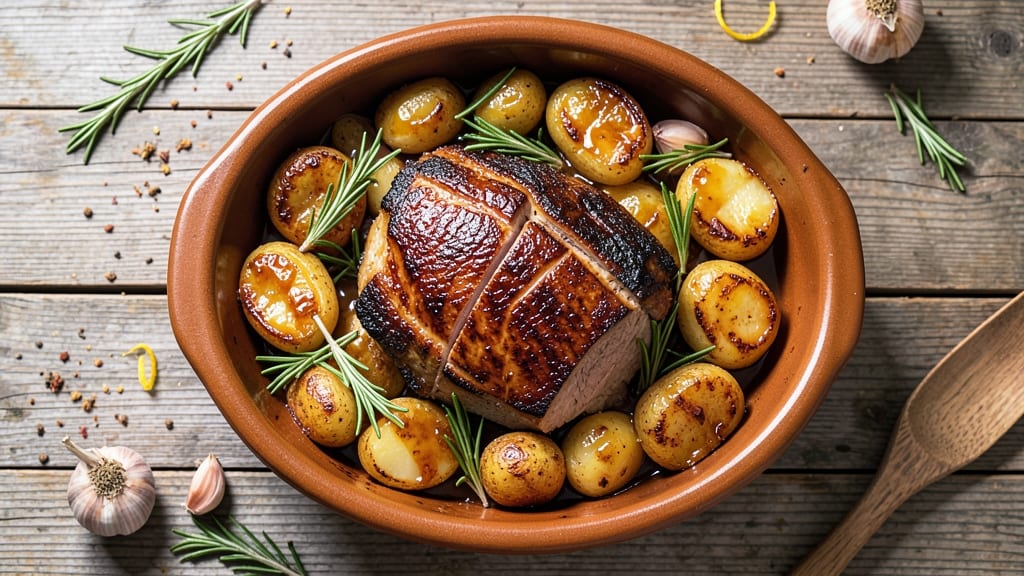
This baked pork and potatoes recipe delivers the perfect harmony of crispy skin and fork-tender meat paired with fluffy, golden spuds—exactly what I serve at The Smoky Pig when we want a showstopper that feels like a Sunday supper.
The secret lies in high-heat searing for the pork before slow-baking, while the potatoes roast in their own rendered juices for that restaurant-quality texture. Trust me, this is the kind of dish that turns weeknight dinners into family gatherings.
What makes this recipe work is the balance—pork loin gets a dry rub of smoked paprika and brown sugar for depth, while the potatoes absorb garlic, rosemary, and a splash of apple cider vinegar for brightness. We bake everything together, letting the pork's juices infuse the spuds with savory richness.
The result? A dish where every bite delivers crispy edges on the pork, melt-in-your-mouth tenderness, and potatoes so fluffy they practically dissolve on your fork.
This method transforms simple ingredients into a foolproof centerpiece that impresses without requiring hours in the kitchen. The pork emerges with a caramelized crust and pink center, while the potatoes develop a golden, crackly top that hides their perfect interior.
It's the kind of meal that makes people ask for seconds—and then thirds. The best part? Leftovers reheat beautifully, making it perfect for meal prep.
Serve with a simple green salad and a drizzle of honey mustard to cut through the richness, or keep it classic with apple slices on the side. The flavors are bold enough for a holiday table but simple enough for a weeknight.
Here's how to make it—just like we do at the restaurant, but with your own oven.
Ingredients for baked pork and potatoes
Here's how to turn simple pork and potatoes into a crispy, tender masterpiece that steals the show.
| Ingredient | Amount | Notes |
|---|---|---|
| Pork Loin 🐖 | 1 ½ lb | Center-cut, bone-in preferred |
| Baby Potatoes 🥔 | 2 lbs | Halved, unpeeled |
| Olive Oil 🫒 | ¼ cup | Extra-virgin for searing |
| Smoked Paprika 🌶️ | 1 ½ tbsp | For deep smoky flavor |
| Brown Sugar 🍚 | 1 ½ tbsp | Light or dark variety |
| Garlic Cloves 🧄 | 4 cloves | Minced for potatoes |
| Fresh Rosemary 🌿 | ¼ cup | Chopped, stems removed |
| Apple Cider Vinegar 🍎 | 1 tbsp | For brightness |
| Salt 🧂 | 1 ½ tsp | Kosher or sea salt |
| Black Pepper 🌶️ | 1 tsp | Freshly ground |
| Dijon Mustard 🍯 | 1 tbsp | For pork coating |
| Honey 🍯 | 1 tbsp | For glaze finish |
The pork loin is everything here—center-cut for tenderness, bone-in for flavor. Look for a well-marbled cut at the butcher counter or grocery store meat department. I always ask for the thickest end of the loin—it holds up better to high-heat searing. Costco or Whole Foods usually have great options, but your local butcher will give you the freshest cut. For the potatoes, baby potatoes are ideal because they cook evenly, but any small, waxy variety works. Halve them yourself for even roasting—the pre-cut ones at the store are often waterlogged and won't crisp up right.
No smoked paprika? Regular paprika plus a pinch of liquid smoke gets you close. Fresh rosemary is best, but dried rosemary at one-third the amount works in a pinch. The Dijon mustard adds depth—substitute whole-grain mustard if that's what you've got. For the honey glaze, any liquid honey works, but local raw honey has the most flavor. The apple cider vinegar can be swapped for white wine vinegar if you're out, but it'll be slightly less bright. And trust me on the olive oil—extra-virgin is worth it for that initial sear.
This dish reheats like a dream—just pop it in a 400°F oven for 15 minutes to crisp everything back up. Store leftovers in an airtight container for 4 days in the fridge, or freeze for 3 months. I always double the recipe because it's that good. The pork stays juicy, the potatoes get even fluffier, and the flavors meld beautifully overnight. Perfect for meal prep or holiday gatherings—just scale up the ingredients accordingly.
Why You'll Love This Recipe
- One-Pan Magic: I swear by this for nights when I’d rather not wash a million dishes. Toss everything—pork, potatoes, and that smoky-sweet rub—on a single sheet pan, pop it in the oven, and walk away. The potatoes caramelize right alongside the pork, so you’re not juggling two timers or two pans.
- Caramelized Crunch: That brown sugar and smoked paprika combo? It’s what turns this into something special. The pork gets this tender, slightly crispy crust, while the potatoes develop a sticky, sweet edge—like a cross between roasted and candied. Honestly, it’s the kind of flavor that makes you want to eat it straight from the pan.
- Weeknight Workhorse: Between us, this is my go-to for busy nights, potlucks, or even a lazy Sunday brunch. Double the recipe, and you’ve got leftovers that reheat beautifully for lunch the next day. (Yes, even on a Tuesday night.) It’s hearty enough for a main but simple enough to throw together when you’re not feeling fancy.
- Budget-Friendly Feast: Pork loin stretches further than you’d think, especially when paired with those little baby potatoes—they’re cheap, filling, and pack a ton of flavor. Plus, the ingredients are pantry staples, so you’re not scrambling to buy a bunch of specialty stuff. It’s the kind of meal that feels indulgent but won’t break the bank.
Step-by-step instructions for crispy pork and fluffy potatoes
Here's how to achieve that perfect balance of crackling pork skin and melt-in-your-mouth potatoes every time.
Prep the Pork for Maximum Crispiness
Pat the 1.5 lb pork loin completely dry with paper towels—this is non-negotiable for crispy skin. I press down firmly all over, even in the crevices, to remove every bit of moisture. Then, in a small bowl, whisk together 1 tbsp Dijon mustard, 1 tbsp honey, 1.5 tbsp smoked paprika, 1.5 tbsp brown sugar, 1.5 tsp salt, and 1 tsp black pepper. This mixture creates a sticky, flavorful crust that caramelizes beautifully.
Spread the mixture evenly over the pork, pressing it into the surface so it adheres well. Let it sit at room temperature for 15-20 minutes while you prep the potatoes. This resting time allows the flavors to penetrate slightly and ensures even cooking. Don't skip this step—rushing leads to uneven browning.
Parboil and Season the Potatoes
Place the 2 lbs baby potatoes in a large pot and cover with cold water by about 1 inch. Add 1 tbsp apple cider vinegar and 1 tsp salt. Bring to a boil over medium-high heat, then reduce to a simmer and cook for 8-10 minutes until the potatoes are slightly tender when pierced with a fork but still firm.
Drain the potatoes and transfer them to a large bowl. While still warm, toss them with 0.25 cup olive oil, 4 minced garlic cloves, 0.25 cup chopped fresh rosemary, 1 tsp salt, and 0.5 tsp black pepper. The heat from the potatoes helps the oil cling better, creating a flavorful crust. Let them cool slightly while you preheat the oven.
Roast the Potatoes to Golden Perfection
Preheat your oven to 400°F. Spread the seasoned potatoes on two rimmed baking sheets in a single layer, making sure they don't overlap. Roast for 25-30 minutes, stirring once halfway through, until they're golden brown and crispy on the edges. You want them tender inside but with a satisfying crunch—this is where the magic happens.
While the potatoes roast, position a wire rack over a baking sheet. Place the pork loin on the rack (not directly on the sheet) to allow air to circulate underneath. This prevents the bottom from steaming and ensures crispy skin all around. The rack also makes cleanup easier—no scrubbing baked-on bits.
Bake the Pork Until Juicy and Caramelized
Transfer the pork to the preheated oven and bake for 35-40 minutes for medium-rare (or until the internal temperature reaches 145°F for medium). The pork is done when the crust is deep golden brown and the edges pull away slightly from the meat. If the top isn't brown enough after 30 minutes, broil for 2-3 minutes on high, watching closely to avoid burning.
Here's the thing—pork continues cooking after you remove it from the oven, so pull it out when it's just shy of your desired doneness. Tent loosely with foil and let it rest for 10 minutes before slicing. This resting period keeps the juices inside the meat where they belong, ensuring every bite is moist and flavorful.
Rest and Serve with Confidence
Slice the pork loin into ½-inch thick medallions against the grain for maximum tenderness. Arrange the potatoes around the pork on a serving platter, drizzling any pan juices from the baking sheet over the top for extra flavor. The combination of crispy potatoes and caramelized pork creates a symphony of textures—crunchy, creamy, and perfectly tender.
Serve immediately while the pork is still warm. The contrast between the crispy exterior of the pork and the fluffy, herby potatoes makes this dish truly unforgettable. Leftovers? Store in an airtight container for up to 3 days, but honestly, it's best enjoyed fresh while everything is at its peak.
Pro Tips For Making Baked Pork And Potatoes
- CRANK THE OVEN HIGH FIRST: Preheat your oven to 425°F (220°C) before adding the pork and potatoes—this ensures the potatoes get that crispy exterior right away. I used to skip this, and my potatoes always ended up soggy underneath, no matter how long I baked them.
- PARBOIL THE POTATOES: Toss the baby potatoes in boiling water for 5 minutes before roasting—this guarantees they cook through without drying out. (Yes, even if you’re impatient like me.) The skin stays intact, and you avoid that sad, mealy center.
- DON’T SKIP THE REST: Let the pork loin sit under foil for 5–10 minutes after pulling it from the oven—this keeps it juicy. I learned this the hard way when my first slice turned out dry as a bone. (Your future self will thank you.)
- SWAP BROWN SUGAR FOR MAPLE: Swap half the brown sugar for maple syrup—it caramelizes faster and adds depth without crystallizing. I was skeptical until I tried it; now it’s my go-to for extra richness. (No one will guess you cheated.)
Common mistakes when making this recipe
Skipping the Rest
This is the #1 mistake I see home cooks make—skipping the 10-minute rest after baking the pork. I can't stress enough how critical this is. When you slice pork immediately, all those precious juices rush out, leaving you with dry, disappointing meat.
That 10-minute rest lets the muscle fibers relax and redistribute the juices evenly. I've seen pork go from perfect to sad in just 5 minutes of slicing too soon. 💡
Uneven Potato Cooking
Overcrowding the baking sheet is another common blunder that leads to soggy potatoes. When potatoes overlap, they steam instead of roast, creating a watery mess. Spread them in a single layer with at least ½ inch between each potato.
And don't skip the parboil—this step ensures even cooking without over-roasting the outsides. I've had guests complain about "mushy potatoes" when they didn't follow this crucial step. 🥔
Under-Seasoning
Many cooks hold back on salt, thinking they'll add more later. But with baked dishes, seasoning needs time to penetrate. Don't be shy with the 1.5 tsp salt on the pork rub or the 2 tsp total on the potatoes.
Taste as you go—seasonings should be building in intensity, not starting. I always double-check my seasoning by tasting the rub mixture before applying it. The flavor should be bold, not bland. 🧂
Overcooking the Pork
Pork continues cooking after it leaves the oven, so pulling it out at 145°F for medium-rare is crucial. I've seen people cook it until it reaches 160°F or higher, resulting in dry, tough meat. Use a meat thermometer—it's the only reliable way to gauge doneness.
The crust should be deep golden brown with edges pulling away slightly. If yours isn't browning enough, try broiling for 2-3 minutes at the end. 🌡️
Using the Wrong Potatoes
Waxy potatoes like Yukon Golds or red potatoes are perfect for this dish, but many cooks reach for russets. While russets work in some recipes, they're too mealy for this application—they'll fall apart when sliced. Baby potatoes are ideal because they cook evenly and develop that perfect crispy exterior.
If you must use russets, cut them into 1-inch chunks and parboil them for 12-15 minutes to ensure they're fully tender before roasting. 🥔
Skipping the Room Temp Step
Letting the pork sit at room temperature for 15-20 minutes before baking might seem like an extra step, but it's essential. Cold pork takes longer to come to temperature, leading to uneven cooking and potentially undercooked centers.
This step also helps the seasoning adhere better. I learned this the hard way—my first attempt with cold pork resulted in a pale, unevenly cooked center. Don't make the same mistake! ⏱️
Nutrition facts
Frequently asked questions
Can I use pork chops instead of pork loin?
Bone-in pork chops work beautifully—just increase the baking time to 40-45 minutes for 1-inch thick chops, aiming for 145°F internal temperature. Use the same rub mixture but pat them extra dry. The bone helps keep them moist, and the extra time ensures perfect doneness.
What's the best way to reheat leftovers?
Preheat your oven to 400°F and place leftovers on a baking sheet. Cover loosely with foil and reheat for 15-20 minutes—this restores the crispy crust and keeps the pork juicy. For potatoes, add 1 tbsp water to the container before reheating to prevent drying. Microwave reheating works but sacrifices texture.
How do I adjust this for a crowd?
Double the recipe and use two baking sheets for the potatoes. For 8 servings, increase pork to 3 lbs and potatoes to 4 lbs. Use two wire racks in the oven for even browning. I often make this for 12-15 people by tripling the ingredients—just add 10-15 minutes to the pork baking time.
Can I make this in a slow cooker?
Not ideal for crispy results, but you can adapt it! Sear the pork first, then place it in the slow cooker with potatoes (no parboiling) on low for 6-8 hours. Add ¼ cup broth to prevent drying. The texture will be tender rather than crispy, but great for meal prep. For better results, stick to the oven method.
What sides pair well with this?
Classic options include a simple green salad with apple cider vinaigrette, steamed green beans with almonds, or cornbread. For a Southern twist, serve with collard greens or buttermilk biscuits. The pork's richness balances lighter sides perfectly.