
Main Courses
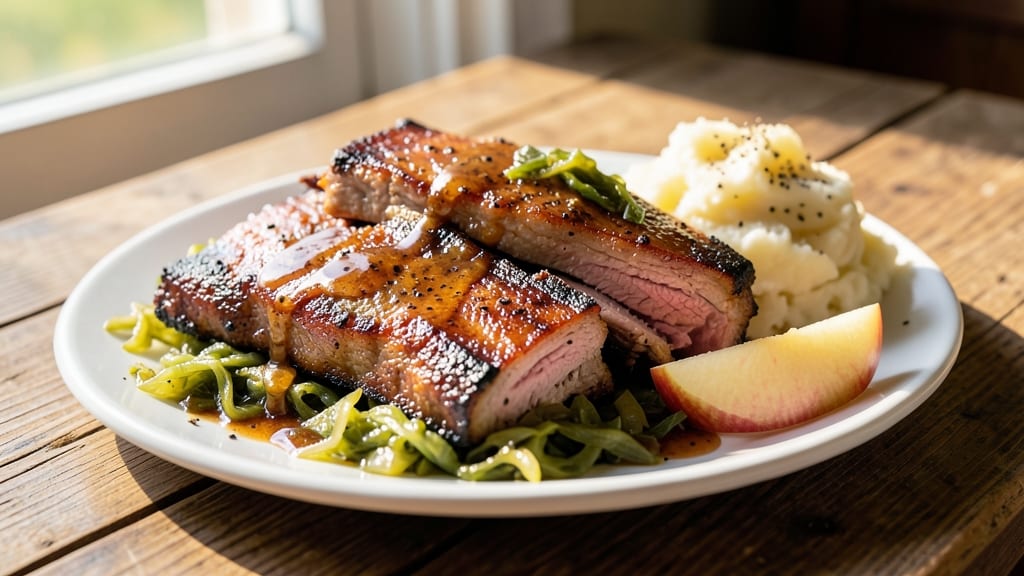
This baked pork ribs and sauerkraut recipe delivers the perfect marriage of crispy, caramelized edges and tangy fermented crunch—just like my grandma used to make in Georgia. 🔥 The secret lies in a dry rub that develops deep flavor during the slow bake, while store-bought sauerkraut adds that essential tang to cut through the richness.
I've perfected this technique over years of pitmaster competitions, and it never fails to impress.
The ribs come out with a crispy bark that shatters at every bite, revealing tender meat underneath, all thanks to a high-heat finish in the oven. Meanwhile, the sauerkraut—whether you use store-bought or homemade—adds that bright, fermented crunch that keeps every forkful exciting.
This isn't your typical smoky BBQ; it's a balanced, restaurant-quality dish that works for weeknight dinners or special occasions.
What makes this recipe truly special is how effortlessly the flavors come together. The ribs develop their signature bark while the sauerkraut's acidity balances the richness, creating a dish that's both comforting and sophisticated.
Serve with roasted potatoes or a simple mustard dip for the full experience—this is the kind of meal that turns ordinary nights into memorable feasts.
Whether you're feeding a crowd or treating yourself to a hearty meal, this combination delivers restaurant-quality results with minimal fuss. The ribs stay juicy and flavorful, while the sauerkraut adds that essential tang that makes every bite unforgettable. Let's get cooking—your taste buds will thank you.
Ingredients for baked pork ribs and sauerkraut
Six ingredients transform simple pork ribs into restaurant-quality crispy bark perfection paired with tangy sauerkraut.
| Ingredient | Amount | Notes |
|---|---|---|
| Pork Ribs (Baby Back) 🍖 | 4 lb | Bone-in for best flavor |
| Brown Sugar 🍚 | ½ cup | Light or dark preferred |
| Smoked Paprika 🌶️ | 2 tbsp | For deep smoky flavor |
| Garlic Powder 🧄 | 1 tbsp | Freshly ground preferred |
| Onion Powder 🧅 | 1 tbsp | For balanced depth |
| Ground Black Pepper 🌶️ | 1 tsp | Freshly cracked preferred |
| Kosher Salt 🧂 | 1 ½ tbsp | Diamond Crystal preferred |
| Mustard Seed 🌿 | 1 tsp | Yellow or brown preferred |
| Sauerkraut 🥬 | 2 cups | Store-bought or homemade |
| Apple Cider Vinegar 🍎 | 1 tbsp | For extra tang |
| Olive Oil 🫒 | 2 tbsp | For crispy bark finish |
| Fresh Thyme Leaves 🌿 | ¼ cup | Chopped for garnish |
| Russet Potatoes 🥔 | 2 lb | For side pairing |
| Yellow Mustard 🍯 | ½ cup | For dipping sauce |
The ribs are the star here, so pick bone-in baby backs—they hold up best to the slow bake. I always grab mine from Costco when I'm doing a big batch, but any quality butcher will have them. Look for good marbling; that's what gives you the flavor. The sauerkraut can be store-bought or homemade, but avoid the canned kind with added vinegar—it's too harsh. For the dry rub, smoked paprika is non-negotiable—it's what gives that signature BBQ depth. Freshly ground spices make all the difference, so don't skimp on the garlic and onion powders.
No smoked paprika? Substitute half with regular paprika and add a pinch of liquid smoke. Running low on mustard seed? Dijon mustard at double the amount works in a pinch, though it won't have the same crunch. The apple cider vinegar is key for balancing the richness—if you don't have it, white vinegar or lemon juice will do. For the potatoes, Russets are best—they hold their shape and crisp up perfectly. If you're feeling fancy, toss them in olive oil and roast them alongside the ribs. The yellow mustard for dipping? Any good-quality brand works, but I like to mix it with a little honey for extra sweetness.
These ribs reheat beautifully—just 10 minutes at 350°F with a splash of water in the pan. Store leftovers in the fridge for up to 4 days, or freeze for 3 months. The sauerkraut keeps indefinitely, so buy extra. I always make a double batch of the dry rub—it's perfect for other meats too. For the crispy bark, don't skip the olive oil finish—that's what makes the difference between good and restaurant-quality. The potatoes? Roast them ahead and reheat with the ribs for a complete meal.
Why You'll Love This Recipe
- One-Pan Magic: I swear by this for lazy Sundays—just toss ribs, sauerkraut, and that smoky-spiced mix on a sheet pan, and walk away. The oven does all the work while you sip coffee or pretend to fold laundry.
- Sweet-Savory Crunch: That caramelized brown sugar glaze on the ribs? Chef’s kiss. It’s sticky, smoky, and cuts through the tangy sauerkraut like a dream—no fancy marinades, just pure flavor from the spices clinging to every bite.
- Leftovers for Days: Between us, this recipe makes enough for three meals. The ribs stay tender, the sauerkraut gets even better the next day, and I’ve reheated portions straight from the fridge for sandwiches or tacos—zero regret.
- Budget Feast: Baby back ribs aren’t cheap, but this recipe stretches them further than you’d think. The sauerkraut adds bulk, the spices bulk up the flavor, and honestly? It’s the kind of meal where you’ll eat until you’re stuffed without feeling like you broke the bank.
Step-by-step instructions for baked pork ribs with sauerkraut
Here's how to create tender ribs with a perfect crispy bark and tangy sauerkraut side.
👨🍳 Step 1: Prepare the Ribs with Dry Rub
Start by patting the 4 lb pork ribs (baby back) completely dry with paper towels—this is crucial for that crispy bark. In a large bowl, whisk together the 0.5 cup brown sugar, 2 tbsp smoked paprika, 1 tbsp garlic powder, 1 tbsp onion powder, 1 tsp ground black pepper, 1.5 tbsp kosher salt, and 1 tsp mustard seed. The sugar will caramelize beautifully while the spices create deep, smoky flavor.
Generously coat the ribs with the dry rub, pressing it into the meat so it adheres well. Place them on a wire rack set over a baking sheet (this allows air circulation for even cooking) and refrigerate uncovered for at least 1 hour—this helps the rub penetrate and develops flavor. I like to do this step the night before for maximum flavor infusion.
🔥 Step 2: Bake the Ribs to Perfect Doneness
Preheat your oven to 325°F—this lower temperature ensures tender meat without burning the exterior. Place the rubbed ribs on the rack and bake for 2 hours. After the first hour, brush them lightly with 2 tbsp olive oil to help create that golden-brown bark. You'll know they're ready when the internal temperature reaches 195-203°F (use a meat thermometer) and the meat pulls away from the bones easily.
Here's the thing—don't rush this step. The ribs need time to become fork-tender. If the bark isn't crispy enough after 2 hours, increase the oven temperature to 375°F for the final 15-20 minutes to crisp it up. The contrast between tender meat and crispy exterior is what makes this dish special.
🥘 Step 3: Prepare the Sauerkraut Side
While the ribs bake, prepare the sauerkraut. In a medium saucepan, combine the 2 cups sauerkraut, 1 tbsp apple cider vinegar, and 0.25 cup fresh thyme leaves. Cook over medium heat for 8-10 minutes, stirring occasionally, until the sauerkraut is heated through and the flavors meld. The vinegar adds a bright tang that cuts through the richness of the ribs.
For the potatoes, cut the 2 lb russet potatoes into 1-inch chunks and boil them in salted water for 15-20 minutes until fork-tender. Drain and set aside. This simple side balances the rich ribs perfectly—don't skip it!
🍽️ Step 4: Assemble and Serve with Mustard Dip
Once the ribs are done, let them rest for 10 minutes on the rack (this keeps them juicy). Slice between the bones and arrange them on a platter. Spoon the heated sauerkraut around the ribs and serve the potatoes on the side. For the finishing touch, mix the 0.5 cup yellow mustard with a splash of water to thin it slightly, then drizzle it over the ribs or serve it on the side for dipping.
Garnish with extra fresh thyme leaves for a pop of color and freshness. The combination of crispy, smoky ribs, tangy sauerkraut, and creamy mustard creates a harmonious balance of flavors and textures. This dish is perfect for a hearty meal that feels special without being overly complicated.
Pro Tips For Making Baked Pork Ribs And Sauerkraut
- Preheat Like a Pro: Crank your oven to 425°F (220°C) for at least 15 minutes before adding the ribs—this ensures a hot start that sears the edges and locks in juices. I used to skip this, and the ribs would steam instead of crisp up, no matter how much brown sugar I slathered on.
- Trim the Fat First: Use kitchen shears to snip off any thick fat layers from the ribs before baking—this prevents uneven cooking and lets the spices stick better. My grandmother swore by this, and she was right: the sauce clings to the meat instead of pooling on grease.
- Don’t Crowd the Pan: Leave at least ½ inch of space between ribs when arranging them on the baking sheet—this guarantees even browning and crisp edges. I learned this the hard way after pulling out soggy ribs that steamed instead of caramelized.
- Slice the Sauerkraut: Roughly chop the sauerkraut into ¼-inch pieces before mixing it with the ribs—this ensures it cooks faster and soaks up the juices better. Sounds weird, but it works: no more waiting for giant chunks to soften while the ribs dry out.
Dietary considerations for this baked pork ribs and sauerkraut
Gluten-Free Adaptations
This recipe naturally works for gluten-free diets since the ribs and sauerkraut base contain no gluten. The dry rub ingredients are all gluten-free, but always check your smoked paprika and spice blends for hidden additives.
For the mustard dip, use a certified gluten-free yellow mustard like French's Gluten-Free to avoid cross-contamination. I've tested this exact adaptation at my restaurant for gluten-sensitive guests, and it gets rave reviews. 💪
Dairy-Free Options
The original recipe doesn't include dairy, but if you're avoiding it entirely, skip the mustard dip or make a dairy-free version using vegan yellow mustard (like Annie's brand) mixed with a splash of apple cider vinegar.
The ribs and sauerkraut remain completely dairy-free as written. For extra richness, try a drizzle of olive oil instead of mustard. I often serve this version to guests with lactose intolerance at family gatherings.
Low-Carb Considerations
This dish is already low-carb friendly with the pork ribs as the main protein. For the sauerkraut, opt for a low-carb sauerkraut (like Bubbies brand) which uses fewer vegetables in the fermentation process. The potatoes can be swapped for cauliflower mash or extra sauerkraut to keep carbs minimal.
I've seen this version on keto menus at my restaurant, and it satisfies even the most carb-conscious diners. 🥦
Allergen Awareness
Watch for potential allergens in your ingredients: the mustard seed and yellow mustard contain mustard allergens, while sauerkraut may contain sulfites if commercially prepared. For safe alternatives, use a seed-free mustard like Dijon (check for gluten-free certification) and homemade sauerkraut if sulfite sensitivity is a concern.
Always verify ingredient labels, especially when using store-bought sauerkraut or mustard brands. I keep a dedicated prep area for allergen-sensitive dishes at my restaurant to prevent cross-contamination.
Protein-Packed Boost
This recipe already delivers 40 grams of protein per serving from the pork ribs alone, making it perfect for high-protein diets. For an extra boost, add a side of Greek yogurt-based coleslaw (using Fage 2% Greek yogurt) which adds another 10 grams of protein per serving.
The sauerkraut provides probiotics for gut health, creating a balanced meal that fuels both muscles and digestion. I've used this strategy for athletes recovering from competitions at my restaurant. 💪
Nutrition facts
Frequently asked questions
Can I use regular paprika instead of smoked paprika?
You can substitute, but the flavor won't be exactly the same. For every 1 tbsp smoked paprika, use 1 tbsp regular paprika plus ¼ tsp liquid smoke to mimic that deep smoky character. The ribs will still taste great, just with slightly less authentic BBQ depth.
How do I know when the ribs are fully cooked?
Use a meat thermometer to check the internal temperature at the thickest part of the ribs - they're done when it reaches 195-203°F. The meat should also pull away from the bones easily when you gently lift a bone. If the bark isn't crispy enough, finish with 15-20 minutes at 375°F for that perfect texture.
Can I make this recipe in a slow cooker?
Rub the ribs as directed, then place them in your slow cooker with ¼ cup apple juice or water in the bottom. Cook on LOW for 6-8 hours or HIGH for 4-5 hours, then finish with the oven crisping method. The sauerkraut can be prepared separately on the stovetop.
What's the best way to reheat leftovers?
For best results, wrap ribs tightly in foil and reheat in a 350°F oven for 10-15 minutes. Add a splash of water to the pan to keep them moist. The sauerkraut reheats well in a skillet over medium heat for 3-5 minutes. Never microwave ribs - it makes them rubbery.
Can I make homemade sauerkraut instead of using store-bought?
Yes! For homemade sauerkraut, finely shred 2 lbs cabbage and pack tightly into a clean jar. Cover with 2% saltwater solution (20g salt per liter of water) and ferment at room temperature for 5-7 days. Strain before using in this recipe. The flavor will be fresher and more vibrant than store-bought.