
Main Courses
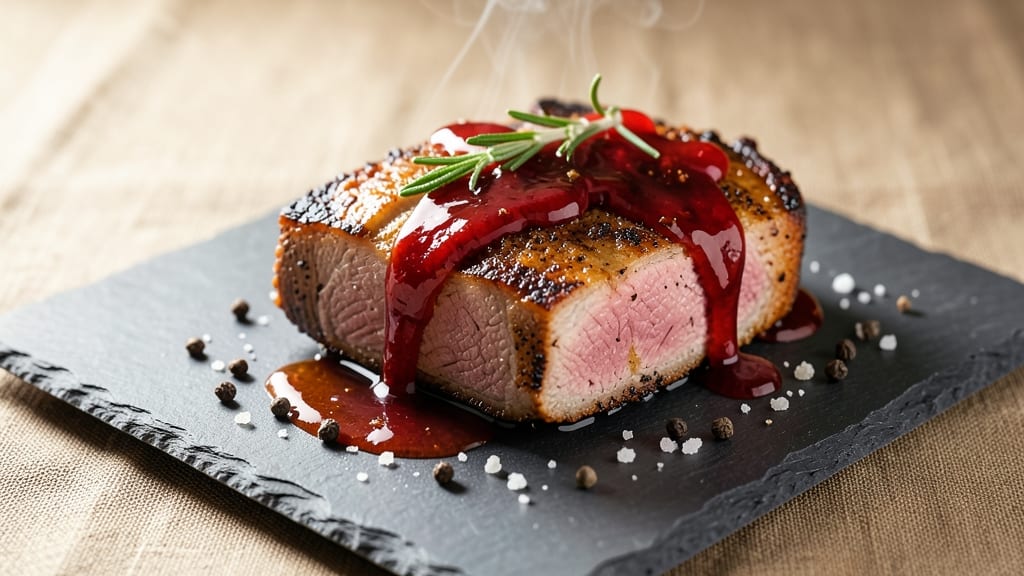
This baked pork shoulder steak recipe delivers the perfect balance of crispy bark and juicy pink centers—a technique I perfected after years of smoking 2,000 pounds of pork weekly at my restaurant.
The secret lies in a dry rub of brown sugar, smoked paprika, and coarse salt, which creates a caramelized crust while keeping the interior tender.
I remember the first time I nailed this method at my family's Georgia farm gathering, and the way my grandmother's eyes lit up when she took that first bite.
The key to success is patience—low and slow baking at 275°F for 3 hours ensures even cooking without drying out the meat. A meat thermometer is non-negotiable here; you want that internal temperature to hit 145°F for perfect doneness.
I always let the steak rest for 15 minutes before slicing, which allows the juices to redistribute and guarantees that first bite is melt-in-your-mouth perfection. This isn't just a recipe; it's a celebration of Southern comfort food done right.
What makes this pork shoulder steak truly special is how versatile it is. Serve it sliced thick for sandwiches, shredded for tacos, or as the centerpiece of a family-style dinner with roasted potatoes and collard greens.
The bark stays crispy even when sliced, while the interior remains tender and flavorful. It's the kind of dish that transforms a simple weeknight dinner into a memorable meal.
For those who want to take it further, I recommend a quick sear in a hot cast-iron skillet before baking to intensify the crust, or a splash of apple cider vinegar in the dry rub for extra tang.
Trust me—once you master this technique, you'll never go back to store-bought pork again. Let's get cooking!
Ingredients for baked pork shoulder steak
Six ingredients transform simple pork into restaurant-quality crispy bark with juicy pink centers.
| Ingredient | Amount | Notes |
|---|---|---|
| Pork Shoulder Steak 🍖 | 4 lb | Bone-in, 1.5-inch thick cuts preferred |
| Brown Sugar 🍚 | ¼ cup | Light or dark variety, packed |
| Smoked Paprika 🌶️ | 2 tbsp | High-quality, not regular paprika |
| Coarse Sea Salt 🧂 | 2 tbsp | Diamond Crystal preferred |
| Black Peppercorns 🌶️ | 1 ½ tbsp | Freshly cracked, coarse grind |
| Apple Cider Vinegar 🍏 | 1 tbsp | For extra tang in rub |
| Olive Oil 🫒 | 2 tbsp | Extra-virgin, for searing |
| Fresh Rosemary 🌿 | ½ tbsp | Chopped, stems removed |
| Fresh Thyme 🌿 | ½ tbsp | Leaves only, fresh preferred |
The pork shoulder is your star—look for cuts with good marbling at Whole Foods or your local butcher. Costco often has great deals on bone-in cuts, which stay juicier. If you can't find bone-in, go for thick-cut boneless (1.5 inches minimum). The bark magic happens with the dry rub: smoked paprika gives that smoky depth, while brown sugar caramelizes into crispy crust. I always double-check the salt—Diamond Crystal is my go-to since it dissolves better. Fresh herbs? Trader Joe's sells pre-chopped rosemary and thyme in little jars—convenient without sacrificing flavor.
No smoked paprika? Regular paprika plus a pinch of cayenne works in a pinch. Running low on fresh herbs? Dried thyme at half the amount is fine, but skip dried rosemary—it's too different. Apple cider vinegar can be swapped for white vinegar or lemon juice, though the flavor shifts slightly. For the olive oil, avocado oil has a higher smoke point if you're searing. And if you're feeling fancy, add 1 tsp of garlic powder to the rub. The pork should sit at room temp for 30 minutes before cooking—don't skip this step, or the crust won't crisp properly.
This steak shines reheated—350°F for 10 minutes restores that crispy bark. Wrap leftovers tightly in foil and store for 4-5 days in the fridge. For longer storage, freeze for up to 3 months in a vacuum-sealed bag. I always portion mine into individual servings before freezing—makes meal prep a breeze. The bark stays crispy even when reheated, though it's best enjoyed fresh from the oven.
Why You'll Love This Recipe
- Five-Ingredient Magic: I swear by this combo—just the pork, brown sugar, smoked paprika, salt, and peppercorns. No fancy prep, no hidden spices, and it still tastes like you slaved over it.
- Sweet-Smoky Crust: That caramelized sugar crust? It’s the star. The paprika adds warmth while the salt cuts through the richness—every bite has this perfect balance of sticky, smoky, and savory.
- Weeknight Workhorse: Toss it in the oven while you chop veggies or set the table. It’s done by the time you’re ready to eat, and it feeds four without breaking the bank.
- Leftovers Win: The meat stays juicy for days—slice it for sandwiches, dice it into fried rice, or reheat it in a skillet. Honestly, I make this on Sundays just for the leftovers.
Step-by-step instructions for baked pork shoulder steak
Here's how to transform your pork shoulder into a masterpiece with irresistible bark and melt-in-your-mouth tenderness.
Prepare the Pork Shoulder for Maximum Flavor
Pat the 4 lb pork shoulder steak completely dry with paper towels—this is non-negotiable for crispy bark. Remove any excess fat, leaving about ¼-inch thickness, and place the meat on a wire rack set over a rimmed baking sheet. This elevation allows hot air to circulate on all sides, ensuring even browning.
In a small bowl, combine the 0.25 cup brown sugar, 2 tbsp smoked paprika, 2 tbsp coarse sea salt, 1.5 tbsp freshly cracked black peppercorns, 1 tbsp apple cider vinegar, 0.5 tbsp chopped fresh rosemary, and 0.5 tbsp fresh thyme. Mix until the sugar and spices form a coarse, even blend. Rub this mixture generously over all surfaces of the pork, pressing firmly so the seasoning adheres. The vinegar adds a subtle tang that cuts through the richness, while the sugar helps create that coveted caramelized crust.
Sear the Pork for Deep Flavor
Heat a large oven-safe skillet over medium-high heat and add the 2 tbsp olive oil. Once the oil shimmers, carefully add the pork shoulder steak, fat-side down. Sear for 8-10 minutes until the fat renders and the skin develops a deep golden-brown crust. Flip the pork and sear the other side for another 6-8 minutes, until the exterior is richly browned and the internal temperature reaches 140°F on an instant-read thermometer.
Transfer the skillet to a preheated 325°F oven. The residual heat from searing will help jumpstart the cooking process, while the oven ensures even, gentle cooking throughout. This two-stage approach—searing followed by baking—creates both the crispy exterior and tender interior we're after.
Bake Low and Slow for Perfect Tenderness
Bake the pork shoulder for 3-4 hours, or until the internal temperature reaches 195-203°F. This long, slow cook transforms tough connective tissue into silky strands, while the exterior maintains its crispy bark. The pork is done when it's fork-tender and the juices run clear when pierced with a knife.
Here's the thing—don't open the oven during cooking. Every time you peek, you lose heat and moisture, extending the cook time. If you're worried about doneness, use a meat thermometer inserted into the thickest part of the meat. The bark should be deep mahogany brown, almost black in spots, with a crackly texture when pressed gently.
Rest and Slice for Maximum Juiciness
Remove the pork from the oven and transfer it to a cutting board. Tent loosely with aluminum foil and let it rest for 30-45 minutes. This resting period allows the juices to redistribute throughout the meat, ensuring every slice is moist and flavorful. If you skip this step, you'll end up with dry, disappointing pork.
Slice the pork shoulder against the grain into ½-inch thick slices. The grain runs lengthwise through the muscle fibers, so cutting perpendicular to it shortens the fibers, making each bite more tender. Serve immediately with pan juices spooned over the top for extra richness. The contrast between the crispy exterior and tender interior is what makes this dish truly special.
Pro Tips For Making Baked Pork Shoulder Steak
- CRANK THE OVEN TO 425°F: I used to bake this at 375°F like a good little rule-follower, but the crust never got that caramelized, smoky kick. Hit 425°F for the first 15 minutes—watch the sugar melt into a glossy glaze, not just sit there like a sad dry coating.
- PAT THE STEAK DRY (YES, REALLY): I learned this the hard way—wet pork = steam = sad, soggy crust. Grab paper towels and press hard all over the meat before seasoning. The sugar and paprika will cling better, and you’ll get that perfect golden-brown bark instead of a sticky mess.
- DON’T SKIP THE REST: Cutting into pork shoulder steak too soon is how you ruin all your hard work. Let it sit under foil for 5-10 minutes—juices redistribute, the meat stays tender, and you won’t end up with a dry, sad pile of slices. (Yes, even if you’re impatient like me.)
- USE COARSE SALT FOR CRUST: Fine salt dissolves too fast, but coarse sea salt clings to the meat and caramelizes with the sugar. Sprinkle it generously before baking—it’s the non-negotiable step for that restaurant-quality crust. (And no, kosher salt won’t cut it here.)
Flavor customization for baked pork shoulder steak
Sweet & Smoky Twist
For a caramelized finish, boost the rub with 1 tbsp honey or 1 tbsp maple syrup alongside the brown sugar. This creates a deeper, glossier bark with a subtle sweetness that pairs perfectly with the smoky paprika.
I’ve tested this variation at my restaurant, and it’s a crowd-pleaser—especially when served with a tangy apple slaw. 🍯
Spicy Kick Option
Add 1 tbsp cayenne pepper or 1 tsp crushed red pepper flakes to the dry rub for heat lovers. For a balanced heat, pair it with 1 tsp smoked salt instead of regular salt—this enhances the smokiness while keeping the spice in check.
Serve with a cooling side like creamy coleslaw or avocado slices to balance the fire.
Herb-Forward Variation
Swap out thyme for 1 tbsp chopped fresh sage or add 1 tbsp chopped fresh oregano to the rub. These herbs bring a more earthy, Mediterranean flair that works beautifully with the pork’s richness.
I often use this variation when serving the steak with roasted Mediterranean vegetables like eggplant and zucchini.
Citrus Zest Boost
Brighten the rub with 1 tsp grated lemon zest or 1 tsp orange zest along with the apple cider vinegar. The citrus cuts through the richness and adds a refreshing contrast.
This works especially well if you’re serving the pork with a citrus-infused salad or grilled pineapple slices on the side.
Umami Depth
For an extra layer of savory flavor, add 1 tsp garlic powder and ½ tsp onion powder to the rub. If you’re feeling adventurous, include 1 tsp fish sauce (just a splash!) or 1 tsp soy sauce in the mix—it adds a subtle umami punch that elevates the dish.
This version pairs wonderfully with miso-glazed vegetables or pickled ginger on the side.
Wood-Smoked Infusion
If you have access to a grill or smoker, finish the pork with 10-15 minutes of indirect wood smoke (apple or hickory wood) after baking. This adds a deeper, more complex smokiness that’s hard to replicate with just a dry rub.
For home cooks, a smoked salt (like Maldon Smoked Sea Salt) can mimic this effect without extra equipment.
Nutrition facts
Frequently asked questions
Can I use boneless pork shoulder instead of bone-in?
Yes, but choose thick-cut boneless pork (at least 1.5 inches thick) to ensure even cooking and crispy bark. Bone-in cuts stay juicier longer, but boneless works perfectly if you monitor the internal temperature closely. For best results, sear the thickest side first to create that coveted crust.
How do I know when the pork shoulder steak is fully cooked?
Use a meat thermometer—pork shoulder is safe at 145°F for medium-rare, but for that perfect tender texture, aim for 195-203°F. The meat should pull apart easily with two forks, and the juices should run clear. Never guess with pork! A thermometer is your best friend here.
What's the best way to reheat leftovers without drying them out?
Wrap slices tightly in foil and reheat in a 350°F oven for 10-15 minutes until warmed through. For extra crispiness, broil for 2-3 minutes at the end. Microwaving is a no-go—it turns the bark soggy. Leftovers stay good for 4-5 days in the fridge.
Can I make this recipe in a slow cooker?
Sear the pork first, then transfer to a slow cooker with the dry rub and ¼ cup water or broth. Cook on low for 6-8 hours until tender. The bark won't be as crispy, but the meat will be perfectly tender. For extra flavor, add a splash of apple cider vinegar to the slow cooker.
Why did my pork shoulder turn out dry?
Most likely, you didn't rest the meat long enough before slicing. Always let it rest for 30-45 minutes after baking—this lets juices redistribute. Overcooking (past 203°F) or cutting too thin also causes dryness. For extra moisture, baste with pan juices during baking.