
Main Courses
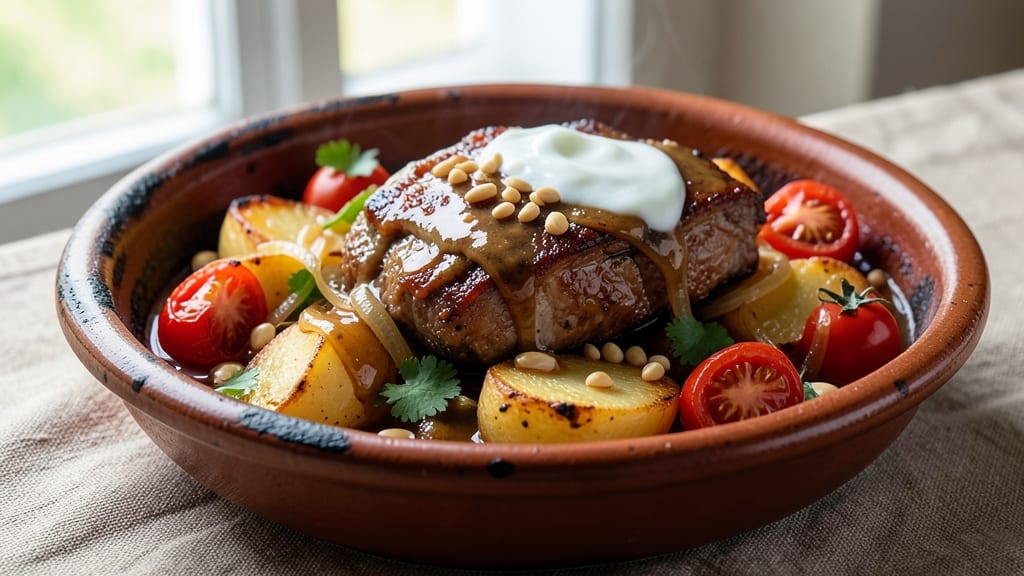
This Batangas pork caldereta recipe brings the soul of Filipino comfort food to your kitchen with its signature slow-simmered richness and unexpected peanut butter twist. 🌟 I first encountered this dish during a culinary exchange in Manila, where the balance of tangy tomatoes, sweet peanut butter, and tender pork creates an addictive flavor profile that's both hearty and refined.
The secret lies in the technique: pork shoulder is first seared to lock in juices, then braised for hours until fall-apart tender. The sauce builds depth through layering—tomatoes caramelize while vinegar brightens, and peanut butter adds a velvety richness that rounds out the acidity.
This isn't your typical caldereta; it's a masterclass in Filipino home cooking elevated to restaurant-quality.
What you'll end up with is a dish that smells like home—deep, aromatic, and impossible to resist. The pork falls from the bone while swimming in a glossy sauce that's perfectly balanced between sweet, savory, and tangy.
Each bite delivers that satisfying contrast of tender meat and creamy sauce, making it a showstopper for family dinners or special occasions.
Serve it over steamed rice to soak up every last drop of that luscious sauce, or pair with crispy garlic fried rice for extra texture. The leftovers? Even better the next day as flavors meld further. This is comfort food at its finest—rich, satisfying, and full of character.
Ingredients for batangas pork caldereta
Six ingredients make this Filipino comfort classic shine—pork, tomatoes, peanut butter, and spices that sing together.
| Ingredient | Amount | Notes |
|---|---|---|
| Pork Shoulder 🥩 | 3 lb | Bone-in for flavor, cut into chunks |
| Canned Tomatoes 🍅 | 2 cans | San Marzano preferred, crushed |
| Peanut Butter 🥜 | ½ cup | Natural, unsweetened preferred |
| Onion 🧅 | 1 whole | Yellow, diced |
| Garlic Cloves 🧄 | 6 cloves | Minced, fresh preferred |
| Coconut Milk 🥥 | 1 can | 13.5 oz can, full-fat |
| White Vinegar 💧 | ¼ cup | White or apple cider |
| Sugar 🍚 | ¼ cup | Granulated, adjust to taste |
| Olive Oil 🫒 | ¼ cup | Extra-virgin for richness |
| Fresh Ginger 🌿 | 2 tbsp | Grated, fresh preferred |
| Bay Leaves 🍃 | 2 whole | Dried, standard size |
| Salt 🧂 | 1 ½ tsp | Kosher or sea salt |
| Black Peppercorns 🌶️ | 1 tsp | Freshly ground preferred |
| All-Purpose Flour 🌾 | 2 tbsp | For thickening sauce |
The pork shoulder is non-negotiable—bone-in, well-marbled cuts from Costco or local butcher shops deliver the best flavor. Look for pieces around 3 pounds; they'll yield about 6 servings. Filipino markets often carry pre-cut pork shoulder, but if you're shopping at a regular grocery store, ask the meat department to cut it for you. The tomatoes? San Marzano cans are worth the splurge—they're sweeter and less acidic, which balances the peanut butter's richness. If you can't find them, any high-quality crushed tomatoes work, but avoid the watery brands.
No peanut butter on hand? Creamy almond butter at half the amount works in a pinch, though it'll lack that signature peanut depth. Fresh ginger is ideal, but ground ginger at half the amount gets you close. The coconut milk can be swapped for light coconut cream if you prefer a thicker sauce. For the vinegar, apple cider vinegar adds a subtle fruitiness compared to white. The flour is just for thickening—skip it if you prefer a thinner sauce, but trust me, the slight thickening makes all the difference. The bay leaves? Don't skip them—they're the secret to that deep, aromatic base.
This dish tastes even better the next day, so make extra. Store leftovers in airtight containers in the fridge for up to 5 days, or freeze for 3 months. The sauce thickens as it cools, so reheat with a splash of water or coconut milk. For serving, keep the pork and sauce separate until ready to eat—this lets you adjust the sauce consistency with extra liquid if needed. The rice? Jasmine or long-grain white works best to soak up that luscious sauce.
Why You'll Love This Recipe
- One-Pot Magic: I swear by this recipe when I’m too tired to scrub a million pots. Brown the pork shoulder, toss in onions and garlic, then dump in the tomatoes and peanut butter—simmer, stir, done. The sauce thickens right in the pot, and honestly? I’ve never had a single pan cleaner than this.
- Peanut Butter Secret Weapon: Between us, that peanut butter isn’t just for spreading. It melts into the tomatoes, giving this dish that rich, nutty depth that makes it taste like you slaved over it for hours. (Spoiler: You didn’t.) The garlic cloves? They caramelize just enough to add a sweet, toasty punch that’s impossible to resist.
- Leftover Goldmine: This stew only gets better the next day. The flavors meld into something even more complex, and the pork practically falls apart—perfect for quick lunches or reheating for dinner. I’ll be real: I’ve pulled this from the fridge at 7 PM on a Wednesday and still had my kids begging for seconds.
- Budget-Friendly Feast: Pork shoulder is cheap, canned tomatoes last forever, and peanut butter? Always in my pantry. For under $15, I feed my family of four a hearty, satisfying meal that feels like a restaurant dish. Not the prettiest, but the taste makes up for it—and my wallet thanks me every time.
Step-by-step instructions for Batangas pork caldereta
Here's how to craft this rich, peanut-infused stew that's perfect for family gatherings.
🔥 Step 1: Sear the Pork Shoulder for Deep Flavor
Heat a large Dutch oven or heavy pot over medium-high heat and add 2 tablespoons olive oil. Working in batches, add the 3 lb pork shoulder chunks and sear until golden brown on all sides, about 5-6 minutes per batch. This step builds layers of flavor through the Maillard reaction.
Here's the thing—don't crowd the pan. Giving the pork space ensures proper browning. Once all pieces are seared, transfer them to a plate and set aside. You'll notice the pork releases its natural juices and fat as it cooks—this is what makes the final sauce so rich.
👨🍳 Step 2: Build the Aromatic Base
In the same pot, reduce heat to medium and add 1 whole diced onion and 6 minced garlic cloves. Cook for 3-4 minutes until the onion softens and becomes translucent. Add 2 tablespoons grated fresh ginger and cook for another 30 seconds until fragrant.
This is where the magic happens. The combination of onion, garlic, and ginger creates the foundation for all that rich flavor. I like to press the garlic cloves with the back of my spoon to release their oils—this intensifies their aroma in the final dish.
🍳 Step 3: Simmer the Tomato and Spice Mixture
Pour in 2 cans crushed tomatoes, 0.25 cup white vinegar, 0.25 cup sugar, 1.5 teaspoons salt, and 1 teaspoon black peppercorns. Stir well to combine, then add the seared pork shoulder back to the pot. Bring to a gentle boil, then reduce heat to low and add 2 whole bay leaves.
Let the mixture simmer uncovered for 1 hour, stirring occasionally. You'll see the sauce slowly reduce and thicken. This long simmer is crucial—it allows all the flavors to meld together and the pork to become fork-tender. Real talk: don't rush this step. Patience here makes all the difference.
🥘 Step 4: Add the Peanut Butter and Coconut Milk
After 1 hour of simmering, stir in the 0.5 cup peanut butter and the 1 can coconut milk. Mix well until the peanut butter is fully incorporated and smooth. The mixture will look thick and creamy—this is exactly what we want.
Here's where it gets fun—the peanut butter adds that signature Batangas richness while the coconut milk creates a velvety texture. Give it a taste at this point. If you want it sweeter, add a bit more sugar; if it needs more acidity, add a splash of vinegar. Adjust to your preference.
⏰ Step 5: Finish and Thicken the Sauce
Return the pot to a gentle simmer and cook for another 30-45 minutes until the sauce has thickened to your desired consistency. If it's too thin, mix the 2 tablespoons all-purpose flour with a little water to create a slurry, then stir it into the pot. Simmer for another 5 minutes to thicken.
You'll know it's done when the sauce coats the back of a spoon and the pork is fork-tender with no resistance. Remove the bay leaves before serving. This rich, peanut-infused stew pairs perfectly with steamed rice and a simple green salad. The aroma alone will have everyone gathering around the table!
Pro Tips For Making Batangas Pork Caldereta
- Sear the Pork Shoulder First: Don’t skip browning—this is where the flavor hides. Cut the pork into chunks, pat them dry, and sear in a hot pot with oil until deep golden, about 5-7 minutes per side. I learned this the hard way: skipping this step leaves your caldereta tasting like stewed pork instead of rich, caramelized goodness.
- Use Crushed Garlic, Not Minced: Batangas caldereta needs that nutty, toasted garlic punch. Smash 6-8 cloves with the flat side of your knife before cooking—no need to chop. Let them fry in the oil until fragrant (about 30 seconds) before adding onions, or they’ll burn before releasing flavor.
- Stir in Peanut Butter Late: Add the peanut butter when the tomatoes are already simmering and slightly reduced—about 10 minutes before the end. Stirring it in too early makes the sauce split and look greasy. A splash of hot broth first helps it blend smoothly.
- Simmer Low and Long: This isn’t a quick dish. After adding tomatoes and broth, reduce heat to a bare simmer (small bubbles, occasional stir) and let it cook uncovered for at least 1.5 hours. The longer it cooks, the deeper the peanut-tomato fusion gets—no rushing, or you’ll end up with a thin, pasty sauce.
Make-ahead tips for this dish
Prep Ahead Strategy
The beauty of this caldereta is how well it handles advance preparation. I recommend marinating the pork shoulder overnight—rub it with 1 tbsp salt, 1 tsp black pepper, and 1 tbsp grated ginger, then refrigerate in a sealed container.
This jumpstarts the flavor development and makes the meat more tender. 🥩
Sauce Development Day
For a stress-free cooking day, prepare the sauce base the morning of. Sauté the onion, garlic, and ginger as directed, then store the mixture in an airtight container in the fridge.
When ready to cook, simply add the seared pork and remaining ingredients. This cuts your active cooking time by 30 minutes while building deeper flavor through overnight resting.
Freezer-Friendly Technique
This dish freezes exceptionally well—make a double batch and freeze half for future meals. After completing Step 4 (peanut butter addition), let the caldereta cool completely, then transfer to freezer-safe containers with 1-inch headspace.
Thaw overnight in the fridge before reheating gently on low heat with 2 tbsp water or coconut milk to restore sauce consistency. The flavors actually improve after freezing!
Make-Ahead Serving Tips
For restaurant-quality presentation, keep the pork and sauce separate until serving. Reheat the sauce separately on the stovetop, then combine with pork just before plating. This lets you adjust sauce thickness with extra liquid if needed.
Garnish with fresh cilantro or sliced green onions right before serving to maintain vibrant color. The aroma alone will have guests anticipating their first bite! 🌿
Leftovers Reinvention
Transform leftover caldereta into new meals with minimal effort. Use it as a filling for Filipino-style empanadas by mixing with 1 tbsp cornstarch to thicken, or serve over garlic fried rice for a hearty breakfast.
The peanut butter sauce also makes an amazing dipping sauce for spring rolls or dumplings. Don't let leftovers go to waste—get creative with these reinventions!
Nutrition facts
Frequently asked questions
Why does this recipe use peanut butter in pork stew?
Peanut butter is the signature twist of Batangas-style caldereta! It adds a rich, velvety texture that balances the tangy tomatoes and vinegar while bringing natural sweetness. The locals call this "peanut butter magic"—it's what makes this version distinct from other Filipino stews. Just use natural, unsweetened peanut butter for the best flavor.
Can I substitute bone-in pork shoulder with boneless pork loin?
Not ideal! Bone-in pork shoulder stays juicier and adds depth of flavor as it braises. If you must use boneless pork loin, cut it into 1.5-inch cubes and marinate overnight with 1 tbsp soy sauce and 1 tsp black pepper to compensate. Cooking time will be shorter (1.5 hours total) since boneless meat cooks faster.
How do I know when the pork is fully tender?
The pork is done when it falls apart easily with a fork and pulls clean from the bone. For perfect doneness, check after 2 hours total cooking time (1 hour before adding peanut butter). If it's still slightly firm, continue simmering uncovered for 15-20 minutes more—the sauce will concentrate nicely during this time.
What vegetables pair best with this dish?
Classic Filipino sides like steamed white rice and sautéed string beans work perfectly. For extra freshness, serve with a simple mango salad (cubed mango + lime juice + chili flakes) or garlic fried rice. The peanutty sauce also complements crispy taro leaves if you want to go all-out Filipino!
Can I make this in an Instant Pot?
Yes, but with adjustments! Sear the pork first, then sauté aromatics. Add all ingredients except peanut butter, pressure cook for 45 minutes on high, then quick-release. Stir in peanut butter and coconut milk, cooking on sauté mode for 10 minutes to thicken. The texture will be slightly different but still delicious—just don't skip the long simmer for best results!