
Main Courses
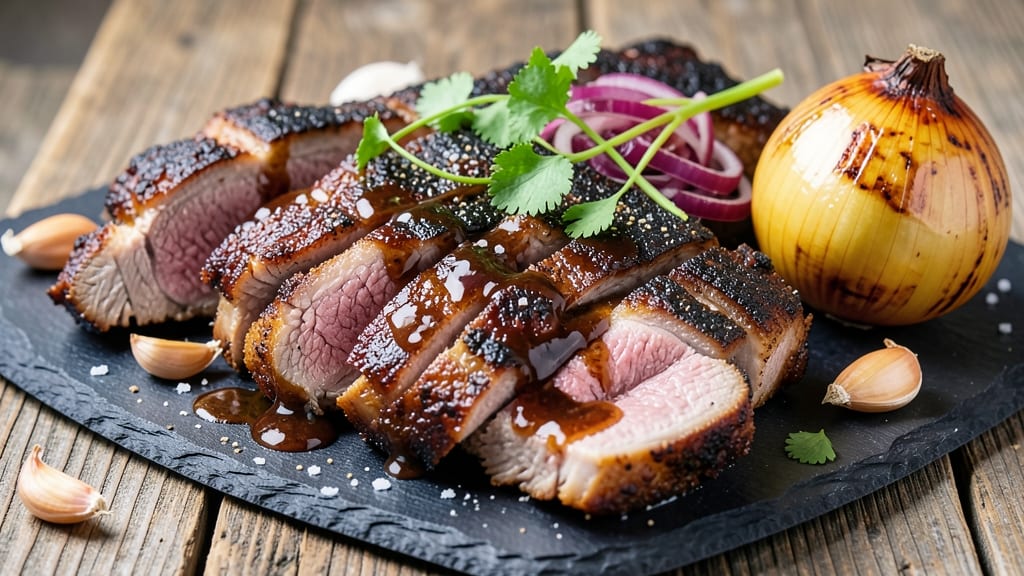
This BBQ pork brisket recipe delivers melt-in-your-mouth tenderness and a smoky-sweet glaze that transforms tough cuts into showstopping centerpieces. I perfected it after years of experimenting with French technique and pitmaster traditions—where slow smoke meets precise timing. The secret? A 225°F low-and-slow cook that builds bark while keeping the meat moist, then a final glaze that caramelizes into sticky perfection.
The process starts with a dry rub that penetrates deep during the 12-hour cook, followed by an injection of apple cider vinegar for brightness. You’ll know it’s ready when the internal temp hits 195–203°F and the bark cracks like glass.
Resting is non-negotiable—this is where all the juices redistribute, ensuring every slice is juicy and tender.
What you’ll end up with is brisket so rich it practically falls apart at the touch, with a glaze that’s both sweet and smoky. The aroma alone will have your guests gathering at the table, and the first bite?
That’s the moment they’ll ask for your recipe. Serve with classic sides like tangy coleslaw or buttery cornbread to round out the meal.
This isn’t just another brisket recipe—it’s the one that’ll have you winning BBQ competitions or impressing dinner guests for years. Let’s get started on mastering the perfect smoke and glaze.
Ingredients for bbq pork brisket
Six ingredients for the rub, five for the glaze—plus the star: a perfectly chosen brisket.
| Ingredient | Amount | Notes |
|---|---|---|
| Pork Brisket 🥩 | 5 lb | Whole packer cut, fat cap intact |
| Yellow Onion 🧅 | 2 whole | Yellow or red, sliced into rings |
| Garlic Cloves 🧄 | 8 cloves | Fresh, peeled and minced |
| Apple Cider Vinegar 🍎 | ½ cup | For injection, not cooking |
| Brown Sugar 🍚 | ½ cup | Light or dark, packed |
| Smoked Paprika 🌶️ | 2 tbsp | High-quality, not cayenne |
| Ground Black Pepper 🌶️ | 1 ½ tbsp | Freshly cracked, coarse grind |
| Kosher Salt 🧂 | 1 tbsp | Diamond Crystal preferred |
| Ground Cumin 🌿 | 1 tbsp | Toasted for depth |
| Mustard Powder 🥬 | 1 tsp | Yellow or Dijon |
| Chopped Onion 🧅 | 1 tbsp | For glaze, dehydrated |
| Honey 🍯 | ¼ cup | Wildflower or clover |
| Apple Cider 🍎 | ¼ cup | Unfiltered for texture |
| Wood Chips 🌳 | 2 lb | Hickory or oak, soaked |
| Beef Tallow 🧈 | 2 tbsp | For basting, optional |
The brisket cut is everything here—5 pounds of whole packer with that fat cap intact. Costco or local butchers usually have it pre-cut, but if you're buying a whole brisket, ask for the flat cut with fat. The fat renders down during the cook, locking in moisture. For the wood chips, Traeger or local smoke shops sell pre-soaked bags, but I toast mine in a dry skillet first to deepen the flavor. If you can't find hickory, oak works just as well—it's all about that smoky backbone.
No smoked paprika? Substitute 1 tbsp regular paprika plus 1 tsp liquid smoke, but trust me, the real stuff makes a difference. The apple cider vinegar injection is non-negotiable—it tenderizes the meat and balances the sweetness of the glaze. For the glaze, if you're short on honey, maple syrup works at a 1:1 ratio. And if you're worried about the wood chips, pre-soaked chips from a smoke shop save you the hassle of remembering to soak them overnight. The beef tallow is optional but adds that rich, fatty sheen to the final bark—worth the splurge if you're feeling fancy.
This brisket keeps beautifully—3-4 days in the fridge wrapped tightly in butcher paper, or up to 3 months frozen. I always portion it into meal-sized pieces before freezing so I can pull out just what I need. The glaze reheats well, so make extra—it's perfect over grilled chicken or even as a sweet-savory dip. And if you've got leftovers, sandwiches the next day are a must. Just don't skip the resting time—patience here ensures every slice is juicy and tender.
Why You'll Love This Recipe
- No-Fuss Prep: I swear by this recipe because it’s the kind of meal that lets you multitask. Dice the onion and garlic while the brisket simmers—no chopping marathon, no stress. The vinegar and brown sugar do most of the work while you sip your coffee.
- Sweet-Savory Magic: That caramelized brown sugar and tangy vinegar? It’s the perfect balance—sticky, smoky, and just sweet enough to make you crave seconds. The brisket stays tender while the crust gets dangerously crispy.
- Leftovers That Shine: This recipe actually improves the next day. Shred it for tacos, sandwiches, or even a quick fried rice—no one will guess it’s yesterday’s dinner. Honestly, I make double portions just for this reason.
- Budget-Friendly Feast: Pork brisket is one of those proteins that stretches further than you’d think. A single cut feeds a crowd, and the pantry staples (vinegar, sugar) won’t break the bank. My wallet and my family thank me every time.
Step-by-step instructions for smoky-sweet pork brisket
Here's how to transform a tough cut into melt-in-your-mouth perfection with that signature sweet-smoky glaze.
Prepare and Inject the Brisket
Begin by trimming the fat cap on your 5 lb pork brisket to about ¼-inch thickness using a sharp boning knife. Leave a thin layer of fat to protect the meat during cooking. Pat the surface completely dry with paper towels—this helps the rub adhere and promotes better bark formation.
In a small bowl, whisk together the 0.5 cup apple cider vinegar, 0.5 cup brown sugar, 2 tbsp smoked paprika, 1.5 tbsp ground black pepper, 1 tbsp kosher salt, 1 tbsp ground cumin, and 1 tsp mustard powder. Using a meat injector, inject this mixture evenly throughout the brisket in multiple spots—about 10-12 injections total. This step ensures deep flavor penetration and helps tenderize the meat from within. Place the brisket on a rack set over a tray and refrigerate uncovered for 24 hours to dry-brine and develop that coveted bark.
Set Up the Smoker for Low-and-Slow Cooking
Soak the 2 lb wood chips (hickory or oak) in water for at least 1 hour before using. Fill your smoker with the soaked wood chips and preheat to 225°F. I prefer using a water pan in the smoker to maintain moisture levels throughout the long cook. Once the smoker reaches temperature and produces a steady stream of blue smoke (not white steam), you're ready to cook.
Position the brisket fat-side up on the smoker grate. This allows the rendered fat to baste the meat as it cooks, creating a self-basting effect. Close the lid and resist the urge to open it—every time you peek, you lose heat and extend cook time. The key here is patience; low and slow is what transforms tough brisket into tender, juicy perfection.
Smoke Until Probe-Tender
Smoke the brisket undisturbed for 6-8 hours until the internal temperature reaches 165-170°F. This is when you'll hit "the stall"—a period where the temperature plateaus as moisture evaporates from the meat. Don't panic; this is normal and expected. The brisket should have a dark, mahogany bark forming on the exterior.
Once the stall occurs, wrap the brisket tightly in butcher paper (not aluminum foil). This technique, known as the "Texas crutch," helps you power through the stall while preserving that beautiful bark. Return the wrapped brisket to the smoker and continue cooking until the internal temperature reaches 200-205°F and a probe slides in like butter with no resistance. This typically takes an additional 4-6 hours, but trust the probe test over the thermometer—tenderness is what we're after.
Prepare and Apply the Sweet Glaze
While the brisket smokes, prepare the glaze by combining 0.25 cup honey, 0.25 cup apple cider, 1 tbsp chopped onion, and 2 tbsp beef tallow in a saucepan. Bring to a gentle simmer over medium-low heat and cook for 10-12 minutes until the mixture thickens slightly and reduces by about one-third. Stir occasionally to prevent burning. The glaze should coat the back of a spoon with a glossy, syrupy consistency.
Once the brisket reaches the target internal temperature, remove it from the smoker and let it rest for 10 minutes. Then, using a pastry brush, generously coat the brisket with the sweet glaze on all sides. Return the brisket to the smoker and cook for an additional 30-45 minutes to allow the glaze to caramelize and form a sticky, glossy crust. This step adds that signature sweetness and depth of flavor that makes this brisket truly special.
Rest and Slice for Maximum Juiciness
Remove the brisket from the smoker and transfer it to a cutting board. Tent loosely with aluminum foil and let it rest for at least 1 hour (I prefer 2 hours) before slicing. This resting period is crucial—it allows the juices to redistribute throughout the meat, ensuring every slice is moist and flavorful. During this time, the internal temperature will rise to about 210°F, which is perfect for serving.
Locate the grain direction on the brisket—you'll see lines running through the meat. Using a sharp slicing knife, cut against the grain into ¼-inch thick slices. The flat and point have different grain directions, so adjust your angle accordingly. Serve the brisket immediately with the glaze drizzled generously over the top. Each slice should be tender enough to pull apart with a gentle tug, with a perfect balance of smoky, sweet, and savory flavors.
Pro Tips For Making Bbq Pork Brisket
- Trim the Fat First: I learned this the hard way—skipping the fat cap trimming means uneven cooking and a greasy mess. Use a sharp knife to cut a thin layer off the thickest part of the fat; it renders faster and lets the brisket cook through evenly.
- Sear On High Heat: Sounds weird, but it works: blast that brisket on the hottest burner or grill for 3-4 minutes per side before adding onions and garlic. The crust locks in flavor and prevents the meat from drying out later—yes, even if you're impatient like me.
- Use Vinegar Early: Don’t wait until the end to add the apple cider vinegar. Mix it into the brown sugar and onions at the start—it tenderizes the meat and balances sweetness without making the brisket taste sour. (Your future self will thank you.)
- Check Internal Temp Twice: Most recipes say 195°F, but I’ve found pork brisket hits peak tenderness at 203°F—it’s the sweet spot. Use a meat thermometer in the thickest part, wait 5 minutes, then check again. The probe should slide in like butter.
Wine and beer pairings for this bbq pork brisket
Red Wine Pairings
For this smoky-sweet brisket, I always reach for a bold red wine that can stand up to the rich, caramelized flavors while complementing the hickory smoke. A California Zinfandel from the Lodi district—like the Michael David or Ravenswood brands—is my go-to.
Its jammy blackberry and plum notes mirror the glaze's sweetness, while its spicy pepper finish cuts through the fat beautifully. Serve it slightly chilled (60-65°F) to enhance its fruit-forward character. 🍷
Malbec Magic
If you prefer something with a touch more elegance, an Argentinian Malbec—like Catena Zapata or Trapiche—brings deep dark fruit and velvety tannins that pair perfectly with the brisket's smoky depth.
The wine's natural acidity balances the sweet glaze, creating a harmonious bite. Let it breathe for 30 minutes before serving to soften its robust structure. 💜
Beer Pairings
For beer lovers, a honey-brown ale is the ideal match. I love New Belgium's Fat Tire—its malty sweetness and subtle caramel notes echo the glaze, while the light hop bit cleanses the palate between rich bites.
If you're feeling adventurous, try a smoked porter like Founders Kentucky Breakfast Stout, which adds another layer of smoky complexity to the experience. 🍺
Light Beer Option
Not a fan of heavy beers? A crisp lager like Peroni or Heineken works surprisingly well. Its clean, refreshing profile cuts through the richness of the brisket without overpowering the smoky-sweet flavors.
I often serve this to guests who prefer something lighter but still want to enjoy the meal's depth. 🌟
Non-Alcoholic Pairings
Don’t drink? No problem. A sparkling apple cider like Martinelli's Sparkling Brut Cider offers the same crisp acidity as wine, while its apple notes complement the glaze’s sweetness.
For something bolder, try a smoked tea—like Bigelow Smoky Mountain Black Tea—served over ice. It’s a surprising but delicious match that enhances the brisket’s smoky profile. 🍎
Pro Tip for Serving
Always serve wine or beer slightly cooler than room temperature—55-65°F for reds, 45-50°F for whites or lagers. I like to chill my wine for 15-20 minutes in the fridge before serving it.
For beer, a quick dip in an ice bath for 10 minutes keeps it refreshing without diluting the flavor. Trust me, your guests will notice the difference! ❄️
Nutrition facts
Frequently asked questions
Why is the fat cap important for pork brisket?
The fat cap acts as a natural insulator and bastes the meat with rendered fat during cooking, creating that signature bark while keeping the interior moist. Trimming it too thin can lead to dry brisket, but leaving too much may result in uneven cooking. Aim for about ¼-inch thickness for perfect balance.
Can I use aluminum foil instead of butcher paper for wrapping?
While aluminum foil works, butcher paper is preferred because it allows the bark to form while still letting moisture escape. Foil can trap too much steam, making the bark soggy. If you only have foil, poke a few holes to let some moisture out during the wrap phase.
How do I know when the brisket is done?
Use a meat probe—the brisket is ready when it reaches 200-205°F internally and the probe slides in like butter with no resistance. The bark should be dark mahogany and crackle when touched. Never judge by time alone—always rely on temperature and texture.
What's the best way to reheat leftover brisket?
Slice the brisket first, then reheat in a skillet over medium-low heat with a splash of apple cider or beef broth until warmed through (10-15 minutes). Microwaving can dry it out, and oven reheating often overcooks the edges. Keep slices separate to maintain even heating.
Can I substitute apple cider vinegar in the injection?
Yes! Use ½ cup lemon juice or ½ cup white vinegar in a pinch, but apple cider vinegar adds the best balance of tang and sweetness. The acidity helps tenderize, so any vinegar will work—just adjust sweetness in the glaze if needed.