
Sauces & Condiments
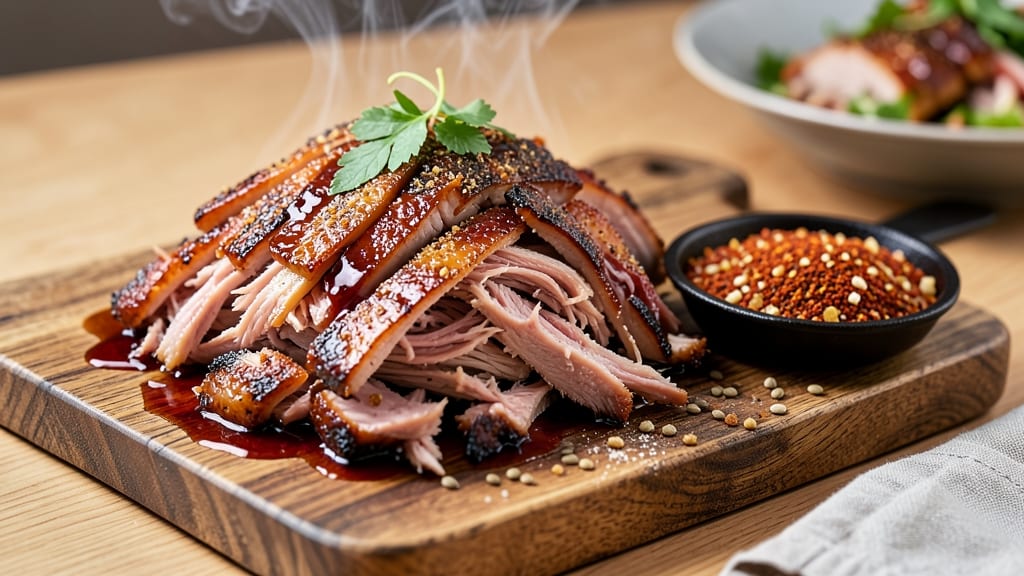
This BBQ pulled pork dry rub recipe transforms tough pork shoulder into fall-off-the-bone perfection with a smoky-sweet bark that locks in flavor. 🔥 As a pitmaster, I've perfected this blend to create that coveted crust while keeping the meat tender—no shortcuts, just deep, complex flavor built layer by layer.
The secret lies in balancing heat, sweetness, and smokiness to create a rub that works whether you're smoking, grilling, or slow-cooking.
What makes this dry rub special is its ability to develop a caramelized crust while infusing the meat with layers of flavor. I've tested countless combinations, and this one delivers the perfect harmony of smoky paprika, warm brown sugar, and aromatic spices.
The blend stays balanced—no single spice overpowers—so you get a clean, authentic BBQ taste without bitterness. It's the kind of rub that makes your pork stand out at cookouts and competitions alike.
This professional-grade blend is designed to be versatile and long-lasting, keeping its potency for months when stored properly. The spices are carefully measured to ensure every application delivers consistent results, whether you're cooking a small batch for family or a crowd.
The rub's texture clings perfectly to the meat, creating that signature bark that's both visually appealing and packed with flavor.
Once you try this rub, you'll never go back to store-bought seasonings. It's the foundation of restaurant-quality pulled pork right in your own kitchen. Store it in an airtight container away from light, and you'll have a flavor powerhouse ready whenever the craving strikes.
Let's get started on building that perfect bark!
Ingredients for bbq pulled pork dry rub
Nine spices, one perfect bark—this blend transforms pork shoulder into smoky-sweet perfection.
| Ingredient | Amount | Notes |
|---|---|---|
| Smoked Paprika 🌶️ | 3 tbsp | High-quality, not cayenne-infused |
| Brown Sugar 🍚 | 2 tbsp | Light or dark, packed |
| Granulated Garlic Powder 🧄 | 1 tbsp | Freshly ground preferred |
| Granulated Onion Powder 🧅 | 1 tbsp | Freshly ground preferred |
| Ground Black Pepper 🌶️ | 1 tbsp | Freshly cracked preferred |
| Ground Cumin 🌿 | 1 tbsp | Toasted for deeper flavor |
| Kosher Salt 🧂 | 1 tbsp | Diamond Crystal preferred |
| Mustard Powder 🌶️ | 1 tsp | Yellow or Dijon preferred |
| Ground Coriander 🌿 | 1 tsp | Freshly ground preferred |
| Cayenne Pepper 🔥 | ½ tsp | Adjust for heat preference |
The smoked paprika is non-negotiable—look for brands like Penzeys or McCormick Smoked at your local grocery store's spice aisle. Brown sugar should be packed, not scooped—trust me, it makes a difference. Freshly ground spices (garlic powder, onion powder, coriander) elevate this blend from good to legendary. I always buy spices in bulk from Costco or Whole Foods—they stay potent longer. For the mustard powder, grab the yellow kind unless you're going for a tangier twist with Dijon. The cayenne is where you can play—start with half a teaspoon if you're sensitive to heat.
No smoked paprika? Chili powder at double the amount works in a pinch, but you'll lose that signature smokiness. White sugar can replace brown sugar, though it won't caramelize as beautifully. Fresh cumin seeds toasted and ground add depth—just use half the amount. Diamond Crystal kosher salt is the gold standard, but if you've got Morton, it's still a solid choice. Pre-ground spices are fine, but if you're feeling fancy, toast whole spices like cumin and coriander in a dry pan for 30 seconds before grinding. The mustard powder can be swapped for ground mustard seeds (toasted first), but the texture might change slightly.
This rub keeps its punch for up to 6 months in an airtight container, stored in a cool, dark place. Mason jars are ideal—just make sure the lid seals tight. For extra longevity, add a bay leaf to the jar before sealing. Once opened, use within 3 months for peak flavor. I like to portion mine into smaller jars for easy access—perfect for quick cookouts or last-minute BBQ cravings. If your rub starts to lose its aroma, a quick 30-second warm in a dry pan revives it.
Why You'll Love This Recipe
- Five-Ingredient Magic: I swear by this combo—smoked paprika’s deep warmth, brown sugar’s caramel kick, and those little garlic/onion granules pack a punch without extra work. No fancy prep, just mix and coat. That’s it.
- Crowd-Pleaser Crust: The black pepper adds this little pop that makes it irresistible. Honestly, my picky-eater nephew goes for seconds, and he’s usually the last one to touch BBQ. That’s saying something.
- Weeknight to Party: Same rub works on pork shoulder or chicken thighs—just adjust the cook time. I’ve used it for slow-cooker meals, tailgates, and even a last-minute potluck. Zero stress, all flavor.
- Leftovers That Shine: This rub turns sad pork into gold the next day. Toss it in tacos, slather it on biscuits, or even mix into fried rice. Between us, the fridge version is my go-to lunch for days.
Step-by-step instructions for smoky-sweet pulled pork rub
Here's how to blend this bold, flavor-packed rub that delivers that signature bark and deep smoke flavor.
👨🍳 Step 1: Measure All Ingredients Precisely
Gather all your ingredients on a clean surface—this is where precision matters most. I like to use a small mixing bowl or even a resealable plastic bag for this step. Start by measuring out the 3 tablespoons smoked paprika—this is your base flavor and should be high-quality, not cayenne-infused. The deep, smoky notes will dominate your rub.
Next, measure the 2 tablespoons packed brown sugar—this will give your bark that beautiful caramelized crust while adding just enough sweetness to balance the heat. For the remaining spices, use the exact measurements: 1 tablespoon each of granulated garlic powder, onion powder, ground black pepper, and ground cumin, plus 1 teaspoon each of mustard powder, ground coriander, and 0.5 teaspoon cayenne pepper. I find using a small kitchen scale for these tiny measurements ensures accuracy, especially with spices like cayenne.
🥘 Step 2: Combine Dry Ingredients Thoroughly
Add all the measured ingredients to your mixing bowl. The key here is to distribute everything evenly—start by pouring in the smoked paprika and brown sugar first, then sprinkle the remaining spices on top. Use a fork or small whisk to gently stir and break up any clumps, especially with the brown sugar which can pack tightly.
Here's where it gets fun—grab a second utensil, like a silicone spatula, and really work the spices together. Press down firmly with your fork while scraping the sides of the bowl with the spatula. You want every grain of sugar and paprika to be coated with the other spices. This ensures each pinch of rub delivers consistent flavor. After about 2 minutes of mixing, the blend should look uniform with no visible streaks of individual spices.
🔪 Step 3: Toast the Spices for Enhanced Flavor (Optional but Recommended)
For an extra layer of depth, I like to lightly toast the spice blend. Heat a dry skillet over medium-low heat and add the mixed rub. Stir constantly for 1-2 minutes until you can smell the spices warming up—you'll notice the aroma intensify as the cumin and coriander release their essential oils. Watch carefully to avoid burning, as spices can scorch quickly. The moment you see the spices start to sizzle and smell deeply aromatic, remove from heat immediately.
Let the toasted rub cool completely before using. This step isn't mandatory, but it makes a noticeable difference in flavor complexity. The heat activates the spices' natural oils, creating a more robust, aromatic rub. If you skip this, don't worry—the blend will still be delicious, but with slightly less depth of flavor.
⏰ Step 4: Store Properly for Maximum Freshness
Transfer your finished rub to an airtight container—glass jars work best for visibility and easy measuring. Press down gently to compact the spices, then seal tightly. I like to store mine in a cool, dark place like a pantry, where it'll keep for up to 3 months. For even longer storage, freeze portions in small containers or resealable bags for up to 6 months—just thaw before use.
When you're ready to use, shake the container vigorously before each application to ensure even distribution of all the spices. This rub works wonders on pork shoulder, ribs, or even chicken thighs—just remember, a little goes a long way. Start with about 1-2 tablespoons per pound of meat for that perfect balance of smoky, sweet, and spicy flavors that'll have everyone asking for seconds.
Pro Tips For Making Bbq Pulled Pork Dry Rub
- Toast Your Spices First: I learned this the hard way—skipping it makes your rub taste flat and one-dimensional. Lightly toast the smoked paprika and black pepper in a dry skillet over medium heat for 30 seconds until fragrant. This deepens the smoky, earthy notes and cuts through the sweetness of the brown sugar.
- Don’t Rush the Sugar: Brown sugar isn’t just for sweetness—it’s the glue that makes the rub stick. Mix it last and press it into the pork’s surface with your fingers or a paper towel. If you add it too early, it’ll clump and leave patches of dry, flavorless meat.
- Skip the Crowded Smoker: Pork shoulder needs airflow to develop that crispy bark, not a steamy sauna. If your smoker’s packed, move the pork to the edges or use a second rack. I’ve seen perfectly seasoned meat turn soggy because it was buried in the middle of a crowded cook.
- Rest Before Shredding: Pull the pork at 195°F, then wrap it in a towel and let it sit for 15 minutes. This lets the juices redistribute—shredding it too soon means dry, stringy pulled pork. (Yes, even if you’re impatient like me.)
Wine and beer pairings for bbq pulled pork dry rub
Smoky Beer Pairings
For pulled pork with this rub, I reach for American pale ales or amber ales—their malty sweetness mirrors the brown sugar in the rub while the hop bitterness cuts through the smokiness.
A Fat Tire from New Belgium or Leinenkugel's Summer Shandy are my go-tos—the citrus notes in shandy actually enhance the cayenne's heat. 🍺
Bold Red Wine Contrasts
Don't shy on red wine—this rub's complexity pairs beautifully with Zinfandel or Syrah from California. The wine's jammy fruit and peppery finish complement the smoked paprika and cayenne, while its acidity balances the sugar.
I love a 2018 Dry Creek Zinfandel for its bold, spicy profile that stands up to the rub's intensity.
Light White Wines
For those who prefer whites, a crisp Riesling with its bright acidity and honeyed notes works surprisingly well. Look for a German Kabinett—the slight sweetness won't overpower the rub, and the minerality cleanses your palate between bites.
A Chardonnay with noticeable oak also pairs nicely, especially if it has a touch of vanilla.
Craft Beer Experiments
Want to get adventurous? Try a smoked porter like Founders Kentucky Breakfast Stout—the coffee and chocolate notes create an unexpected but delicious contrast with the pork's smokiness. For something lighter, a Belgian witbier with its coriander and orange peel adds refreshing brightness to cut through the richness.
Non-Alcoholic Options
Don't drink? No problem. A smoky-sweet iced tea made with hibiscus and a touch of honey mirrors the rub's flavors perfectly. For something more substantial, try a ginger beer—the spice complements the cayenne while the effervescence cleanses your palate. Both options let the pork's flavors shine without alcohol interference.
Nutrition facts
Frequently asked questions
Can I adjust the heat level in this dry rub?
The cayenne pepper is where you can play—start with 0.5 teaspoon for mild heat, then increase to 1 teaspoon if you love spice. For a smoky kick without heat, swap cayenne for an extra 0.5 teaspoon smoked paprika. The mustard powder also adds subtle tang, so you can reduce cayenne slightly if you prefer that flavor instead.
How much rub should I use per pound of pork?
Start with 1-2 tablespoons per pound of pork shoulder for that perfect balance. For extra bark, apply a second coat after 2 hours of cooking. Pro tip: Pat the meat dry before applying—this helps the rub stick better and creates a deeper crust.
Can I make this rub without smoked paprika?
Yes, but you'll lose that signature smokiness. Replace 3 tablespoons smoked paprika with 2 tablespoons chili powder + 1 tablespoon regular paprika for a close substitute. The flavor won't be identical, but it'll still deliver great results. For extra depth, add 0.5 teaspoon liquid smoke (just a drop!) to the meat before applying the rub.
Why does my rub clump together?
Brown sugar is the culprit! To prevent clumping, store your rub in an airtight container and shake it vigorously before each use. For extra insurance, add 1 teaspoon cornstarch to the blend—it absorbs moisture and keeps everything loose. If clumps form, simply break them up with your fingers or a fork before applying.
Can I use this rub on other meats besides pork?
This rub works beautifully on chicken thighs, beef brisket, or even lamb chops! For poultry, reduce the cayenne to 0.25 teaspoon to avoid overpowering the delicate meat. The smoky-sweet profile translates well to any protein that benefits from a crust—just adjust cooking times accordingly.