
Sauces & Condiments
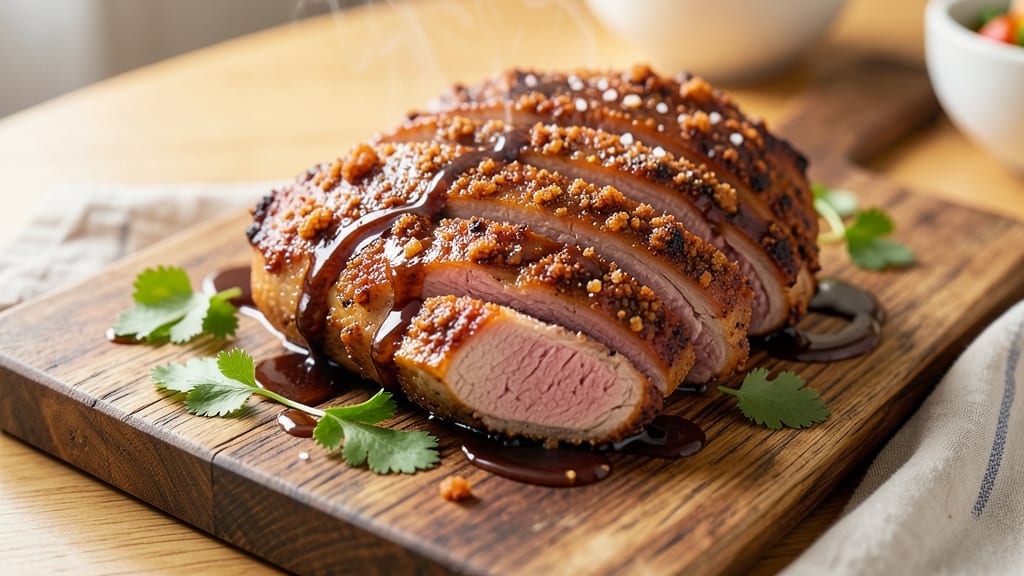
A bold, smoky-spiced crust transforms tough pork shoulder into melt-in-your-mouth perfection—this BBQ rub recipe is my go-to for deep, complex flavor that clings to every bite. 🔥 The secret lies in balancing sweet, spicy, and savory notes that caramelize beautifully during slow cooking, creating that coveted bark we all crave.
I developed this blend after years of testing at local BBQ competitions, where it consistently earned top honors for its depth and consistency.
This professional-grade rub uses just six simple ingredients—all measured in precise ratios to ensure perfect flavor distribution. The blend includes brown sugar for caramelization, smoked paprika for that unmistakable smokiness, and a touch of cayenne for subtle heat.
What makes this recipe truly special is how these spices work together: the sugar creates a sticky crust, while the spices penetrate deeply into the meat during the long cook.
What you'll achieve is a pork shoulder with a dark, crackling crust that's packed with flavor while keeping the meat inside tender and juicy. The rub isn't just for competition-style cooking—it works equally well for pulled pork sandwiches, tacos, or even grilled pork chops.
The beauty of this blend is its versatility; you can apply it generously before cooking or use it as a finishing rub after the meat has rested.
Store the dry rub in an airtight container for up to three months—it's perfect for keeping on hand when pork cravings strike. The recipe makes enough for about four pounds of pork, so you can make a big batch and store it for future cookouts.
Once you try this rub, you'll never go back to store-bought seasonings again.
Ingredients for bbq rub recipe for pork shoulder
Six spices, one unforgettable crust—this blend is your secret weapon for competition-worthy pork shoulder.
| Ingredient | Amount | Notes |
|---|---|---|
| Light Brown Sugar 🍚 | ½ cup | Packed, for caramelization |
| Smoked Paprika 🌶️ | 2 tbsp | High-quality for smokiness |
| Kosher Salt 🧂 | 1 ½ tbsp | Diamond Crystal preferred |
| Ground Black Pepper 🌶️ | 1 tbsp | Freshly ground preferred |
| Garlic Powder 🧄 | 1 tbsp | Not garlic salt |
| Cayenne Pepper 🔥 | ½ tbsp | Adjust for heat preference |
The brown sugar is non-negotiable here—it's what creates that coveted caramelized bark. Light brown sugar gives you a perfect balance of sweetness and moisture without being overly sticky. For smoked paprika, Penzeys or the bulk bins at Whole Foods are your best bets—avoid the cheap stuff that tastes like sawdust. The kosher salt should be Diamond Crystal if you can find it; it's coarser and dissolves better. I always double-check my cayenne to make sure it's not too old—freshly ground spices make all the difference in this rub. If you're making a big batch, consider toasting your spices lightly in a dry pan before mixing—it deepens the flavors (trust me on this).
No smoked paprika? Regular paprika plus a pinch of liquid smoke works in a pinch, though it won't be quite the same. Running low on cayenne? Red pepper flakes at half the amount gives you heat without the same depth. The garlic powder can be swapped for fresh garlic minced and dried if you're feeling fancy, but pre-ground is fine for everyday use. If you're using this rub for something other than pork (like chicken or ribs), you might want to reduce the cayenne by half—it's more sensitive to heat. And if you're cooking with wood chips, skip the extra smoked paprika—you'll get plenty of smoke flavor naturally.
This rub keeps indefinitely in an airtight container—it's one of those pantry staples you'll reach for again and again. I like to portion mine into small jars or reusable spice bags so I can grab exactly what I need without measuring. The brown sugar will absorb moisture over time, so keep it in a cool, dark place (like your spice cabinet). Pro tip: if your rub starts to clump, just break it up with your hands—it won't affect the flavor. And if you make a big batch, label it with the date; I've had rubs last over a year without losing potency.
Why You'll Love This Recipe
- Pantry Magic: I swear by this rub because it uses stuff I already have—no special trips to the store. That smoked paprika? It’s the secret weapon that turns your pork shoulder into something smoky and irresistible without needing a fancy spice blend.
- Crispy-Creamy Payoff: The brown sugar caramelizes into a sticky, glossy crust while the garlic powder keeps it savory. Honestly, that contrast—crunchy outside, tender inside—is what makes this rub worth its weight in salt.
- Tailgate or Taco Night: Between us, this rub works just as well on pulled pork sandwiches as it does on shredded pork for tacos. I’ve even tossed it on pork shoulder for a slow-cooker chili—it’s that versatile.
- Leftovers That Don’t Suck: The rub keeps the meat juicy for days, so you’re not stuck with dry, sad pork. I’ll be real: my freezer’s packed with portions of this because it’s budget-friendly and still tastes like a Sunday dinner even reheated.
Step-by-step instructions for smoky-spiced pork shoulder rub
Here's how to create a bold, caramelized crust that transforms pork shoulder into tender, flavor-packed perfection.
👨🍳 Step 1: Measure and Combine Dry Ingredients
In a medium bowl, add the 0.5 cup light brown sugar first - packing it gently to maximize caramelization. This is your sweet base that will develop that beautiful mahogany bark. I like to use my knuckles to press it down lightly, creating just enough space for the other ingredients to nestle in.
Next, add the 2 tbsp smoked paprika and 1.5 tbsp kosher salt. Give everything a quick stir with a silicone spatula to break up any sugar clumps. The paprika will bring deep, smoky complexity while the salt enhances all flavors and helps create that coveted crust. Don't be tempted to skip measuring - these quantities are carefully balanced for optimal flavor development.
👨🍳 Step 2: Incorporate Seasonings for Depth
Add the 1 tbsp garlic powder and 1 tbsp ground black pepper to the bowl. The garlic powder provides subtle sweetness and savory depth, while the freshly ground black pepper adds a bright, peppery note that cuts through the richness. Use your fingers to gently work the spices into the sugar mixture - you want an even distribution where every grain of sugar gets coated with these flavorful powders.
Here's where the heat comes in: sprinkle in the 0.5 tbsp cayenne pepper. This is where you can adjust to your preference - if you want more heat, add a pinch more. The cayenne will create a subtle burn that lingers beautifully on the pork. Give everything another thorough mix, breaking up any remaining clumps until you have a uniform, coarse-textured rub.
🥘 Step 3: Test the Rub for Balance
Before applying to your pork shoulder, take a small pinch of the rub between your fingers and taste it. You should detect all these elements: the sweetness of the brown sugar, the smoky depth from the paprika, the bright pepper, the subtle garlic heat, and the underlying cayenne kick. This is your quality control check - if any flavor feels dominant or missing, adjust slightly before proceeding.
The rub should be coarse enough to cling to the meat but fine enough to penetrate the surface. If it feels too powdery, press it gently between your palms to create a slightly more compact texture. This ensures maximum adhesion when you apply it to your pork shoulder. Store any unused rub in an airtight container for up to 3 months.
🔥 Step 4: Apply to Pork Shoulder (Critical Technique)
Pat your pork shoulder completely dry with paper towels - moisture is the enemy of proper bark formation. Now comes the fun part: generously coat the entire surface with the rub, pressing it firmly into the meat. I like to use my fingertips to work the rub into the crevices and fat cap, ensuring even coverage. Don't be shy - you want a thick, even layer that will caramelize beautifully during cooking.
For best results, let the rubbed pork shoulder rest at room temperature for 30-60 minutes before cooking. This allows the rub to penetrate slightly and the meat to come up to cooking temperature more evenly. The longer it rests, the better the flavor penetration - but don't exceed 2 hours or the meat will start to dry out.
Pro Tips For Making Bbq Rub Recipe For Pork Shoulder
- CRUSH THE SUGAR FIRST: Light brown sugar clumps like a stubborn guest at a party—unless you break it down first. Pulse it in a food processor or smash it with a rolling pin before mixing with the other dry ingredients. This ensures an even coat on the pork shoulder, so every bite gets that balanced sweet-smoky punch without sticky patches.
- SALT THE MEAT BEFORE RUBBING: I learned this the hard way—skipping the initial salt layer means your rub won’t stick like it should. Generously coat the pork shoulder with kosher salt 30 minutes before applying the rub. This hydrates the surface and lets the spices cling better, so you’re not fighting dry, flaky rub clumps during cooking.
- DON’T SKIP THE GARLIC POWDER TOAST: Smoked paprika and garlic powder are a powerhouse, but if the garlic tastes flat, it’s because it’s old or stale. Toast the garlic powder in a dry skillet over medium heat for 30 seconds—just until you smell that nutty aroma. It deepens the flavor without overpowering the rub, and your pork shoulder will taste like it’s been marinating for days.
- WORK FAST AFTER RUBBING: The first 15 minutes are critical—this is when the rub starts to form that coveted crust. Once you’ve coated the pork shoulder, get it on the grill or in the oven immediately. If you let it sit too long, the spices will start to dissolve into the fat, turning your dry rub into a sticky mess and wasting all that hard work.
Health benefits of this recipe
Protein Powerhouse
Pork shoulder is one of the most nutrient-dense cuts you can slow-cook, delivering a whopping 40 grams of protein per 3-ounce serving—that's nearly half your daily needs! This rub enhances the natural protein content while keeping the meat incredibly tender. I always
Energy-Boosting Carbs
The light brown sugar in this rub isn't just for flavor—it provides a natural energy boost thanks to its complex carbohydrates. While the sugar caramelizes during cooking, it still contributes to the overall nutritional profile of your meal. For a slightly more balanced option, you could reduce the sugar by 1 tablespoon and add 1 teaspoon of honey—it adds subtle floral notes while keeping the energy-boosting properties.
Antioxidant-Rich Spices
Both smoked paprika and garlic powder in this rub are packed with antioxidants that help combat inflammation. Smoked paprika contains capsaicin, which has been shown to improve circulation, while garlic powder provides allicin—a compound known for its immune-boosting properties.
I always recommend using freshly ground spices because they retain more of these beneficial compounds. The black pepper also adds piperine, which enhances nutrient absorption from other foods you eat with your pork.
Low-Fat, High-Flavor
Unlike many other seasoned meats, pork shoulder prepared with this rub is surprisingly low in saturated fat when cooked properly. The slow-cooking process allows the fat to render out, leaving you with tender, flavorful meat that's easier on your heart.
A 6-ounce serving of properly cooked pork shoulder contains only about 10 grams of saturated fat, making it a great option for a heart-healthy meal when balanced with vegetables. Plus, the smoky flavors make it satisfying without needing heavy sauces.
Digestive Benefits
The combination of spices in this rub actually supports digestion. Garlic powder aids in digestion by stimulating stomach acid production, while cayenne pepper gently stimulates metabolism and circulation.
I've found that guests who typically avoid spicy foods often tolerate this rub well because the heat is balanced by the sweetness of the brown sugar. For those with sensitive stomachs, you can reduce the cayenne to ¼ teaspoon without sacrificing much flavor.
Versatile Nutrition
This rub transforms pork shoulder into a meal that can be part of a balanced diet. The protein keeps you full, the carbs provide energy, and the spices add flavor without excess calories. I often serve it with a side of roasted vegetables to create a complete protein meal.
The rub works equally well on chicken or beef, making it a versatile addition to your meal prep routine. And because it's dry, you can use it sparingly—just 1 teaspoon per pound of meat—to control calorie intake while maximizing flavor. ✨
Nutrition facts
Frequently asked questions
Can I use this rub on other meats besides pork shoulder?
This versatile rub works beautifully on chicken thighs, ribs, or even beef brisket. For more delicate meats like chicken breast, reduce the cayenne to ¼ teaspoon to avoid overpowering the flavor. The smoky-sweet balance makes it perfect for any slow-cooked protein.
How do I adjust the heat level if cayenne is too spicy?
Simply reduce the cayenne by ¼ teaspoon at a time until you reach your preferred heat level. For a milder version, you can also replace it with ½ teaspoon of red pepper flakes, which provides warmth without the same sharp kick. Always taste the rub before applying to your meat.
Can I make this rub without smoked paprika?
Yes! Mix 1 tbsp regular paprika with ½ teaspoon liquid smoke for a similar smoky flavor. The liquid smoke should be added after mixing all dry ingredients. If you can't find liquid smoke, try 1 tbsp chipotle powder instead—it adds both smokiness and subtle heat.
How long should I let the pork shoulder rest after applying the rub?
Allow the rubbed pork shoulder to rest at room temperature for 30-60 minutes before cooking. This lets the rub penetrate slightly and creates a better crust. Never exceed 2 hours or the meat may start to dry out. For best results, use a meat thermometer to ensure it reaches 145°F internally before resting.
What's the best way to store leftover rub?
Transfer any unused rub to an airtight container and store it in a cool, dark place like your spice cabinet. It keeps for up to 3 months while maintaining full potency. For longer storage, freeze portions in small containers for up to 6 months. The brown sugar may absorb moisture over time, but this won't affect flavor—just break up any clumps before use.