
Main Courses
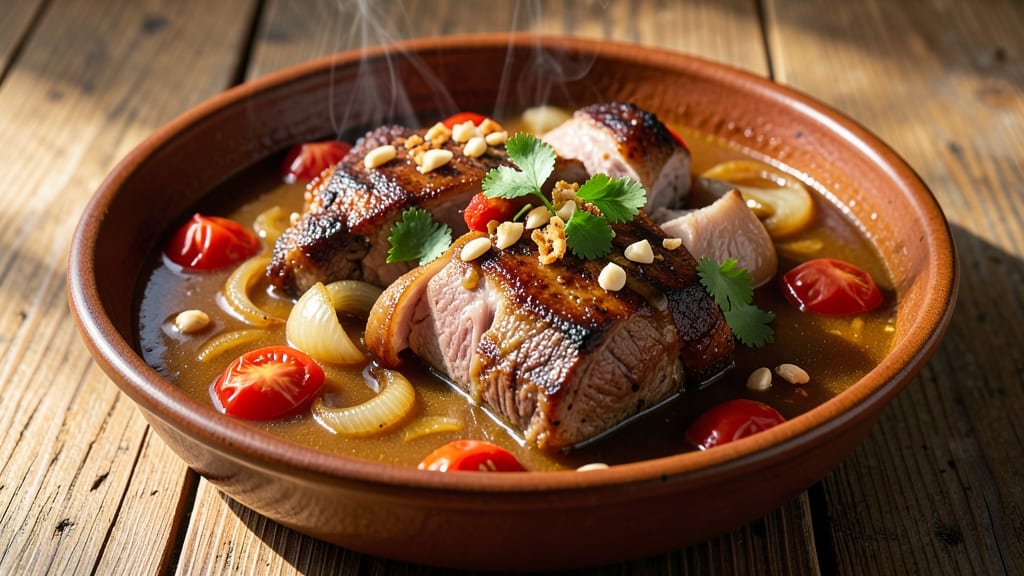
This beef and pork caldereta recipe transforms humble ingredients into a rich, slow-simmered stew with layers of umami and texture. 🔥 Growing up in Georgia, I first encountered this Filipino-Spanish dish at a local fiesta—where the combination of tender meats, tripe, and deep tomato broth created an unforgettable meal.
The secret lies in patience: letting flavors meld over hours while building a sauce that clings to every bite.
The magic happens through careful preparation: browning the meats for depth, simmering tripe until tender, and balancing the sauce with vinegar and spices. I've refined this recipe over years of cooking for crowds, ensuring it delivers restaurant-quality results at home.
The tripe adds a satisfying chew, while the pork and beef provide rich, hearty flavor that pairs perfectly with steamed rice.
What you'll achieve is a stew so flavorful it transforms simple ingredients into something extraordinary. The sauce should be thick enough to coat the back of a spoon but still silky, with just enough acidity to cut through the richness.
Each bite delivers a perfect balance of textures—tender meat, crisp vegetables, and that irresistible sauce.
Serve this caldereta with warm rice and steamed greens for a complete meal that feels both comforting and celebratory. The leftovers reheat beautifully, making it perfect for meal prep or feeding a crowd. Let's bring this classic dish to your table with confidence.
Ingredients for beef and pork caldereta
Sixteen ingredients transform into a restaurant-quality stew with layers of umami and texture.
| Ingredient | Amount | Notes |
|---|---|---|
| Beef Chuck Roast 🥩 | 1 ½ lb | Cut into 1-inch cubes |
| Pork Shoulder 🐖 | 1 ½ lb | Cut into 1-inch cubes |
| Beef Tripe 🥩 | 1 lb | Cleaned and cut into strips |
| Yellow Onions 🧅 | 2 whole | Sliced into wedges |
| Garlic Cloves 🧄 | 8 cloves | Minced for depth |
| Tomatoes 🍅 | 2 cans | San Marzano, crushed |
| Tomato Paste 🍅 | ½ cup | For rich sauce base |
| Red Wine 🍷 | 1 cup | Dry, bold variety |
| White Vinegar 💧 | ¼ cup | For acid balance |
| Bay Leaves 🌿 | 2 whole | For aromatic depth |
| Black Peppercorns 🌶️ | 1 tbsp | Freshly cracked |
| Ground Cumin 🌿 | 1 tbsp | Toasted for warmth |
| Potatoes 🥔 | 2 lb | Russet, cut into chunks |
| Carrots 🥕 | 3 whole | Peeled, sliced into rounds |
| Olive Oil 🫒 | ½ cup | Extra-virgin for richness |
| Salt 🧂 | 2 tsp | Diamond Crystal preferred |
The beef and pork cuts are critical—chuck roast and pork shoulder deliver the best texture when slow-simmered. Costco or Whole Foods carry high-quality cuts, but any reputable butcher will work. Tripe requires special handling: soak it in cold water with vinegar for 2 hours before using to remove impurities. For the tomatoes, San Marzano cans provide the sweetness and acidity this dish demands. The potatoes should be Russet—their fluffy texture holds up beautifully to the long cooking time. Don't skip browning the meats; this step develops the deep, caramelized flavors that define caldereta.
No red wine? Substitute with beef broth and a splash of balsamic vinegar—the acidity remains critical. Fresh bay leaves can be swapped for 1 teaspoon dried if needed, but whole leaves infuse better. The tomato paste is non-negotiable for building the sauce's depth—no shortcuts here. For the potatoes, if you prefer a creamier texture, add 1/2 cup coconut milk during the final 30 minutes. The carrots can be baby carrots if that's what's available, but whole carrots add better structure. Always toast your cumin seeds before grinding for maximum aroma—a dry skillet over medium heat for 2 minutes does the trick.
This stew tastes even better the next day as flavors meld. Store in an airtight container in the fridge for up to 5 days, or freeze portions for 3 months. For meal prep, double the recipe and freeze half immediately. When reheating, add 2-3 tablespoons of water to prevent thickening. Serve with steamed jasmine rice or crusty bread to soak up every last bit of that rich sauce. The leftovers reheat beautifully—gentle heat on the stove preserves the sauce's silky texture.
Why You'll Love This Recipe
- One-Pot Magic: I swear by this recipe—just toss in the beef chuck, pork shoulder, tripe, onions, and garlic, then let the slow simmer do the work. No chopping mountains of veggies or flipping pans here; the tripe even softens itself with minimal fuss.
- Triple-Meat Bliss: Honestly, the combo of beef chuck’s deep richness, pork shoulder’s melt-in-your-mouth tenderness, and tripe’s satisfying chew is ridiculously good. The onions caramelize right in the pot, and the garlic? It’s the secret weapon that makes every bite sing.
- Leftovers That Beg: Between us, this stew only gets better the next day. I make a double batch on Sundays because the flavors meld into pure satisfaction—perfect for quick lunches or freezing for lazy nights. (My kids fight over the portions, and I don’t even pretend to care.)
- Budget-Friendly Feast: Using chuck roast, pork shoulder, and tripe stretches every dollar without sacrificing flavor. It’s the kind of dish where you feed a crowd for half the cost of takeout, and everyone leaves happy—no sad, half-empty containers here.
Step-by-step instructions for beef and pork caldereta
Master this rich, slow-simmered Mexican stew with layers of umami and tender meats.
🔥 Step 1: Sear the Meats for Deep Flavor
Heat a large Dutch oven over medium-high heat. Add 0.5 cup olive oil and let it shimmer. Working in batches, add the 1.5 lb beef chuck roast, 1.5 lb pork shoulder, and 1 lb beef tripe (cut into strips). Sear undisturbed for 4-5 minutes until deeply browned on all sides.
This initial sear builds the foundation for rich, caramelized flavors. Don't rush—you want those meat pieces to develop a deep golden crust before moving to the next step. Use tongs to flip the meat rather than a fork to avoid piercing and losing juices.
🍳 Step 2: Sauté Aromatics and Build the Sauce Base
Remove the seared meats and set aside. In the same Dutch oven, add 2 whole yellow onions (sliced into wedges) and cook for 5 minutes until softened and golden. Add the 8 cloves garlic cloves (minced) and 1 tbsp ground cumin, cooking for 1 minute until fragrant.
Stir in the 0.5 cup tomato paste and cook for 2 minutes to deepen its flavor. This creates a rich paste that will form the heart of your sauce. Be careful not to burn the tomato paste—keep the heat at medium and stir constantly during this step.
🥘 Step 3: Deglaze and Combine All Ingredients
Pour in the 1 cup red wine and 0.25 cup white vinegar, scraping up all the browned bits from the bottom of the pot. Return the meats to the pot and add the 2 cans tomatoes, 2 whole bay leaves, and 1 tbsp black peppercorns. Stir to combine, then add 2 quarts water (enough to cover the meats by about 1 inch).
Bring to a boil, then reduce heat to low and cover. Let it simmer for 1.5 hours, skimming off any foam that rises to the surface. This long simmer breaks down the connective tissue in the meats, transforming tough cuts into tender, melt-in-your-mouth pieces.
🔪 Step 4: Add Vegetables and Finish Cooking
After 1.5 hours, add the 2 lb potatoes (cut into chunks) and 3 whole carrots (peeled and sliced into rounds). Stir gently to submerge the vegetables in the broth. Continue simmering uncovered for another 45-60 minutes until the potatoes are fork-tender and the carrots are easily pierced with a knife.
Taste and adjust seasoning with the 2 tsp salt if needed. The stew should have a balance of rich, tangy, and slightly sweet flavors. If the sauce is too thin, remove the lid and simmer for an additional 10-15 minutes to reduce it to your desired consistency.
⏰ Step 5: Rest and Serve with Confidence
Remove the bay leaves and peppercorns before serving. Let the caldereta rest for 10 minutes before serving. This resting period allows the flavors to meld and the meats to reabsorb any juices that may have escaped during cooking.
Serve the caldereta hot, ladling the rich broth over the tender meats and vegetables. The tripe should be tender but still hold its shape, the beef and pork should be fall-apart tender, and the potatoes and carrots should be cooked through but still hold their structure. Garnish with fresh cilantro if desired, and serve with warm tortillas or crusty bread.
Pro Tips For Making Beef And Pork Caldereta
- SEAR THE TRIPE FIRST: I learned this the hard way—skipping this step means your tripe will turn to mush instead of tenderizing properly. Hit it with high heat for 3-4 minutes per side until it’s deeply browned, then pull it out. The crust locks in flavor and texture when it braises later.
- SLICE THE ONIONS THIN: No, "chopped" isn’t specific enough. Thinly slice the yellow onions—about 1/8-inch thick—so they soften without disappearing into the stew. If you’re impatient like me, use a mandoline, but keep your fingers clear. They’ll caramelize into the sauce, adding sweetness without overpowering.
- DON’T RUSH THE PORK: Low and slow is the only way for pork shoulder in caldereta. After browning, simmer it at 300°F (150°C) until it shreds easily—aim for 2.5 to 3 hours, not the 1.5 hours you might see online. The connective tissue breaks down, but patience is the thing that matters most.
- USE GARLIC LIKE A PRO: Minced garlic burns faster than you think. Sauté it in the fat after the onions soften, and keep the heat moderate—just until fragrant, not golden. If you’re adding whole cloves, smash them first so they infuse the sauce evenly. Overcooking turns it bitter, and no one wants that.
Perfect pairings for this recipe
Classic Rice Pairings
Steamed jasmine rice is my go-to base for caldereta—its delicate aroma and slight stickiness soak up the rich sauce beautifully. For an authentic touch, use 2 cups uncooked jasmine rice per serving, cooked in a 1:1.5 rice-to-water ratio.
I prefer Tilda brand jasmine rice because it stays firm yet absorbs flavors perfectly. For extra richness, add a pinch of saffron to the cooking water. 💛
Crusty Bread Options
A warm, crusty bread like baguette or ciabatta is essential for mopping up every last drop of sauce. I love Bocuse Bakery's sourdough loaves—their open crumb structure holds up to the thick stew.
For a Mexican-inspired twist, serve with corn tortillas or bolillo rolls, which add a pleasant contrast in texture. Toast the bread lightly before serving to enhance its crunch.
Fresh Vegetable Sides
Bright, fresh vegetables cut through the richness of the stew. I recommend a simple charred corn and avocado salad—toss 2 cups corn kernels with 1 avocado (diced), 2 tbsp lime juice, and ¼ cup cilantro.
Another favorite is sautéed green beans with garlic and chili flakes. For a heartier option, serve with roasted zucchini and cherry tomatoes tossed in olive oil and herbs.
Wine and Beer Pairings
A bold Spanish Rioja or Tempranillo complements the stew's deep flavors perfectly—their earthy notes mirror the sauce's umami richness. For beer lovers, a Mexican lager like Modelo Especial or Pacifico provides a crisp contrast.
If you prefer local options, a Georgia peach wine adds a fruity brightness that pairs surprisingly well with the vinegar's tang. 🍷
Spicy Condiments
Serve with hot sauce or salsa verde on the side for those who crave heat. I keep Cholula hot sauce and a homemade tomatillo salsa (blended with jalapeños and cilantro) nearby.
For a smoky kick, add pickled jalapeños or chipotle peppers in adobo to the stew in the final minutes of cooking. A sprinkle of crumbled cotija cheese adds a salty contrast.
Dessert Complements
Finish the meal with something light to balance the richness. A mango sorbet or chamoy-spiked paleta cleanses the palate beautifully. For a traditional touch, serve tres leches cake—its sweetness contrasts perfectly with the stew's savory depth.
I also love a simple horchata (rice-cinnamon drink) to round out the experience. 🌟
Nutrition facts
Frequently asked questions
Can I substitute the tripe in this beef and pork stew?
Yes, but with flavor consequences! Tripe adds unique texture and depth, but you can substitute with 1 lb beef short ribs or extra pork shoulder (2 lbs total). For a vegetarian version, use mushrooms (like oyster or king oyster) or jackfruit for chewiness. The sauce will still work, but the texture will differ.
How do I know when the tripe is properly cooked?
Tender tripe should be fork-tender but still slightly chewy—not mushy. Test a small piece after 1 hour of simmering: it should easily pull apart with a fork. If it's still tough, return it to the pot with 30 minutes more simmering time. Overcooking can make it rubbery, so check frequently during the final 30 minutes.
What's the best way to reheat leftovers?
Low and slow is key! Reheat in a pot over low heat with 2-3 tablespoons of water or broth to prevent thickening. Stir occasionally and simmer for 10-15 minutes until heated through. Microwaving can make the sauce watery—avoid it. For extra richness, add a splash of red wine or beef broth when reheating.
Can I make this stew in an Instant Pot?
but with adjustments for pressure cooking. Sear the meats first, then sauté aromatics. Add all ingredients except potatoes/carrots, pressure cook for 40 minutes on high, then add veggies and natural release. The sauce will be thinner—reduce it uncovered on the stove for 10-15 minutes afterward. Expect slightly different textures but comparable flavor.
Why does my sauce taste too acidic?
The vinegar and tomatoes create balance, but if it's too sharp, it likely needs sweetness or richness. Add 1-2 tablespoons of brown sugar or 1/4 cup tomato paste to deepen flavors. For extra body, stir in 1/4 cup heavy cream or 1/2 cup coconut milk at the end. Taste as you go—small adjustments make the biggest difference!