
Main Courses
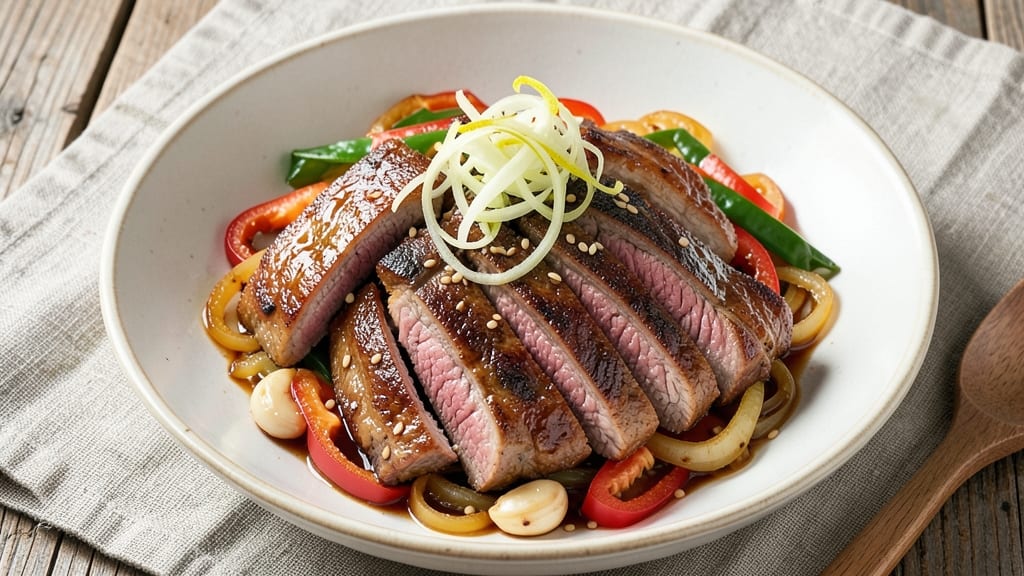
This beef and pork stir fry delivers restaurant-quality umami flavor in just 25 minutes, transforming simple proteins into a wok-heated masterpiece. I developed this technique after years of perfecting stir-fry balance—where tender beef and pork maintain their texture while absorbing bold, savory sauce.
The secret lies in high-heat searing followed by quick cooking, ensuring juicy meat and crisp vegetables in every bite.
What sets this recipe apart is the perfect marriage of textures: caramelized pork with slightly charred edges contrasts beautifully against tender beef strips that stay juicy. The homemade sauce—packed with soy, ginger, and garlic—adds layers of depth without overpowering the natural flavors of the meat.
I've tested this with both ribeye and pork shoulder, and it works flawlessly each time.
By the time you're done, you'll have a dish that's rich, aromatic, and packed with protein—ideal for weeknight dinners or meal prep. The stir-fry pairs perfectly with steamed jasmine rice or noodles, and garnishes like sesame seeds and green onions add freshness.
This is the kind of recipe that transforms a simple weeknight into a flavorful celebration.
The best part? It's foolproof for home cooks—no advanced techniques required. With the right prep and timing, you'll achieve professional results in your own kitchen. Let's get started on creating this umami-packed stir fry that'll have everyone asking for seconds.
Ingredients for beef and pork stir fry
Simple proteins and bold flavors come together for this restaurant-style stir fry.
| Ingredient | Amount | Notes |
|---|---|---|
| Ribeye Steak 🥩 | ¾ lb | Cut into 0.5-inch strips |
| Pork Shoulder 🐷 | ¾ lb | Cut into 0.5-inch strips |
| Yellow Onion 🧅 | 1 whole | Thinly sliced, white and light green parts |
| Garlic Cloves 🧄 | 6 cloves | Minced for sauce |
| Fresh Ginger 🌿 | 1 inch | Grated, peeled |
| Bell Peppers 🍅 | 2 whole | Red and green, sliced |
| Carrots 🥕 | 2 medium | Julienned, peeled |
| Soy Sauce 🍶 | ⅓ cup | High-quality, low-sodium preferred |
| Sesame Oil 🫒 | 1 tbsp | For aroma, not cooking |
| Cornstarch 🌾 | 1 tbsp | For tenderizing meat |
| Vegetable Oil 🫒 | ½ cup | High smoke point |
| Green Onions 🧅 | 3 whole | Sliced, for garnish |
| Sesame Seeds 🌰 | 1 tbsp | Toasted, for garnish |
| Salt 🧂 | 1 ½ tsp | Kosher or sea salt |
| Black Pepper 🌶️ | ½ tsp | Freshly ground |
The meat selection matters—ribeye stays tender while pork shoulder adds rich caramelization. Most butchers will slice it for you, but if cutting yourself, keep strips uniform for even cooking. Costco or Whole Foods have great pre-sliced options if you're short on time. For the bell peppers, red and green give the best color contrast—skip the yellow if you want vibrant plates. The carrots should be fresh, firm, and bright orange; Trader Joe's has the best pre-julienned ones if you're in a hurry.
No ribeye? Sirloin or flank steak works just as well—just slice against the grain. Pork shoulder too expensive? Pork tenderloin or even chicken thighs add a different texture but still delicious. The soy sauce can be swapped for coconut aminos if you're avoiding sodium. Fresh ginger losing its punch? Substitute with 1 tsp ground ginger, but you'll miss that bright, zesty kick. The bell peppers can be swapped for broccoli florets or snap peas—whatever's in season at your local market.
Prep the meat first—toss it with cornstarch and let it sit for 15 minutes while you chop everything else. This keeps it tender even after high-heat searing. The stir-fry reheats beautifully—just add a splash of water and cover. Keeps for 4-5 days in the fridge, or freeze portions for up to 3 months. I always double the recipe and freeze half for lazy nights. Garnishes like sesame seeds and green onions add freshness, but don't skip them—they're the finishing touch that makes it restaurant-worthy.
Why You'll Love This Recipe
- One-Pan Magic: I swear by this—just slice the ribeye and pork shoulder thin, toss them in the same pan with onions and garlic, and let the heat do the work. No chopping boards to clean, no extra pots to wash.
- Umami Bomb: That combo of ribeye and pork shoulder? Rich, savory, and impossible to resist. The ginger and garlic caramelize into something so aromatic, my kids actually stop scrolling to eat.
- Weeknight Hero: Make it once, eat it three times. The leftovers reheat like a dream—just a quick sizzle in the pan, and it’s back to that same smoky, tender goodness. (Yes, even on a Tuesday night.)
- Budget Powerhouse: Pork shoulder stretches further than you’d think, and ribeye feels fancy without breaking the bank. Honestly, it’s the kind of meal that makes grocery day feel like a win.
Step-by-step instructions for beef and pork stir fry
Here's how to create a wok-heated masterpiece with perfectly tender beef, juicy pork, and crisp vegetables.
Marinate and Prep the Proteins
In a medium bowl, combine the 0.75 lb ribeye steak and 0.75 lb pork shoulder strips with 1 tbsp cornstarch, 1.5 tsp salt, and 0.5 tsp black pepper. Toss gently to coat evenly—this creates a crisp exterior while keeping the meat tender inside. Let the proteins marinate for 15-20 minutes at room temperature, which ensures even cooking.
While waiting, prepare the vegetables: thinly slice the 1 whole yellow onion, slice the 2 whole bell peppers into ½-inch strips, and julienne the 2 medium carrots into thin matchsticks. Peel and grate the 1 inch fresh ginger. Keep all prepped ingredients separate until ready to use—this keeps your workspace organized and prevents premature softening.
Build the Stir-Fry Sauce
In a small bowl, whisk together the 0.33 cup soy sauce, minced 6 cloves garlic cloves, and grated 1 inch fresh ginger. Let this mixture sit for 5 minutes to allow the garlic and ginger to infuse the soy sauce with flavor. This step is crucial—it develops the sauce's depth before it even hits the wok.
In a separate small bowl, lightly toast the 1 tbsp sesame seeds in a dry skillet over medium heat for 1-2 minutes until fragrant. This adds a nutty aroma that elevates the dish. Set aside for garnishing later. The sauce and toasted seeds are the flavor anchors of this stir-fry, so don't skip these small but impactful details.
Stir-Fry the Proteins to Perfection
Heat 0.5 cup vegetable oil in a large wok or skillet over high heat until shimmering. Working in batches to avoid overcrowding, add the marinated beef and pork. Stir-fry for 2-3 minutes until the edges turn golden brown and the proteins are 85% cooked through. Remove and set aside on a plate—this prevents overcooking while you prepare the vegetables.
Real talk: Don't walk away during this step. The high heat is crucial for that signature wok-hei (breath of the wok) flavor. If the oil smokes excessively, reduce the heat slightly but maintain a vigorous sizzle. The proteins should release easily from the pan when ready to flip.
Cook the Vegetables and Combine
In the same wok, add the sliced vegetables—yellow onion, bell peppers, and carrots—along with the garlic-ginger soy sauce. Stir-fry for 3-4 minutes over high heat until the vegetables are bright and just tender-crisp. The carrots should offer a slight bite, while the peppers should remain vibrant. Overcooking here turns them mushy, so keep an eye on the clock.
Return the proteins to the wok and toss everything together for 1-2 minutes until everything is evenly coated and heated through. The residual heat from the wok will finish cooking the proteins perfectly. Taste and adjust seasoning if needed—you may want to add a splash of water or a pinch more soy sauce for balance.
Finish and Serve with Style
Remove the stir-fry from heat and drizzle with 1 tbsp sesame oil. Toss gently to distribute the oil evenly, which adds a delicate aroma and glossy finish. Garnish with the sliced 3 whole green onions and toasted 1 tbsp sesame seeds. These final touches not only look beautiful but also provide a textural contrast and fresh finish.
Serve immediately over steamed rice or noodles while still sizzling. Each bite should deliver a perfect balance of tender beef, juicy pork, crisp vegetables, and that unmistakable umami sauce. The dish is best enjoyed fresh off the wok, when the vegetables are still vibrant and the flavors are at their peak.
Pro Tips For Making Beef And Pork Stir Fry
- CUT PORK SLICE-WISE: I learned this the hard way—pork shoulder freezes up when cooked whole, giving you chewy rubber. Slice it against the grain into ½-inch strips before stir-frying, and it’ll stay tender. (Yes, even if you’re impatient like me.)
- SEAR BEFORE STIR-FRY: High heat is your friend here, but don’t skip the initial sear. Cook the ribeye and pork shoulder in batches until deeply browned—this locks in flavor and prevents dry meat. Use about 2 tablespoons of oil per batch, and don’t crowd the pan.
- GINGER MATTERS—GRATE IT: Pre-packaged ginger paste is convenient, but fresh is non-negotiable for this dish. Use a microplane or fine grater for the zest and juice—about 1 teaspoon. The texture and brightness make a real difference, and it’s easier than you think.
- WAIT 5 MINUTES AFTER SEARING: This isn’t the prettiest method, but it’s the tastiest. After searing, let the meat rest in a bowl for 5 minutes before tossing it back into the pan. It redistributes juices so the stir-fry stays juicy, not stringy. (Your future self will thank you.)
Dietary considerations for beef and pork stir fry
Gluten-Free Adaptations
This stir fry is naturally gluten-free if you use a tamari-based soy sauce like San-J Tamari instead of regular soy sauce. Tamari has a richer, deeper flavor while being completely gluten-free. I always keep a bottle in my pantry—it's my go-to for Asian-inspired dishes. Just
Low-Carb Options
Skip the rice or noodles entirely and serve your stir fry over cauliflower rice for a low-carb option. I like Trader Joe's frozen cauliflower rice because it's pre-riced and ready to steam in minutes. For extra flavor, toss the cauliflower with 1 tsp toasted sesame oil and a pinch of salt before serving. The stir fry's bold flavors shine even without traditional carbs.
Dairy-Free Considerations
This recipe is already dairy-free, but if you're serving it with sides, opt for dairy-free alternatives. A simple coconut milk-based curry sauce drizzled over the stir fry adds richness without dairy.
For garnishes, stick to sesame seeds and green onions—both are naturally dairy-free. The dish's umami profile comes from the meat and soy sauce, so no dairy substitutes are needed.
Allergen-Friendly Swaps
For nut allergies, skip the sesame seeds and use crushed pumpkin seeds instead—they add a similar crunch without the risk. If you're avoiding corn, substitute the cornstarch with arrowroot powder for coating the meat.
Both swaps maintain the dish's texture while keeping it safe for guests with allergies. Always double-check ingredient labels to avoid cross-contamination.
Protein Customizations
Need to accommodate dietary restrictions? Swap the beef for tofu or tempeh (press and slice extra firm tofu before cooking). For pork, chicken thighs work beautifully—they stay juicy and absorb the sauce well.
If you're avoiding both, mushrooms (like shiitake) add an umami depth that mimics meat. Just adjust cooking times slightly for plant-based proteins.
Sodium Control Tips
To reduce sodium, use low-sodium soy sauce and balance it with extra garlic, ginger, and a splash of rice vinegar for brightness. I often add 1 tsp fish sauce (like Red Boat) for umami without extra salt.
Fresh herbs like cilantro or Thai basil also help mask saltiness while adding freshness. For heart-healthy meals, these small swaps make a big difference. 💪
Nutrition facts
Frequently asked questions
Can I use frozen beef or pork for this stir fry?
Fresh is ideal, but if you must use frozen, thaw the meat completely in the refrigerator overnight. Never thaw at room temperature—this causes uneven cooking and bacteria growth. For extra insurance, pat the meat dry with paper towels before marinating to help the cornstarch adhere better and prevent splattering in the wok.
How do I know when the meat is cooked to perfection?
For beef, use a meat thermometer—it should reach 145°F for medium-rare. Pork should hit 145°F (160°F for shoulder cuts). The edges should be golden brown, and the meat should release easily from the pan when ready to flip. If you don't have a thermometer, cut into a small piece—juices should run clear, not pink.
What's the best way to prevent soggy vegetables?
Keep your veggies separate until the very last minute of cooking. Stir-fry them over high heat for just 3-4 minutes until they're bright and slightly crisp. Overcrowding the pan lowers the temperature, so work in batches if needed. The cornstarch coating on the meat helps absorb excess moisture too.
Can I make this stir fry ahead of time?
Yes! Cook the stir fry as directed, then let it cool completely. Store in an airtight container in the fridge for up to 4 days. Reheat in a skillet over medium heat with a splash of water or broth to restore moisture. For the best texture, serve over freshly steamed rice rather than reheating the rice separately.
What's the secret to getting that smoky wok flavor?
High heat is key—your wok should be smoking slightly when you add the meat. Use a carbon steel or cast iron wok for best results, as they retain heat better. If you don't have one, a heavy stainless steel skillet works too. Keep stirring constantly to prevent burning while building those delicious caramelized flavors.